
| Product Name | Multi-Point Livestock House Air Velocity Monitoring System |
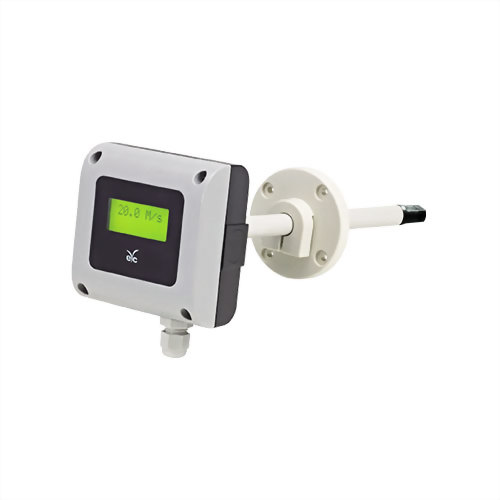
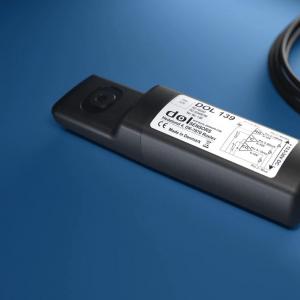
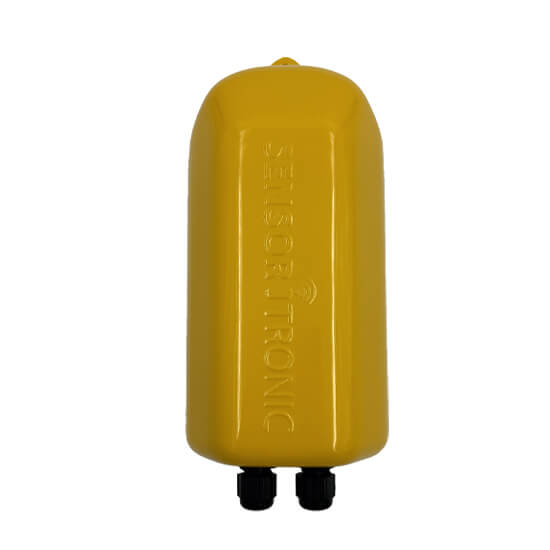
| Product Image | 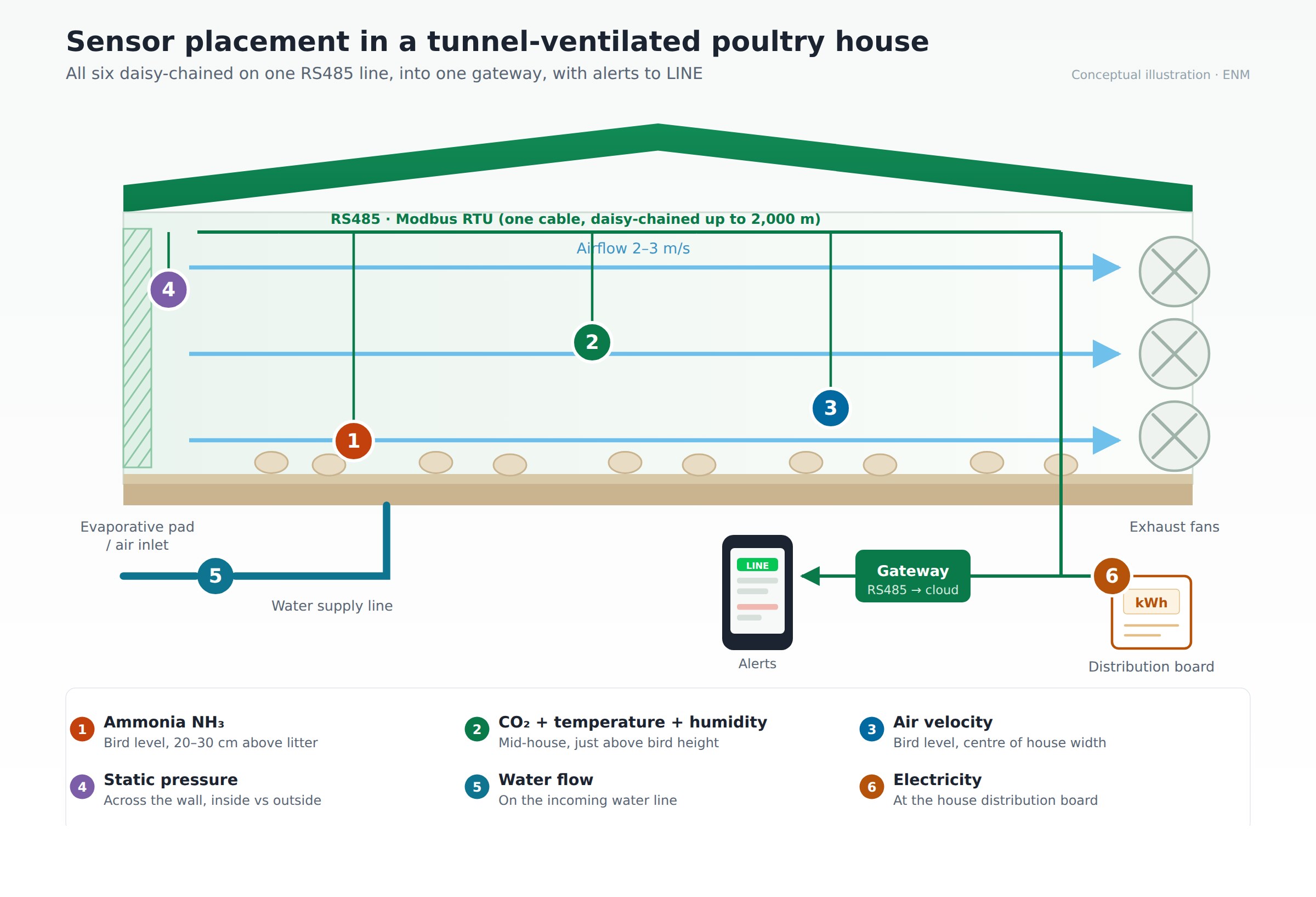 |
| Product Overview | The Multi-Point Livestock House Air Velocity Monitoring System is designed for continuous measurement and comparison of airflow at multiple positions inside poultry houses, pig houses, cattle buildings and other mechanically ventilated agricultural facilities. Instead of relying on a single measurement point, multiple air velocity sensors can be distributed along the length, width or animal occupied zone of the building. This configuration helps operators identify differences in airflow between inlet areas, central zones, sidewalls and fan-end sections. The system can transmit measurement data to a livestock environmental controller, PLC, data acquisition unit, local display or remote farm management platform. It is suitable for new livestock house construction, ventilation-system commissioning, farm renovation and long-term environmental monitoring. For commercial livestock projects, multi-point airflow data can provide useful information for evaluating tunnel ventilation, minimum ventilation, transitional ventilation, circulation fans and air distribution performance. |
| Key Features | Multi-Point Airflow Measurement: Multiple sensors can be installed at representative positions to monitor spatial differences in air velocity throughout the livestock house. Continuous Online Monitoring: Provides ongoing airflow data rather than depending only on periodic handheld measurements. Livestock-Level Measurement: Sensor locations can be arranged according to bird, pig or cattle occupied zones and project ventilation requirements. Ventilation Distribution Analysis: Helps identify low-airflow zones, uneven tunnel ventilation and changes in airflow between different areas of the building. Centralized Data Collection: Multiple sensing points can be connected to a compatible controller, data acquisition system or monitoring gateway. Digital Communication: RS485 and compatible communication options are available according to project requirements. Expandable System Architecture: The number of sensing points can be customized for different building dimensions and farm layouts. Remote Monitoring: Gateway, data logging and cloud monitoring functions are available upon request. Commercial Farm Application: Suitable for poultry complexes, pig farms, livestock engineering contractors and large agricultural projects. |
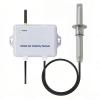
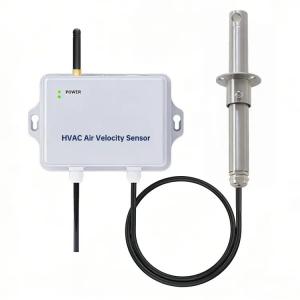
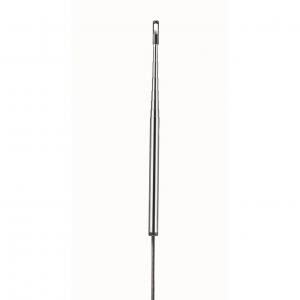
| Structural Components | Air Velocity Sensors: Multiple fixed sensing probes are distributed at selected monitoring positions throughout the livestock building. Sensor Mounting Assemblies: Brackets, flanges or customized supports secure each sensor at the required measurement height and orientation. Communication Network: Connects multiple measurement points to the central controller or data acquisition equipment. Central Data Controller: Collects, processes and organizes air velocity information from different monitoring points. Local Display: Available for viewing real-time airflow values according to selected configuration. Gateway Module: Optional communication gateway transfers measurement data to remote monitoring or farm management platforms. Power Supply Module: Provides suitable operating power for sensors and communication equipment according to the selected system architecture. Protective Enclosures: Electrical and communication components can be installed in suitable housings according to livestock-house environmental conditions. |
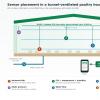
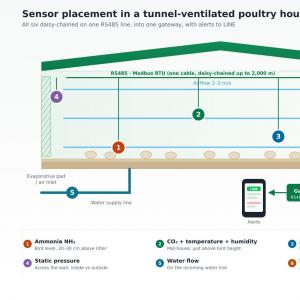
| Working Principle / Structural Principle | Air velocity sensors are positioned at multiple representative locations inside the livestock building. Each sensor continuously measures local air movement and converts the measured condition into an electrical or digital signal. Measurement signals from the different locations are transmitted to a central controller, PLC, data acquisition unit or monitoring gateway. The system can display individual sensor readings and compare airflow conditions between different sections of the house. By comparing multiple points simultaneously, farm operators and ventilation technicians can evaluate whether air is being distributed evenly throughout the livestock occupied zone. This is especially useful in long tunnel-ventilated poultry houses and large mechanically ventilated pig buildings where airflow can vary significantly from one location to another. The air velocity monitoring system can also be integrated with temperature, humidity, carbon dioxide, ammonia and static pressure monitoring. The connected farm controller can use these environmental inputs as part of a broader ventilation and climate-management strategy. |
| Technical Specifications | Product Type: Multi-point livestock house air velocity monitoring system Measured Parameter: Air velocity Number of Measurement Points: Customizable Sensor Quantity: According to project requirements Measurement Range: According to selected air velocity sensor Measurement Resolution: According to selected sensor configuration Sensor Technology: Thermal, hot-film or other suitable configuration available upon request Monitoring Mode: Continuous online monitoring Sensor Installation: Fixed mounting at representative airflow locations Probe Length: Customizable Signal Output: Analog or digital output available according to project requirements Communication: RS485 / Modbus RTU or compatible communication available upon request Network Structure: Multi-sensor centralized data acquisition Data Logging: Available upon request Local Display: Available according to selected configuration Remote Monitoring: Available through compatible gateway or farm management platform Alarm Function: Available through connected controller or monitoring platform Power Supply: According to selected system configuration Installation Accessories: Customizable System Configuration: Designed according to local climate and farm conditions |
| Applications | Broiler Houses: Multi-point airflow monitoring across tunnel-ventilated poultry buildings and bird occupied zones. Layer Houses: Continuous airflow monitoring in enclosed layer houses and cage systems. Breeder Houses: Monitoring of ventilation uniformity in commercial breeder facilities. Pig Nursery Houses: Measurement of airflow distribution around young pigs and nursery pens. Farrowing Houses: Monitoring of ventilation conditions around sow and piglet zones. Finishing Pig Houses: Air velocity comparison between different sections of mechanically ventilated finishing buildings. Cattle and Calf Buildings: Air circulation and mechanical ventilation monitoring according to project requirements. Tunnel Ventilation Systems: Measurement of airflow at several positions along the building to evaluate ventilation distribution. Air Inlet Commissioning: Supports evaluation of airflow entering from wall, ceiling or sidewall inlet systems. Livestock Engineering Projects: Suitable for ventilation commissioning, environmental monitoring and smart farm integration in new construction and renovation projects. |
| Customization Options | Number of Sensors: Customizable according to livestock house dimensions and monitoring objectives. Sensor Distribution: Designed according to building length, width, ventilation type and animal occupied zone. Measurement Range: Selected according to minimum, transitional and high-speed ventilation requirements. Probe Length: Customizable according to installation position. Mounting Structure: Wall, ceiling, suspension, bracket or customized mounting available upon request. Communication Interface: RS485, Modbus RTU, analog output or other compatible options available according to project requirements. Central Controller: Selected according to the required number of measurement channels and control functions. Data Logging: Historical data storage and trend analysis available upon request. Remote Monitoring: Gateway, network communication and cloud monitoring options available according to project requirements. Multi-Parameter Integration: Air velocity monitoring can be combined with temperature, humidity, carbon dioxide, ammonia and static pressure sensors. Project Design: Designed according to local climate, livestock species, farm layout and ventilation system. |
| Installation & Maintenance | Sensor placement should be determined according to the purpose of the measurement and the airflow pattern of the livestock building. In long poultry or pig houses, several sensors can be distributed along the building to provide representative information from different ventilation zones. Sensors used for animal-level monitoring should be positioned at suitable heights according to livestock species, production stage and housing system. They should not be placed directly behind structural columns, feeders, partitions or other obstacles unless airflow at that specific position is being evaluated. All sensors should be mounted securely to prevent vibration or unwanted movement. Wiring should be protected from livestock, rodents, water lines, high-pressure washing equipment and moving farm machinery. Communication cables should be routed according to the requirements of the selected control network. Proper addressing should be used when several digital sensors share the same communication line. Dust, feathers, cobwebs and other deposits should be removed regularly from air velocity sensing elements. Cleaning frequency depends on livestock type, ventilation rate and dust conditions. Periodic functional testing and calibration are recommended according to project requirements and the farm maintenance program. |
| Project Cases | Commercial Tunnel-Ventilated Broiler House: Multiple air velocity sensors can be installed at selected positions from the cooling-pad end to the exhaust-fan end to evaluate airflow uniformity throughout the building. Large Pig Finishing Building: Sensors can be distributed across several production zones to compare airflow conditions during different fan stages and seasonal ventilation modes. Poultry House Commissioning: Multi-point measurements can support ventilation adjustment before project handover by helping technicians identify sections with insufficient or uneven airflow. Smart Farm Monitoring Project: Air velocity sensors can be connected with other livestock environmental sensors and a centralized gateway for continuous data collection and remote monitoring. Existing Farm Ventilation Upgrade: Multi-point monitoring can be added to an existing livestock building to provide additional operating data without replacing the complete ventilation system. |
| Product FAQ | Q: Why use multiple air velocity sensors instead of one sensor? A: Airflow can vary significantly across a large livestock building. Multiple measurement points provide more representative information about ventilation distribution and help identify local low-airflow areas. Q: How many sensors are required for one livestock house? A: Sensor quantity depends on building dimensions, ventilation design, livestock species and monitoring objectives. The number and positions can be customized according to project requirements. Q: Can the system be used in tunnel-ventilated poultry houses? A: Yes. Multi-point monitoring is particularly suitable for comparing airflow conditions at different positions along long tunnel-ventilated buildings. Q: Can the sensors be installed at bird or pig level? A: Yes. Monitoring positions and installation heights can be selected according to livestock species and the airflow conditions that need to be evaluated. Q: Can all sensors share one communication network? A: Compatible digital sensors can be connected through a centralized communication architecture according to the selected controller and project design. Q: Is RS485 / Modbus communication available? A: Yes. RS485 / Modbus RTU and other compatible communication options are available upon request. Q: Can the system store historical data? A: Yes. Data logging, trend analysis and historical records can be provided through compatible controllers, gateways or monitoring platforms. Q: Can it be combined with other farm environmental sensors? A: Yes. The system can be integrated with temperature, humidity, carbon dioxide, ammonia, static pressure and other environmental monitoring devices. Q: Can the system be customized for an existing livestock building? A: Yes. Sensor quantity, installation position, communication method and monitoring functions can be configured according to the existing farm layout and control system. |
| Product Gallery | 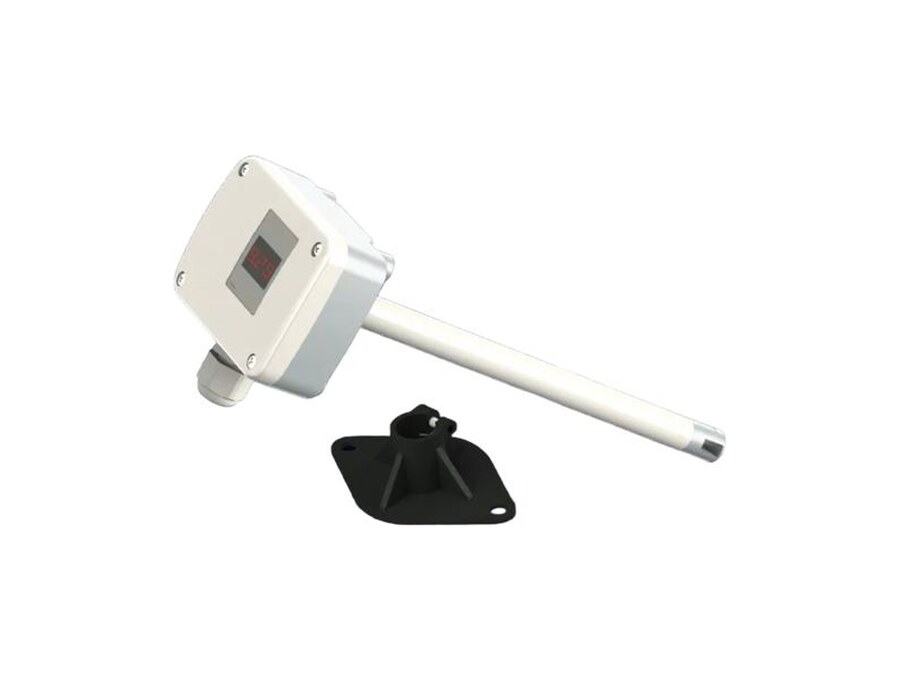   |
- Home
-
Products
- Pig Farming Equipment
- Cattle Farming Equipment
- Sheep & Goat Farming Equipment
- Poultry Farming Equipment
- Feeding & Drinking Systems
- Veterinary & Breeding Equipment
- Testing & Diagnostic Equipment
- Cleaning & Biosecurity Equipment
- Climate Control Equipment
- Livestock Weighing Equipment
- Manure & Waste Management
- Farm Transport & Handling
-
Solutions
- Pig Farm Solutions
- Dairy Farm Solutions
- Beef Cattle Farm Solutions
- Sheep & Goat Farm Solutions
- Layer Farm Solutions
- Broiler Farm Solutions
- Feeding & Drinking System Solutions
- Climate Control Solutions
- Biosecurity & Disinfection Solutions
- Manure & Waste Management
- Smart Farming Solutions
- Farm Renovation and Upgrade Solutions
- Partners
- Projects
- Resources
- News
- About Us
- Contact
Comments & Inquiries
Leave your questions or requirements below. We will reply as soon as possible.