

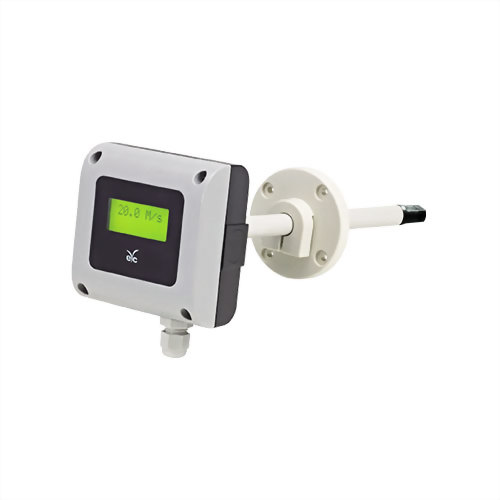
| Product Name | Hot-Wire Low-Speed Anemometer for Livestock Houses |
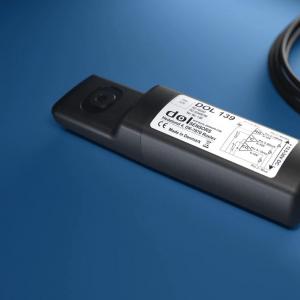
| Product Image |  |
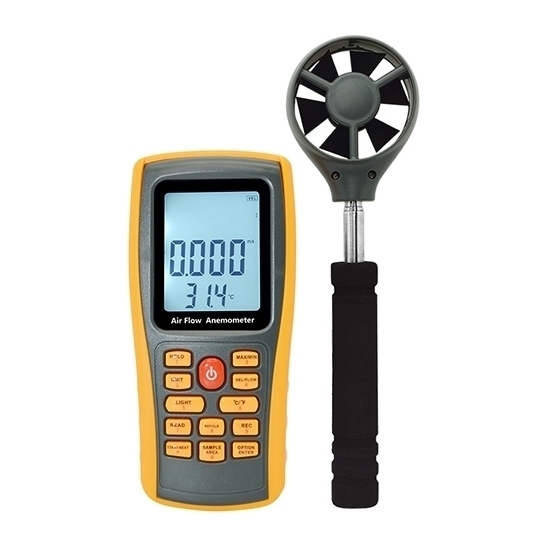
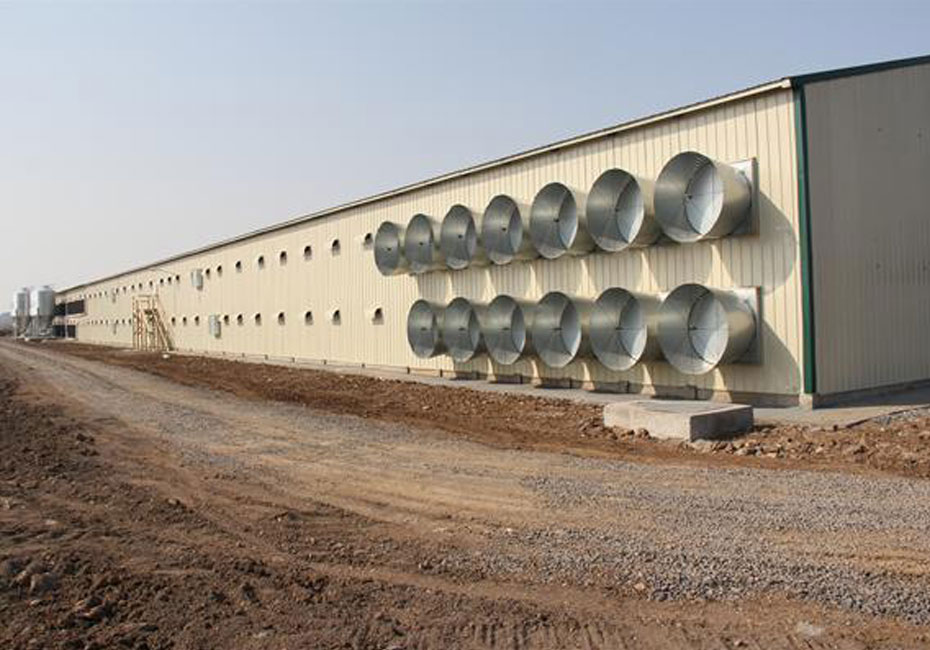
| Product Overview | The Hot-Wire Low-Speed Anemometer for Livestock Houses is a portable airflow measurement instrument developed for ventilation inspection, commissioning and routine environmental management in commercial poultry, pig and cattle facilities. Its thermal sensing principle is particularly suitable for detecting low air movement that may be difficult to evaluate with larger mechanical vane instruments. The slim probe can be positioned near livestock level, air inlets, ventilation ducts, fan openings and other restricted measurement points. For livestock equipment projects, the instrument helps farm operators, ventilation technicians, engineering contractors and equipment distributors evaluate whether fresh air is being distributed effectively throughout the building. It can also support ventilation adjustment in steel structure livestock houses, brooding areas, nursery buildings and mechanically ventilated barns. |
| Key Features | Low-Speed Airflow Detection: Thermal hot-wire sensing is suitable for measuring gentle air movement and identifying low-velocity zones inside animal houses. Slim Measurement Probe: The narrow probe configuration allows measurements close to animals, inside air inlets, near ventilation openings and in confined locations. Portable Farm Inspection: Compact handheld construction is convenient for routine environmental checks throughout large commercial livestock facilities. Multiple Measurement Locations: Suitable for evaluating airflow at livestock level, inlet level, aisle areas, fan zones and ventilation ducts. Ventilation Commissioning Support: Helps technicians compare air distribution at multiple positions when adjusting fans, inlets, curtains and other ventilation equipment. Clear Digital Readout: Selected configurations can provide air velocity, temperature and related measurement functions on an easy-to-read digital display. Flexible Configuration: Probe length, measurement functions, data recording options and accessories can be supplied according to project requirements. |
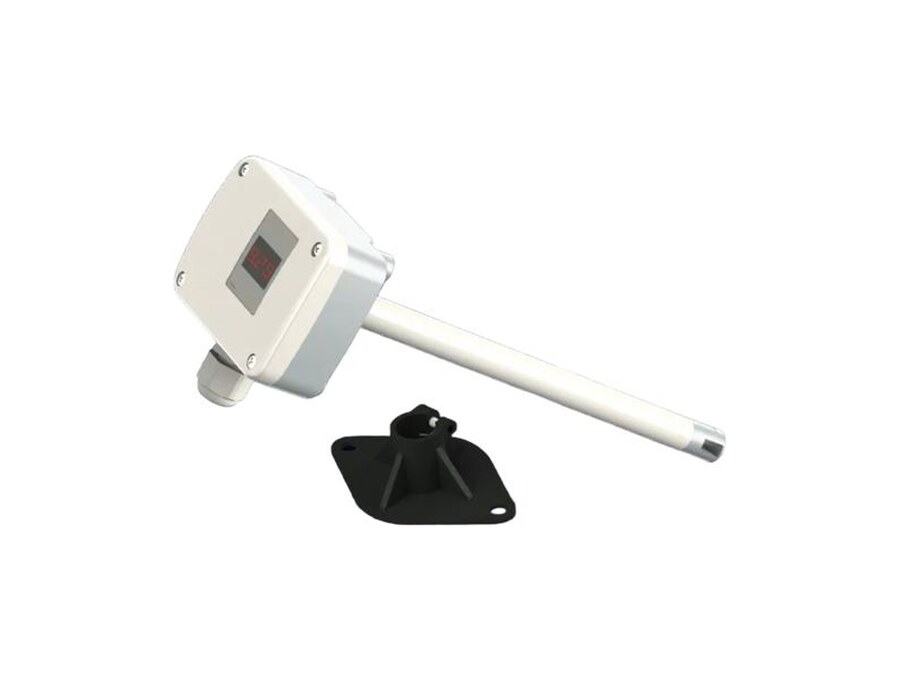
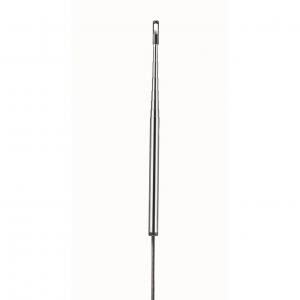
| Structural Components | Handheld Meter: Houses the display, operating controls, signal processing circuit and power supply. Hot-Wire Sensor Head: Sensitive thermal element positioned at the end of the probe for detecting airflow velocity. Temperature Compensation Element: Helps compensate for changes in surrounding air temperature during measurement, depending on the selected sensor configuration. Telescopic or Extended Probe: Allows measurements at elevated inlets, inside ducts or at difficult-to-reach locations. Probe Cable or Integrated Connection: Connects the sensing section to the handheld instrument according to model configuration. Protective Housing: Designed for portable inspection and transportation between livestock buildings. Optional Carrying Accessories: Protective case, extension accessories and data communication components are available upon request. |
| Working Principle / Structural Principle | A hot-wire anemometer uses a small electrically heated sensing element positioned in the airflow. When air passes across the sensor, heat is removed from the element. The instrument detects the resulting change in thermal conditions and converts it into an air velocity reading. Because the thermal element can respond to relatively gentle air movement, this measuring principle is well suited to low-speed ventilation checks in livestock buildings, including minimum ventilation periods, brooding zones and areas where drafts or stagnant air need to be investigated. For representative farm measurements, the probe should be positioned consistently and should not be blocked by the operator, structural members, feeders, partitions or other equipment that may disturb the local airflow. |
| Technical Specifications | Product Type: Portable hot-wire air velocity measuring instrument Primary Measurement: Air velocity Measurement Principle: Thermal hot-wire sensing Application Range: Low-speed and general ventilation airflow measurement Probe Type: Slim thermal probe, telescopic or extended configuration available Air Velocity Range: According to selected model and project requirements Resolution: According to selected sensor configuration Air Temperature Measurement: Available depending on configuration Airflow Volume Calculation: Available on selected configurations Measurement Units: Metric and imperial options available depending on model Display: Digital display Data Hold / Average / Min / Max: Available on selected configurations Data Logging: Optional Communication Interface: Optional, according to selected configuration Probe Length: Customizable / available upon request Power Supply: Battery or other configuration according to selected model Carrying Case: Available upon request Calibration Documentation: Available according to purchasing requirements |
| Applications | Poultry Houses: Bird-level air velocity measurement, minimum ventilation checks, inlet airflow evaluation and tunnel ventilation inspection. Pig Houses: Air movement checks in farrowing rooms, nursery buildings, gestation houses and finishing barns. Cattle Buildings: Ventilation inspection in dairy barns, calf housing, beef cattle sheds and mechanically ventilated livestock buildings. Air Inlet Testing: Verification of air speed and distribution below wall, ceiling or sidewall air inlets. Fan System Evaluation: Spot measurements near ventilation fans and exhaust openings during commissioning and maintenance. Animal-Level Draft Assessment: Measurement close to livestock areas to identify excessive drafts or low-air-movement zones. Steel Structure Livestock Buildings: Ventilation commissioning and air distribution inspection before project handover. HVAC and Environmental Testing: Suitable for ventilation ducts, air outlets and other low-speed indoor airflow measurement tasks. |
| Customization Options | Measurement Range: Selected according to livestock house ventilation requirements. Probe Configuration: Telescopic, extended or specialized probe options available upon request. Measurement Functions: Air velocity, temperature, airflow calculation and additional functions according to selected configuration. Data Recording: Manual memory or data logging options available according to project requirements. Communication: USB or other data connection options may be supplied depending on the selected meter. Accessories: Carrying case, extension accessories and calibration documentation available upon request. Project Matching: Instrument selection can be designed according to local climate, livestock species, ventilation system and farm operating conditions. |
| Installation & Maintenance | The handheld hot-wire anemometer normally requires no permanent installation. Before use, confirm that the probe is clean, undamaged and correctly connected to the meter. For livestock house testing, allow the ventilation system to reach stable operating conditions before recording measurements. Hold or mount the probe at the required location and maintain consistent probe orientation when comparing multiple measurement points. When evaluating animal-level airflow, measurements should be taken at representative positions throughout the livestock area rather than relying on a single location. The hot-wire sensing element is delicate. Avoid contact with solid objects, bedding material, feathers, heavy dust deposits, water spray and aggressive cleaning chemicals. Do not insert the sensor into an operating fan or other moving equipment. After use, retract or protect the probe, clean the instrument carefully and store it in a dry protective case. Periodic calibration is recommended according to the farm quality program, measurement frequency and project requirements. |
| Project Cases | Commercial Broiler House Airflow Mapping: Air velocity measurements can be collected at multiple bird-level positions across the width and length of the house to evaluate tunnel ventilation distribution. Pig Nursery Ventilation Commissioning: Measurements near ceiling or wall inlets can help technicians assess incoming air jets and identify areas with insufficient air movement. Minimum Ventilation Inspection: Low-speed measurements can be used during cool-weather operation when ventilation rates are reduced and precise evaluation of gentle airflow becomes important. Cattle Barn Ventilation Check: Spot measurements can support verification of fan-assisted ventilation and air circulation around resting and feeding areas. Livestock Building Handover: Engineering contractors can use portable airflow measurements as part of ventilation commissioning and operational verification before project delivery. |
| Product FAQ | Q: Why use a hot-wire anemometer in a livestock house? A: Hot-wire instruments are well suited to detecting low air movement, making them useful for checking minimum ventilation, animal-level drafts, air inlets and low-velocity zones. Q: Can it be used in poultry houses? A: Yes. It can be used for bird-level airflow checks, tunnel ventilation evaluation, inlet testing and general ventilation commissioning in broiler, layer and breeder houses. Q: Can it measure airflow near pigs or calves? A: Yes. The slim probe can be positioned at representative animal-level locations, provided it is protected from direct contact with animals, moisture and excessive dust. Q: Is it suitable for measuring ventilation fans? A: It can be used for spot air velocity measurements near fan openings or across selected measurement points. The measurement method should be selected according to the ventilation system and project requirements. Q: Can the measuring range and probe length be customized? A: Yes. Measurement range, probe configuration and accessory options can be selected according to project requirements. Q: Does the sensor require maintenance? A: The thermal sensor should be kept clean and protected from physical impact, water, feathers, bedding material and heavy dust. Periodic calibration is recommended for dependable measurement performance. |
| Product Gallery | 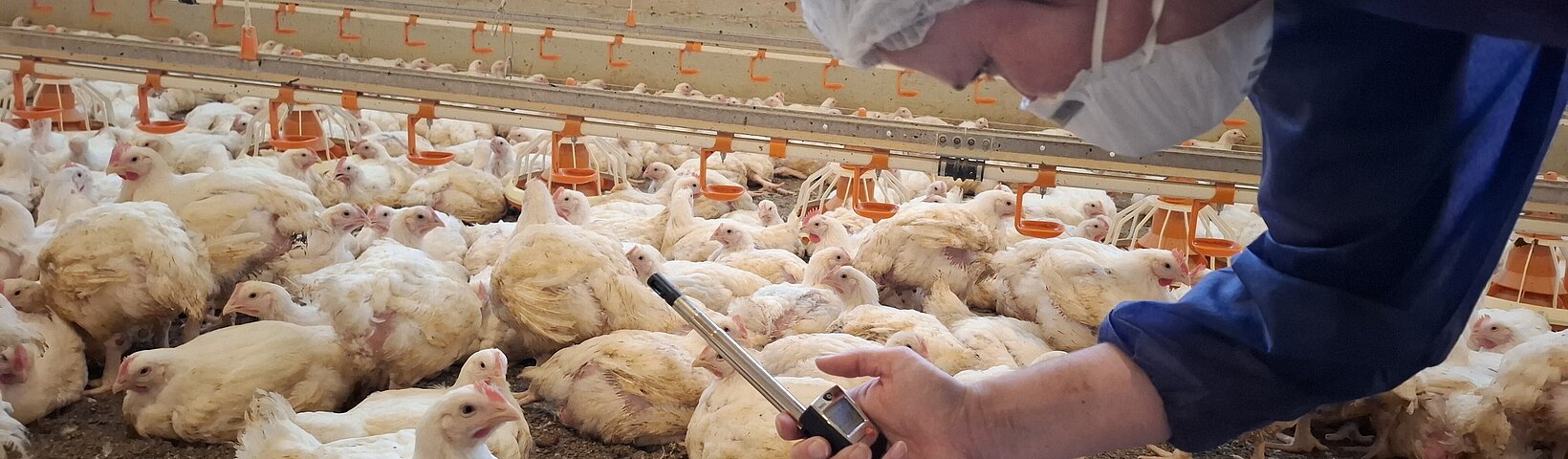 |
- Home
-
Products
- Pig Farming Equipment
- Cattle Farming Equipment
- Sheep & Goat Farming Equipment
- Poultry Farming Equipment
- Feeding & Drinking Systems
- Veterinary & Breeding Equipment
- Testing & Diagnostic Equipment
- Cleaning & Biosecurity Equipment
- Climate Control Equipment
- Livestock Weighing Equipment
- Manure & Waste Management
- Farm Transport & Handling
-
Solutions
- Pig Farm Solutions
- Dairy Farm Solutions
- Beef Cattle Farm Solutions
- Sheep & Goat Farm Solutions
- Layer Farm Solutions
- Broiler Farm Solutions
- Feeding & Drinking System Solutions
- Climate Control Solutions
- Biosecurity & Disinfection Solutions
- Manure & Waste Management
- Smart Farming Solutions
- Farm Renovation and Upgrade Solutions
- Partners
- Projects
- Resources
- News
- About Us
- Contact

Comments & Inquiries
Leave your questions or requirements below. We will reply as soon as possible.