
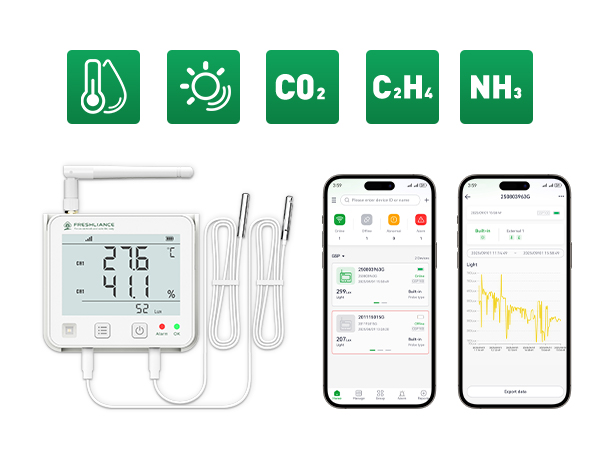


| Product Name | Smart Livestock Multi-Parameter Environmental Monitoring Platform |
| Product Image |  |
| Product Overview | The Smart Livestock Multi-Parameter Environmental Monitoring Platform is an integrated monitoring solution for commercial pig farms, poultry houses, cattle barns and other intensive livestock facilities. It combines environmental sensors, data acquisition equipment, communication gateways and monitoring software to provide centralized visibility of livestock-house climate and air-quality conditions. Depending on project requirements, the platform can monitor temperature, relative humidity, carbon dioxide, ammonia, air velocity, static pressure, light intensity and other environmental parameters. Additional sensing functions such as hydrogen sulfide, particulate matter or equipment operating status can be incorporated when required. Real-time and historical information can be displayed through a local terminal, computer interface or compatible remote management platform. Alarm thresholds can be configured so farm personnel can respond to abnormal environmental conditions or communication faults. The modular architecture is suitable for individual livestock buildings as well as multi-house commercial farms requiring centralized environmental supervision and future system expansion. |
| Key Features | Multi-Parameter Monitoring: Integrates several environmental measurements into one livestock monitoring architecture instead of requiring independent instruments for each parameter. Continuous Data Collection: Sensors continuously provide environmental data for routine supervision, ventilation analysis and farm management. Centralized Dashboard: Environmental information from multiple sensors or livestock buildings can be displayed through a unified monitoring interface according to system configuration. Configurable Alarm Management: High, low or abnormal-condition alarms can be configured according to production requirements and connected platform functions. Historical Data Analysis: Compatible systems can record historical measurements for trend review, environmental comparison and operational analysis. Remote Farm Monitoring: Wired or wireless communication options can support remote data transmission according to the network conditions of the livestock project. Expandable Architecture: Sensor quantity, monitoring parameters, communication interfaces and building zones can be expanded according to project requirements. Livestock Engineering Integration: Suitable for integration with ventilation, heating, cooling, alarm and farm automation systems where compatible control interfaces are provided. |
| Structural Components | Environmental Sensor Network: Includes selected sensors for temperature, humidity, carbon dioxide, ammonia, air velocity, pressure, light or other parameters according to project requirements. Data Acquisition Unit: Collects signals from distributed environmental sensors and organizes measurement data for communication and processing. Communication Gateway: Transfers sensor information between livestock buildings, controllers and local or remote management systems. Monitoring Terminal: Provides local environmental data display, system status information and operating access according to selected configuration. Management Platform: Displays real-time measurements, historical trends, alarms and multi-building information through compatible software or cloud services. Alarm Module: Provides warning functions through compatible local or remote notification equipment when configured thresholds are exceeded. Power and Electrical Protection: Power supplies, control cabinets and electrical protection components are selected according to local electrical standards and project requirements. Mounting Accessories: Sensor brackets, protective housings, wiring accessories and control cabinets are available according to installation conditions. |
| Working Principle / Structural Principle | Environmental sensors are installed at representative positions throughout the livestock building. Each sensor continuously measures its designated parameter and converts the measurement into an electrical or digital signal. The sensor data is transmitted to a data acquisition unit, livestock controller or communication gateway through the selected wired or wireless network. The monitoring platform then organizes the information by house, room, production zone or sensor location. Real-time values can be compared with configured operating thresholds. When an environmental parameter exceeds the selected limit, the compatible alarm system can generate a local or remote warning according to project configuration. Historical measurements can also be stored for trend analysis. Farm managers can use these records to compare environmental conditions between different time periods, buildings or production stages. When integrated with compatible automation equipment, environmental measurements can also provide input information for ventilation, cooling, heating or other climate-management strategies. Final control logic depends on the connected livestock controller and project design. |
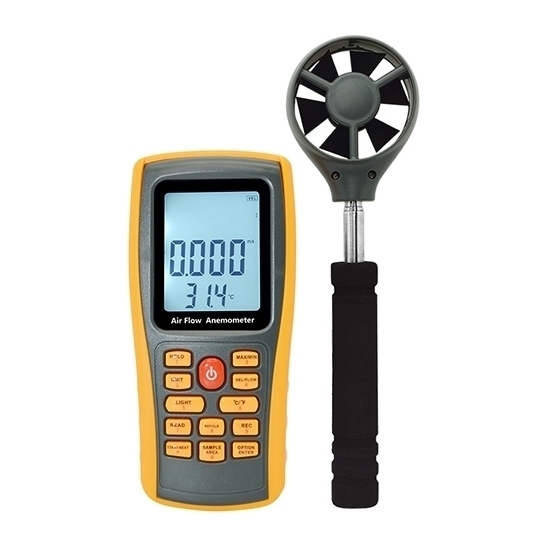
| Technical Specifications | Product Type: Multi-parameter livestock environmental monitoring platform Primary Applications: Pig farms, poultry houses, cattle barns and livestock engineering projects Temperature Monitoring: Available Relative Humidity Monitoring: Available Carbon Dioxide Monitoring: Available Ammonia Monitoring: Available Air Velocity Monitoring: Available upon request Static Pressure Monitoring: Available upon request Hydrogen Sulfide Monitoring: Available upon request Particulate Monitoring: Available upon request Light Monitoring: Available upon request Number of Sensor Points: Customizable Number of Buildings / Zones: According to project requirements Signal Input: Analog or digital according to selected sensors Communication: RS485, Ethernet, Wi-Fi, LoRaWAN, 4G or other compatible options available upon request Communication Protocol: Modbus or other compatible protocol according to project requirements Data Storage: Local or remote storage available according to selected configuration Historical Trend Function: Available according to software configuration Alarm Function: Local and remote alarm options available upon request User Interface: Local display, computer dashboard or remote platform according to project configuration Power Supply: According to selected equipment and local electrical requirements Installation Method: Wall, ceiling, suspended, cabinet or customized installation System Expansion: Customizable Environmental Configuration: Designed according to local climate and farm conditions |
| Applications | Commercial Pig Farms: Environmental monitoring for farrowing, nursery, gestation and growing-finishing buildings. Broiler Houses: Centralized monitoring of temperature, humidity, gas concentration and ventilation-related environmental conditions. Layer and Breeder Farms: Suitable for cage, aviary and floor-rearing livestock buildings requiring continuous climate supervision. Cattle and Dairy Barns: Monitoring of barn climate, humidity and air-quality parameters according to project requirements. Multi-House Farming Complexes: Centralized collection of environmental information from several livestock buildings or production zones. Livestock Ventilation Projects: Supports ventilation commissioning, environmental diagnostics and long-term performance monitoring. Steel Structure Livestock Buildings: Suitable for integration during new building construction together with ventilation, cooling, heating and electrical control systems. Farm Renovation Projects: Existing livestock facilities can be upgraded with additional environmental sensors, communication equipment and centralized monitoring functions. |
| Customization Options | Monitoring Parameters: Customizable according to livestock species, environmental risks and project requirements. Sensor Quantity: Configured according to livestock-house dimensions, production zones and required monitoring density. Sensor Distribution: Designed according to building layout, ventilation structure and animal occupied zones. Communication Method: Wired or wireless solutions available according to farm network conditions. Gateway Configuration: Available according to sensor quantity, communication distance and multi-building requirements. Platform Functions: Real-time dashboards, historical trends, alarms, data export and remote access available according to selected configuration. Multi-Building Integration: Centralized monitoring architecture can be configured for large livestock groups and agricultural production complexes. Control Integration: Interfaces for ventilation or farm automation systems can be supplied according to project requirements. Control Cabinet: Electrical cabinet dimensions and internal components can be customized according to system configuration. Project Engineering: System architecture can be designed according to local climate, farm size, livestock species and management requirements. |
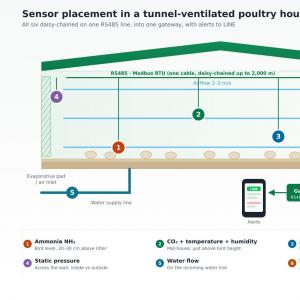
| Installation & Maintenance | Before installation, the livestock building should be reviewed to determine monitoring parameters, sensor quantities, representative sensor positions, communication routes, power supply conditions and control-room locations. Temperature and humidity sensors should be installed where they can represent livestock occupied conditions without direct interference from heaters, cooling equipment, sunlight or water spray. Gas sensors should be positioned according to the gas characteristics, ventilation design and monitoring objective. Air velocity and pressure sensors should be installed according to the airflow measurement requirements of the ventilation system. Multiple measurement points may be required in large or divided livestock buildings. Communication and power cables should be protected from livestock, rodents, moisture, high-pressure cleaning equipment and mechanical damage. Control cabinets and gateways should be installed in accessible locations suitable for maintenance. Sensors should be inspected periodically for dust, feathers, condensation, manure deposits or other contamination. Cleaning and calibration intervals depend on sensor technology, livestock-house conditions and manufacturer recommendations. Communication status, alarm functions, data storage and backup procedures should also be checked periodically to maintain dependable long-term monitoring. |
| Project Cases | Large Pig Production Complex: Multiple environmental sensors can be distributed across farrowing, nursery and finishing buildings and connected to a centralized monitoring platform for farm-wide supervision. Commercial Broiler Project: Temperature, humidity, carbon dioxide and ammonia monitoring can be combined with ventilation-related measurements to provide environmental information throughout the production cycle. Multi-House Poultry Farm: Individual building data can be collected through communication gateways and displayed through a central management interface for comparison between houses. Livestock Farm Upgrade: Existing farms can add environmental sensors and remote monitoring without completely replacing existing mechanical ventilation equipment when suitable communication interfaces are available. New Livestock Engineering Project: Sensor locations, communication networks, control cabinets and monitoring software can be planned together with the ventilation and electrical systems during building design and construction. |
| Product FAQ | Q: Which environmental parameters can the platform monitor? A: Common configurations include temperature, relative humidity, carbon dioxide and ammonia. Air velocity, static pressure, hydrogen sulfide, particulate matter, light and additional parameters are available according to project requirements. Q: Can one platform monitor several livestock buildings? A: Yes. Multi-building and multi-zone configurations can be designed according to sensor quantity, communication distance and farm layout. Q: Does the platform support historical environmental data? A: Historical data storage and trend analysis are available according to the selected controller, gateway and software configuration. Q: Can farm managers receive alarms remotely? A: Remote alarm notifications can be provided through compatible communication equipment and software platforms according to project requirements. Q: Can the system connect to ventilation equipment? A: Environmental data can be integrated with compatible livestock climate controllers and automation systems. Equipment-control capability depends on the selected interfaces and project control logic. Q: Can the platform be installed in an existing farm? A: Yes. Retrofit configurations are available when suitable installation locations, power supplies and communication routes are available. Q: How many sensors are required? A: Sensor quantity depends on building dimensions, internal zoning, livestock type, ventilation layout and monitoring objectives. The configuration should be determined according to project requirements. Q: Is the system suitable for international livestock engineering projects? A: Yes. Sensor selection, communication architecture, power configuration and monitoring functions can be designed according to local climate, electrical standards and farm operating requirements. |
| Product Gallery |   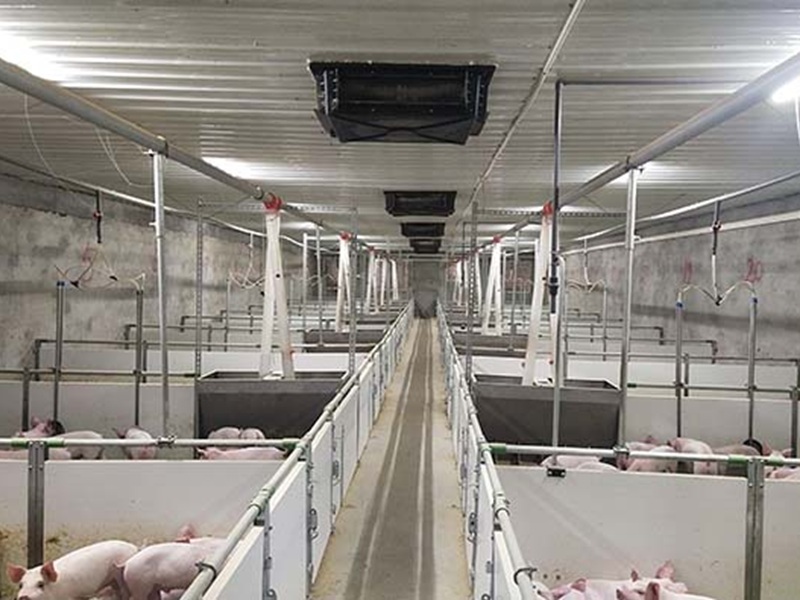  |
- Home
-
Products
- Pig Farming Equipment
- Cattle Farming Equipment
- Sheep & Goat Farming Equipment
- Poultry Farming Equipment
- Feeding & Drinking Systems
- Veterinary & Breeding Equipment
- Testing & Diagnostic Equipment
- Cleaning & Biosecurity Equipment
- Climate Control Equipment
- Livestock Weighing Equipment
- Manure & Waste Management
- Farm Transport & Handling
-
Solutions
- Pig Farm Solutions
- Dairy Farm Solutions
- Beef Cattle Farm Solutions
- Sheep & Goat Farm Solutions
- Layer Farm Solutions
- Broiler Farm Solutions
- Feeding & Drinking System Solutions
- Climate Control Solutions
- Biosecurity & Disinfection Solutions
- Manure & Waste Management
- Smart Farming Solutions
- Farm Renovation and Upgrade Solutions
- Partners
- Projects
- Resources
- News
- About Us
- Contact

Comments & Inquiries
Leave your questions or requirements below. We will reply as soon as possible.