


| Product Name | Pig Farm Multi-Parameter Environmental Monitoring System |
| Product Image |  |
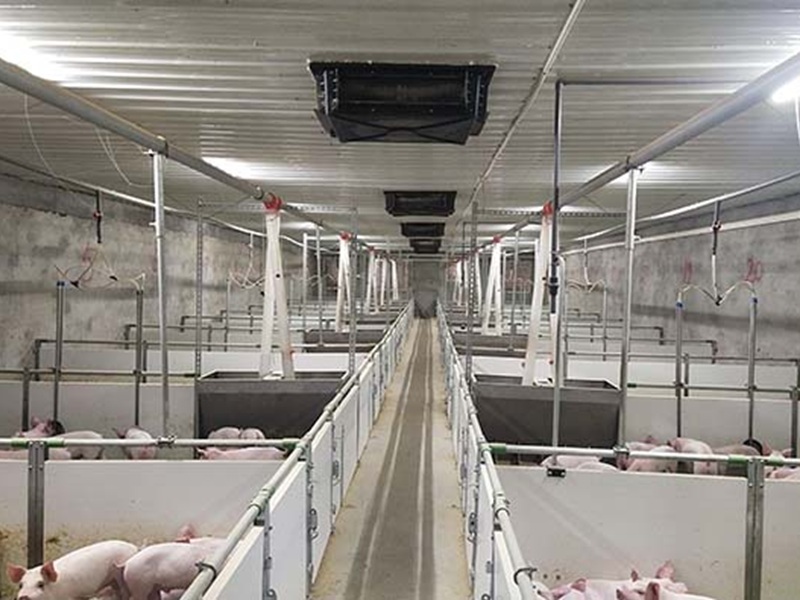
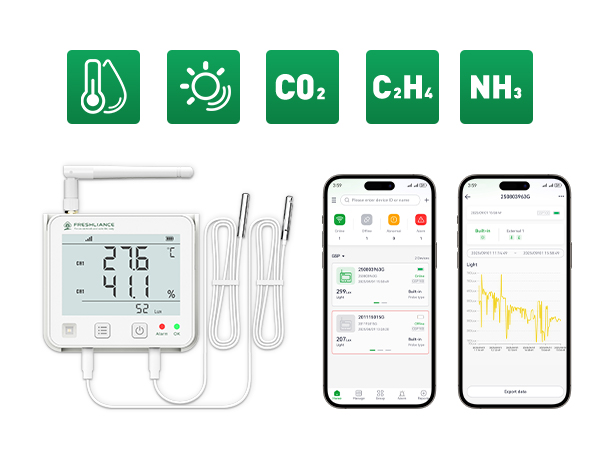
| Product Overview | The Pig Farm Multi-Parameter Environmental Monitoring System is designed for continuous environmental data collection in commercial pig houses, breeding farms, farrowing units, nursery buildings, finishing houses and integrated livestock projects. The system combines multiple environmental sensors, data acquisition equipment and communication modules to monitor important pig-house conditions from one centralized architecture. Typical monitoring parameters include temperature, relative humidity, ammonia and carbon dioxide, while additional parameters can be incorporated according to project requirements. Multiple sensor nodes can be distributed throughout a livestock building to provide more representative environmental information than a single measurement point. Data can be transferred to a local controller, PLC, monitoring terminal, gateway or remote farm-management platform for visualization, alarms, historical records and ventilation-management support. The modular design makes the system suitable for new pig farm construction, steel structure livestock buildings, environmental-control upgrades and large agricultural engineering projects requiring scalable monitoring infrastructure. |
| Key Features | Multi-Parameter Monitoring: Integrates several environmental measurements into one pig-house monitoring system. Continuous Data Collection: Provides ongoing environmental measurements for daily farm management and ventilation evaluation. Multiple Sensor Points: Sensors can be distributed across different pens, production zones or livestock houses according to project requirements. Centralized Monitoring: Environmental data from multiple devices can be collected through a compatible controller, gateway or monitoring platform. Alarm Support: Compatible systems can generate warnings when monitored parameters exceed configured limits. Ventilation Integration: Environmental information can support operation of fans, air inlets, cooling systems and heating equipment through a compatible livestock climate controller. Remote Monitoring: Wired or wireless communication options can be configured for local or remote farm management. Historical Data: Data storage and trend-analysis functions are available according to project requirements. Expandable Architecture: Additional livestock houses, sensors and environmental parameters can be added as farm monitoring requirements expand. Commercial Farm Design: Suitable for intensive pig production, agricultural engineering contractors, livestock equipment distributors and large farming groups. |
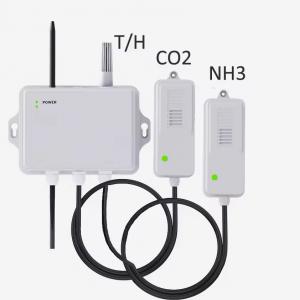
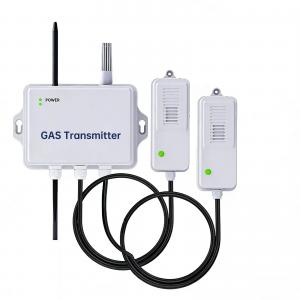
| Structural Components | Temperature Sensors: Monitor indoor thermal conditions in selected pig-house zones. Relative Humidity Sensors: Measure moisture conditions that influence livestock-house climate management. Ammonia Sensors: Provide continuous NH3 concentration monitoring in animal occupied areas and other selected locations. Carbon Dioxide Sensors: Monitor CO2 concentration as part of ventilation and indoor air-quality assessment. Optional Gas Sensors: Hydrogen sulfide, methane, carbon monoxide or other sensing options can be supplied according to project requirements. Optional Particulate Sensors: Dust or particulate monitoring can be integrated where required. Data Acquisition Module: Collects measurement signals from distributed sensors and prepares the information for transmission or processing. Communication Gateway: Transfers monitoring information to local software, cloud platforms or centralized farm-management systems according to the selected configuration. Central Monitoring Unit: Displays, records or processes environmental data according to system configuration. Protective Enclosures and Mounting Accessories: Brackets, housings, cables and installation accessories are configured according to livestock-house conditions. |
| Working Principle / Structural Principle | Environmental sensors are installed at representative positions inside the pig house. Each sensing module continuously measures its designated parameter and converts the measurement into an electrical or digital signal. The sensor signals are transmitted through a wired or wireless communication network to a data acquisition unit, livestock climate controller, PLC, gateway or centralized monitoring platform. The monitoring platform organizes individual measurements into a unified environmental overview. Operators can compare readings between pens, production zones or livestock houses and review current values, alarm conditions and historical trends. Where a compatible automation system is installed, environmental information can also be supplied to the livestock climate controller. The controller can use configured control logic to operate ventilation fans, air inlets, heating equipment, cooling pads or other environmental-control equipment. The monitoring system therefore functions as the environmental sensing and information layer of the pig farm, while final equipment control depends on the connected controller and project configuration. |
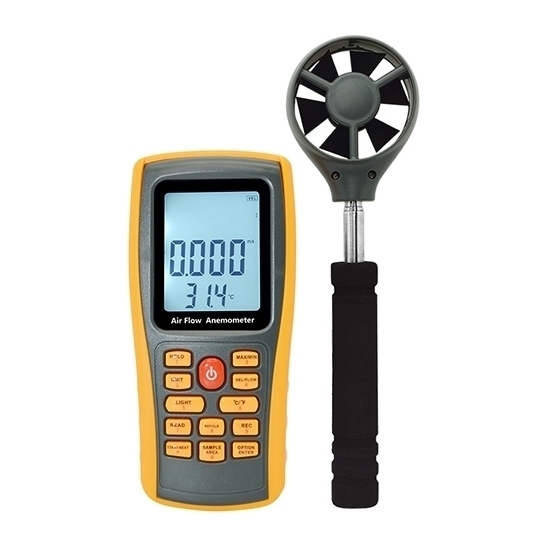
| Technical Specifications | Product Type: Multi-parameter pig farm environmental monitoring system Primary Parameters: Temperature, relative humidity, ammonia and carbon dioxide Optional Parameters: H2S, CH4, CO, particulate matter, light, air velocity or other parameters available upon request Number of Monitoring Points: Customizable Sensor Quantity: According to project requirements Temperature Measurement Range: According to selected sensor Humidity Measurement Range: According to selected sensor NH3 Measurement Range: According to selected sensor CO2 Measurement Range: According to selected sensor Measurement Accuracy: According to selected sensor configuration Signal Output: Analog or digital options available upon request Communication: RS485 / Modbus or other compatible communication available according to project requirements Wireless Communication: Wi-Fi, LoRaWAN, 4G or other options available according to selected system configuration Monitoring Mode: Continuous online monitoring Data Logging: Available upon request Alarm Function: Available through compatible controller or monitoring platform Remote Monitoring: Available according to project requirements Controller Integration: Available upon request Power Supply: According to selected system configuration Installation Method: Wall-mounted, suspended, bracket-mounted or customized installation System Capacity: Customizable Project Configuration: Designed according to local climate and farm conditions |
| Applications | Farrowing Houses: Monitoring temperature, humidity and air-quality conditions around sow and piglet production areas. Pig Nursery Houses: Continuous environmental monitoring for young pigs requiring stable housing conditions and controlled ventilation. Gestation Houses: Multi-point climate and gas monitoring for commercial sow facilities. Breeding Units: Centralized environmental monitoring for breeding and replacement stock buildings. Finishing Pig Houses: Monitoring environmental conditions under minimum, transitional and warm-weather ventilation modes. Multi-House Pig Farms: Centralized collection of environmental data from several livestock buildings. Steel Structure Pig Buildings: Integration with new livestock construction projects incorporating ventilation, cooling and automatic environmental controls. Smart Pig Farms: Suitable for IoT monitoring, centralized dashboards, remote data access and farm automation projects. Farm Renovation Projects: Existing pig houses can be equipped with additional sensors, gateways and environmental monitoring functions according to site conditions. |
| Customization Options | Monitoring Parameters: Customizable according to pig-house environmental management requirements. Sensor Quantity: Selected according to building size, pen arrangement and monitoring objectives. Sensor Locations: Designed according to ventilation layout, animal production zones and project requirements. Gas Detection: NH3, CO2, H2S, CH4, CO or other gas monitoring options available upon request. Particulate Monitoring: PM or dust monitoring options available upon request. Communication Method: Wired or wireless architecture available according to site conditions. RS485 / Modbus Integration: Available according to controller and platform requirements. IoT Gateway: Wi-Fi, LoRaWAN, 4G or other gateway configurations available upon request. Central Monitoring Platform: Local or remote monitoring configuration available according to project requirements. Alarm Functions: Audible, visual or remote notification functions available through compatible systems. Ventilation Integration: Interfaces for fans, air inlets, cooling pads and other environmental-control equipment can be configured according to project requirements. OEM / Project Configuration: Available for livestock equipment distributors, engineering contractors and commercial farm projects. |
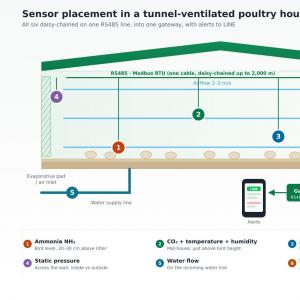
| Installation & Maintenance | Before installation, review the pig-house dimensions, ventilation direction, pen arrangement, livestock age groups and existing environmental-control equipment. Monitoring points should represent normal animal-zone conditions rather than unusual local conditions. Temperature, humidity and gas sensors should be installed where air can circulate freely around the sensing area. Avoid positions directly beside fresh-air inlets, exhaust fans, heaters, cooling-pad discharge areas or other equipment that can produce locally unrepresentative measurements unless those locations are specifically being monitored. Large pig buildings may require multiple sensing points because temperature, humidity and gas concentrations can vary between different sections of the house. Sensor cables and communication lines should be protected from pigs, rodents, pressure washing, manure-handling equipment and mechanical damage. Junction boxes and controllers should be installed where routine inspection and servicing can be performed safely. Dust, manure aerosols and other deposits should be removed periodically from sensor housings and ventilation openings. Sensitive gas sensors should be cleaned only according to the applicable sensor maintenance procedure. Periodic calibration or functional verification is recommended according to the sensor technology, monitoring requirements and farm maintenance program. Replace consumable sensing elements when required by the selected sensor specification. |
| Project Cases | Commercial Farrow-to-Finish Farm: Environmental sensor nodes can be installed in farrowing, nursery, gestation and finishing buildings and connected to one centralized monitoring platform. Large Finishing Pig House: Several monitoring points can be distributed along the building to compare temperature, humidity, NH3 and CO2 conditions between different ventilation zones. New Steel Structure Pig Farm: The monitoring network can be included during electrical and ventilation-system design, allowing sensor wiring, controllers and gateways to be incorporated into the original construction plan. Smart Farm Upgrade: Existing standalone sensors can be replaced or supplemented with networked monitoring devices to provide historical data, remote access and centralized alarm management. Multi-Site Farming Group: Compatible communication gateways can transfer environmental information from several pig farms to a centralized management platform according to project requirements. |
| Product FAQ | Q: Which environmental parameters can the system monitor? A: Typical configurations monitor temperature, humidity, ammonia and carbon dioxide. Additional parameters can be added according to project requirements. Q: Can multiple sensors be installed in one pig house? A: Yes. Multiple monitoring points are recommended for large buildings or houses with different ventilation and production zones. Q: Can the system monitor several pig houses? A: Yes. A centralized architecture can collect environmental data from multiple buildings according to the controller, gateway and network configuration. Q: Does the system support RS485 communication? A: RS485 / Modbus configurations are available according to the selected sensors and project requirements. Q: Can wireless communication be used? A: Yes. Wi-Fi, LoRaWAN, 4G or other wireless options can be configured depending on farm layout and communication requirements. Q: Can environmental data be viewed remotely? A: Remote monitoring can be provided through a compatible gateway, server or farm-management platform. Q: Can the monitoring system control ventilation fans automatically? A: Environmental measurements can be supplied to a compatible livestock climate controller. Automatic fan or inlet control depends on the selected controller and programmed control logic. Q: Can alarm thresholds be configured? A: Alarm functions and threshold settings can be provided through compatible controllers or monitoring software according to project requirements. Q: How many sensors are required for a commercial pig house? A: The final quantity depends on building dimensions, ventilation layout, pen arrangement, livestock stage and required monitoring coverage. Q: Can the system be customized for an existing farm? A: Yes. Sensor types, communication methods, installation structures and monitoring functions can be configured according to the existing farm infrastructure. |
| Product Gallery |  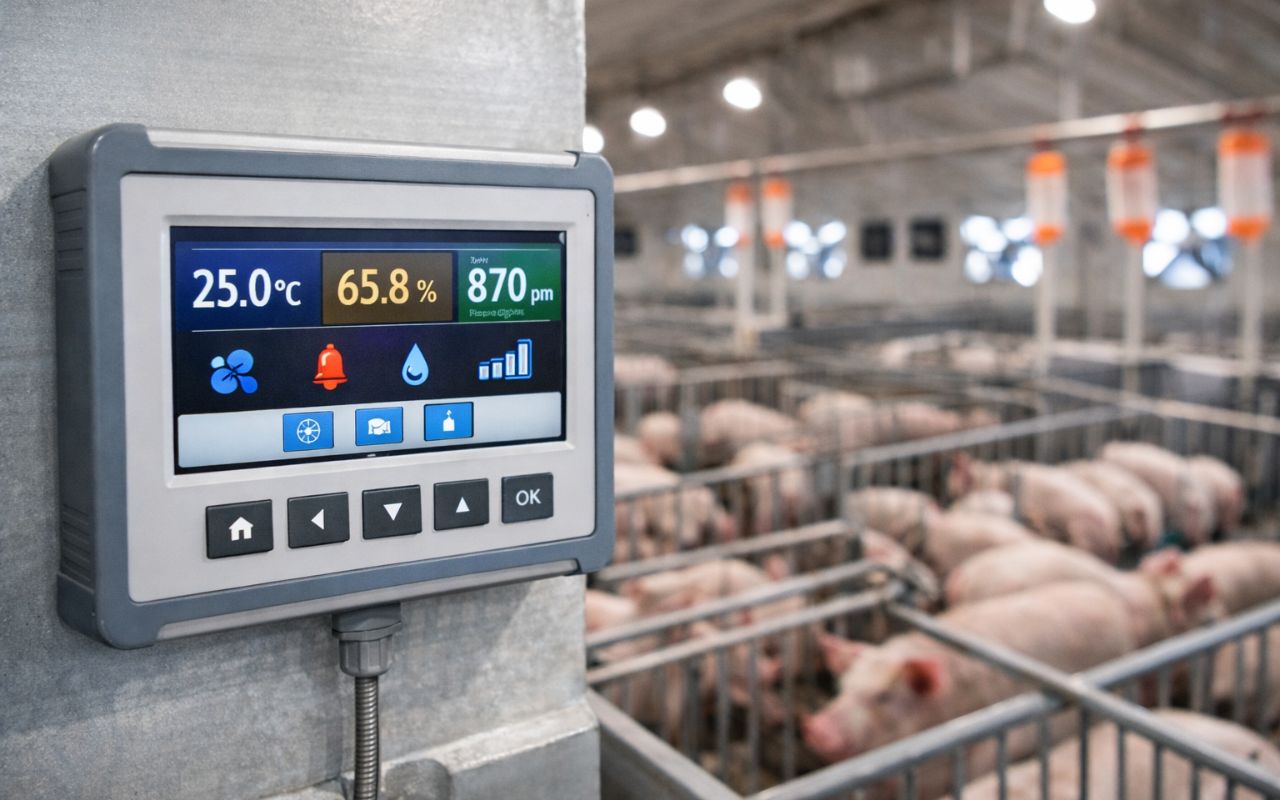  |
- Home
-
Products
- Pig Farming Equipment
- Cattle Farming Equipment
- Sheep & Goat Farming Equipment
- Poultry Farming Equipment
- Feeding & Drinking Systems
- Veterinary & Breeding Equipment
- Testing & Diagnostic Equipment
- Cleaning & Biosecurity Equipment
- Climate Control Equipment
- Livestock Weighing Equipment
- Manure & Waste Management
- Farm Transport & Handling
-
Solutions
- Pig Farm Solutions
- Dairy Farm Solutions
- Beef Cattle Farm Solutions
- Sheep & Goat Farm Solutions
- Layer Farm Solutions
- Broiler Farm Solutions
- Feeding & Drinking System Solutions
- Climate Control Solutions
- Biosecurity & Disinfection Solutions
- Manure & Waste Management
- Smart Farming Solutions
- Farm Renovation and Upgrade Solutions
- Partners
- Projects
- Resources
- News
- About Us
- Contact

Comments & Inquiries
Leave your questions or requirements below. We will reply as soon as possible.