

| Product Name | Poultry House Multi-Parameter Environmental Monitoring and Control System |
| Product Image |  |
| Product Overview | The Poultry House Multi-Parameter Environmental Monitoring and Control System is an integrated climate-management solution developed for commercial broiler, layer, breeder and other controlled poultry facilities. The system combines environmental sensors, a central controller, control outputs, alarm functions and optional remote communication to continuously monitor poultry-house conditions and coordinate ventilation and climate equipment. Typical monitoring parameters can include indoor and outdoor temperature, relative humidity, static pressure, carbon dioxide and ammonia according to the selected system configuration. Additional environmental or production inputs can be incorporated according to project requirements. Based on measured conditions and programmed settings, the controller can coordinate ventilation fans, air inlets, tunnel dampers, heating equipment, evaporative cooling, fogging, lighting and other connected farm systems. The system is suitable for new poultry-house construction, environmental-control upgrades, steel structure farm projects and centralized management of commercial poultry facilities. |
| Key Features | Multi-Parameter Environmental Monitoring: Supports simultaneous monitoring of key poultry-house climate parameters according to the selected sensor configuration. Automatic Ventilation Control: Coordinates minimum, transitional or tunnel ventilation equipment according to programmed climate strategies and project design. Static Pressure Management: Compatible pressure sensing can support coordinated control of fans, air inlets, curtains or dampers in negative-pressure poultry houses. Temperature and Humidity Management: Provides continuous environmental information for ventilation, heating and cooling decisions. Air Quality Monitoring: CO2 and NH3 measurement options are available for poultry-house air quality monitoring and ventilation management. Heating and Cooling Integration: Can interface with heaters, cooling pads, pumps, fogging equipment and related environmental-control devices. Alarm Management: Compatible configurations can provide alarms for abnormal temperature, pressure, humidity, power or other monitored conditions. Remote Farm Management: Computer, network or mobile monitoring functions are available according to the selected communication configuration. Expandable Project Design: Sensor quantities, controller capacity, communication architecture and control outputs can be configured according to commercial farm requirements. |
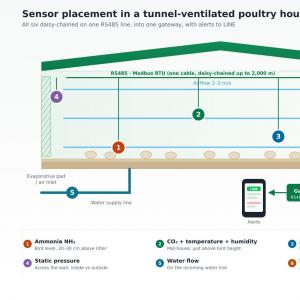
| Structural Components | Central Climate Controller: Processes sensor information, operating schedules, setpoints and environmental-control logic. Indoor Temperature Sensors: Installed at representative poultry-level locations to monitor temperature distribution inside the house. Outdoor Temperature Sensor: Provides external climate information for compatible ventilation-control strategies. Humidity Sensor: Measures relative humidity for moisture and ventilation management. Static Pressure Sensor: Monitors pressure difference for coordinated fan and inlet operation. CO2 Sensor: Available for monitoring carbon dioxide concentration and supporting air-quality-based ventilation strategies. NH3 Sensor: Available for ammonia monitoring in intensive poultry production environments. Control Panel: Houses switching, protection, relays, communication components and interfaces for connected equipment. Communication Module: Provides controller-to-computer, network or remote monitoring connectivity according to project requirements. Alarm System: Generates visual, audible or remote notifications according to the selected configuration. |
| Working Principle / Structural Principle | Environmental sensors are distributed at representative locations inside and outside the poultry house. These sensors continuously transmit temperature, humidity, pressure, gas concentration and other selected measurements to the central climate controller. The controller compares real-time sensor values with programmed environmental targets, production schedules and ventilation settings. Based on this information, it can send control signals to compatible fans, air inlets, heating equipment, cooling systems, pumps, curtains, dampers or lighting equipment. During minimum ventilation, the control system can coordinate timed or demand-based fan operation while maintaining suitable inlet opening and static pressure. As ventilation demand increases, additional fan groups and cooling equipment can be activated according to the configured operating sequence. When abnormal environmental or electrical conditions are detected, the alarm system can generate local or remote notifications depending on the selected project configuration. Historical data, operating status and environmental trends can also be transferred to compatible farm management or remote monitoring systems when communication functions are included. |
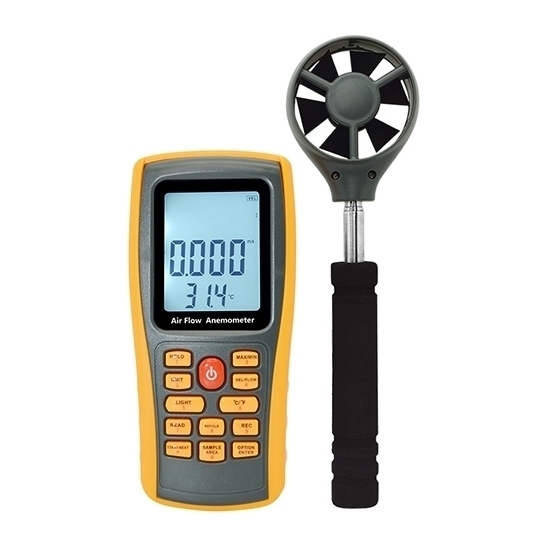
| Technical Specifications | Product Type: Poultry-house multi-parameter environmental monitoring and control system Primary Application: Broiler, layer, breeder and other commercial poultry houses Indoor Temperature Monitoring: Available according to project requirements Outdoor Temperature Monitoring: Available upon request Relative Humidity Monitoring: Available Static Pressure Monitoring: Available CO2 Monitoring: Available upon request NH3 Monitoring: Available upon request Additional Sensors: Customizable according to project requirements Ventilation Fan Control: Customizable Air Inlet / Damper Control: Available according to ventilation design Heating Control: Available according to project requirements Cooling Pad Control: Available according to project requirements Fogging / Pump Control: Available upon request Lighting Control: Available upon request Water Consumption Monitoring: Available with compatible metering equipment Local Display: Available according to controller configuration Remote Monitoring: Available upon request Data Recording: Available according to selected controller and communication system Alarm Functions: Configurable according to monitored parameters and project requirements Power Supply: According to local electrical standards and project requirements Control Cabinet: Customizable according to equipment quantity and electrical design System Configuration: Designed according to local climate and farm conditions |
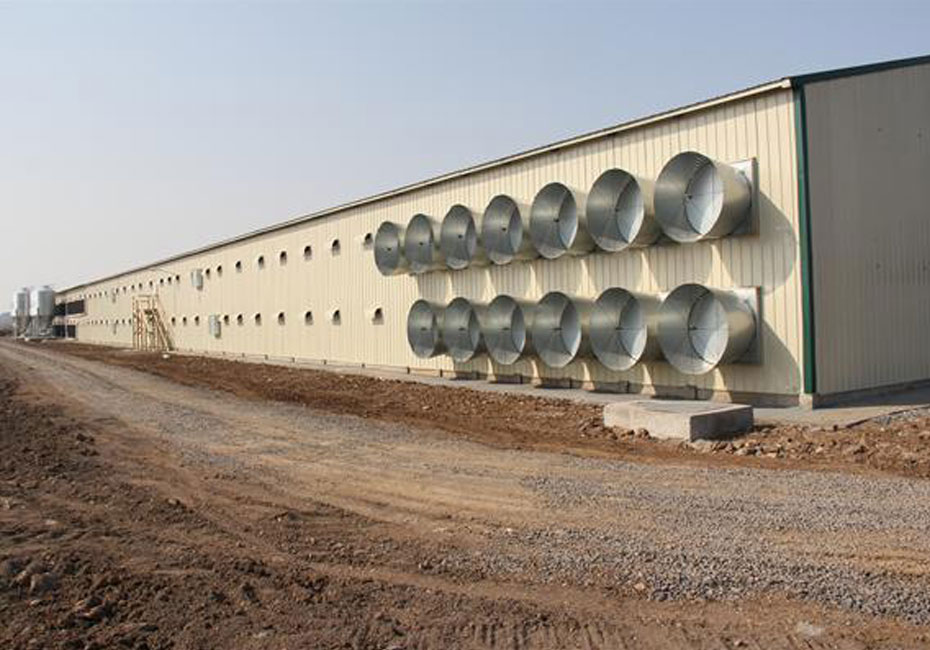
| Applications | Commercial Broiler Houses: Integrated monitoring and automatic management of ventilation, heating, cooling and poultry-house air quality. Layer Houses: Suitable for controlled-environment cage, aviary and floor-production buildings. Breeder Houses: Climate monitoring and equipment control for breeder production projects. Brooding Areas: Supports precise temperature, humidity and minimum-ventilation management during early production stages. Tunnel-Ventilated Houses: Coordinates tunnel fans, air inlets, cooling pads and environmental sensors according to project design. Negative-Pressure Ventilation: Static pressure monitoring can be incorporated into automatic inlet and fan control strategies. Multi-House Poultry Farms: Individual poultry-house controllers can be integrated into centralized farm monitoring systems according to project requirements. Steel Structure Poultry Projects: Suitable for new-build poultry farms requiring integrated environmental control together with feeding, drinking, ventilation, cooling and heating equipment. Farm Renovation Projects: Can be configured for modernization of existing poultry-house environmental control systems. |
| Customization Options | Sensor Quantity: Customizable according to poultry-house size and monitoring requirements. Monitored Parameters: Temperature, humidity, static pressure, CO2, NH3 and additional parameters available according to project requirements. Controller Capacity: Selected according to the number of sensors, ventilation stages and connected equipment. Ventilation Strategy: Configurable for minimum, transitional, tunnel or combined ventilation systems. Control Outputs: Fan, heating, cooling, inlet, curtain, damper, lighting and auxiliary equipment outputs can be configured according to project requirements. Control Cabinet: Electrical cabinet size, protection components and internal layout can be customized. Remote Communication: Computer, network, gateway or remote access solutions available upon request. Alarm Configuration: Alarm limits and notification functions can be selected according to farm-management requirements. Production Integration: Water metering, feed weighing, silo weighing or livestock weighing interfaces can be incorporated where required. Project Engineering: Designed according to local climate, building dimensions, poultry type, stocking system and farm operating requirements. |
| Installation & Maintenance | The central controller and electrical control cabinet should be installed in a dry, accessible service area protected from direct livestock contact, excessive moisture and aggressive cleaning operations. Indoor climate sensors should be installed at representative poultry-level locations and should not be positioned directly beside heaters, cooling pads, doors or other local influences unless those locations are specifically being monitored. Static pressure sensing tubes and sensors should be installed according to the ventilation design and protected against blockage, mechanical damage and water accumulation. Gas sensors should be installed according to the measurement objective, sensor manufacturer's recommendations and poultry-house airflow conditions. Power and control wiring should be separated where required and protected against rodents, moisture, high-pressure washing and mechanical damage. Electrical installation should comply with local regulations. Sensors should be inspected and cleaned periodically because dust, feathers, moisture and other poultry-house contaminants may affect measurement performance. Calibration intervals should follow the selected sensor requirements and farm maintenance program. Alarm functions, emergency ventilation interfaces, fans, heaters, cooling pumps and actuator outputs should be tested regularly to confirm correct operation. |
| Project Cases | Typical Broiler House Environmental Control Project: Temperature, humidity and static pressure sensors can be connected to a central controller that coordinates minimum ventilation, tunnel ventilation, heating and evaporative cooling according to production-stage requirements. Typical Hot-Climate Poultry Project: Ventilation fans, tunnel inlets and cooling-pad pumps can be integrated with environmental monitoring to support automatic summer climate management. Typical Cold-Climate Poultry Project: Temperature, humidity and air-quality monitoring can support coordinated minimum ventilation and heating while reducing unnecessary heat loss. Typical Air Quality Monitoring Project: CO2 and NH3 sensors can be incorporated into the environmental monitoring architecture to provide additional information for ventilation management and farm supervision. Typical Multi-House Farm Project: Multiple poultry-house control systems can be connected to compatible remote monitoring infrastructure, allowing operators to review alarms and operating data from a centralized location. |
| Product FAQ | Q: Which environmental parameters can the system monitor? A: Typical configurations can monitor temperature, humidity and static pressure, while CO2, NH3 and additional environmental parameters are available according to project requirements. Q: Can the system automatically control poultry-house ventilation? A: Yes. Compatible configurations can coordinate ventilation fans, air inlets, dampers or curtains according to environmental measurements and programmed control logic. Q: Can heating and cooling equipment be connected? A: Yes. Heater control, evaporative cooling, pumps and fogging functions can be incorporated according to the farm design. Q: Can CO2 be used for ventilation management? A: Compatible CO2 sensing can provide air-quality information that can be incorporated into minimum-ventilation strategies when supported by the selected controller. Q: Can ammonia be monitored? A: Yes. NH3 monitoring is available upon request with a suitable livestock-house ammonia sensor. Q: Can the system provide remote monitoring? A: Yes. Computer, network or remote monitoring functions can be configured according to the selected controller and communication architecture. Q: Can one system control several poultry houses? A: Each house may use an individual controller, while compatible communication systems can provide centralized monitoring of multiple houses according to project requirements. Q: Can the control system be customized for an existing farm? A: Yes. Sensor quantities, control outputs, communication functions and electrical panels can be configured according to the existing equipment and renovation requirements. Q: Is the system suitable for turnkey poultry projects? A: Yes. It can be incorporated into complete poultry-farm engineering projects together with ventilation, heating, cooling, feeding, drinking and other livestock equipment. |
| Product Gallery |  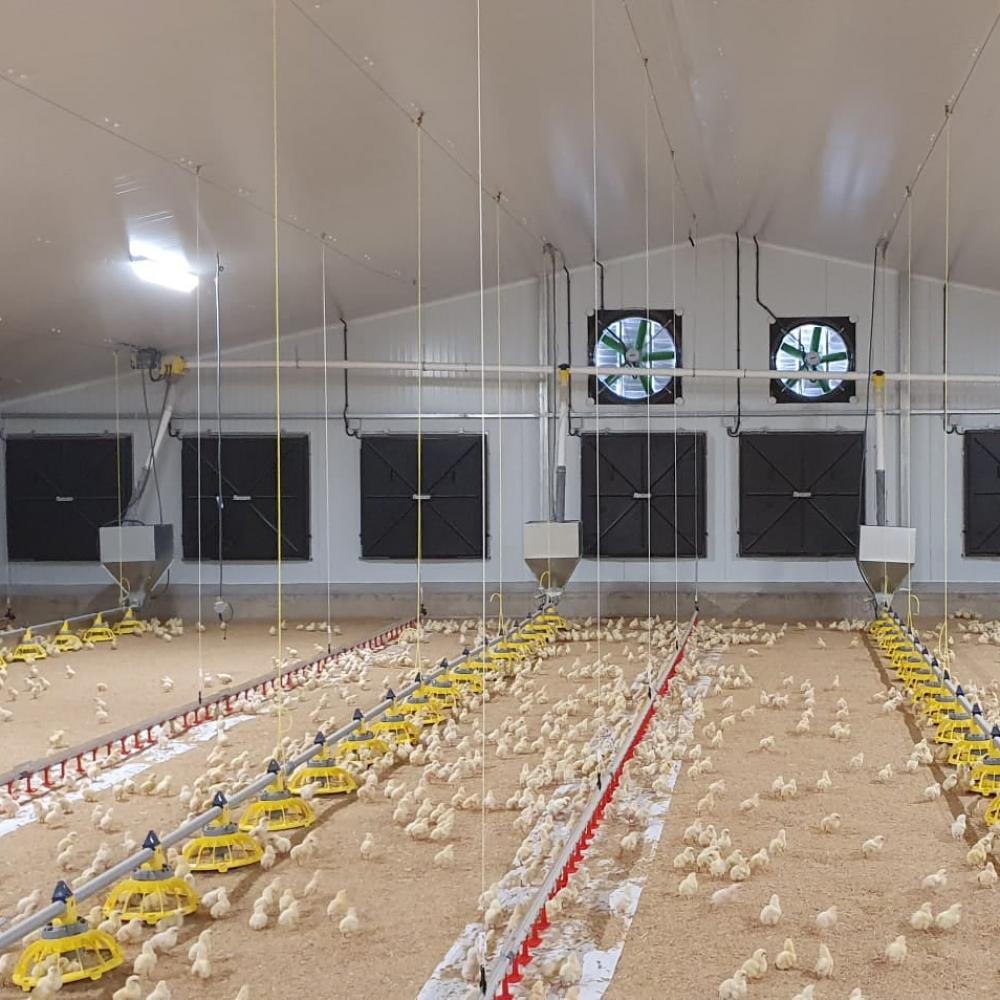  |
- Home
-
Products
- Pig Farming Equipment
- Cattle Farming Equipment
- Sheep & Goat Farming Equipment
- Poultry Farming Equipment
- Feeding & Drinking Systems
- Veterinary & Breeding Equipment
- Testing & Diagnostic Equipment
- Cleaning & Biosecurity Equipment
- Climate Control Equipment
- Livestock Weighing Equipment
- Manure & Waste Management
- Farm Transport & Handling
-
Solutions
- Pig Farm Solutions
- Dairy Farm Solutions
- Beef Cattle Farm Solutions
- Sheep & Goat Farm Solutions
- Layer Farm Solutions
- Broiler Farm Solutions
- Feeding & Drinking System Solutions
- Climate Control Solutions
- Biosecurity & Disinfection Solutions
- Manure & Waste Management
- Smart Farming Solutions
- Farm Renovation and Upgrade Solutions
- Partners
- Projects
- Resources
- News
- About Us
- Contact

Comments & Inquiries
Leave your questions or requirements below. We will reply as soon as possible.