
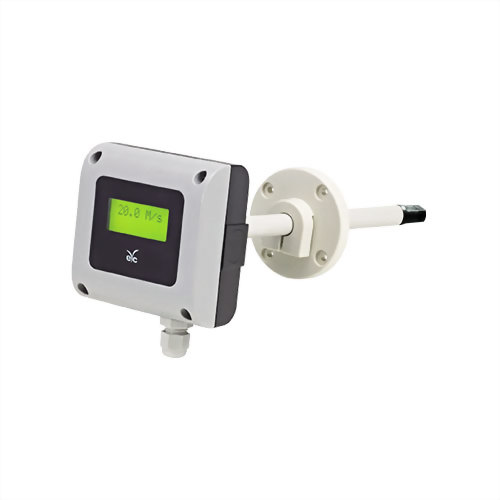
| Product Name | Poultry House Bird-Level Air Velocity Sensor | ||||||||||||||||||||||||||||
| Product Image | 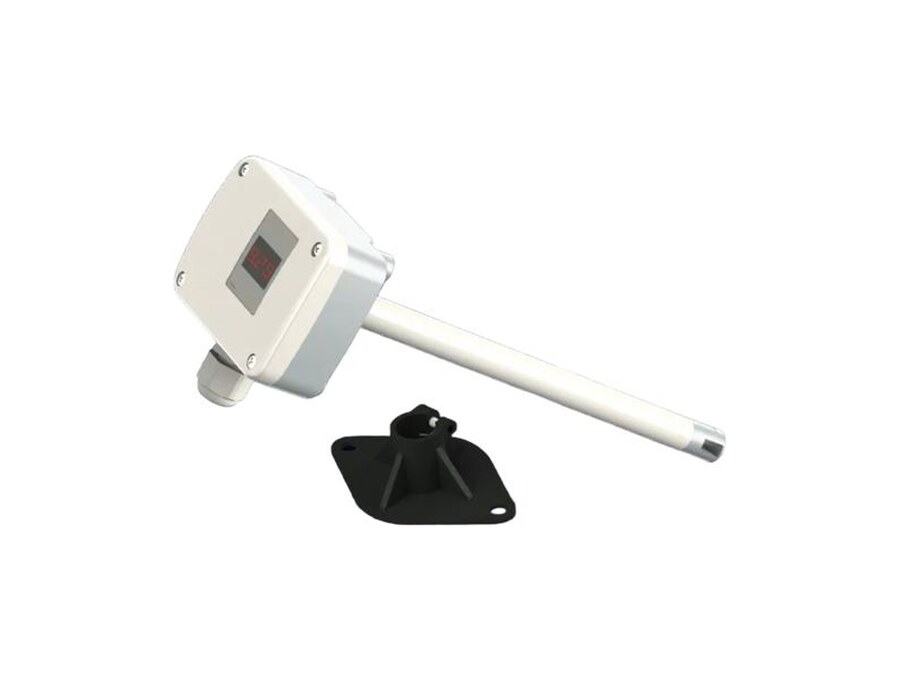 |
||||||||||||||||||||||||||||
| Product Overview | The Poultry House Bird-Level Air Velocity Sensor is designed to measure actual air movement in the occupied zone of broiler, layer, breeder, and pullet houses. Unlike calculated airflow based only on fan capacity and building cross-sectional area, bird-level measurement provides direct information about the air speed experienced by the flock. The sensor uses thermal hot-film measurement technology and can be installed at representative locations within tunnel-ventilated poultry buildings. Real-time air velocity data can be transmitted to environmental controllers, PLC systems, SCADA platforms, or farm monitoring systems for ventilation assessment, cooling optimization, and performance analysis. Bird-level airflow monitoring is especially useful in long tunnel houses because uneven air velocity can create low-flow areas, excessive drafts, inconsistent cooling, flock crowding, and uneven environmental conditions along the building. :contentReference[oaicite:1]{index=1} |
||||||||||||||||||||||||||||
| Key Features |
|
||||||||||||||||||||||||||||
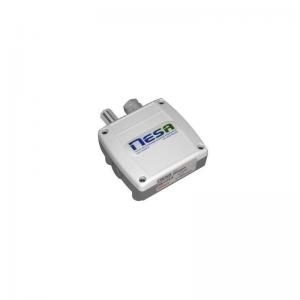
| Structural Components | The typical sensor consists of a thermal air velocity probe, probe shaft, electronic transmitter housing, LED display, mounting flange or bracket, signal-processing circuit, electrical terminals, cable connection, and protective enclosure. The reference probe measures approximately 14 mm in diameter and 220 mm in length. The extended probe structure allows the sensing element to be positioned directly in the airflow path while the transmitter housing remains securely mounted. For bird-level applications, the mounting arrangement can be adapted according to poultry-house geometry, equipment position, litter height, bird age, and ventilation design. |
||||||||||||||||||||||||||||
| Working Principle / Structural Principle | The sensor uses a thermal hot-film element that is heated electrically. Moving air removes heat from the sensing element, and the amount of heat loss varies with air velocity. The electronics measure this change and convert it into a corresponding air-speed value. The processed measurement is displayed locally and can also be transmitted through an analog or RS485 output. When installed at bird level, the sensor measures the airflow that actually reaches the occupied zone rather than relying only on theoretical house-average velocity. This information can be used to evaluate tunnel fan performance, cooling-pad effectiveness, airflow distribution, dead zones, and ventilation uniformity across the poultry house. :contentReference[oaicite:2]{index=2} |
||||||||||||||||||||||||||||
| Technical Specifications |
|
||||||||||||||||||||||||||||
| Applications |
|
||||||||||||||||||||||||||||
| Customization Options | SHEWUYOU can configure air velocity monitoring solutions according to poultry-house dimensions, bird type, ventilation system, cooling method, environmental controller, and project automation requirements. Available options may include measurement range, analog output, RS485 communication, mounting brackets, cable length, sensor quantity, monitoring-point layout, central controller connection, gateway, dashboard, and alarm functions. Sensor placement and system configuration can be designed according to local climate and farm conditions. Complete monitoring solutions are available according to project requirements. |
||||||||||||||||||||||||||||
| Installation & Maintenance | For bird-level monitoring, install the probe in a representative location within the occupied zone and orient the sensing element correctly relative to the main airflow direction. Avoid positions immediately beside walls, structural columns, feeders, drinker lines, circulation fans, or other obstructions that can distort local airflow. In long tunnel houses, several measurement points may be required because air velocity can vary across the width and length of the building. Sensor placement should therefore be coordinated with the ventilation layout and flock-management requirements. :contentReference[oaicite:3]{index=3} Inspect the probe regularly for dust, feathers, litter particles, and other deposits. Clean the sensing area carefully according to the equipment instructions and periodically verify readings against a suitable reference instrument. |
||||||||||||||||||||||||||||
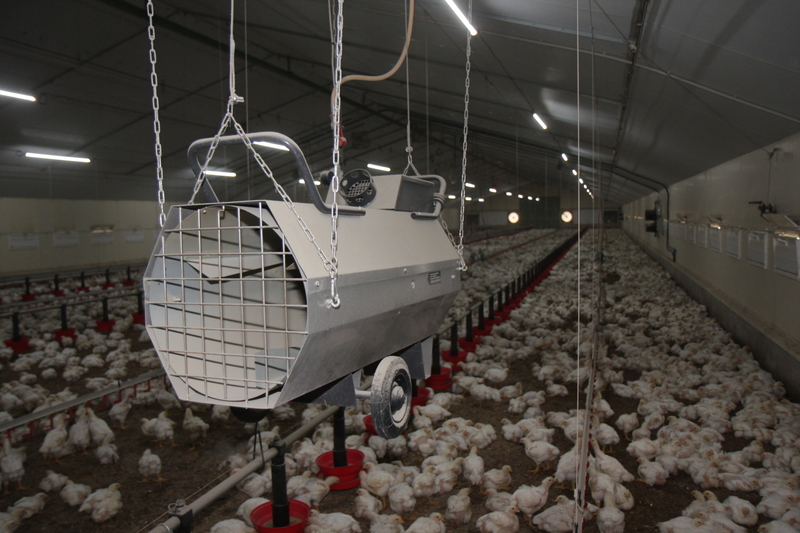
| Project Cases | The Poultry House Bird-Level Air Velocity Sensor can be integrated into new and upgraded tunnel-ventilated poultry projects. A typical system may combine air velocity sensors with temperature and humidity sensors, CO2 transmitters, ammonia sensors, static pressure transmitters, environmental controllers, tunnel fans, air inlets, and evaporative cooling pads. For large commercial broiler houses, multiple bird-level sensors can be positioned along the house to identify uneven airflow and support ventilation-system commissioning. Measurement data can help operators evaluate whether fan operation and building airflow are delivering the intended cooling conditions throughout the flock area. Field research and poultry ventilation guidance show that actual air velocity distribution can vary significantly within tunnel-ventilated houses, making direct measurement useful when evaluating ventilation performance. :contentReference[oaicite:4]{index=4} |
||||||||||||||||||||||||||||
| Product FAQ | Q: Why measure air velocity at bird level? A: Bird-level measurement shows the actual airflow experienced by the flock. Calculated average house velocity may not reveal local low-flow areas or uneven airflow distribution. Q: Is the sensor suitable for tunnel-ventilated broiler houses? A: Yes. Bird-level air velocity monitoring is particularly useful for tunnel ventilation and evaporative cooling evaluation. Q: What measurement ranges are available? A: The reference W410G1 configuration provides six selectable ranges from 0-1 m/s up to 0-30 m/s. Q: Can the sensor connect to a poultry-house controller? A: Yes. Depending on configuration, output options include 0-5V, 0-10V, 4-20mA, and RS485. Q: Does the unit include a local display? A: Yes. The reference configuration includes an integrated LED display for local air velocity reading. Q: Can several sensors be installed in one poultry house? A: Yes. Multiple measurement points can be used to evaluate airflow distribution across the width and length of large houses. Q: Can the complete ventilation monitoring system be customized? A: Yes. Sensor quantity, measurement range, communication interface, mounting arrangement, controller integration, and monitoring architecture can be configured according to project requirements. |
||||||||||||||||||||||||||||
| Product Gallery | 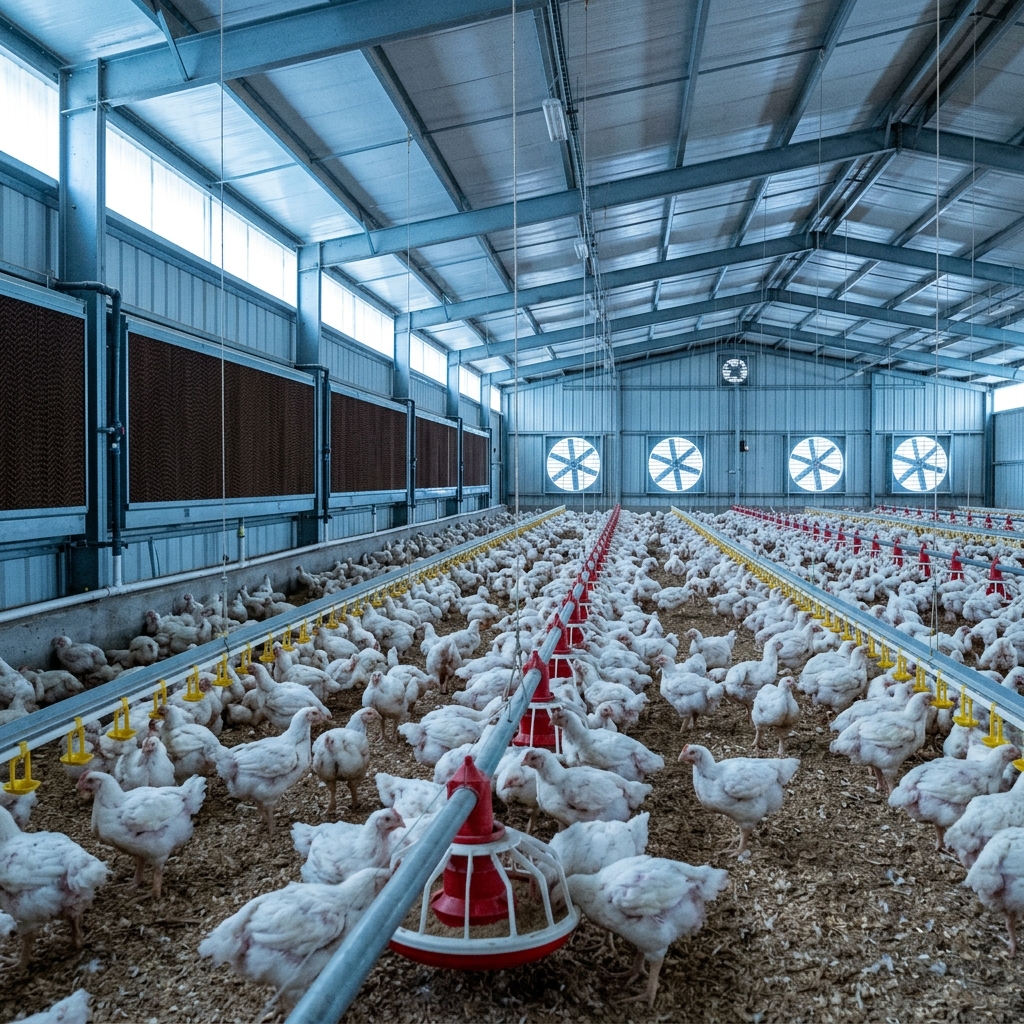 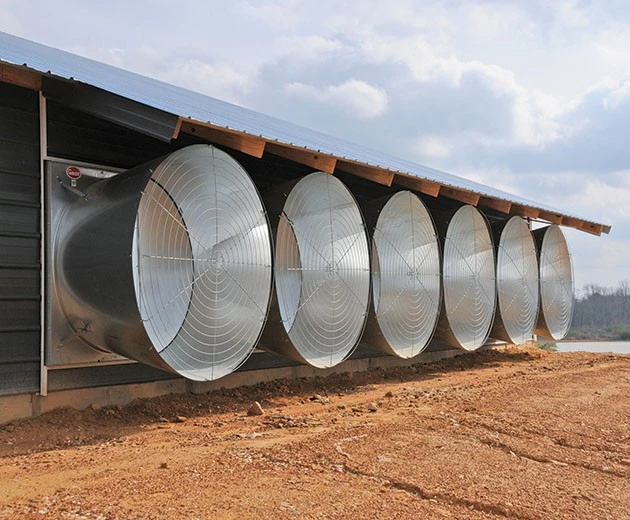 |
- Home
-
Products
- Pig Farming Equipment
- Cattle Farming Equipment
- Sheep & Goat Farming Equipment
- Poultry Farming Equipment
- Feeding & Drinking Systems
- Veterinary & Breeding Equipment
- Testing & Diagnostic Equipment
- Cleaning & Biosecurity Equipment
- Climate Control Equipment
- Livestock Weighing Equipment
- Manure & Waste Management
- Farm Transport & Handling
-
Solutions
- Pig Farm Solutions
- Dairy Farm Solutions
- Beef Cattle Farm Solutions
- Sheep & Goat Farm Solutions
- Layer Farm Solutions
- Broiler Farm Solutions
- Feeding & Drinking System Solutions
- Climate Control Solutions
- Biosecurity & Disinfection Solutions
- Manure & Waste Management
- Smart Farming Solutions
- Farm Renovation and Upgrade Solutions
- Partners
- Projects
- Resources
- News
- About Us
- Contact
Comments & Inquiries
Leave your questions or requirements below. We will reply as soon as possible.