

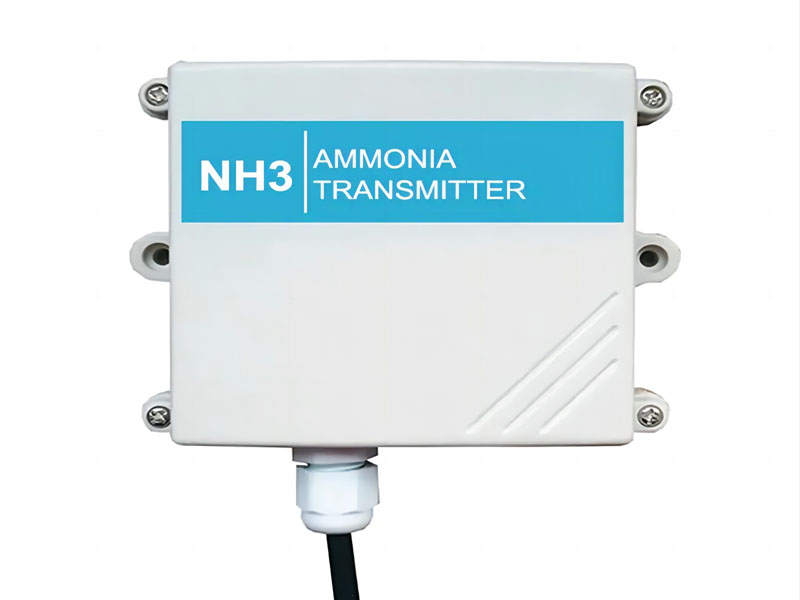
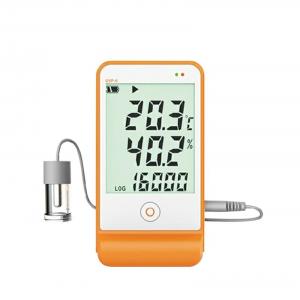
| Product Name | Wireless Livestock Ammonia Sensor | ||||||||||||||||
| Product Image | 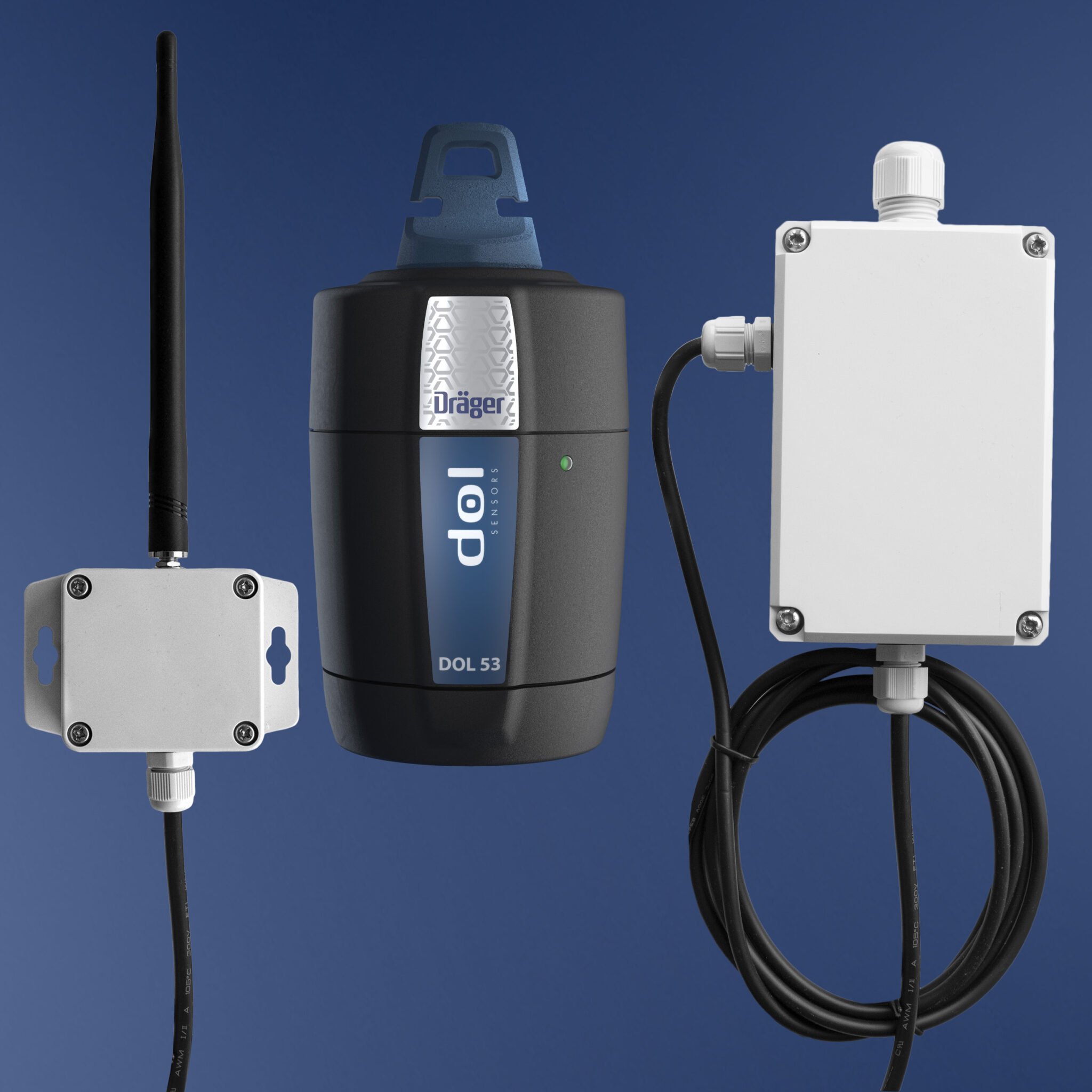 |
||||||||||||||||
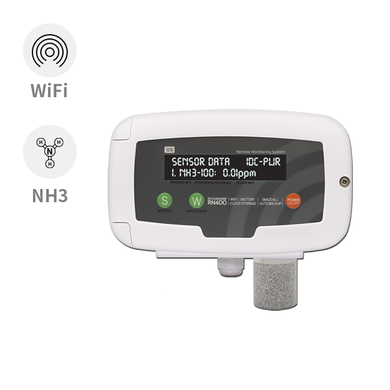
| Product Overview | The Wireless Livestock Ammonia Sensor is designed for continuous monitoring of ammonia (NH3) concentration in livestock housing. It is suitable for commercial pig farms, poultry facilities, animal production buildings and agricultural environmental monitoring projects. By providing continuous ammonia data, the sensor can support ventilation management, barn climate control and environmental assessment. Wireless configurations help reduce the need for extensive signal cabling and are suitable for both new pig farm construction and retrofit applications. |
||||||||||||||||
| Key Features |
|
||||||||||||||||
| Structural Components | A typical wireless livestock ammonia sensor consists of an ammonia sensing element, protective enclosure, electronic signal-processing module, wireless communication unit and mounting arrangement. The final configuration may vary according to the sensing technology and communication architecture selected for the project. The sensor housing and mounting method can be adapted for concrete walls, steel structure building components, service areas or other suitable mounting points inside livestock facilities. |
||||||||||||||||
| Working Principle | The ammonia sensing element detects NH3 present in the surrounding air and generates a corresponding measurement signal. The internal electronics process the signal and provide ammonia concentration data for monitoring and control purposes. In a wireless installation, measurement data is transmitted through the configured wireless communication system to a gateway, controller or monitoring platform. The information can then be used to monitor environmental conditions and support ventilation adjustments according to the farm management strategy. |
||||||||||||||||
| Technical Specifications |
|
||||||||||||||||
| Applications |
|
||||||||||||||||
| Customization Options | The sensor can be configured for different livestock-house layouts, monitoring strategies and communication environments. Available customization may include measurement range, wireless communication method, power supply, monitoring frequency, mounting arrangement and data-interface requirements. For large commercial pig farm projects, sensor locations and network architecture can be designed according to barn dimensions, ventilation layout, stocking density, steel structure building arrangement and local climate conditions. OEM/ODM configurations are available according to project requirements. |
||||||||||||||||
| Installation & Maintenance | The wireless configuration simplifies installation in new and existing livestock buildings. Sensors can be positioned at representative monitoring points based on the barn ventilation pattern and environmental monitoring plan. Suitable mounting locations should be selected away from direct mechanical impact, excessive water exposure and conditions outside the specified operating environment. Routine inspection, cleaning and functional verification should be performed according to the selected sensor configuration and local farm maintenance procedures. |
||||||||||||||||
| Project Applications | The Wireless Livestock Ammonia Sensor can be incorporated into a complete farm environmental monitoring system together with ventilation equipment, climate controllers, gateways and farm management platforms. Multiple sensors can be installed across different rooms or buildings to create a distributed ammonia monitoring network. For engineering companies and agricultural project contractors, the system can be specified as part of a broader livestock climate-control package. Sensor quantity, communication architecture and installation locations can be designed according to project requirements. |
||||||||||||||||
| Product FAQ |
Q1: What gas does the sensor detect? Q2: Can the sensor operate wirelessly? Q3: Is it suitable for commercial pig farms? Q4: Can multiple sensors be installed in one farm? Q5: Can the sensor be customized for an engineering project? |
||||||||||||||||
| Product Gallery |
 |
- Home
-
Products
- Pig Farming Equipment
- Cattle Farming Equipment
- Sheep & Goat Farming Equipment
- Poultry Farming Equipment
- Feeding & Drinking Systems
- Veterinary & Breeding Equipment
- Testing & Diagnostic Equipment
- Cleaning & Biosecurity Equipment
- Climate Control Equipment
- Livestock Weighing Equipment
- Manure & Waste Management
- Farm Transport & Handling
-
Solutions
- Pig Farm Solutions
- Dairy Farm Solutions
- Beef Cattle Farm Solutions
- Sheep & Goat Farm Solutions
- Layer Farm Solutions
- Broiler Farm Solutions
- Feeding & Drinking System Solutions
- Climate Control Solutions
- Biosecurity & Disinfection Solutions
- Manure & Waste Management
- Smart Farming Solutions
- Farm Renovation and Upgrade Solutions
- Partners
- Projects
- Resources
- News
- About Us
- Contact
Comments & Inquiries
Leave your questions or requirements below. We will reply as soon as possible.