
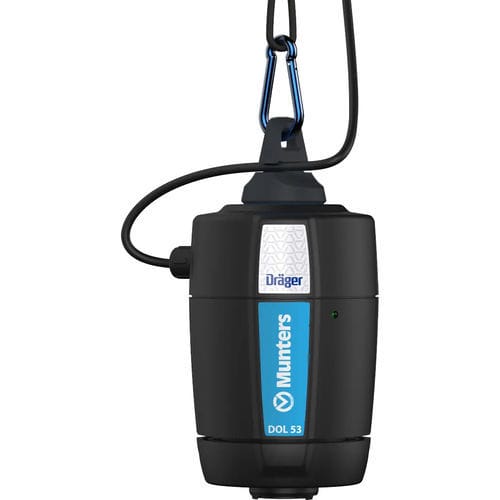
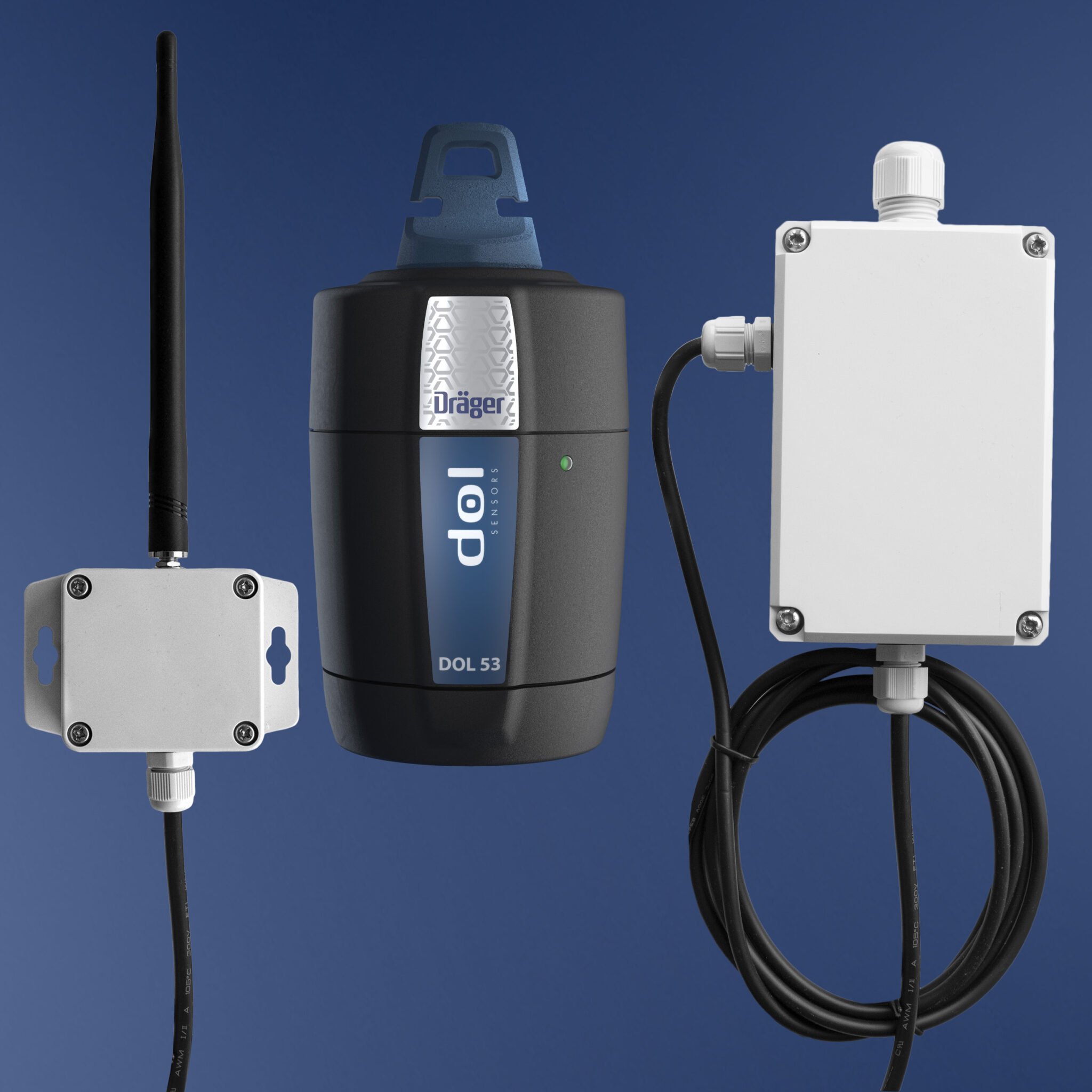
| Product Name | High-Humidity Ammonia Sensor for Livestock Air Treatment | ||||||||||||||||||||||||||||||||||||||
| Product Image |  |
||||||||||||||||||||||||||||||||||||||
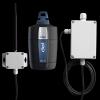
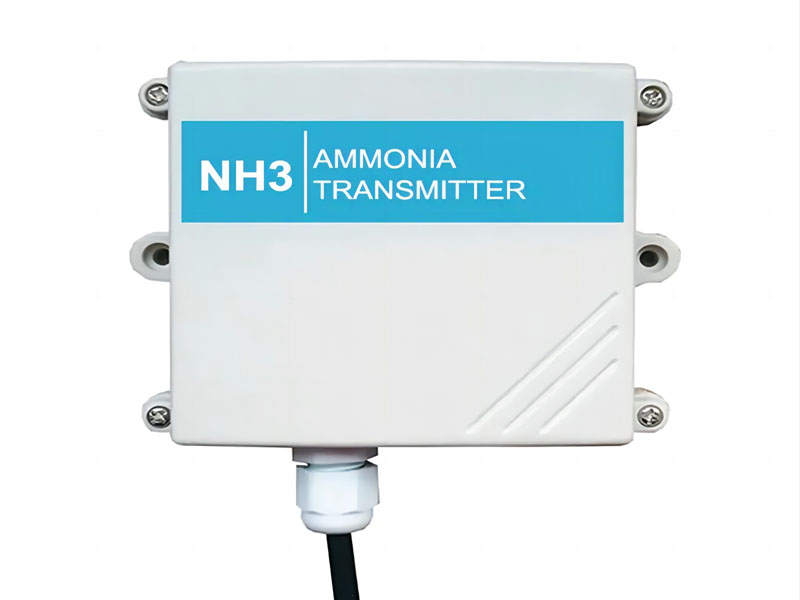
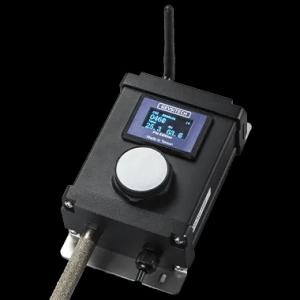
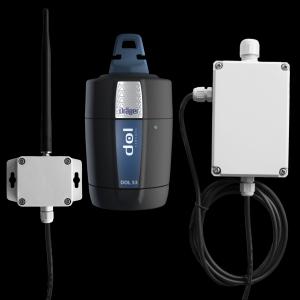
| Product Overview | The High-Humidity Ammonia Sensor for Livestock Air Treatment is a stationary electrochemical NH3 sensor developed for continuous ammonia measurement in livestock air-cleaning systems and other locations where humidity can become extremely high. The sensor is especially suitable for installation on the clean-gas side of livestock exhaust-air scrubbers, where it measures the residual ammonia concentration after the exhaust air has passed through the treatment filters. The measurement data can be used to document exhaust-air cleaning performance and support efficient operation of the air-treatment system. A heated air inlet helps prevent condensation in high-humidity environments, allowing the sensor to operate under conditions of approximately 95–100% relative humidity. The reference configuration measures ammonia concentrations up to 50 ppm and can be installed directly in the airflow without external sampling tubes or pumps. |
||||||||||||||||||||||||||||||||||||||
| Key Features | Designed for Extreme Humidity: Suitable for air-treatment and livestock-house locations where relative humidity can reach approximately 95–100%. Heated Measuring Inlet: A heated convection duct helps reduce condensation at the sensing inlet and supports stable measurement in saturated air conditions. Continuous NH3 Monitoring: Provides stationary, real-time monitoring of ammonia concentration during livestock exhaust-air treatment. Clean-Gas Side Measurement: Designed to measure residual ammonia concentration after exhaust air has passed through an air-cleaning system. Air-Cleaner Performance Monitoring: Measurement data can be used to document exhaust-air cleanliness and evaluate air-treatment efficiency. 0–50 ppm Measuring Range: The reference configuration is designed for ammonia concentrations up to 50 ppm. Low Cross-Sensitivity: The reference sensor is designed with negligible cross-sensitivity to other common gases. Direct Airflow Installation: The sensor can be mounted directly in the airstream without requiring sampling pumps or external tubing. Low Maintenance Design: Replaceable sensor element and dust filter support long-term service and simplify maintenance. |
||||||||||||||||||||||||||||||||||||||
| Structural Components | Electrochemical Sensor Element: Detects ammonia concentration continuously and converts chemical interaction into an electrical signal. Protective Sensor Housing: Encloses and protects the electronic and sensing components during stationary operation. Dust Filter: Helps protect the sensing element from airborne contamination and can be replaced when necessary. Heated Convection Cap: Guides air to the sensor inlet while applying heat to reduce condensation under extremely humid conditions. Signal Processing Electronics: Converts the electrochemical response into standard analog output signals. Connection Cable: Links the sensor with the control cabinet, PLC, monitoring system or livestock-house environmental controller. Replaceable Sensor Element: Allows the sensing component to be renewed without replacing the complete sensor assembly. |
||||||||||||||||||||||||||||||||||||||
| Working Principle | The sensor is installed directly in the treated exhaust-air stream. Air is guided through the heated measuring inlet toward the electrochemical sensing element. The heated inlet helps minimize condensation that could otherwise interfere with gas measurement in high-humidity air. When ammonia reaches the sensing element, an electrochemical reaction generates a signal proportional to the NH3 concentration. Internal electronics process the signal and provide standardized analog outputs to compatible control or monitoring systems. The resulting ammonia value can be used for process monitoring, data logging and evaluation of air-cleaning efficiency. When an additional ammonia sensor is installed on the untreated inlet side of an air cleaner, inlet and outlet measurements can be compared to evaluate ammonia-removal performance and optimize the use of treatment additives. |
||||||||||||||||||||||||||||||||||||||
| Technical Specifications |
|
||||||||||||||||||||||||||||||||||||||
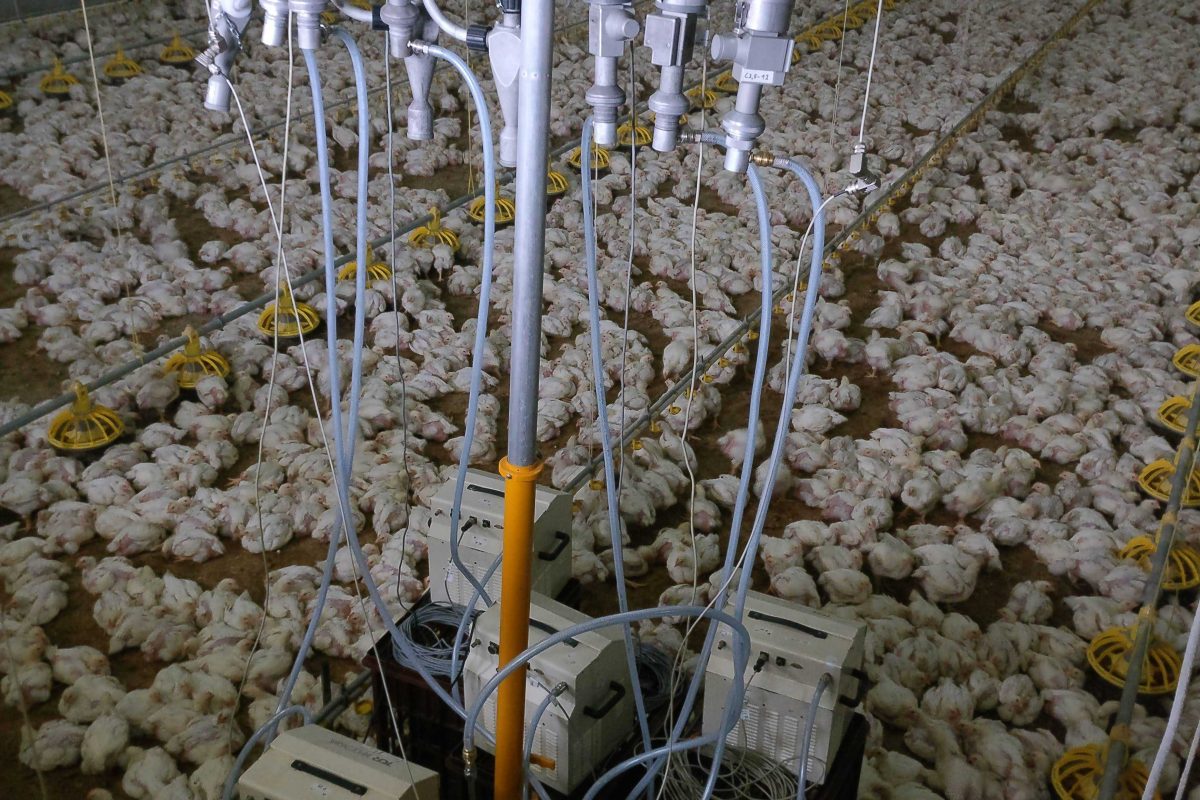
| Applications | Pig House Air Scrubbers: Suitable for ammonia monitoring in exhaust-air cleaning systems used in intensive commercial pig production. Poultry House Air Treatment: Can be applied to air-cleaning systems for broiler, layer and breeder houses where ammonia removal is required. Clean-Gas Monitoring: Measures residual NH3 after exhaust air passes through filters or scrubber stages. Air-Cleaner Efficiency Verification: Outlet measurements can be compared with inlet ammonia measurements to evaluate treatment efficiency. Additive Optimization: NH3 removal data can support more efficient use of acids or other treatment additives in compatible air-cleaning systems. Environmental Compliance Projects: Suitable for livestock projects requiring documentation of treated exhaust-air ammonia concentration. New Livestock House Construction: Can be incorporated into ventilation and air-treatment systems during new pig farm, poultry house or steel structure livestock building projects. Farm Retrofit Projects: Suitable for upgrading existing exhaust-air treatment installations with continuous electronic ammonia monitoring. |
||||||||||||||||||||||||||||||||||||||
| Customization Options | The sensor system can be configured according to livestock species, air-cleaner structure, exhaust-air volume and farm environmental-control requirements. Available options may include: • Clean-gas side NH3 monitoring • Inlet and outlet ammonia measurement configuration • 0–10 V controller connection • 4–20 mA PLC integration • Cable length according to project requirements • Data logging and alarm functions • Air-cleaner performance monitoring • Combined NH3, temperature and humidity monitoring • Pig house and poultry house air-treatment packages • Replacement sensor elements • Replacement dust filters • OEM and project procurement configurations System design can be adapted according to local climate, building ventilation and farm conditions. |
||||||||||||||||||||||||||||||||||||||
| Installation & Maintenance | Install the sensor at a representative point in the air-cleaning system, typically in the clean-gas airflow after the treatment filters when the purpose is to measure remaining ammonia concentration. The sensor is designed for direct airflow installation and does not require external sampling tubes or pumps. The heated measuring inlet should remain correctly positioned so that air can pass freely toward the sensor element. Connect the analog outputs and power supply according to the controller or PLC wiring requirements. Verify the displayed NH3 value after commissioning. Inspect the dust filter periodically. A clogged filter can increase response time and influence sensitivity, so the filter should be replaced when contaminated. An annual inspection and sensitivity check by qualified personnel is recommended. The dust filter should be replaced before a sensitivity check if it is clogged. The sensor should be removed during livestock-house cleaning and disinfection. Clean external surfaces with lukewarm water and check the housing, cable and sensing components for mechanical damage. |
||||||||||||||||||||||||||||||||||||||
| Project Cases | High-humidity ammonia sensors can be integrated into centralized air-treatment projects for large pig farms, poultry complexes and environmentally controlled livestock facilities. A typical installation places a high-humidity sensor on the clean-gas side of the air scrubber to continuously measure residual NH3 after treatment. A second ammonia sensor can be installed upstream to monitor untreated inlet concentration. Comparing inlet and outlet measurements provides useful data for evaluating removal efficiency, adjusting treatment parameters and documenting exhaust-air quality. For large steel structure livestock buildings with centralized exhaust-air treatment, multiple monitoring points can be configured according to airflow zones and project requirements. |
||||||||||||||||||||||||||||||||||||||
| Product FAQ | Q: What is this ammonia sensor mainly designed for? A: It is designed for continuous ammonia measurement in livestock air-cleaning systems and other locations with extremely high humidity. Q: Can it operate at 100% relative humidity? A: The reference design is specified for operation up to 100% RH and uses a heated inlet to reduce condensation. Q: What is the NH3 measurement range? A: The reference configuration measures ammonia from 0 to 50 ppm. Q: Where is the sensor normally installed in an air cleaner? A: It is commonly installed on the clean-gas side after the treatment filters to measure the remaining ammonia concentration. Q: Does the system require a sampling pump? A: No. The sensor is designed for direct installation in the airstream without external tubes or pumps. Q: What is the purpose of the heated inlet? A: The heated convection structure helps prevent condensation around the measuring inlet in saturated or near-saturated air. Q: Can it be connected to a PLC or climate controller? A: Yes. The reference configuration provides 0–10 V and 4–20 mA outputs for compatible monitoring and control systems. Q: Can it be used together with an inlet-side ammonia sensor? A: Yes. Inlet and outlet measurements can be compared to evaluate ammonia-removal efficiency and air-cleaner performance. Q: Does the dust filter require maintenance? A: Yes. The filter should be inspected and replaced when clogged because contamination can increase response time. Q: Is periodic inspection recommended? A: Yes. An annual inspection and sensitivity check by qualified personnel is recommended for the reference configuration. |
||||||||||||||||||||||||||||||||||||||
| Product Gallery |  |
- Home
-
Products
- Pig Farming Equipment
- Cattle Farming Equipment
- Sheep & Goat Farming Equipment
- Poultry Farming Equipment
- Feeding & Drinking Systems
- Veterinary & Breeding Equipment
- Testing & Diagnostic Equipment
- Cleaning & Biosecurity Equipment
- Climate Control Equipment
- Livestock Weighing Equipment
- Manure & Waste Management
- Farm Transport & Handling
-
Solutions
- Pig Farm Solutions
- Dairy Farm Solutions
- Beef Cattle Farm Solutions
- Sheep & Goat Farm Solutions
- Layer Farm Solutions
- Broiler Farm Solutions
- Feeding & Drinking System Solutions
- Climate Control Solutions
- Biosecurity & Disinfection Solutions
- Manure & Waste Management
- Smart Farming Solutions
- Farm Renovation and Upgrade Solutions
- Partners
- Projects
- Resources
- News
- About Us
- Contact
Comments & Inquiries
Leave your questions or requirements below. We will reply as soon as possible.