

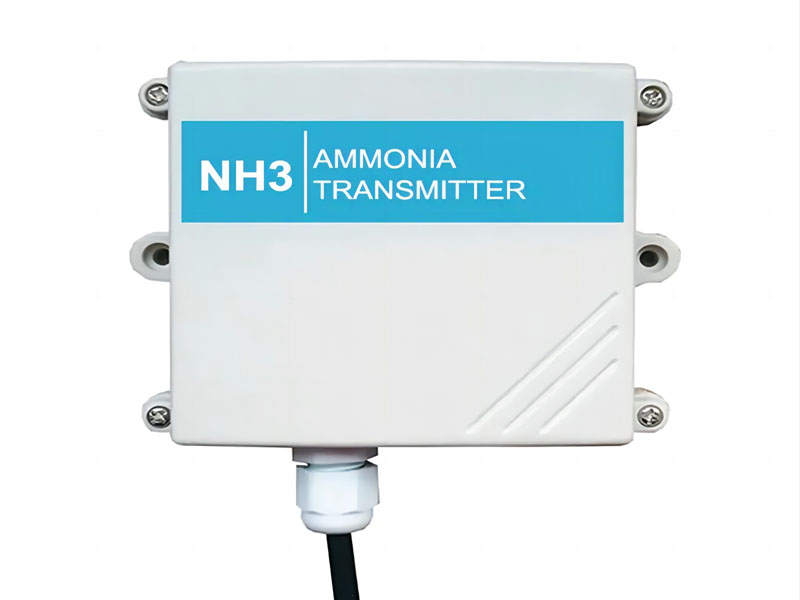

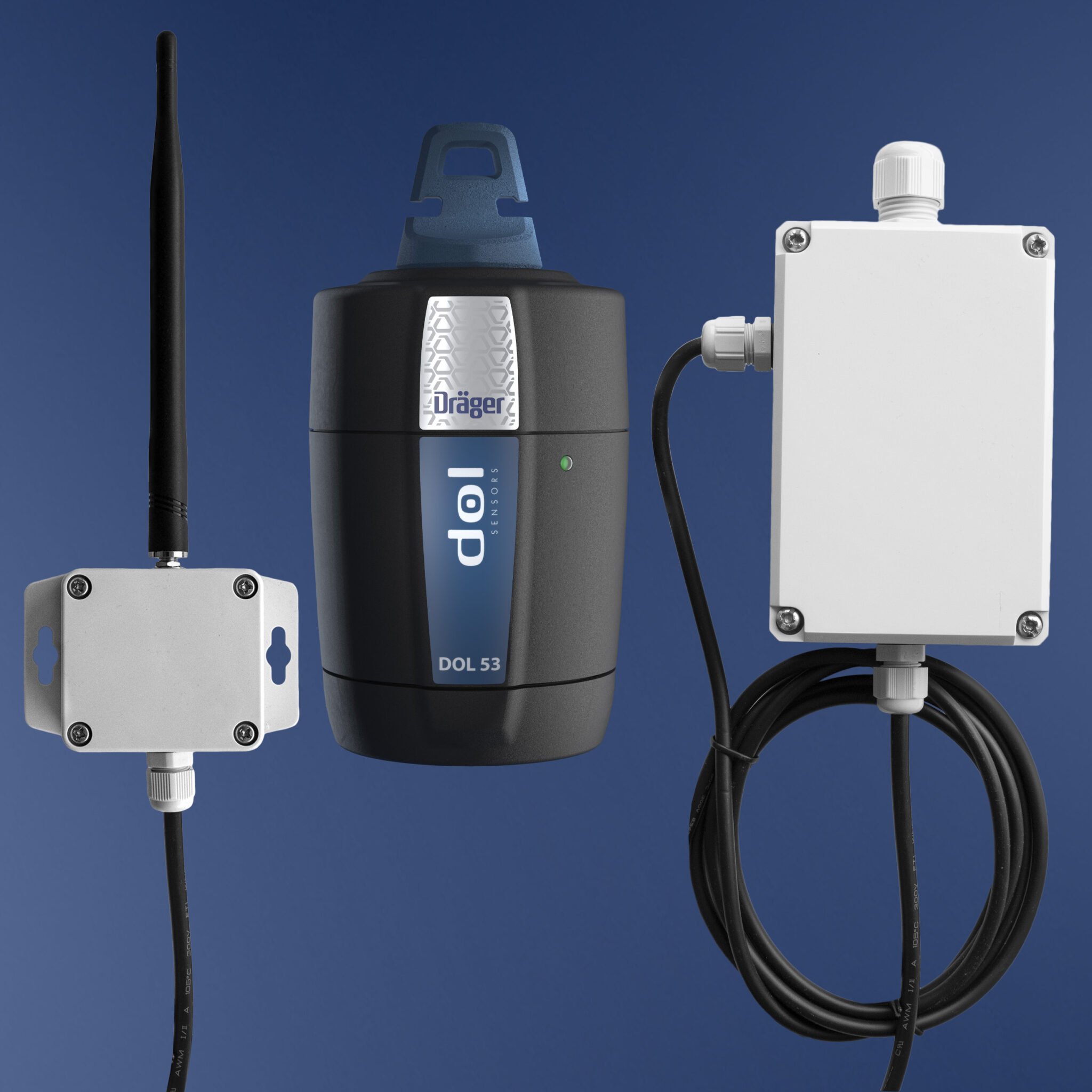
| Product Name | Ammonia Sensor for Ventilation Control | ||||||||||||||||||||||||||||||||||||||||||
| Product Image | 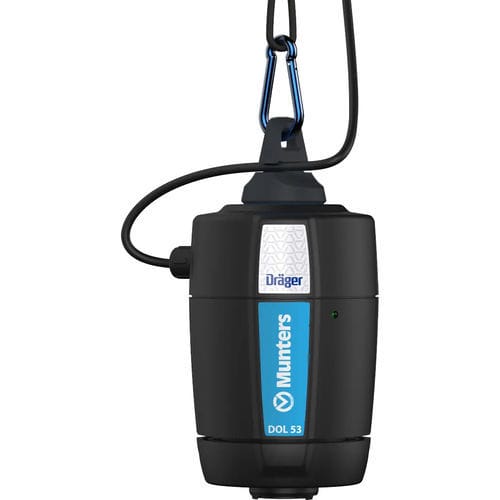 |
||||||||||||||||||||||||||||||||||||||||||
| Product Overview | The Ammonia Sensor for Ventilation Control is a fixed livestock-house air-quality sensor designed for continuous measurement of ammonia concentration in pig houses, poultry buildings and other intensive animal production facilities. The sensor continuously measures NH3 concentration and provides a proportional electrical output that can be connected to compatible livestock climate controllers. Real-time ammonia information allows the ventilation system to respond when air quality deteriorates, helping reduce prolonged ammonia accumulation inside the animal zone. The reference configuration provides a 0–10 V output corresponding to a 0–100 ppm NH3 measurement range and is designed for integration with livestock environmental controllers. Its suspended mounting design, status indicator and removable construction simplify installation, inspection and barn cleaning. |
||||||||||||||||||||||||||||||||||||||||||
| Key Features | Continuous Ammonia Monitoring: Provides long-term real-time NH3 measurements for commercial livestock-house environmental management. Ventilation Control Integration: Ammonia data can be used by compatible climate controllers to increase ventilation when programmed NH3 thresholds are exceeded. 0–10 V Analog Output: The reference sensor provides a constant analog output that can be integrated with compatible livestock automation controllers. 0–100 ppm Detection Range: Designed to monitor ammonia concentrations across the operating range required for livestock-house ventilation management. Fast Sensor Response: The reference configuration has a T50 response time of 30 seconds or less. Status LED: Integrated green and yellow indication allows operators to quickly check sensor operating status. Temperature and Humidity Stability: The reference product is designed so normal changes in barn temperature or humidity do not directly affect its ammonia monitoring function. Simple Hanging Installation: A dedicated mounting lug and hanger configuration simplify positioning inside poultry and pig houses. Easy Removal for Cleaning: The sensor can be disconnected and removed before pressure washing or intensive barn cleaning. Low Maintenance: Designed for continuous agricultural operation with limited routine servicing requirements. |
||||||||||||||||||||||||||||||||||||||||||
| Structural Components | Ammonia Sensor Element: Detects NH3 concentration in the surrounding livestock-house air. Protective Housing: Encloses the sensing and electronic components for use in demanding agricultural environments. Dust Cap: Helps protect the sensor inlet from excessive barn dust while allowing ammonia to reach the sensing element. Mounting Ring: Secures the sensing components within the housing. Mounting Lug: Provides a dedicated suspension point for installation in the livestock building. Status LED: Indicates normal operating or fault status. Connector and Coupling: Provide electrical connection between the sensor, power supply and compatible livestock climate controller. Three-Wire Signal Cable: Carries power and measurement information to the control system. |
||||||||||||||||||||||||||||||||||||||||||
| Working Principle | The sensor continuously samples the surrounding livestock-house air and converts the measured ammonia concentration into a proportional analog electrical signal. In the reference configuration, a 0–10 V signal corresponds to an ammonia concentration of 0–100 ppm. The connected livestock climate controller continuously reads this signal and compares the measured NH3 concentration with programmed air-quality settings. When ammonia rises above a defined control threshold, a compatible ventilation program can increase the ventilation level after a configured delay. Ventilation can remain elevated for a specified period or until ammonia falls below the programmed stop value. This allows NH3 concentration to become an active ventilation-control parameter alongside temperature, relative humidity and carbon dioxide, providing more comprehensive environmental control in commercial animal housing. |
||||||||||||||||||||||||||||||||||||||||||
| Technical Specifications |
|
||||||||||||||||||||||||||||||||||||||||||
| Applications | Pig House Ventilation Control: Suitable for nursery, finishing, gestation and farrowing buildings where ammonia accumulation may occur during periods of restricted ventilation. Poultry House Climate Management: Supports ammonia monitoring in broiler, layer and breeder facilities where manure and litter conditions influence NH3 concentration. Minimum Ventilation Management: Provides an additional air-quality parameter for adjusting minimum ventilation during cold-weather production. Automatic NH3 Treatment Programs: Compatible climate controllers can increase ventilation when ammonia exceeds defined thresholds. Livestock Air-Quality Monitoring: Provides continuous environmental data to complement temperature, humidity and CO2 sensors. Commercial Farm Automation: Suitable for integration into centralized environmental control systems for large pig and poultry operations. New Livestock House Construction: Can be incorporated into pig farm construction, poultry-house projects and steel structure livestock buildings during environmental-control system design. Existing Farm Retrofit: Suitable for upgrading conventional ventilation systems with continuous NH3 monitoring and automated control. |
||||||||||||||||||||||||||||||||||||||||||
| Customization Options | The ammonia monitoring and ventilation-control solution can be configured according to livestock species, building dimensions, ventilation design and farm automation requirements. Available project options may include: • Number of ammonia sensors • Sensor positions according to building airflow • Cable length according to project requirements • Climate controller matching • Pig house ventilation integration • Poultry house ventilation integration • Combined NH3, CO2, temperature and humidity monitoring • Alarm threshold configuration • Ventilation treatment programming • Centralized environmental monitoring • New farm construction packages • Existing farm retrofit packages • OEM and distributor configurations Final system configuration can be designed according to local climate and farm conditions. |
||||||||||||||||||||||||||||||||||||||||||
| Installation & Maintenance | Install the sensor near the center of the area to be monitored so that the measurement represents normal livestock-house air conditions. Avoid installing it directly beside doors, curtains, fresh-air inlets or other concentrated sources of outside air. The sensor should be positioned where animals and birds cannot reach it. Always use the dedicated mounting lug or hanger and never suspend the unit by its electrical cable. Connect the sensor to the compatible livestock climate controller and power supply according to the applicable wiring diagram. The documented installation allows a sensor-to-controller distance of up to approximately 50 meters. After applying power, allow approximately 30 minutes for sensor warm-up. A green status LED indicates normal operation, while a blinking yellow indication identifies an operating fault. Keep the sensor grill clean and unobstructed during operation. Before washing or pressure-cleaning the livestock house, disconnect and remove the sensor to minimize exposure to water and cleaning agents. Inspect the cable, housing, connector, mounting hardware and sensor inlet periodically. Replace sensing components according to service-life and maintenance requirements. |
||||||||||||||||||||||||||||||||||||||||||
| Project Cases | Ammonia sensors can be integrated into complete ventilation and environmental-control projects for commercial pig farms, poultry complexes and livestock production buildings. In a finishing pig house, one or more sensors can continuously monitor NH3 concentration and transmit real-time values to the climate controller. When ammonia exceeds the programmed threshold, the ventilation system can automatically increase airflow according to the selected treatment program. In poultry houses, ammonia measurements can be combined with temperature, humidity and carbon dioxide data to provide a more complete picture of indoor air quality and minimum-ventilation performance. For new steel structure livestock buildings, sensor locations, controller wiring and ventilation programming can be incorporated into the environmental-control design before equipment installation. |
||||||||||||||||||||||||||||||||||||||||||
| Product FAQ | Q: What is the main purpose of this ammonia sensor? A: It continuously measures NH3 concentration and provides real-time data that can be used for livestock-house ventilation and air-quality control. Q: What is the measurement range? A: The reference configuration measures ammonia from 0 to 100 ppm. Q: What output signal does the sensor provide? A: It provides a 0–10 V signal corresponding to 0–100 ppm NH3. Q: Can it automatically control ventilation fans? A: When connected to a compatible livestock climate controller, ammonia measurements can be used to trigger programmed increases in ventilation. Q: Is it suitable for pig farms? A: Yes. The system is designed for livestock environments and is suitable for commercial pig houses and poultry facilities. Q: Does temperature or humidity affect the sensor? A: The reference product is designed for stable ammonia monitoring across normal livestock-house temperature and humidity conditions within its operating limits. Q: How quickly does it respond? A: The reference configuration has a T50 response time of 30 seconds or less. Q: How far can the sensor be installed from the controller? A: The documented installation allows a distance of up to approximately 50 meters between the sensor and compatible controller. Q: Can the sensor remain in the barn during pressure washing? A: The manufacturer recommends disconnecting and removing the sensor before intensive barn washing to minimize exposure to water and cleaning agents. Q: Can several ammonia sensors be installed in one livestock complex? A: Yes. Multiple monitoring points can be configured according to building size, ventilation zones and project requirements. |
||||||||||||||||||||||||||||||||||||||||||
| Product Gallery | 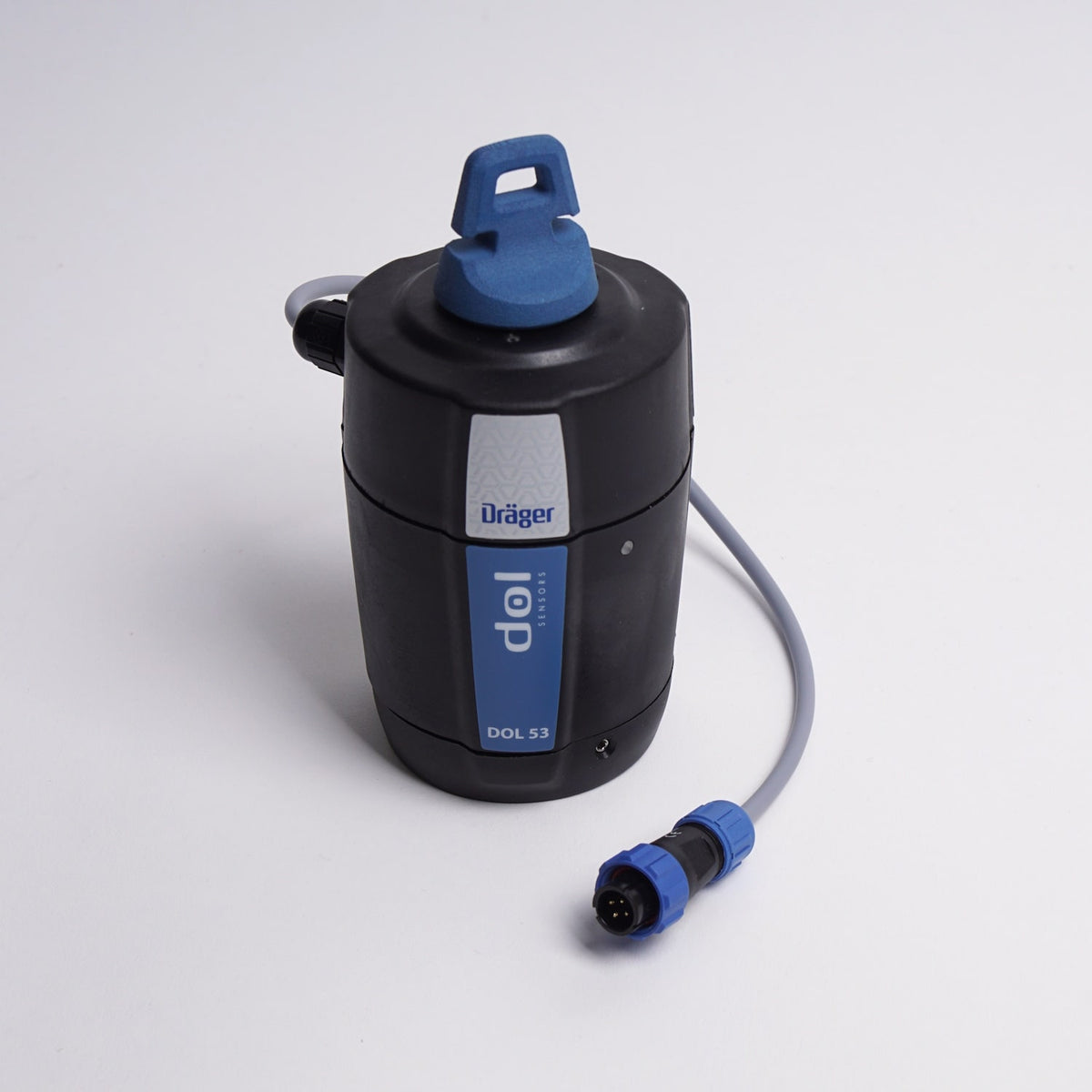 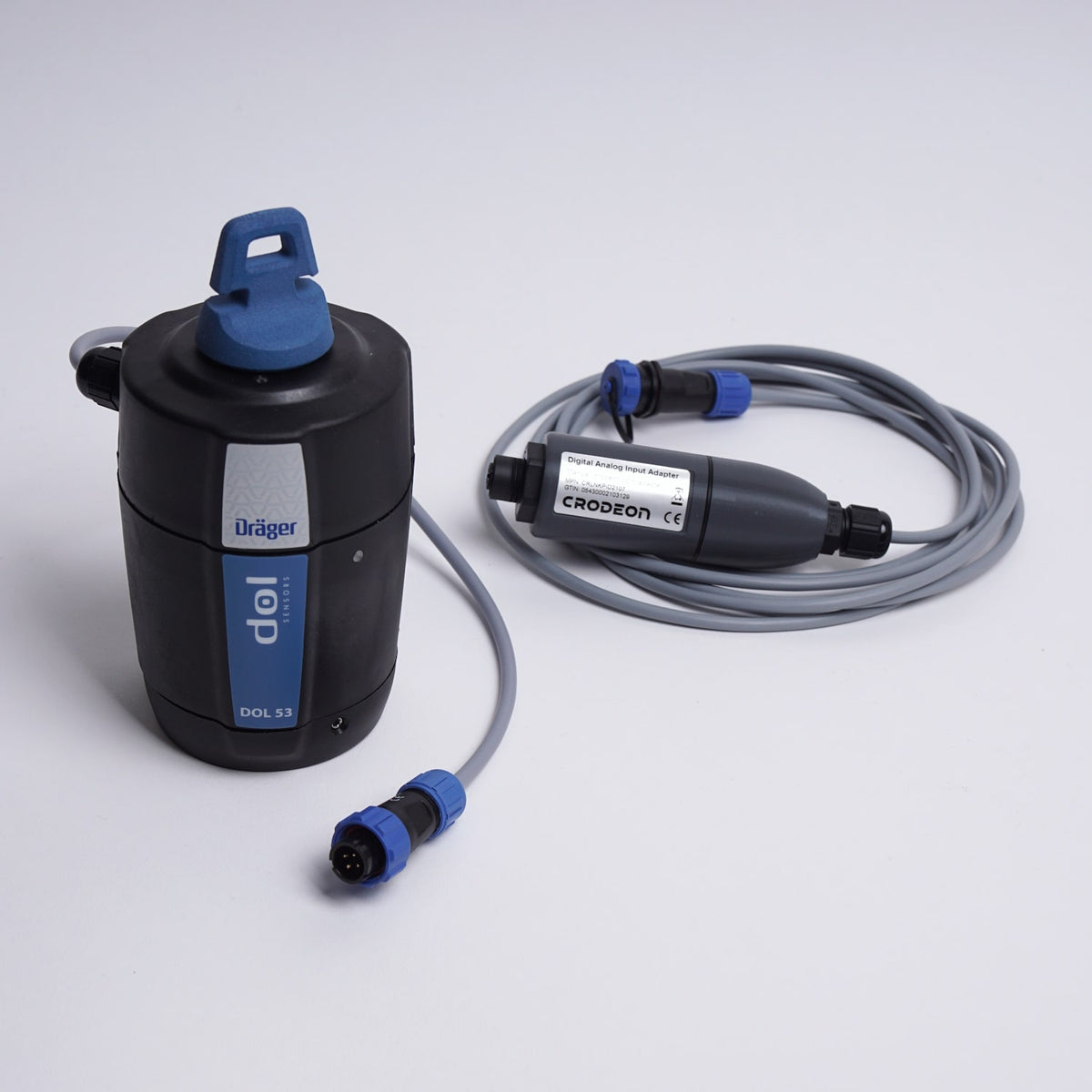 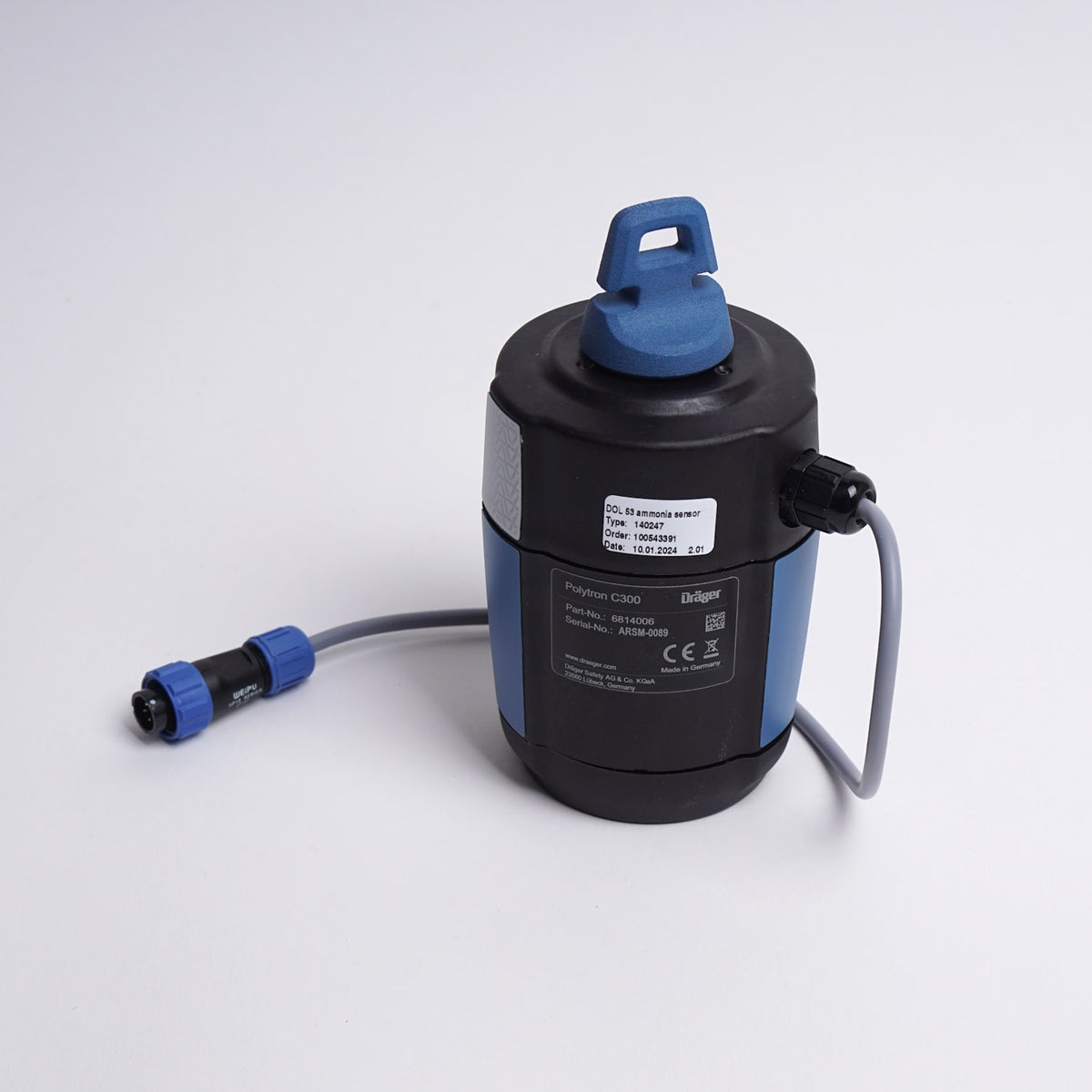 |
- Home
-
Products
- Pig Farming Equipment
- Cattle Farming Equipment
- Sheep & Goat Farming Equipment
- Poultry Farming Equipment
- Feeding & Drinking Systems
- Veterinary & Breeding Equipment
- Testing & Diagnostic Equipment
- Cleaning & Biosecurity Equipment
- Climate Control Equipment
- Livestock Weighing Equipment
- Manure & Waste Management
- Farm Transport & Handling
-
Solutions
- Pig Farm Solutions
- Dairy Farm Solutions
- Beef Cattle Farm Solutions
- Sheep & Goat Farm Solutions
- Layer Farm Solutions
- Broiler Farm Solutions
- Feeding & Drinking System Solutions
- Climate Control Solutions
- Biosecurity & Disinfection Solutions
- Manure & Waste Management
- Smart Farming Solutions
- Farm Renovation and Upgrade Solutions
- Partners
- Projects
- Resources
- News
- About Us
- Contact
Comments & Inquiries
Leave your questions or requirements below. We will reply as soon as possible.