

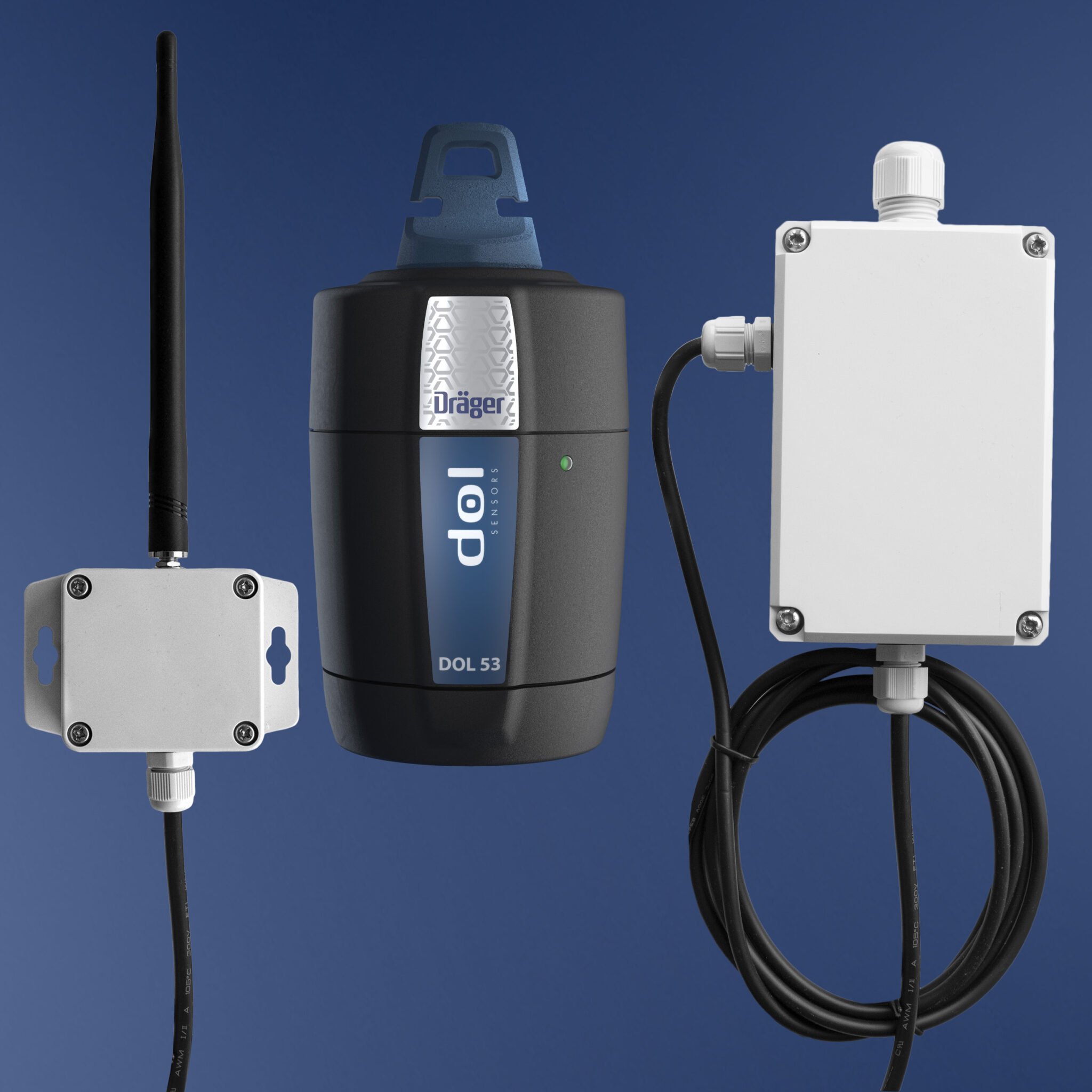
| Product Name | Livestock House High-Accuracy Ammonia Sensor | ||||||||||||||||||||||||||||||||
| Product Image | 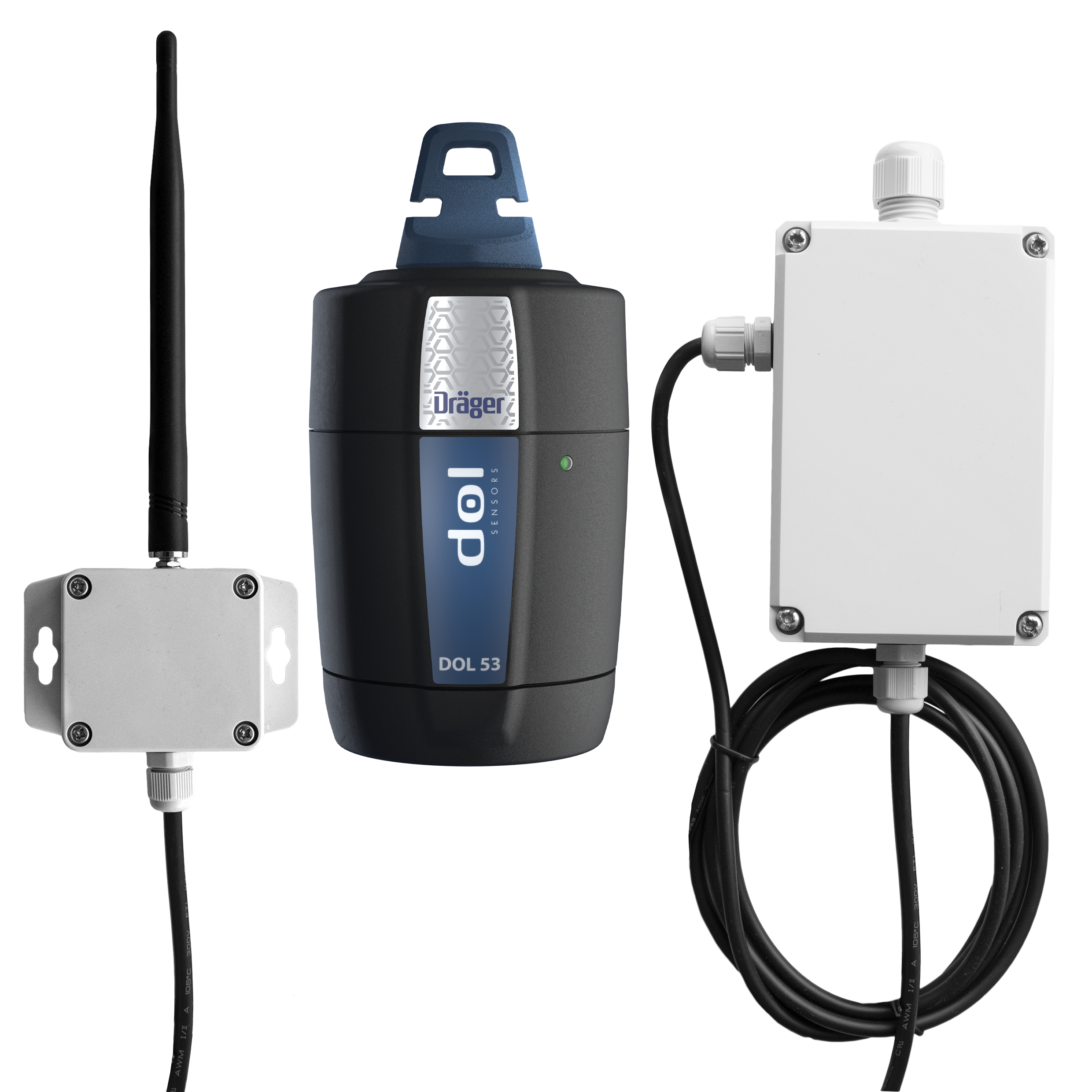 |
||||||||||||||||||||||||||||||||
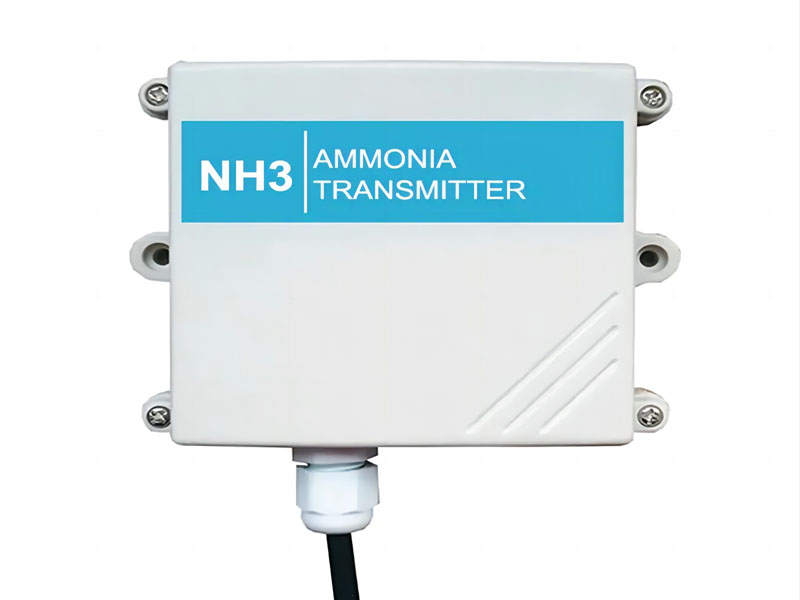
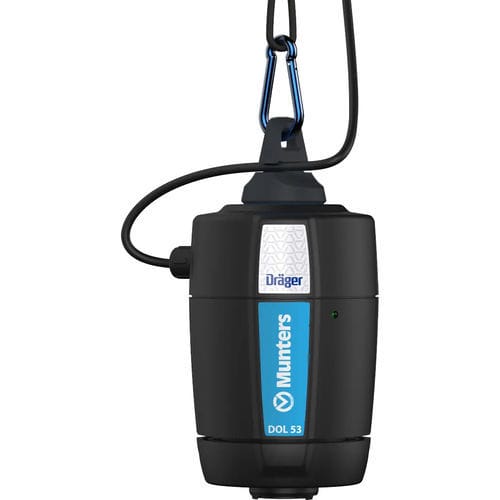
| Product Overview | The Livestock House High-Accuracy Ammonia Sensor is a stationary NH3 monitoring device developed for continuous air-quality measurement in demanding livestock production environments. It is suitable for pig houses, poultry buildings, dairy barns and other intensive animal housing facilities where accurate ammonia monitoring is an important part of climate and ventilation management. The sensor uses an electrochemical diffusion sensing principle and continuously measures ammonia concentration in the surrounding air. Its signal can be connected to compatible climate controllers or farm automation systems, allowing operators to monitor NH3 levels and take corrective action when indoor air quality deteriorates. The reference sensor is designed specifically for livestock houses, provides accurate measurement at both low and high ammonia concentrations, has negligible cross-sensitivity to other gases and requires no routine calibration during its service life. :contentReference[oaicite:0]{index=0} |
||||||||||||||||||||||||||||||||
| Key Features | High-Accuracy NH3 Measurement: Designed for stable ammonia monitoring across both relatively low and elevated livestock-house concentrations. Low Cross-Sensitivity: The reference design has negligible cross-sensitivity to other gases, helping improve measurement reliability in complex barn environments. :contentReference[oaicite:1]{index=1} Continuous Stationary Monitoring: Provides 24-hour fixed monitoring instead of relying only on periodic handheld measurements. Built for Livestock Buildings: Robust construction is designed for the demanding conditions found in pig houses, poultry houses and other agricultural facilities. :contentReference[oaicite:2]{index=2} Climate-Control Integration: Can be incorporated into compatible livestock-house environmental controllers for centralized monitoring and ventilation management. Plug-and-Play Sensor Replacement: The sensor element can be replaced when required, simplifying maintenance and reducing downtime. :contentReference[oaicite:3]{index=3} No Routine Calibration During Service Life: The reference sensor is designed to operate without periodic recalibration during its specified service period. :contentReference[oaicite:4]{index=4} Low Maintenance: Suitable for commercial farms where reliable environmental sensing with limited daily servicing is required. Long-Term Monitoring: The reference sensor element has a published service life of approximately 36 months when installed and operated according to manufacturer requirements. :contentReference[oaicite:5]{index=5} |
||||||||||||||||||||||||||||||||
| Structural Components | Electrochemical Sensor Element: Detects ammonia in the surrounding livestock-house air. Signal Processing Electronics: Converts the sensor response into a usable electrical signal for monitoring and control equipment. :contentReference[oaicite:6]{index=6} Replaceable Sensor Head: The sensing element can be replaced when its service period is reached or replacement is otherwise required. :contentReference[oaicite:7]{index=7} Dust Filter: Helps protect the sensing element from contaminants commonly present in livestock facilities. :contentReference[oaicite:8]{index=8} Protective Housing: Encloses the electronics and sensing assembly for stationary barn installation. Suspension / Mounting Point: Allows the sensor to be installed at a selected monitoring position within the livestock building. Connection Cable: Connects the sensor to compatible power and climate-control equipment. |
||||||||||||||||||||||||||||||||
| Working Principle | The sensor uses an electrochemical diffusion element to continuously detect ammonia in the surrounding air. Ammonia reaches the sensing element by diffusion and produces an electrochemical response proportional to the gas concentration. Internal signal-processing electronics convert this response into a standardized electrical output that can be interpreted by a compatible climate controller or monitoring device. The system therefore functions as a continuous electronic "nose" for NH3 concentration inside the livestock building. :contentReference[oaicite:9]{index=9} By connecting the ammonia sensor to a livestock climate-control system, farm managers can monitor NH3 together with parameters such as temperature, humidity and carbon dioxide. This supports more informed ventilation adjustments and helps maintain suitable indoor environmental conditions. |
||||||||||||||||||||||||||||||||
| Technical Specifications |
Published reference data confirms stationary continuous NH3 measurement, electrochemical sensing, 0–100 ppm measurement, 0–10 V signaling, IP65 environmental protection and a 36-month sensor service life for the reference configuration. :contentReference[oaicite:10]{index=10} |
||||||||||||||||||||||||||||||||
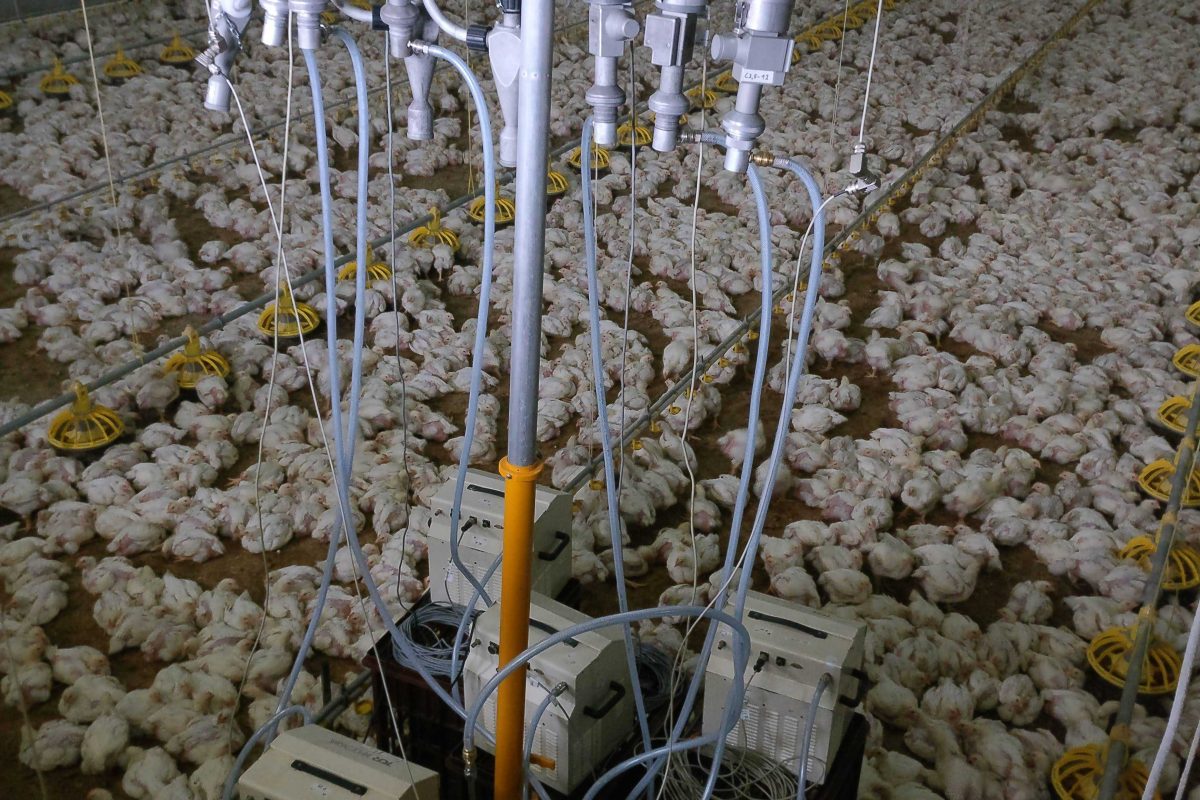
| Applications | Commercial Pig Houses: Suitable for gestation barns, farrowing rooms, nursery houses, finishing buildings and other intensive pig production areas. Poultry Houses: Provides continuous ammonia monitoring in broiler, layer and breeder buildings where litter conditions can affect NH3 concentration. Dairy and Cattle Buildings: Can be used in enclosed or mechanically ventilated cattle facilities requiring continuous indoor air-quality monitoring. Minimum Ventilation Management: NH3 measurements can provide an additional control reference during cold-weather minimum-ventilation operation. Environmental Control Systems: Can be integrated with climate computers, PLC control systems and centralized livestock-house environmental monitoring solutions. Pig Farm Construction Projects: Suitable for incorporation into new pig farm construction, steel structure livestock buildings and environmental-control engineering projects. Existing Farm Upgrades: Can be added to existing livestock facilities as part of a ventilation or intelligent environmental-control retrofit. Research and Production Monitoring: Suitable for livestock research institutions and production projects requiring long-term NH3 data. |
||||||||||||||||||||||||||||||||
| Customization Options | The ammonia monitoring solution can be configured according to livestock species, house dimensions, ventilation layout and farm automation requirements. Available project options may include: • Sensor quantity according to livestock-house size • Monitoring-point layout according to airflow conditions • Cable length according to project requirements • Controller interface matching • Central climate-control integration • Alarm and data-logging functions according to controller configuration • Combined temperature, humidity, CO2 and NH3 monitoring • Pig house and poultry house installation packages • Steel structure livestock building environmental-control integration • Replacement sensor elements and maintenance accessories • OEM and distributor project configurations System layout can be designed according to local climate and farm conditions. |
||||||||||||||||||||||||||||||||
| Installation & Maintenance | Select a representative monitoring position based on livestock-house dimensions, animal zone, ventilation layout and airflow pattern. The sensor should not be placed directly in a fresh-air jet, immediately beside an exhaust fan or in a location exposed to direct washing unless the installation is specifically designed for that position. Suspend or secure the sensor using the designated mounting point. Route the connection cable safely to the environmental controller or monitoring equipment and protect wiring from animals, equipment movement and mechanical damage. After electrical connection, verify that the controller receives a stable signal and that the displayed ammonia value responds correctly. The reference sensor is designed for low maintenance and does not require routine calibration during its specified service life. The sensing head and dust filter can be replaced when required. :contentReference[oaicite:11]{index=11} Inspect the sensor periodically for excessive dust accumulation, cable damage or physical damage. Avoid blocking the gas inlet and follow the applicable replacement-date requirements for the sensor element. |
||||||||||||||||||||||||||||||||
| Project Cases | The high-accuracy ammonia sensor can be incorporated into complete environmental-control systems for commercial pig farms, poultry complexes, dairy buildings and other intensive livestock projects. For a multi-room pig farm, individual sensors can be installed in selected nursery, finishing or sow areas and connected to the farm climate controller. NH3 values can then be evaluated together with temperature, humidity, fan operation and air-inlet position. For steel structure poultry houses, sensors can be distributed according to house length and ventilation zones to provide representative indoor air-quality information throughout the production cycle. The system is also suitable for modernization projects where existing climate-control equipment is upgraded with additional air-quality monitoring. |
||||||||||||||||||||||||||||||||
| Product FAQ | Q: What does this sensor measure? A: It measures ammonia, or NH3, concentration continuously in livestock-house air. Q: What sensing principle does it use? A: The reference configuration uses an electrochemical diffusion sensor combined with signal-processing electronics. :contentReference[oaicite:12]{index=12} Q: Is it suitable for pig houses? A: Yes. It is designed for livestock facilities and can be used in commercial pig, poultry and other animal housing systems. Q: Can it measure both low and high ammonia concentrations? A: Yes. The reference product is designed for accurate measurement across both low and higher NH3 concentrations. :contentReference[oaicite:13]{index=13} Q: Does the sensor respond strongly to other gases? A: The reference manufacturer specifies negligible cross-sensitivity to other gases. :contentReference[oaicite:14]{index=14} Q: Does it require regular calibration? A: The reference sensor does not require routine calibration during its specified service life. :contentReference[oaicite:15]{index=15} Q: How long does the sensing element last? A: The reference manufacturer specifies an approximately 36-month service life when installation and operating requirements are followed. :contentReference[oaicite:16]{index=16} Q: Can the sensor element be replaced? A: Yes. The sensor head and filter are designed to be replaceable when required. :contentReference[oaicite:17]{index=17} Q: Can it connect to a livestock climate controller? A: Yes. The reference sensor is designed for easy integration into existing livestock houses and compatible climate-control systems. :contentReference[oaicite:18]{index=18} Q: Can several sensors be installed in one farm? A: Yes. Sensor quantity and monitoring locations can be designed according to building size, production zones and project requirements. |
||||||||||||||||||||||||||||||||
| Product Gallery | |
- Home
-
Products
- Pig Farming Equipment
- Cattle Farming Equipment
- Sheep & Goat Farming Equipment
- Poultry Farming Equipment
- Feeding & Drinking Systems
- Veterinary & Breeding Equipment
- Testing & Diagnostic Equipment
- Cleaning & Biosecurity Equipment
- Climate Control Equipment
- Livestock Weighing Equipment
- Manure & Waste Management
- Farm Transport & Handling
-
Solutions
- Pig Farm Solutions
- Dairy Farm Solutions
- Beef Cattle Farm Solutions
- Sheep & Goat Farm Solutions
- Layer Farm Solutions
- Broiler Farm Solutions
- Feeding & Drinking System Solutions
- Climate Control Solutions
- Biosecurity & Disinfection Solutions
- Manure & Waste Management
- Smart Farming Solutions
- Farm Renovation and Upgrade Solutions
- Partners
- Projects
- Resources
- News
- About Us
- Contact

Comments & Inquiries
Leave your questions or requirements below. We will reply as soon as possible.