
| Product Showcase | Content | ||||||||||||||||||||||
|---|---|---|---|---|---|---|---|---|---|---|---|---|---|---|---|---|---|---|---|---|---|---|---|
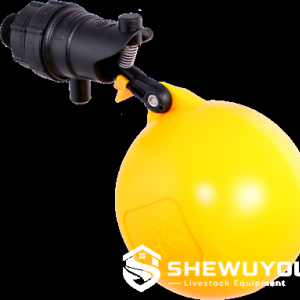
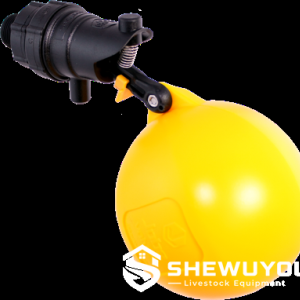
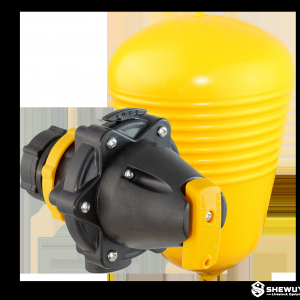
| Product Name | Anti-Siphon Metal Trough Float Valve | ||||||||||||||||||||||
| Product Image |
|
||||||||||||||||||||||
| Product Overview |
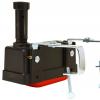
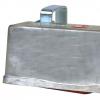
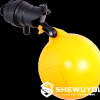
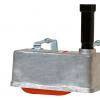
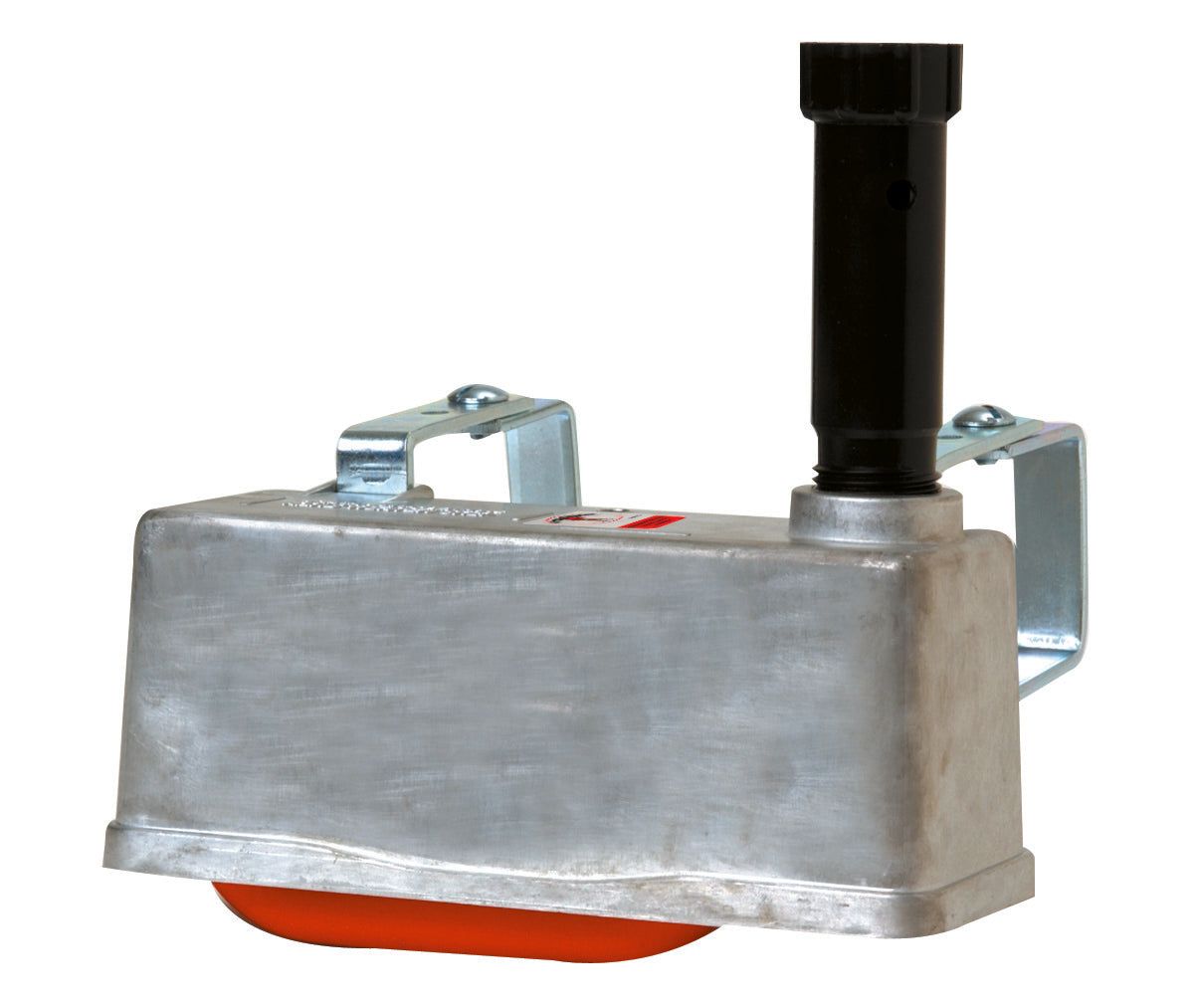
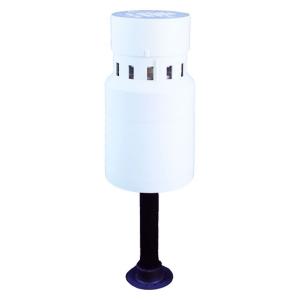
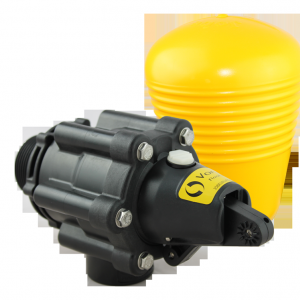
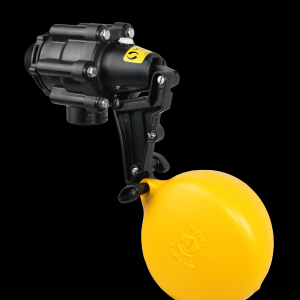
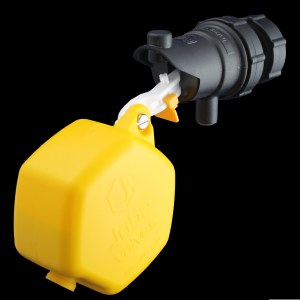
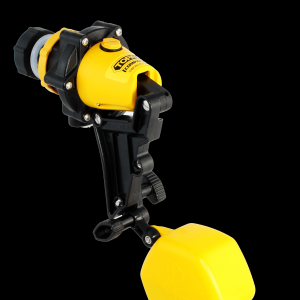
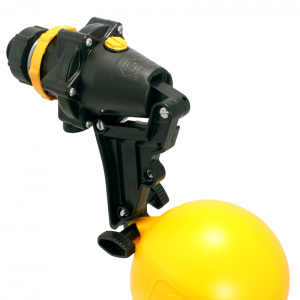
The Anti-Siphon Metal Trough Float Valve is designed for automatic water-level management in livestock troughs, stock tanks, barrels and similar watering containers. A durable aluminum housing protects the valve mechanism, while the float-operated design automatically opens the water supply as the level falls and closes it when the preset level is restored. The integrated anti-siphon configuration helps reduce the risk of reverse water movement toward the supply line, making the valve suitable for commercial livestock watering systems where water hygiene, dependable operation and simple installation are important. |
||||||||||||||||||||||
| Key Features |
|
||||||||||||||||||||||
| Structural Components |
|
||||||||||||||||||||||
| Working Principle |
When livestock consume water and the trough level drops, the float moves downward and mechanically opens the inlet valve. Fresh water enters the trough until the float rises to the preset level, at which point the valve closes automatically. The anti-siphon section is incorporated into the inlet arrangement to help reduce back-siphoning from the trough toward the upstream water line. Final installation should comply with local plumbing, water-quality and livestock-farm biosecurity requirements. |
||||||||||||||||||||||
| Technical Specifications |
|
||||||||||||||||||||||
| Applications |
|
||||||||||||||||||||||
| Customization Options |
For livestock-equipment projects, connection and installation configurations can be selected according to the farm water system and trough structure. Available options may include compatible inlet adapters, mounting accessories, hose or pipe connection kits and project-specific packaging. Final configuration is customizable according to project requirements and local farm conditions. |
||||||||||||||||||||||
| Installation & Maintenance |
|
||||||||||||||||||||||
| Product FAQ |
Q: What does the anti-siphon function do? A: It is designed to help reduce back-siphoning from the livestock trough toward the upstream water supply. Local plumbing regulations should still be checked for each project. Q: Does the valve require electricity? A: No. Water-level control is performed mechanically by the float and valve mechanism. Q: What water pressure is recommended? A: The reference operating range is approximately 20-50 psi. Where farm-line pressure exceeds this range, an appropriate upstream pressure regulator should be considered. Q: Can it be used in commercial pig farms? A: Yes. It can be installed on suitable troughs or auxiliary stock tanks in pig houses, service areas and livestock watering systems, provided the required flow capacity and mounting conditions are confirmed. Q: Can the connection be adapted to metric farm pipework? A: Compatible adapters and connection solutions can be supplied or selected according to project requirements. Q: Is regular maintenance required? A: Routine inspection and cleaning of the float mechanism, orifice, inlet connection and mounting hardware are recommended to maintain reliable water flow. |
- Home
-
Products
- Pig Farming Equipment
- Cattle Farming Equipment
- Sheep & Goat Farming Equipment
- Poultry Farming Equipment
- Feeding & Drinking Systems
- Veterinary & Breeding Equipment
- Testing & Diagnostic Equipment
- Cleaning & Biosecurity Equipment
- Climate Control Equipment
- Livestock Weighing Equipment
- Manure & Waste Management
- Farm Transport & Handling
-
Solutions
- Pig Farm Solutions
- Dairy Farm Solutions
- Beef Cattle Farm Solutions
- Sheep & Goat Farm Solutions
- Layer Farm Solutions
- Broiler Farm Solutions
- Feeding & Drinking System Solutions
- Climate Control Solutions
- Biosecurity & Disinfection Solutions
- Manure & Waste Management
- Smart Farming Solutions
- Farm Renovation and Upgrade Solutions
- Partners
- Projects
- Resources
- News
- About Us
- Contact
Comments & Inquiries
Leave your questions or requirements below. We will reply as soon as possible.