
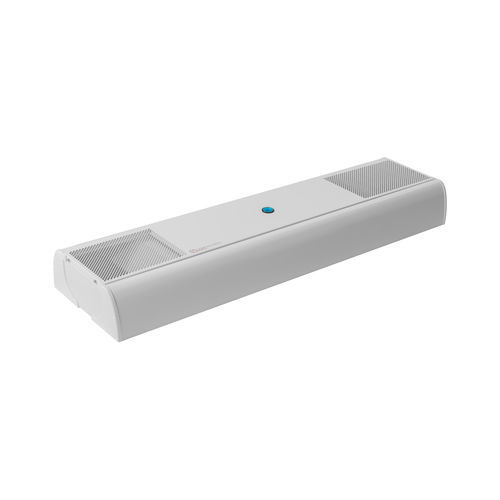
| Product Name | Mobile UV-C Air and Surface Disinfection Unit | ||||||||||||||||||||||||||||
| Product Image | 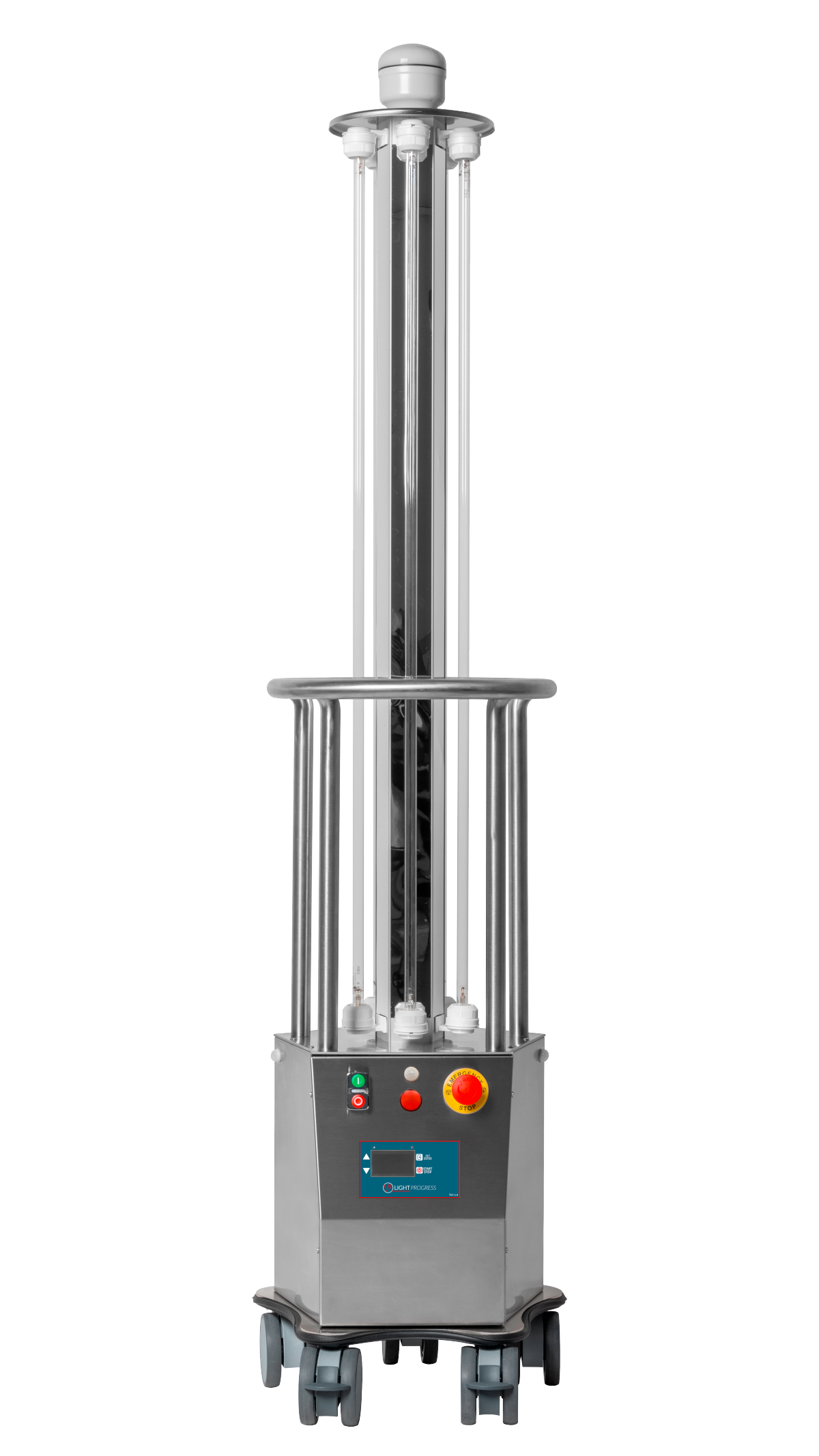 |
||||||||||||||||||||||||||||
| Product Overview | The Mobile UV-C Air and Surface Disinfection Unit is a portable germicidal irradiation system designed for controlled sanitation of enclosed agricultural and livestock-farm service areas. The unit uses high-output UV-C lamps arranged around a mobile vertical frame to provide broad direct irradiation of exposed surfaces. Natural air movement through the treatment area also allows airborne microorganisms passing through the irradiation zone to be exposed to UV-C energy. The mobile design allows one unit to be transferred between changing rooms, equipment rooms, veterinary rooms, farm offices, storage areas and other suitable enclosed spaces according to the sanitation schedule. Direct UV-C treatment must be carried out without personnel or animals present in the treatment zone. Integrated motion detection, remote operation and automatic safety shut-off functions can help reduce the risk of accidental UV-C exposure. |
||||||||||||||||||||||||||||
| Key Features |
|
||||||||||||||||||||||||||||
| Structural Components |
|
||||||||||||||||||||||||||||
| Working Principle | UV-C radiation in the germicidal wavelength range acts on microorganisms exposed to the radiation field. The unit uses high-output UV-C lamps positioned around the mobile structure to irradiate exposed surfaces from multiple directions. Before treatment, personnel and animals must leave the room. The unit is positioned so that the target surfaces receive suitable UV-C exposure with minimal shadowing. The treatment cycle is then started remotely or through the programmed control system. During operation, direct UV-C radiation treats illuminated surfaces. Natural air circulation also moves air through the irradiation field, allowing airborne microorganisms passing close to the lamps to receive UV-C exposure. After the programmed cycle is completed, the lamps switch off and personnel may re-enter according to the site's UV-C safety procedure. |
||||||||||||||||||||||||||||
| Technical Specifications |
|
||||||||||||||||||||||||||||
| Applications |
|
||||||||||||||||||||||||||||
| Customization Options |
|
||||||||||||||||||||||||||||
| Installation & Maintenance | Position the mobile UV-C unit on a stable and level floor with a clear line of sight to the surfaces requiring treatment. Furniture, equipment and other obstacles can create UV shadows and should be considered when planning treatment positions. Personnel and animals must leave the treatment area before direct UV-C operation begins. Doors or access points should be controlled during treatment, and suitable warning signs should be used according to the farm safety procedure. Routine maintenance includes cleaning the UV-C lamps and reflective surfaces, checking protective guards and wheels, verifying correct sensor operation and monitoring accumulated lamp operating hours. UV-C lamp output decreases over time. Lamps should therefore be replaced according to their rated service life and operating-hour records. Electrical maintenance should only be carried out with the equipment disconnected from the power supply. |
||||||||||||||||||||||||||||
| Project Cases | Mobile UV-C equipment is suitable for livestock projects where multiple enclosed rooms require scheduled disinfection but permanent UV-C fixtures are not required in every area. In commercial pig farms, one mobile unit can be moved between changing rooms, veterinary rooms, equipment preparation rooms and other unoccupied support areas according to the farm sanitation schedule. For larger or irregularly shaped rooms, multiple treatment positions or multiple UV-C units may be required to reduce shadowed areas and provide more uniform surface exposure. Treatment layout, operating time and equipment quantity should be determined according to room geometry, UV-C lamp output, distance to target surfaces and the required UV-C dose. |
||||||||||||||||||||||||||||
| Product FAQ | Q: Can the unit disinfect both air and surfaces? A: Yes. Direct UV-C irradiation treats exposed surfaces, while naturally circulating air passing through the irradiation field can also receive UV-C treatment. Q: Can people stay in the room while the unit is operating? A: No. Direct UV-C irradiation of this type is designed for use in unoccupied areas. Personnel and animals must leave the treatment zone before operation. Q: Does the unit produce ozone? A: The reference configuration uses ozone-free UV-C lamps operating at approximately 253.7 nm. Q: What happens if somebody enters the room during treatment? A: Safety-sensor configurations can automatically interrupt UV-C operation when movement is detected. Q: Can the unit be moved between different farm rooms? A: Yes. The wheeled mobile structure is designed for convenient relocation between suitable treatment areas. Q: How long does one treatment cycle take? A: Treatment duration depends on lamp output, distance, room dimensions, microorganism reduction target and required UV-C dose. The operating time should therefore be determined according to the project conditions. Q: Does UV-C replace normal cleaning? A: No. UV-C is most effective as part of an integrated sanitation program. Visible dirt and organic material should be removed through normal cleaning before UV-C treatment. Q: What routine maintenance is required? A: Keep the lamps and reflective surfaces clean, inspect safety sensors and mobile components, and replace UV-C lamps according to operating hours and rated lamp life. |
||||||||||||||||||||||||||||
| Product Gallery | 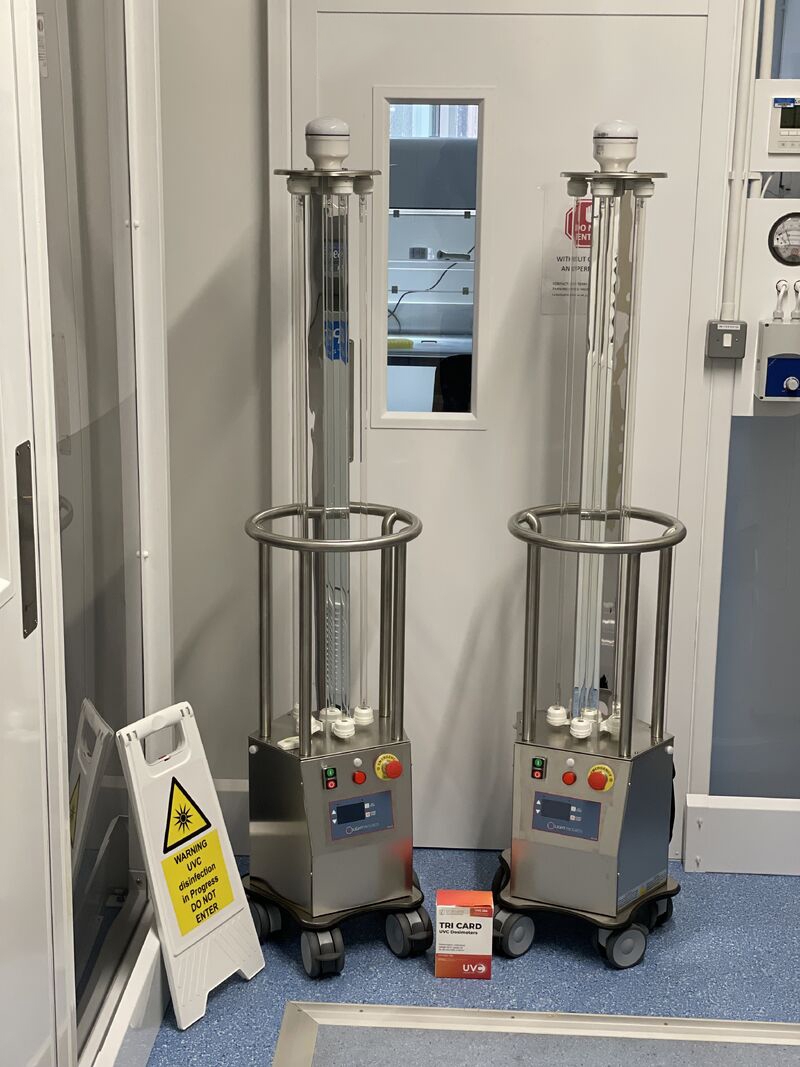 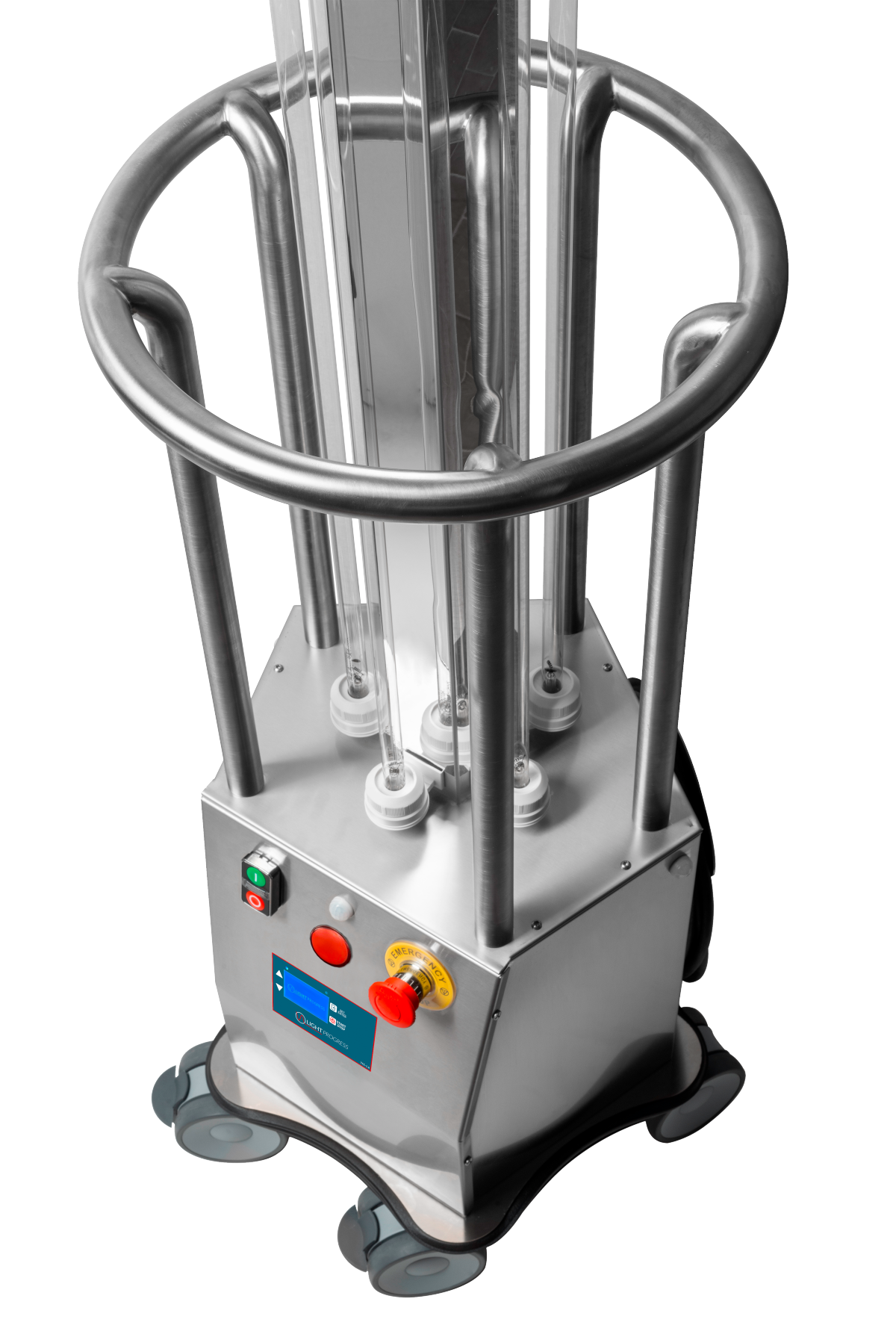 |
- Home
-
Products
- Pig Farming Equipment
- Cattle Farming Equipment
- Sheep & Goat Farming Equipment
- Poultry Farming Equipment
- Feeding & Drinking Systems
- Veterinary & Breeding Equipment
- Testing & Diagnostic Equipment
- Cleaning & Biosecurity Equipment
- Climate Control Equipment
- Livestock Weighing Equipment
- Manure & Waste Management
- Farm Transport & Handling
-
Solutions
- Pig Farm Solutions
- Dairy Farm Solutions
- Beef Cattle Farm Solutions
- Sheep & Goat Farm Solutions
- Layer Farm Solutions
- Broiler Farm Solutions
- Feeding & Drinking System Solutions
- Climate Control Solutions
- Biosecurity & Disinfection Solutions
- Manure & Waste Management
- Smart Farming Solutions
- Farm Renovation and Upgrade Solutions
- Partners
- Projects
- Resources
- News
- About Us
- Contact


Comments & Inquiries
Leave your questions or requirements below. We will reply as soon as possible.