

| Product Showcase | Content | ||||||||||||||||||||||||||||||||||||||||||
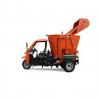
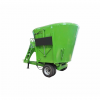
| Product Name | Autonomous Unmanned TMR Feeding Vehicle | ||||||||||||||||||||||||||||||||||||||||||
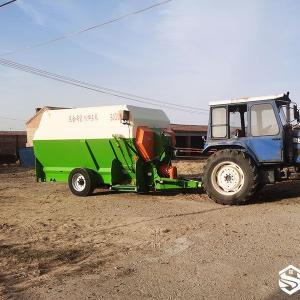
| Product Image |  |
||||||||||||||||||||||||||||||||||||||||||
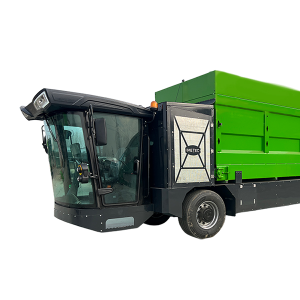
| Product Overview | The Autonomous Unmanned TMR Feeding Vehicle is an intelligent electric livestock feeding solution designed for modern dairy farms, beef cattle farms, goat-farming-equipment/" target="_blank" class="keylink">sheep farms and large-scale livestock projects. The vehicle combines TMR transportation, autonomous navigation, scheduled feeding, quantitative ration distribution and digital management in one mobile platform. Prepared Total Mixed Ration can be transported from a centralized feed kitchen or stationary mixer to designated livestock groups with minimal operator intervention. Track-free intelligent navigation makes the system suitable for new livestock buildings as well as automation upgrades in existing steel-structure cattle barns. |
||||||||||||||||||||||||||||||||||||||||||
| Key Features |
|
||||||||||||||||||||||||||||||||||||||||||
| Structural Components |
|
||||||||||||||||||||||||||||||||||||||||||
| Working Principle | Feed Loading: Prepared TMR is loaded from a stationary mixer, feed kitchen or other ration-preparation system into the vehicle hopper. Task Scheduling: Feeding time, route, destination livestock group and distribution parameters are assigned through the control system. Autonomous Navigation: The vehicle identifies its position and follows the programmed route using intelligent navigation technology. Obstacle Detection: Safety sensors continuously monitor the operating environment and can command the vehicle to slow or stop when an obstacle is detected. Feed Conveying: A scraper-chain system moves TMR toward the discharge section. Feed Distribution: The belt conveyor delivers ration along the feed bunk according to the selected discharge direction and operating parameters. Task Completion: After distribution, the vehicle can return to the designated loading, parking or charging area according to system configuration. |
||||||||||||||||||||||||||||||||||||||||||
| Technical Specifications |
|
||||||||||||||||||||||||||||||||||||||||||
| Applications |
|
||||||||||||||||||||||||||||||||||||||||||
| Customization Options |
|
||||||||||||||||||||||||||||||||||||||||||
| Installation & Maintenance | Before commissioning, confirm feed-alley width, doorway clearance, turning space, floor condition, loading position, parking area and charging location. The autonomous navigation map and feeding routes should be configured according to the actual livestock-building layout. Emergency-stop devices and obstacle-detection functions should be tested before unmanned operation. Routine maintenance includes inspection of batteries, electrical connectors, LiDAR sensors, drive components, hydraulic brakes, scraper chains, discharge belts and communication equipment. Feed residues should be removed regularly to maintain hygiene and reliable operation. |
||||||||||||||||||||||||||||||||||||||||||
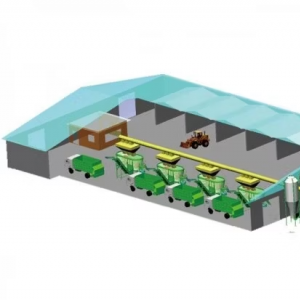
| Project Cases | Autonomous TMR feeding vehicles can be integrated with stationary mixers and centralized feed kitchens to create a coordinated workflow from ration preparation to livestock-barn distribution. Project planning should consider herd size, daily TMR volume, feeding frequency, number of animal groups, route length, feed-alley dimensions and charging requirements. |
||||||||||||||||||||||||||||||||||||||||||
| Product FAQ | Q: Can the vehicle operate without a driver? A: Yes. Compatible configurations support autonomous operation as well as manual driving. Q: Does it require fixed guide rails? A: Track-free navigation configurations can operate without fixed floor rails. Q: Can it detect livestock and workers? A: Obstacle-detection systems can identify objects in the travel path and trigger appropriate safety responses. Q: Can feeding tasks be scheduled remotely? A: Yes. Compatible control systems support remote scheduling, start/stop control and operating-status monitoring. Q: Can the discharge system be customized? A: Yes. Discharge direction and discharge height can be configured according to project requirements. Q: Is the vehicle suitable for existing cattle barns? A: Yes. The system can be designed according to existing feed-alley dimensions, barn layout and operating conditions. |
||||||||||||||||||||||||||||||||||||||||||
| Product Gallery |   |
- Home
-
Products
- Pig Farming Equipment
- Cattle Farming Equipment
- Sheep & Goat Farming Equipment
- Poultry Farming Equipment
- Feeding & Drinking Systems
- Veterinary & Breeding Equipment
- Testing & Diagnostic Equipment
- Cleaning & Biosecurity Equipment
- Climate Control Equipment
- Livestock Weighing Equipment
- Manure & Waste Management
- Farm Transport & Handling
-
Solutions
- Pig Farm Solutions
- Dairy Farm Solutions
- Beef Cattle Farm Solutions
- Sheep & Goat Farm Solutions
- Layer Farm Solutions
- Broiler Farm Solutions
- Feeding & Drinking System Solutions
- Climate Control Solutions
- Biosecurity & Disinfection Solutions
- Manure & Waste Management
- Smart Farming Solutions
- Farm Renovation and Upgrade Solutions
- Partners
- Projects
- Resources
- News
- About Us
- Contact
Comments & Inquiries
Leave your questions or requirements below. We will reply as soon as possible.