

| Product Showcase | Content | ||||||||||||||||||||||||||||
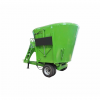
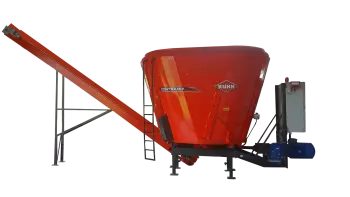
| Product Name | Stationary Vertical TMR Feed Mixer | ||||||||||||||||||||||||||||
| Product Image | 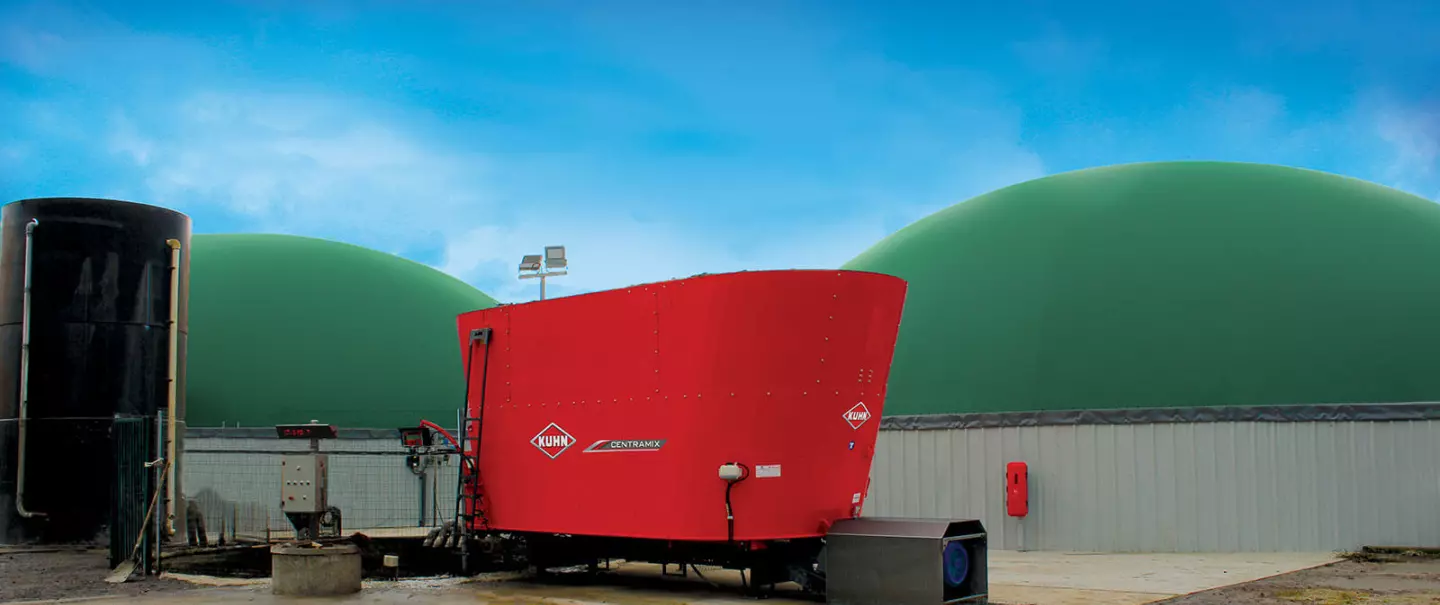 |
||||||||||||||||||||||||||||
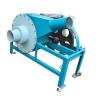
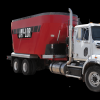
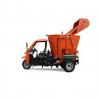
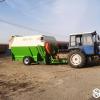
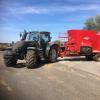
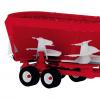
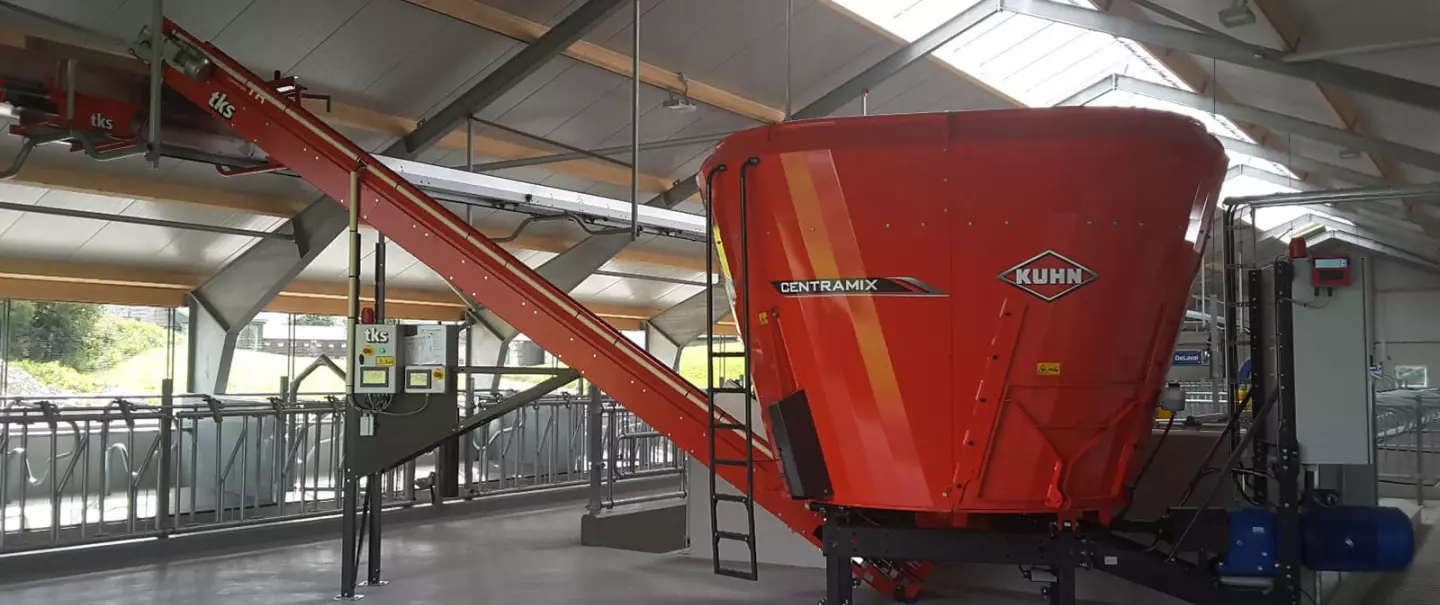
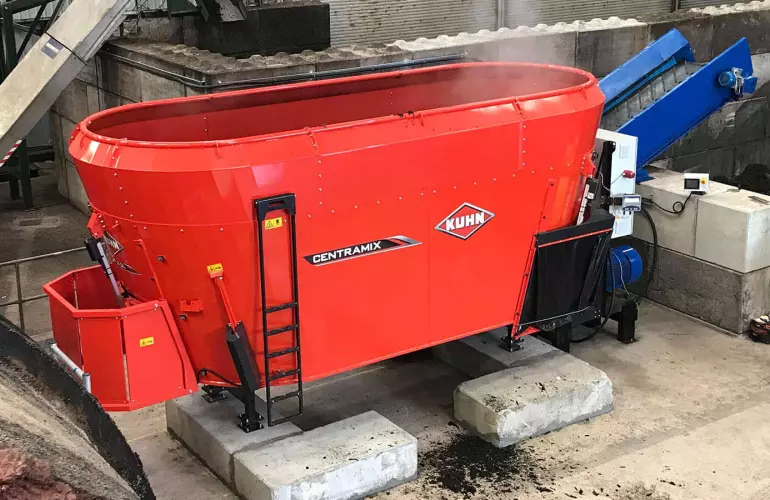
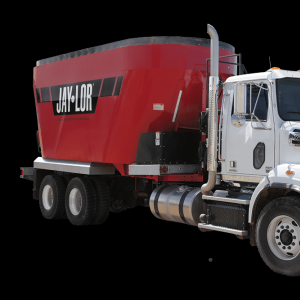
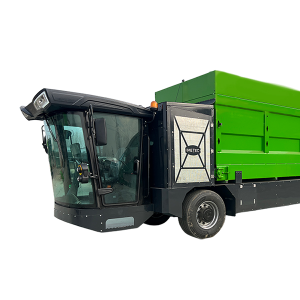
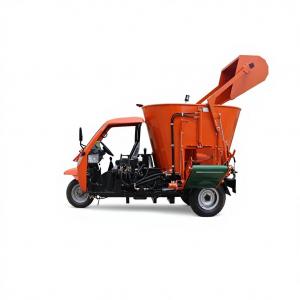
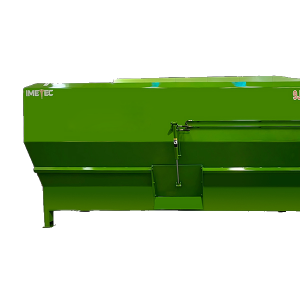
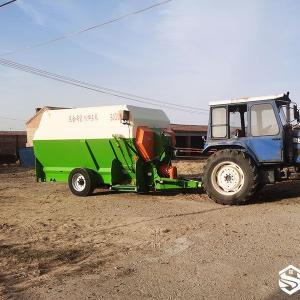
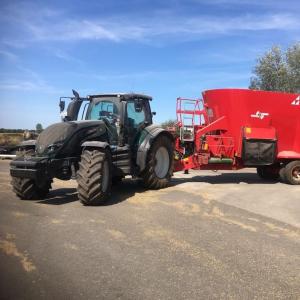
| Product Overview | The Stationary Vertical TMR Feed Mixer is designed for centralized feed preparation in dairy farms, beef cattle operations, livestock feeding centers and automated feed kitchens. Unlike tractor-trailed mixer wagons, the stationary mixer is permanently installed in a dedicated feeding area and driven by an electric motor. Forage, silage, straw, concentrates, minerals and other ration ingredients can be loaded manually or through automated conveying systems. After mixing, the finished Total Mixed Ration can be discharged through a chute, belt conveyor or other distribution equipment for transfer to feed carts, delivery wagons, feeding robots or fixed feeding lines. |
||||||||||||||||||||||||||||
| Key Features |
|
||||||||||||||||||||||||||||
| Structural Components |
|
||||||||||||||||||||||||||||
| Working Principle | Ingredient Loading: Silage, hay, straw, concentrates, minerals and other feed materials are introduced into the mixer manually or through automated loading modules. Electronic Weighing: When equipped with load cells, ingredient quantities are monitored during loading according to the programmed ration formula. Vertical Mixing: The electrically driven vertical auger lifts and circulates material through the mixing chamber while knives process long-fiber ingredients. Ration Homogenization: Continuous circulation distributes forage, concentrate and supplements throughout the batch to produce a consistent Total Mixed Ration. Automatic Discharge: The finished ration is discharged onto a belt conveyor, chute or other transfer system for delivery to the livestock feeding area. |
||||||||||||||||||||||||||||
| Technical Specifications |
|
||||||||||||||||||||||||||||
| Applications |
|
||||||||||||||||||||||||||||
| Customization Options |
|
||||||||||||||||||||||||||||
| Installation & Maintenance | Install the mixer on a reinforced, level concrete foundation capable of supporting the operating load and dynamic forces generated during mixing. Adequate space should be reserved around the machine for loading equipment, conveyor systems and maintenance access. Electrical installation should include suitable overload protection, emergency-stop devices and grounding according to local electrical regulations. Loading and discharge conveyors should be aligned correctly with the mixer openings. Routine maintenance includes inspection of auger knives, wear plates, gearbox, electric motor, bearings, load cells, conveyors and electrical controls. High-wear mixing components should be inspected regularly and replaced when necessary. |
||||||||||||||||||||||||||||
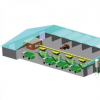
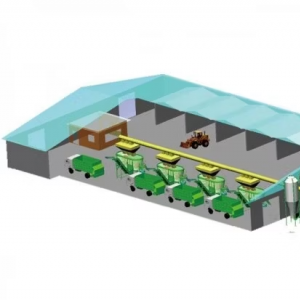
| Project Cases | Stationary TMR mixers are commonly integrated into centralized feed kitchens where forage and concentrate ingredients are automatically loaded, weighed and mixed before being transferred to feed wagons, conveyors or robotic distribution equipment. System design should consider herd size, number of ration groups, daily feed volume, available building space, ingredient-storage arrangement and required degree of automation. |
||||||||||||||||||||||||||||
| Product FAQ | Q: What is the main advantage of a stationary TMR mixer? A: A stationary mixer centralizes ration preparation and uses an electric drive, making it suitable for fixed feed kitchens and automated feeding systems. Q: Can the mixer be connected to automatic loading equipment? A: Yes. Conveyor systems, forage loading modules, concentrate silos and liquid dosing systems can be integrated according to project requirements. Q: How is the mixed ration distributed? A: The finished ration can be discharged through a chute or conveyor to a feed cart, delivery wagon, feeding robot or fixed distribution system. Q: Can the mixer include electronic weighing? A: Yes. Electronic load-cell weighing can be supplied for accurate ingredient loading and ration management. Q: Can the system operate automatically? A: Yes. Manual, semi-automatic and automated configurations can be designed depending on the feed kitchen and farm-management requirements. Q: What capacity is suitable for my farm? A: Mixer size should be selected according to herd size, ration density, feeding frequency, daily feed requirement and the number of feeding groups. |
||||||||||||||||||||||||||||
| Product Gallery |
|
- Home
-
Products
- Pig Farming Equipment
- Cattle Farming Equipment
- Sheep & Goat Farming Equipment
- Poultry Farming Equipment
- Feeding & Drinking Systems
- Veterinary & Breeding Equipment
- Testing & Diagnostic Equipment
- Cleaning & Biosecurity Equipment
- Climate Control Equipment
- Livestock Weighing Equipment
- Manure & Waste Management
- Farm Transport & Handling
-
Solutions
- Pig Farm Solutions
- Dairy Farm Solutions
- Beef Cattle Farm Solutions
- Sheep & Goat Farm Solutions
- Layer Farm Solutions
- Broiler Farm Solutions
- Feeding & Drinking System Solutions
- Climate Control Solutions
- Biosecurity & Disinfection Solutions
- Manure & Waste Management
- Smart Farming Solutions
- Farm Renovation and Upgrade Solutions
- Partners
- Projects
- Resources
- News
- About Us
- Contact
Comments & Inquiries
Leave your questions or requirements below. We will reply as soon as possible.