

| Product Showcase | Content | ||||||||||||||||||||||||||
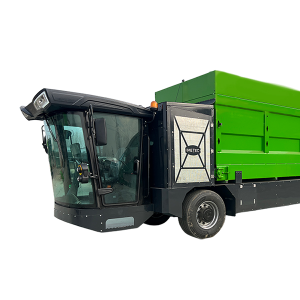
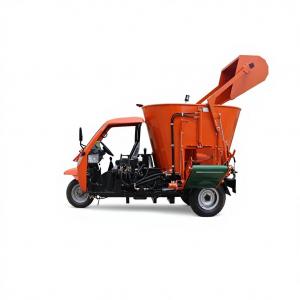
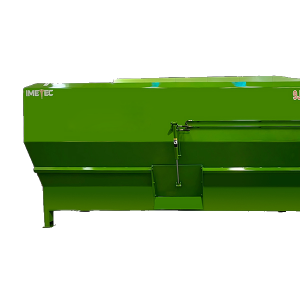
| Product Name | Electric Self-Propelled TMR Mixer Feeder | ||||||||||||||||||||||||||
| Product Image | 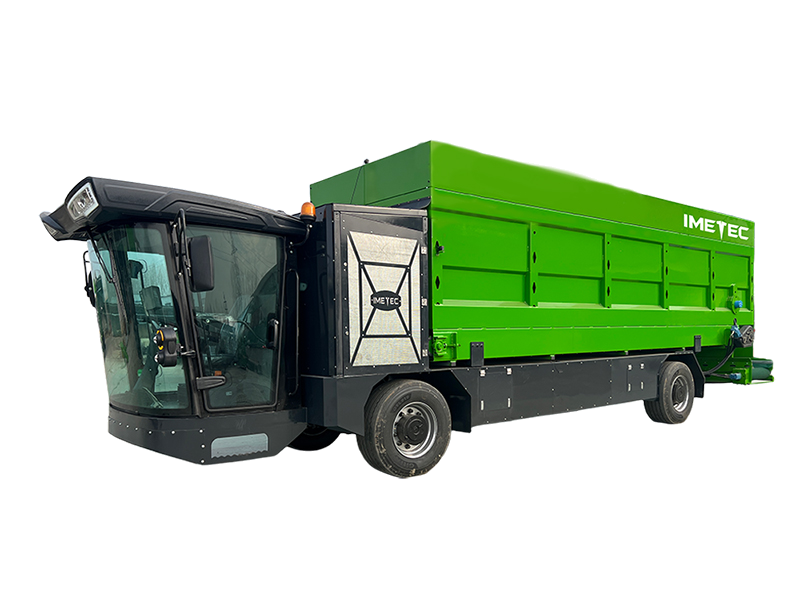 |
||||||||||||||||||||||||||
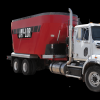
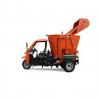
| Product Overview | The Electric Self-Propelled TMR Mixer Feeder is an integrated feeding machine developed for modern dairy farms, beef cattle operations and large-scale livestock projects requiring efficient, low-emission feed preparation and distribution. The machine combines electric propulsion, vertical TMR mixing, electronic weighing, feed transport and belt discharge functions on one self-propelled chassis. This integrated configuration can reduce dependence on separate tractors, mixer wagons and feed-distribution vehicles. Pure-electric operation provides low operating noise and eliminates exhaust emissions during barn feeding, making the machine particularly suitable for enclosed or semi-enclosed livestock buildings and modern steel-structure cattle barns. |
||||||||||||||||||||||||||
| Key Features |
|
||||||||||||||||||||||||||
| Structural Components |
|
||||||||||||||||||||||||||
| Working Principle | Ingredient Loading: Silage, hay, straw, concentrates, minerals and other ration components are loaded into the mixing tub according to the required TMR formula. Electronic Weighing: Load cells monitor ingredient weight during loading to support accurate ration preparation. Vertical Mixing: Twin vertical augers lift, cut and circulate feed ingredients throughout the mixing chamber until a homogeneous Total Mixed Ration is achieved. Electric Transport: The self-propelled electric chassis transports the prepared ration from the feed-preparation area to the livestock barn without requiring a separate tractor. Controlled Distribution: The belt discharge system distributes the mixed ration along the feed bunk according to the required feeding quantity and travel speed. Data Recording: Compatible intelligent management systems can record ration, loading and distribution information for digital feeding management. |
||||||||||||||||||||||||||
| Technical Specifications |
|
||||||||||||||||||||||||||
| Applications |
|
||||||||||||||||||||||||||
| Customization Options |
|
||||||||||||||||||||||||||
| Installation & Maintenance | Before operation, confirm that barn entrances, feed alleys, turning areas and loading zones are compatible with the selected machine dimensions. A suitable charging area with reliable electrical supply, grounding and environmental protection should be provided. Routine maintenance should include inspection of the battery system, electrical connectors, mixing augers, knives, gearbox components, hydraulic circuits, load cells, belt conveyor, tyres and braking system. Feed residues should be removed regularly from the mixing tub and discharge conveyor. Battery charging and storage procedures should follow the supplied operating instructions, particularly under very low or high ambient temperatures. |
||||||||||||||||||||||||||
| Project Cases | Electric self-propelled TMR feeding systems are suitable for large farms seeking to simplify the traditional workflow involving separate mixing, transport and feed-distribution equipment. Project planning should evaluate daily feed volume, number of ration groups, operating distance, charging opportunities, barn dimensions, feed-alley width and required working hours before selecting machine capacity and battery configuration. |
||||||||||||||||||||||||||
| Product FAQ | Q: What is the main advantage of an electric self-propelled TMR feeder? A: It combines ration mixing, transport and feed distribution in one machine while reducing diesel use, exhaust emissions and operating noise. Q: What capacities are available? A: Reference configurations include 12 m³, 16 m³, 18 m³ and 24 m³. Other configurations can be discussed according to project requirements. Q: Does the machine include electronic weighing? A: Yes. Electronic weighing supports accurate ingredient loading and controlled ration preparation. Q: Can feeding information be monitored remotely? A: Remote monitoring and intelligent feeding-management functions are available depending on the selected control configuration. Q: Is the machine suitable for indoor cattle barns? A: Yes. Pure-electric drive provides low-noise and zero-exhaust operation at the point of use, making it suitable for many enclosed or semi-enclosed feeding environments. Q: Can the machine be configured for cold climates? A: Battery protection, electrical configuration and other components can be designed according to local climate and farm conditions. |
||||||||||||||||||||||||||
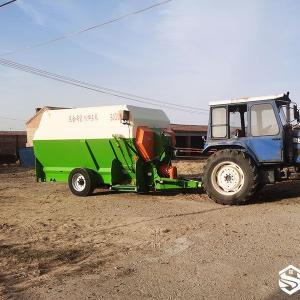
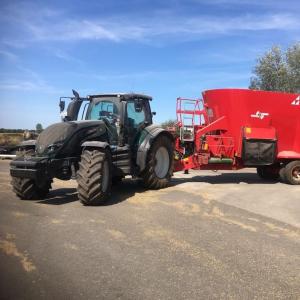
| Product Gallery | 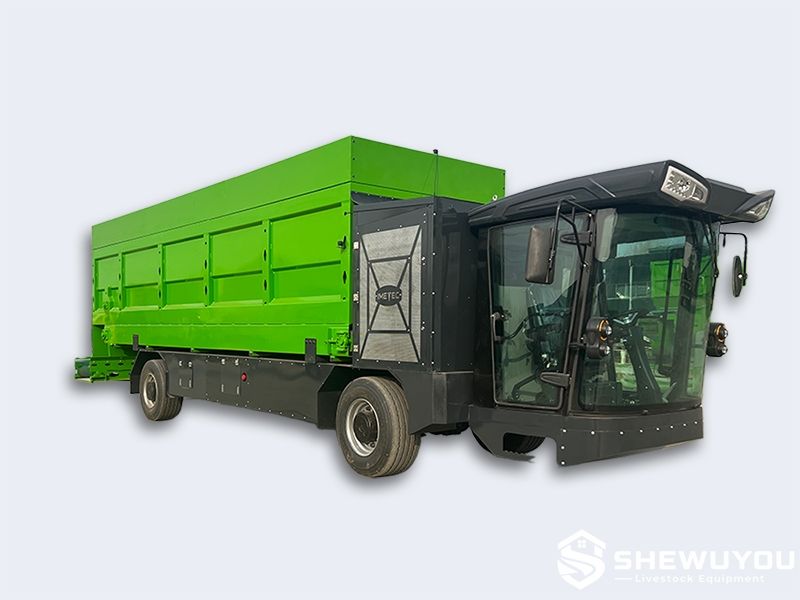 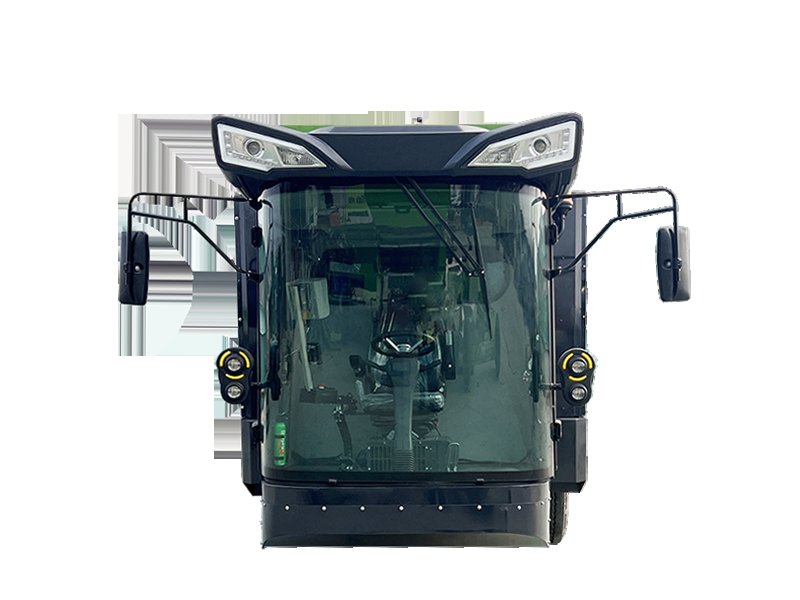 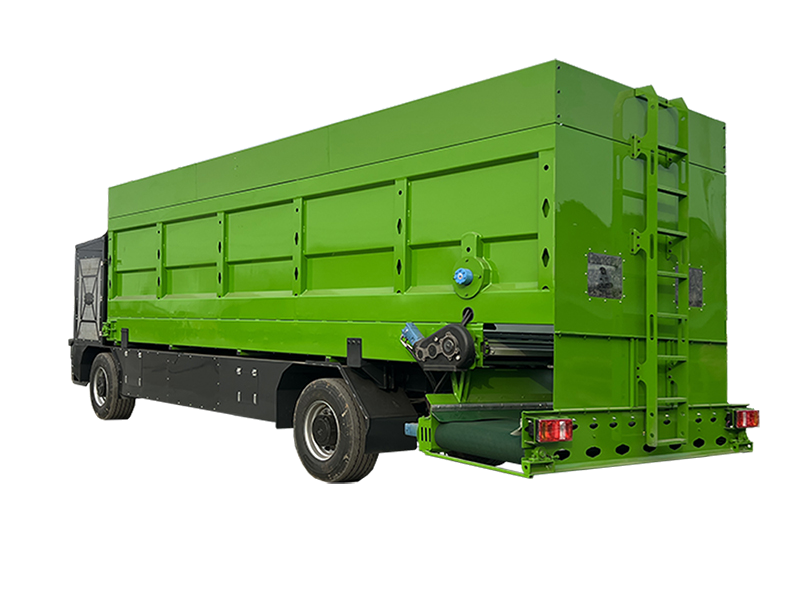 |
- Home
-
Products
- Pig Farming Equipment
- Cattle Farming Equipment
- Sheep & Goat Farming Equipment
- Poultry Farming Equipment
- Feeding & Drinking Systems
- Veterinary & Breeding Equipment
- Testing & Diagnostic Equipment
- Cleaning & Biosecurity Equipment
- Climate Control Equipment
- Livestock Weighing Equipment
- Manure & Waste Management
- Farm Transport & Handling
-
Solutions
- Pig Farm Solutions
- Dairy Farm Solutions
- Beef Cattle Farm Solutions
- Sheep & Goat Farm Solutions
- Layer Farm Solutions
- Broiler Farm Solutions
- Feeding & Drinking System Solutions
- Climate Control Solutions
- Biosecurity & Disinfection Solutions
- Manure & Waste Management
- Smart Farming Solutions
- Farm Renovation and Upgrade Solutions
- Partners
- Projects
- Resources
- News
- About Us
- Contact
Comments & Inquiries
Leave your questions or requirements below. We will reply as soon as possible.