Global Livestock Equipment Manufacturer & Supplier
SHEWUYOU · Livestock Equipment
Integrated Equipment Solutions for Pig, Cattle & Poultry Farms

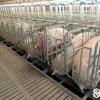
RFID Free Access Sow Feeding Stall

Product Showcase Content
Product Name RFID Free Access Sow Feeding Stall
Product Image
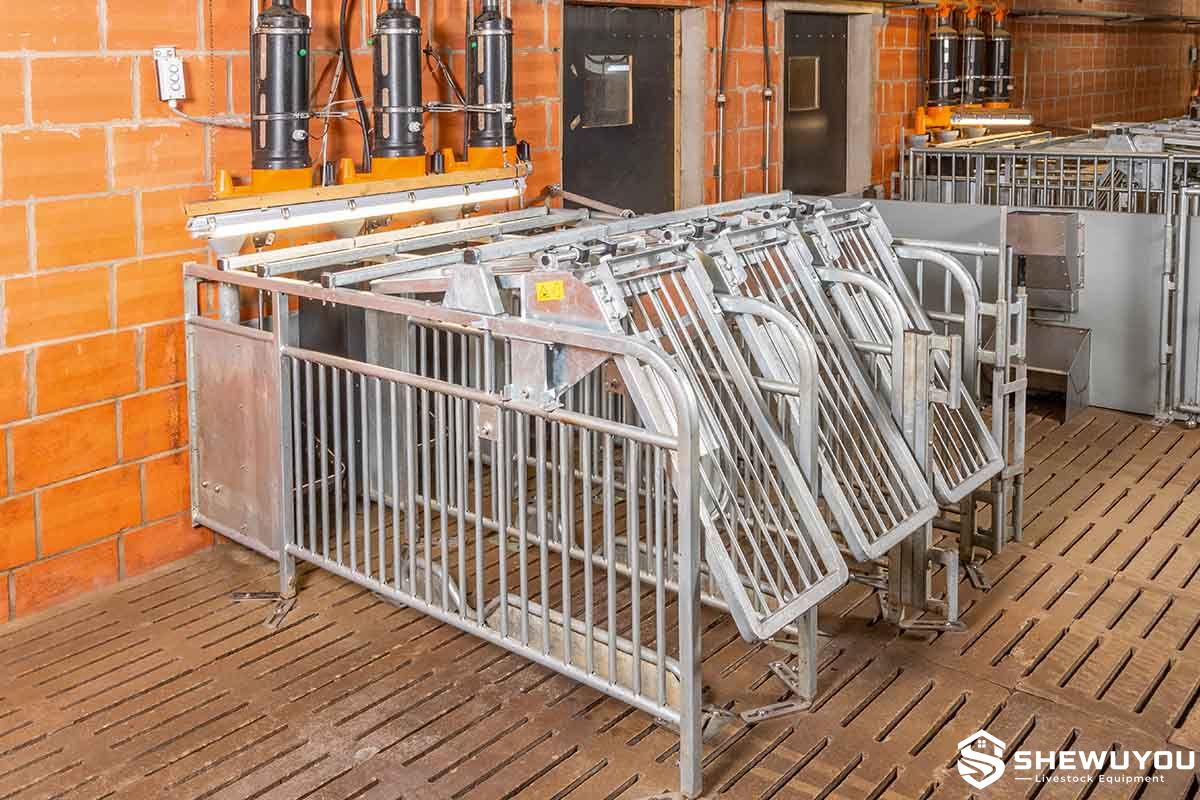
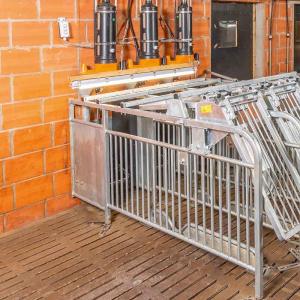
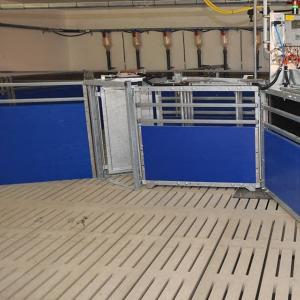
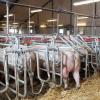
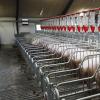
RFID free access sow feeding stall
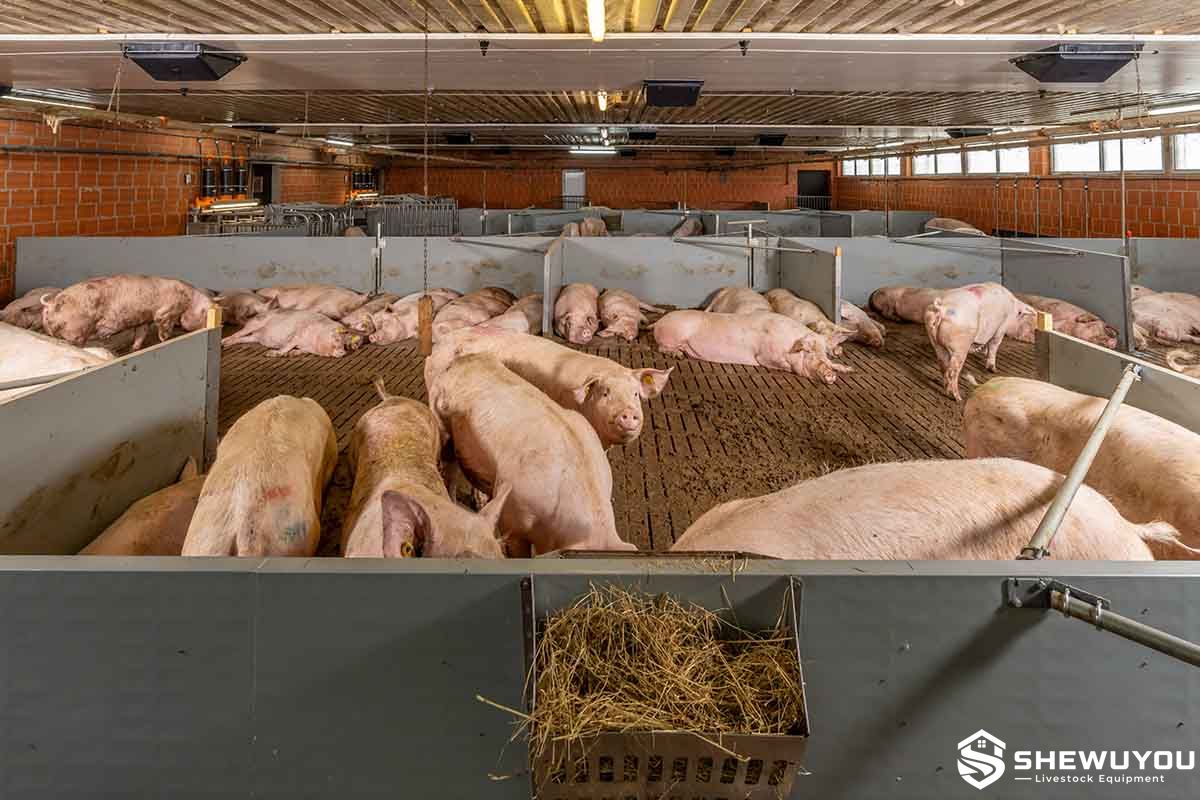
Product Overview The RFID Free Access Sow Feeding Stall combines individual electronic feeding with free-access housing for pregnant sows kept in groups. Each sow can be identified through an RFID ear tag when she enters the protected feeding stall, allowing the control system to determine her feeding entitlement and dispense a programmed ration.

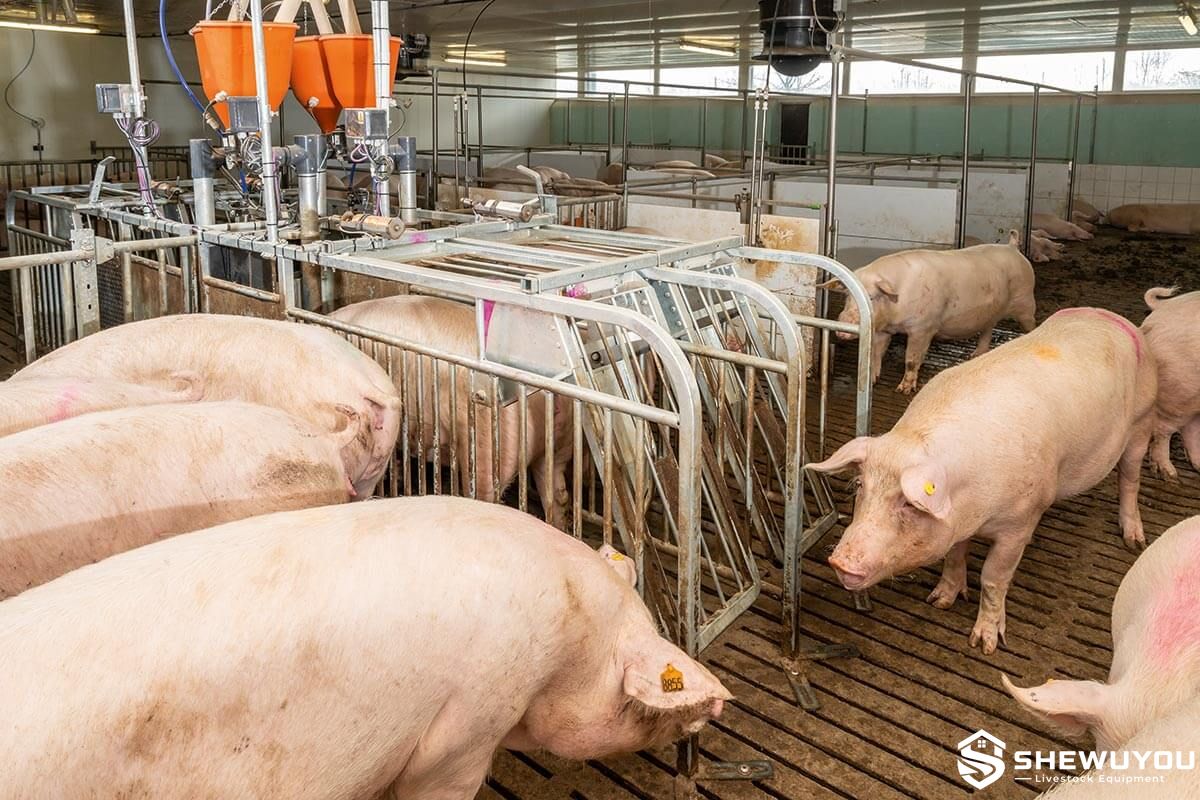
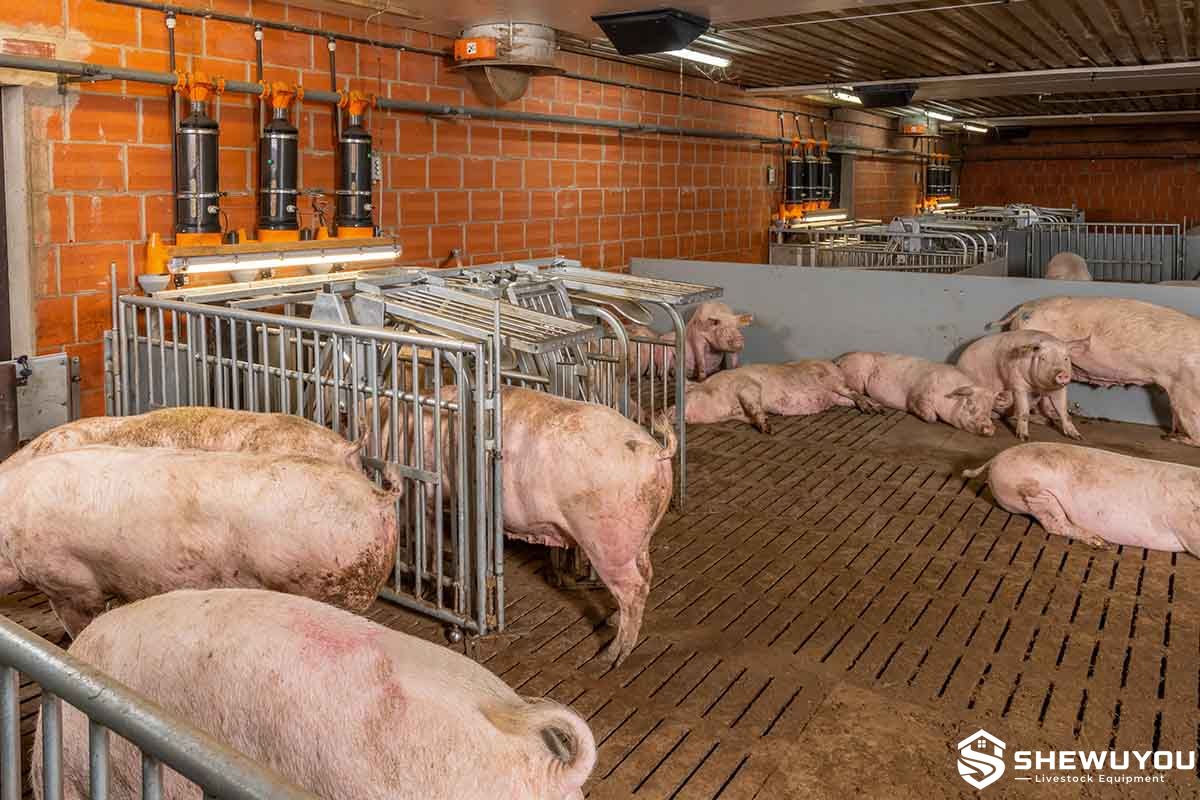
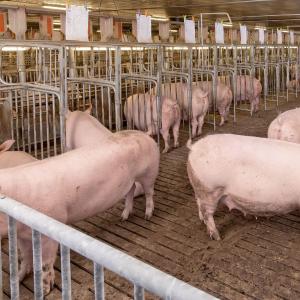
The free-access structure enables the sow to enter the feeding position voluntarily while helping protect her from interference by other animals during feeding. This arrangement supports individual nutrition management without removing the sow from the group-housing environment.

The system is suitable for modern commercial gestation barns where accurate feeding, animal identification, feeding-data management and efficient use of barn space are required. It can be integrated with automatic feed delivery, drinking equipment, RFID management, slatted flooring, manure handling and environmental-control systems.
Key Features
  • RFID Individual Identification: Each sow can be recognized through an electronic ear tag for individual feeding and management.
  • Individual Feed Allocation: Feed quantity can be programmed according to body condition, production stage and farm feeding strategy.
  • Protected Feeding Space: The stall helps prevent other sows from disturbing the identified animal while she is eating.
  • Free Access Operation: The sow can voluntarily enter the feeding station and leave after feeding according to the selected system configuration.
  • Automatic Feed Dosing: A controlled dosing unit delivers feed into the trough after successful animal identification and feeding authorization.
  • Group Housing Compatibility: Supports individual feeding while pregnant sows remain housed in social groups.
  • Feeding Data Management: Feeding visits, ration delivery and abnormal feeding behavior can be recorded when connected to a compatible management controller.
  • Reduced Feed Competition: Closed or partially enclosed feeding areas help limit visual and physical competition around the trough.
  • Modular System Design: Additional feeding stations can be incorporated according to herd size and project requirements.
  • Retrofit Capability: The modular arrangement can be adapted to many existing gestation houses subject to site conditions.
  • Heavy-Duty Construction: Galvanized steel components are designed for intensive livestock-house environments.
Structural Components
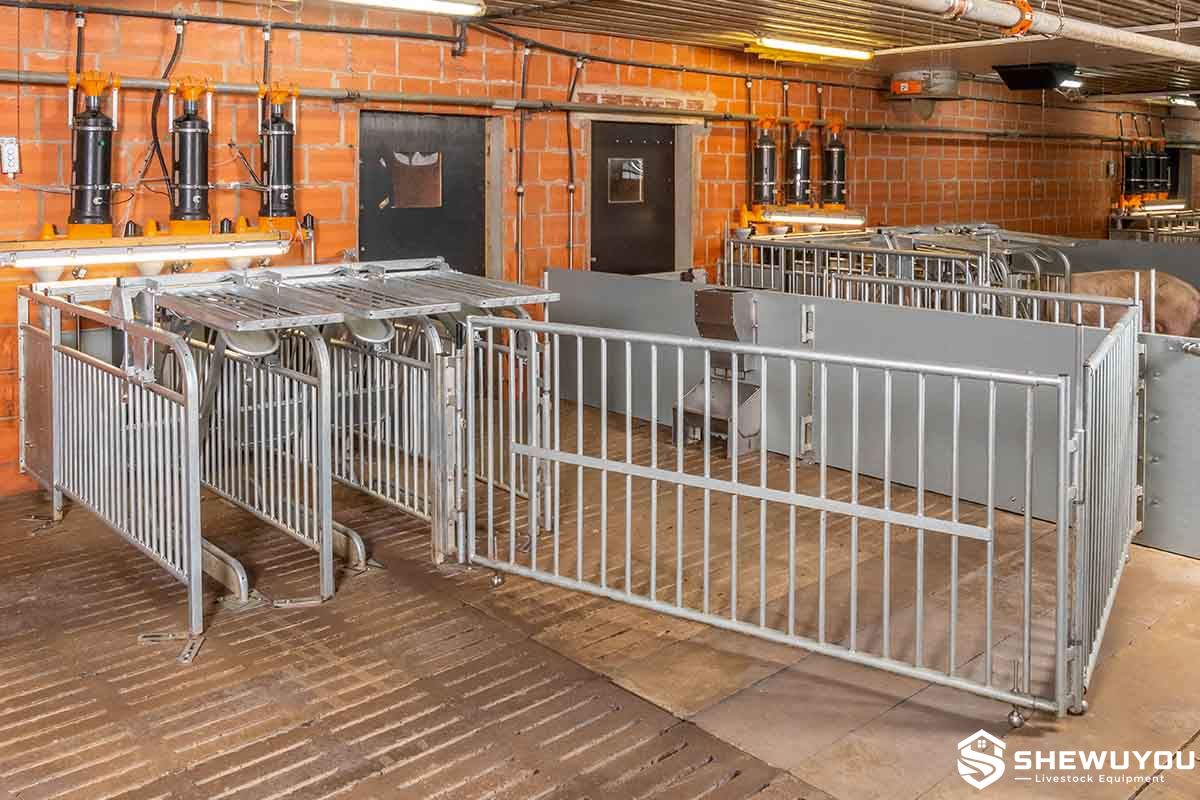
  • Free Access Stall Frame: Galvanized tubular steel structure forming the protected feeding position.
  • Entrance Gate Mechanism: Designed to allow sow entry while helping prevent another sow from entering an occupied station.
  • Protective Side Panels: Separate the feeding sow from neighboring animals and help reduce feeding disturbance.
  • RFID Antenna: Reads the sow's electronic identification tag as she reaches the feeding area.
  • Electronic Controller: Processes identification information and determines whether feed should be dispensed.
  • Feed Hopper: Stores feed immediately above or adjacent to the dosing system.
  • Feed Dosing Unit: Delivers programmed feed portions according to the individual feeding plan.
  • Feed Trough: Provides a protected eating position and can be configured according to project requirements.
  • Water Dosing Interface: Optional water addition to feed can be incorporated when required.
  • Identification and Marking Accessories: Color marking or related management accessories are available upon request.
  • Floor Fixing Components: Anchors and structural brackets secure the feeding station to the pig house floor.
Working Principle / Structural Principle Each sow is equipped with an RFID ear tag containing a unique identification code. When the sow enters the feeding stall, an RFID antenna positioned near the feeding area reads the tag and transmits the identification data to the feeding controller.

The controller checks the sow's feeding program and determines whether she is entitled to receive feed. If feeding is authorized, the dosing unit releases the programmed amount or individual portions of feed into the trough.

During feeding, the stall structure provides a protected space so other sows cannot easily interfere with the animal at the trough. The feeding sow can therefore consume her allocated ration with reduced competition.

After feeding, the sow leaves the station and another animal can enter. Feeding records can be stored by the compatible management system, allowing farm staff to identify animals with reduced feed intake, missed visits or other deviations requiring attention.
Technical Specifications
  • Product Type: RFID electronic sow feeding stall with free-access housing structure
  • Animal Application: Pregnant sows and replacement gilts
  • Identification Method: RFID electronic ear tag / transponder
  • Feeding Method: Individual computer-controlled feed allocation
  • Feed Type: Dry feed; other configurations available according to project requirements
  • Main Structure: Heavy-duty steel frame
  • Surface Treatment: Hot-dip galvanized or according to project requirements
  • Entrance Configuration: Free-access protective gate system
  • Side Protection: Open-frame or partially enclosed configuration according to project requirements
  • Feed Dosing: Electronic individual portion control
  • Feed Hopper: Capacity according to feeding-system design
  • Controller: Electronic feeding controller, specification available upon request
  • Data Management: RFID identification and individual feeding records
  • Water Addition: Optional
  • Color Marking: Optional
  • Heat Detection Integration: Available upon request
  • Station Capacity: Designed according to herd size, feeding strategy and project requirements
  • Stall Dimensions: Customizable
  • Floor Compatibility: Concrete, partially slatted or compatible gestation-house flooring
  • Installation Method: Modular assembly with engineered floor anchoring
Applications
  • Commercial sow gestation farms
  • Group housing systems for pregnant sows
  • RFID-based sow management projects
  • Precision feeding systems for breeding herds
  • Large-scale integrated pig farms
  • Replacement gilt management facilities
  • Smart pig farm and digital livestock projects
  • New steel-structure gestation houses
  • Existing gestation-barn renovation projects
  • Animal-management projects requiring individual feeding within group housing
Customization Options The RFID Free Access Sow Feeding Stall can be configured according to farm size, sow genetics, feeding strategy and pig house engineering requirements.
  • Stall dimensions and structural configuration
  • Number of feeding stations
  • RFID reader and ear-tag configuration
  • Feed hopper and dosing-unit configuration
  • Individual feeding-curve management
  • Feed trough material and design
  • Closed or partially closed trough-side panels
  • Water addition to feed
  • Animal marking system
  • Heat-detection integration
  • Central control and farm-management interface
  • Alarm and abnormal-feeding monitoring functions
  • Group pen dimensions and resting-area layout
  • Slatted-floor and manure-channel coordination
  • Ventilation and climate-control integration
  • New-build or retrofit pig house layouts
Final configuration is designed according to local climate and farm conditions, herd capacity, production workflow and applicable livestock-housing requirements.
Installation & Maintenance Installation:
  • Confirm the approved gestation-barn layout, sow group size, feeding-station quantity and animal circulation routes.
  • Verify the position of feed pipelines, electrical supply, control cables, water lines and floor anchoring points.
  • Install the galvanized stall frames and protective side structures according to the project drawing.
  • Install entrance mechanisms, troughs, feed hoppers and dosing equipment.
  • Install the RFID antenna at the specified identification position.
  • Connect the controller, dosing system and compatible farm-management equipment.
  • Secure the station to the structural floor using suitable anchors and fixing components.
  • Test RFID identification, feed authorization, dosing accuracy and gate operation before introducing animals.
  • Complete animal training and system commissioning according to the farm management plan.
Maintenance:
  • Clean the trough and feeding area regularly to prevent feed accumulation.
  • Keep RFID readers and identification areas clean and free from physical damage.
  • Inspect entrance mechanisms, hinges, fasteners and structural connections periodically.
  • Check feed hoppers and dosing units for blockage, abnormal wear or inaccurate delivery.
  • Inspect electrical cables, sensors and controller connections according to the maintenance schedule.
  • Review feeding records regularly to identify abnormal sow behavior or equipment problems.
  • Inspect galvanized surfaces and floor anchors during routine barn maintenance.
  • Replace worn mechanical or electronic components when required.
Product FAQ

Q: How does RFID identification work in the sow feeding stall?
A: Each sow carries an electronic ear tag. When she enters the feeding station, the RFID reader identifies the animal and the controller checks her individual feeding program before feed is dispensed.

Q: Can each sow receive a different feed quantity?
A: Yes. Individual feed allocation is one of the main purposes of an RFID electronic sow feeding system. Rations can be programmed according to the farm's feeding strategy and the condition or production stage of each animal.

Q: Why is a free-access stall used with electronic sow feeding?
A: The free-access structure provides a protected feeding position while allowing the sow to remain part of a group-housing system.

Q: Can another sow enter while the identified sow is eating?
A: The entrance and protection system is designed to restrict interference by other animals while the feeding stall is occupied.

Q: Can feeding information be recorded?
A: Yes. A compatible management system can record identification, feeding visits, feed delivery and other useful sow-management data.

Q: Can the system identify sows that are not eating normally?
A: Feeding records can help farm staff identify animals with missed visits or abnormal feed intake, depending on the selected controller and software configuration.

Q: Can water be added to the feed?
A: Water dosing can be supplied as an optional configuration according to project requirements.

Q: Is an animal marking system available?
A: Yes. Color marking and related sow-management accessories are available upon request.

Q: Can this system be installed in an existing gestation barn?
A: Yes. Retrofit solutions can be developed after reviewing the existing floor plan, feeding system, electrical installation, flooring, manure channels and sow movement routes.

Q: What information is needed for project design and quotation?
A: Recommended information includes sow capacity, group size, barn drawings, feeding strategy, existing feed-delivery equipment, floor type, RFID requirements, water supply and required management functions.

Product Gallery
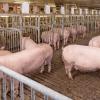
RFID electronic sow feeding station in group housing

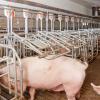
RFID free access sow feeding system in gestation barn

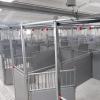
automatic sow feeding stall with RFID identification

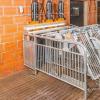
electronic sow feeding stations for commercial pig farm

group housing area for RFID fed gestating sows

Comments & Inquiries

Leave your questions or requirements below. We will reply as soon as possible.