
| Product Showcase | Content | ||||||||||||||||||||||||||||||||||||||
|---|---|---|---|---|---|---|---|---|---|---|---|---|---|---|---|---|---|---|---|---|---|---|---|---|---|---|---|---|---|---|---|---|---|---|---|---|---|---|---|
| Product Name | In-Cage Manure Belt Drying System | ||||||||||||||||||||||||||||||||||||||
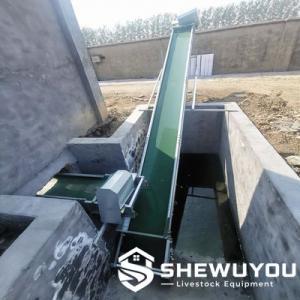
| Product Image | 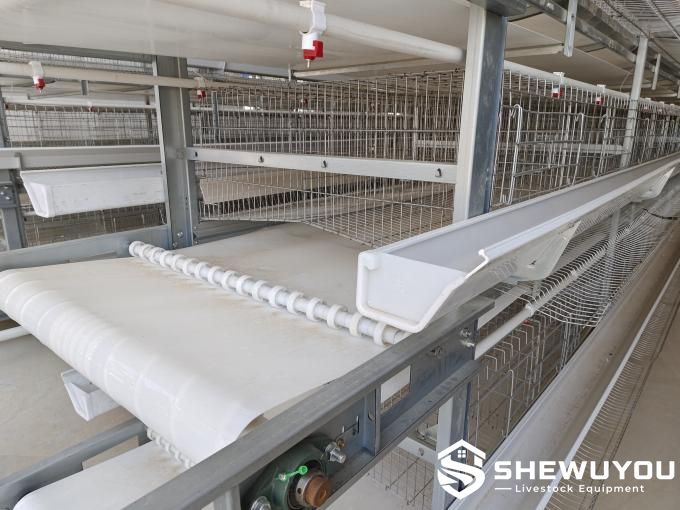 |
||||||||||||||||||||||||||||||||||||||
| Product Overview |
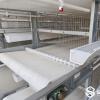
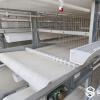
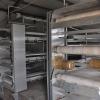
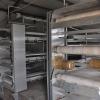
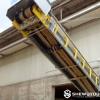
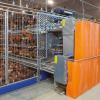
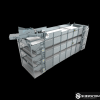
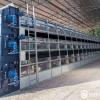
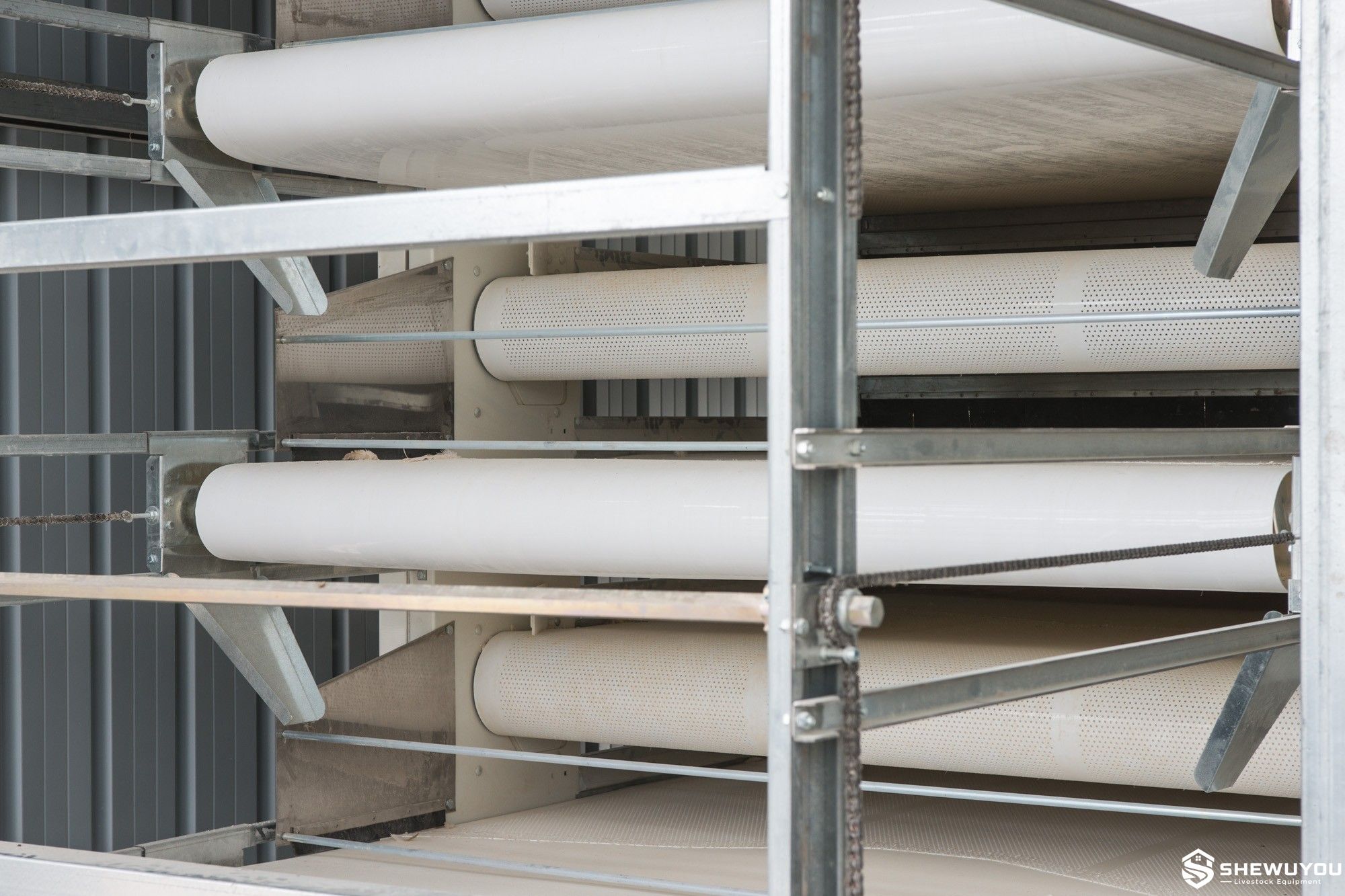
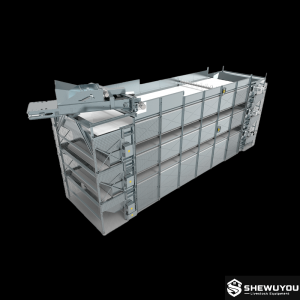
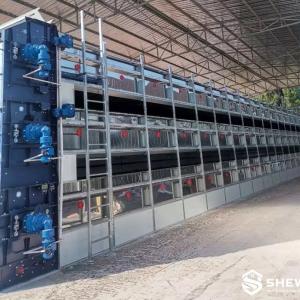
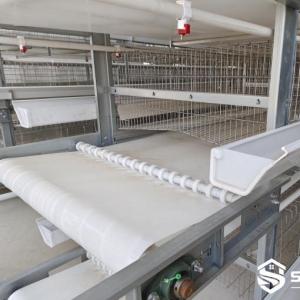
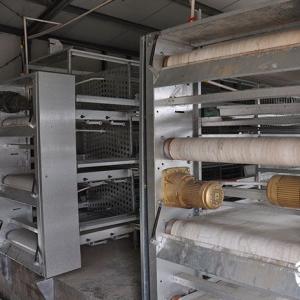
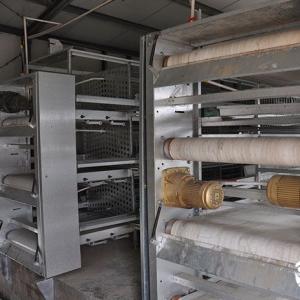
The In-Cage Manure Belt Drying System is an integrated poultry manure management solution designed to reduce manure moisture directly on the collection belts beneath multi-tier cage or rearing systems. Fresh manure falls onto the belt, while controlled airflow is delivered through dedicated air ducts positioned above, between or beneath the cage tiers. Perforated air ducts distribute air along the manure belt so that moisture can be progressively removed before the manure leaves the poultry house. This approach combines manure collection, pre-drying and removal within the housing system, reducing dependence on a separate drying process for many farm configurations. The system can be integrated with layer cages, pullet rearing equipment, manure belt conveyors and poultry-house ventilation systems. Air volume, duct dimensions, perforation layout, blower capacity and control strategy can be engineered according to bird numbers, cage-row length, local climate and farm operating requirements. |
||||||||||||||||||||||||||||||||||||||
| Key Features |
|
||||||||||||||||||||||||||||||||||||||
| Structural Components |
|
||||||||||||||||||||||||||||||||||||||
| Working Principle |
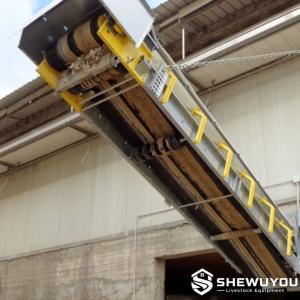
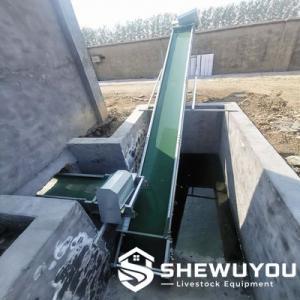
Fresh manure drops from the poultry cages or rearing modules onto a manure belt installed beneath each applicable tier. Instead of immediately removing the manure from the poultry house, it remains on the belt for a controlled drying period. A blower supplies air to longitudinal perforated ducts positioned in relation to the manure belts. The distributed openings create multiple air outlets along the cage row, directing airflow toward the manure surface. As air passes over the manure, it absorbs moisture and promotes progressive drying. Depending on the system design, internal poultry-house air may be recirculated, or internal and external air may be mixed through controlled shutters. Filtration can be incorporated to reduce dust accumulation inside the distribution ducts. After the scheduled drying period, the manure belts operate and transport the partially dried manure toward the cage-row discharge end. Cross conveyors can then transfer the material to storage, external drying, composting or other manure treatment equipment. |
||||||||||||||||||||||||||||||||||||||
| Technical Specifications |
Final drying performance depends on initial manure moisture, airflow volume, air temperature, relative humidity, manure loading depth, belt operating schedule and poultry-house environmental conditions. |
||||||||||||||||||||||||||||||||||||||
| Applications |
|
||||||||||||||||||||||||||||||||||||||
| Customization Options |
SHEWUYOU can configure the manure belt drying system according to poultry-house dimensions, bird capacity, cage arrangement, ventilation strategy and local environmental conditions.
|
||||||||||||||||||||||||||||||||||||||
| Installation & Maintenance |
The manure drying system should be coordinated with the poultry cage structure, manure belts and house ventilation design before installation. Correct duct alignment and balanced airflow are important for uniform drying along the complete cage row.
|
||||||||||||||||||||||||||||||||||||||
| Product FAQ |
Q1: What is the difference between in-cage manure drying and an external manure dryer? An in-cage system applies airflow while manure remains on the belts inside the poultry housing system. An external dryer receives manure after it has already been removed from the cage house. Q2: Where are the drying air ducts installed? Depending on the cage design, perforated ducts can be installed above the manure belts, between cage sections or beneath cage floors. Q3: Does the system require heated air? Not necessarily. Many systems use recirculated poultry-house air or controlled mixtures of internal and external air. Supplemental heating depends on climate and project requirements. Q4: Can the system help reduce ammonia inside the poultry house? Reducing manure moisture can help limit the conditions that promote ammonia generation. Actual performance depends on ventilation, manure moisture, temperature and management practices. Q5: How is the required blower capacity determined? Blower capacity should be engineered according to bird numbers, cage-row length, number of tiers, duct resistance, climate and the required airflow at the manure surface. Q6: Can it be integrated with an existing manure belt system? Integration may be possible when sufficient structural space and suitable belt geometry are available. Existing cage dimensions and ventilation capacity should be evaluated before retrofit design. Q7: Can indoor and outdoor air be mixed? Yes. Suitable systems can incorporate separate air intakes and motorized shutters to regulate the mixture according to environmental conditions. Q8: Can SHEWUYOU design a complete manure management solution? Yes. Manure belts, drying ducts, blowers, cross conveyors, controls and downstream manure handling equipment can be configured according to poultry-house and project requirements. |
||||||||||||||||||||||||||||||||||||||
| Product Gallery |
|
- Home
-
Products
- Pig Farming Equipment
- Cattle Farming Equipment
- Sheep & Goat Farming Equipment
- Poultry Farming Equipment
- Feeding & Drinking Systems
- Veterinary & Breeding Equipment
- Testing & Diagnostic Equipment
- Cleaning & Biosecurity Equipment
- Climate Control Equipment
- Livestock Weighing Equipment
- Manure & Waste Management
- Farm Transport & Handling
-
Solutions
- Pig Farm Solutions
- Dairy Farm Solutions
- Beef Cattle Farm Solutions
- Sheep & Goat Farm Solutions
- Layer Farm Solutions
- Broiler Farm Solutions
- Feeding & Drinking System Solutions
- Climate Control Solutions
- Biosecurity & Disinfection Solutions
- Manure & Waste Management
- Smart Farming Solutions
- Farm Renovation and Upgrade Solutions
- Partners
- Projects
- Resources
- News
- About Us
- Contact
Comments & Inquiries
Leave your questions or requirements below. We will reply as soon as possible.