
| Product Showcase | Content |
| Product Name | Pullet & Chick Cage Manure Belt System |
| Product Image | 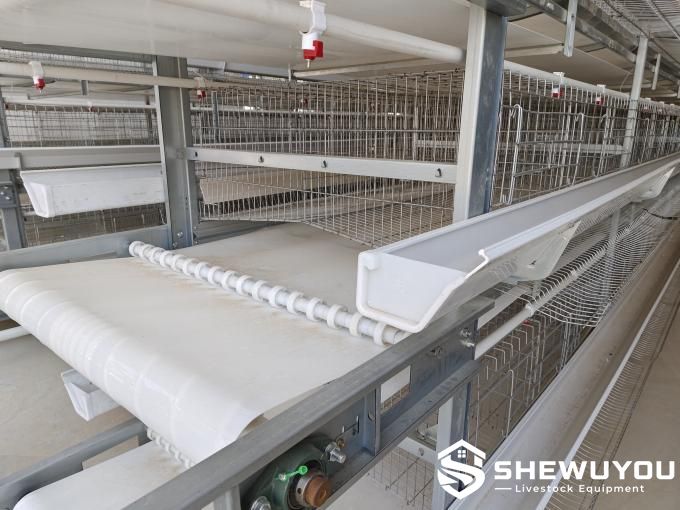 |
| Product Overview |
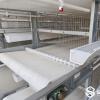
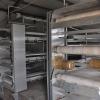
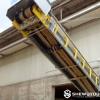
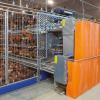
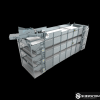
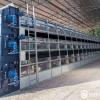
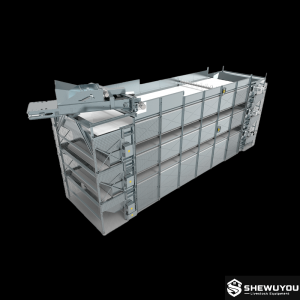
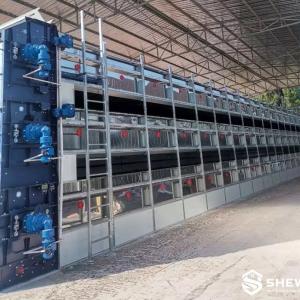
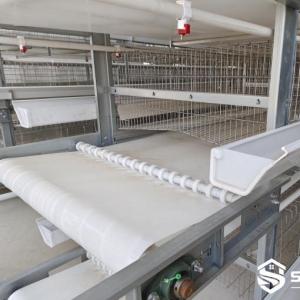
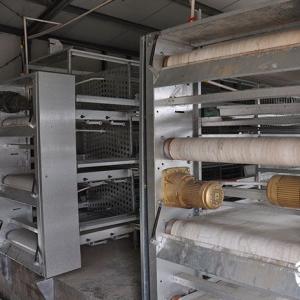
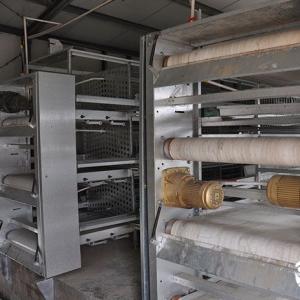
The Pullet & Chick Cage Manure Belt System is an automatic litter removal solution designed for multi-tier chick and pullet rearing equipment. Polypropylene manure belts are installed beneath the cage or rearing levels to collect droppings directly and transport them toward the manure discharge end of the poultry house. Regular belt cleaning reduces manure accumulation beneath young birds, supports better poultry-house hygiene and helps control ammonia generation. The system is especially suitable for intensive chick and pullet production where reliable sanitation and automated waste handling are important parts of flock management. SHEWUYOU can configure belt width, thickness, cage-tier quantity, drive and tension stations, transverse conveyors and inclined discharge conveyors according to poultry-house dimensions and project requirements. |
| Key Features |
|
| Structural Components |
|
| Working Principle |
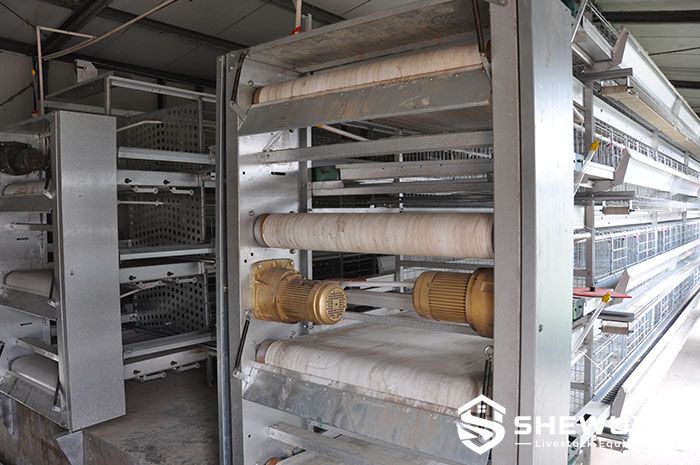
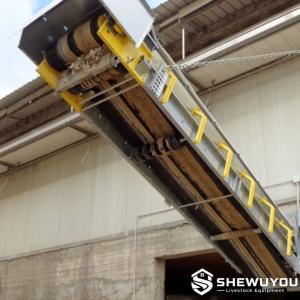
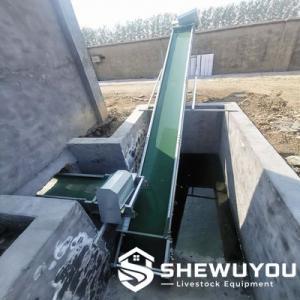
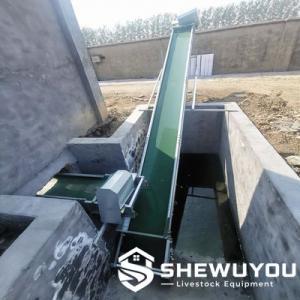
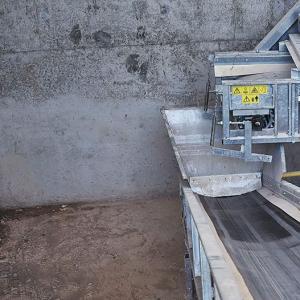
Droppings fall through the cage or rearing-floor mesh and accumulate directly on the polypropylene belt positioned beneath each applicable tier. When the manure-removal cycle starts, the drive station moves the belts toward the end of the row. The tensioning and guide components maintain controlled belt movement while manure is carried toward the discharge station. At the drive end, dedicated scrapers separate manure from the belt surface. The waste then drops onto a transverse conveyor and can be transferred to an inclined conveyor for removal from the poultry house. The belts return beneath the rearing tiers and are ready for the next collection cycle. |
| Technical Specifications |
|
| Applications |
|
| Customization Options |
|
| Installation & Maintenance |
Installation
Maintenance
|
| Project Cases |
Pullet and chick manure belt systems are suitable for commercial rearing projects where multiple poultry levels require regular manure removal throughout the growing cycle. SHEWUYOU can prepare a system layout according to poultry-house dimensions, cage configuration, row quantity, manure discharge position and required automation level. |
| Product FAQ |
Q1: What is a pullet and chick cage manure belt system? It is an automatic manure-removal system that uses belts beneath poultry rearing levels to collect and transport droppings out of the cage rows. Q2: What material is commonly used for the manure belt? Polypropylene is commonly used because of its tensile strength, chemical resistance, low adhesion and easy-cleaning properties. Q3: Is a manure belt installed beneath every tier? In conventional multi-tier cage configurations, belts can be installed beneath individual tiers. The exact arrangement depends on the rearing system design. Q4: How is manure removed from the belt? The moving belt carries manure toward the drive station, where scraper components separate it from the belt surface. Q5: Where does the manure go after leaving the cage row? It can drop onto a transverse conveyor and then an inclined conveyor for discharge outside the poultry house. Q6: Can the system help improve poultry-house air quality? Regular removal reduces the time manure remains inside the house and can support better ammonia and microclimate management. Q7: Can the system be supplied for an existing pullet cage house? Yes. Retrofit solutions can be evaluated after confirming existing cage dimensions, row length, available installation space and discharge arrangement. Q8: Can the belt dimensions be customized? Yes. Width, thickness and length can be selected according to project requirements. Q9: Can the system operate automatically? Yes. Motor-driven manure removal can be integrated with scheduled or centralized poultry-house control according to the project configuration. Q10: Can SHEWUYOU supply the complete manure handling line? Yes. PP manure belts, drive and tension stations, scrapers, transverse conveyors and inclined discharge conveyors can be configured as a complete system. |
| Product Gallery |
|
- Home
-
Products
- Pig Farming Equipment
- Cattle Farming Equipment
- Sheep & Goat Farming Equipment
- Poultry Farming Equipment
- Feeding & Drinking Systems
- Veterinary & Breeding Equipment
- Testing & Diagnostic Equipment
- Cleaning & Biosecurity Equipment
- Climate Control Equipment
- Livestock Weighing Equipment
- Manure & Waste Management
- Farm Transport & Handling
-
Solutions
- Pig Farm Solutions
- Dairy Farm Solutions
- Beef Cattle Farm Solutions
- Sheep & Goat Farm Solutions
- Layer Farm Solutions
- Broiler Farm Solutions
- Feeding & Drinking System Solutions
- Climate Control Solutions
- Biosecurity & Disinfection Solutions
- Manure & Waste Management
- Smart Farming Solutions
- Farm Renovation and Upgrade Solutions
- Partners
- Projects
- Resources
- News
- About Us
- Contact

Comments & Inquiries
Leave your questions or requirements below. We will reply as soon as possible.