
| Product Showcase | Content | ||||||||||||||||||||||||||||||||||||
|---|---|---|---|---|---|---|---|---|---|---|---|---|---|---|---|---|---|---|---|---|---|---|---|---|---|---|---|---|---|---|---|---|---|---|---|---|---|
| Product Name | Automatic Poultry Manure Belt System | ||||||||||||||||||||||||||||||||||||
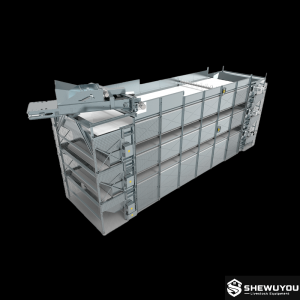
| Product Image |  |
||||||||||||||||||||||||||||||||||||
| Product Overview |
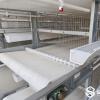
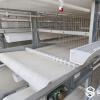
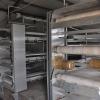
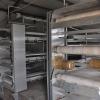
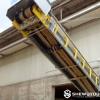
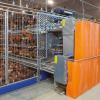
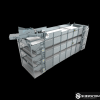
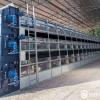
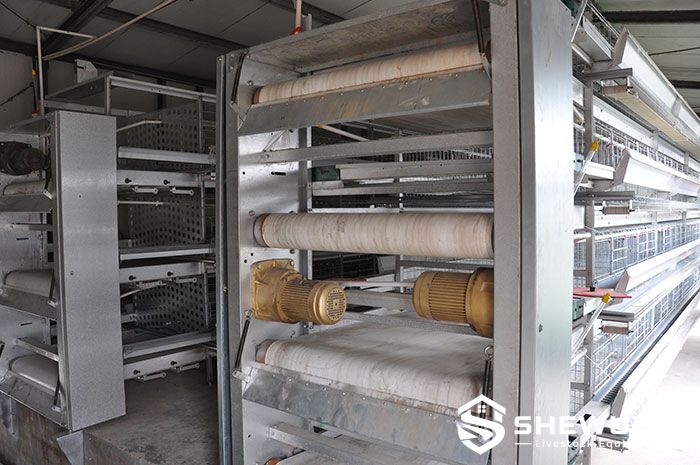
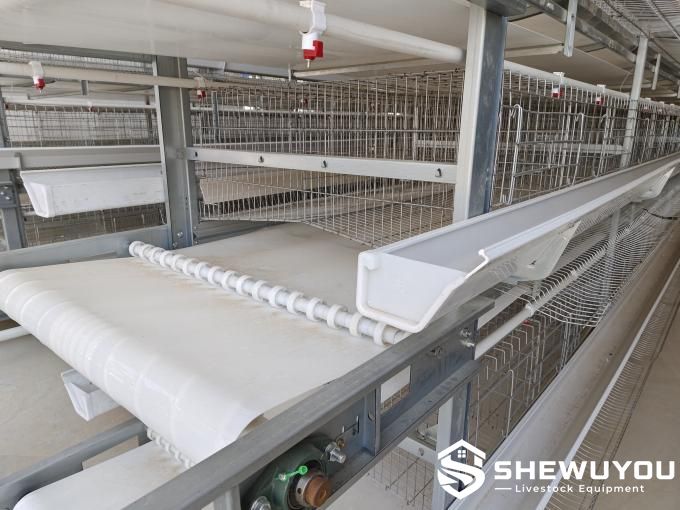
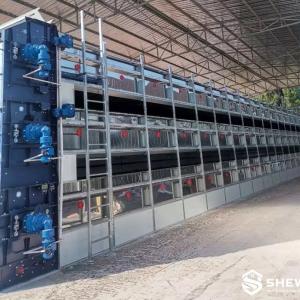
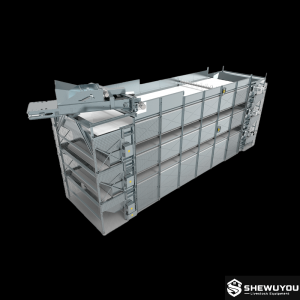
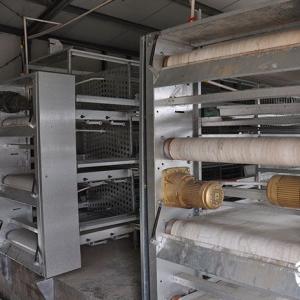
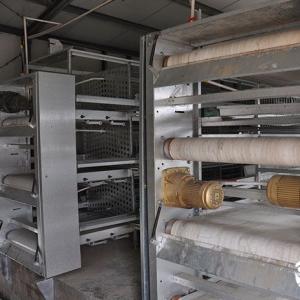
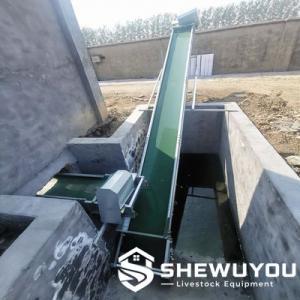
The Automatic Poultry Manure Belt System is designed for mechanized manure collection and removal in commercial layer, pullet and breeder cage houses. Continuous manure belts are installed beneath the cage tiers to receive droppings directly and transport them toward the manure discharge end of the poultry house. The system typically combines manure collection belts, drive rollers, idler rollers, tensioning components, scrapers, geared motors and a cross-conveyor arrangement. Regular manure removal reduces the time waste remains inside the poultry building, helping maintain cleaner cage rows and supporting better control of ammonia and house hygiene. For large-scale steel structure poultry buildings, the manure belt system can be integrated with H-type cage equipment, automatic feeding, drinking, egg collection, climate control and external manure conveying equipment to create a coordinated poultry farm automation solution. |
||||||||||||||||||||||||||||||||||||
| Key Features |
|
||||||||||||||||||||||||||||||||||||
| Structural Components |
|
||||||||||||||||||||||||||||||||||||
| Working Principle |
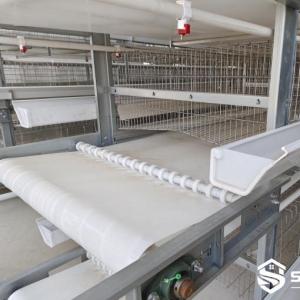
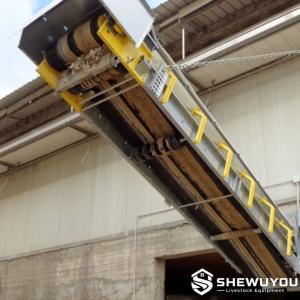
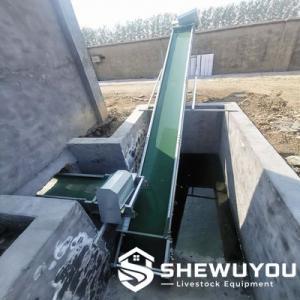
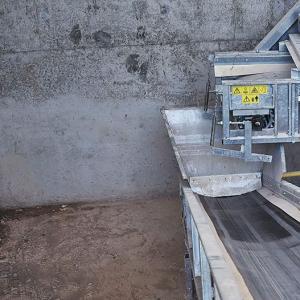
Poultry manure falls through the cage floor onto a continuous belt positioned beneath each cage tier. The manure remains on the belt until the programmed or manually initiated cleaning cycle begins. During operation, the geared drive rotates the manure belt rollers and moves the belt toward the discharge end of the cage row. A scraper separates adhering manure from the belt as it passes around the drive roller. The discharged manure falls onto a transverse conveyor that collects waste from multiple cage rows. An optional inclined conveyor can then transfer the manure outside the poultry building to a vehicle, manure storage area or downstream manure treatment system. Where manure belt ventilation is installed, airflow above the belt helps remove moisture before discharge. Drier manure can improve handling and storage characteristics while supporting lower ammonia emissions inside the house. |
||||||||||||||||||||||||||||||||||||
| Technical Specifications |
Final belt width, thickness, drive power, row length, discharge arrangement and control configuration should be engineered according to cage dimensions, manure volume, poultry-house layout and local operating conditions. |
||||||||||||||||||||||||||||||||||||
| Applications |
|
||||||||||||||||||||||||||||||||||||
| Customization Options |
SHEWUYOU can configure the manure removal system according to cage type, poultry-house dimensions, flock capacity, manure discharge route and downstream manure treatment requirements.
|
||||||||||||||||||||||||||||||||||||
| Installation & Maintenance |
Installation should be coordinated with the cage-row layout so that the manure belt runs centrally beneath each tier and maintains correct alignment through the complete house length. Drive units, return rollers and cross-conveyor equipment should be installed on stable structural supports.
|
||||||||||||||||||||||||||||||||||||
| Product FAQ |
Q1: How does an automatic poultry manure belt system work? Manure falls onto belts beneath the cage tiers. During a cleaning cycle, electric drives move the belts toward the cage-row end, where scrapers discharge the manure onto a cross conveyor or other removal equipment. Q2: What material is commonly used for poultry manure belts? Polypropylene is widely used because it provides a smooth, flexible and practical surface for manure collection and transport. Q3: Is the system suitable for H-type cages? Yes. Multi-tier H-type cage systems are a major application because an individual manure belt can be installed beneath each cage level. Q4: Can manure be transported directly outside the poultry house? Yes. Longitudinal manure belts can discharge onto a cross conveyor and an inclined conveyor that transfers manure outside the building according to the project layout. Q5: Can the manure be dried while it remains on the belt? Yes. Compatible cage systems can incorporate manure belt ventilation or other drying equipment to reduce manure moisture before removal. Q6: How often should manure be removed? The cleaning schedule depends on flock management, manure drying strategy, house climate and manure storage requirements. The operating program should therefore be determined for each project. Q7: What causes a manure belt to move sideways? Incorrect roller alignment, uneven belt tension and contamination of drive or pressure rollers can affect belt tracking. Regular cleaning and adjustment help maintain centered operation. Q8: Can SHEWUYOU supply the system as part of a complete poultry farm project? Yes. The manure belt system can be configured together with poultry cages, feeding, drinking, egg collection, ventilation, environmental control and steel structure poultry-house equipment according to project requirements. |
||||||||||||||||||||||||||||||||||||
| Product Gallery |
|
- Home
-
Products
- Pig Farming Equipment
- Cattle Farming Equipment
- Sheep & Goat Farming Equipment
- Poultry Farming Equipment
- Feeding & Drinking Systems
- Veterinary & Breeding Equipment
- Testing & Diagnostic Equipment
- Cleaning & Biosecurity Equipment
- Climate Control Equipment
- Livestock Weighing Equipment
- Manure & Waste Management
- Farm Transport & Handling
-
Solutions
- Pig Farm Solutions
- Dairy Farm Solutions
- Beef Cattle Farm Solutions
- Sheep & Goat Farm Solutions
- Layer Farm Solutions
- Broiler Farm Solutions
- Feeding & Drinking System Solutions
- Climate Control Solutions
- Biosecurity & Disinfection Solutions
- Manure & Waste Management
- Smart Farming Solutions
- Farm Renovation and Upgrade Solutions
- Partners
- Projects
- Resources
- News
- About Us
- Contact
Comments & Inquiries
Leave your questions or requirements below. We will reply as soon as possible.