
| Product Showcase | Content | ||||||||||||||||||||||||||||||||
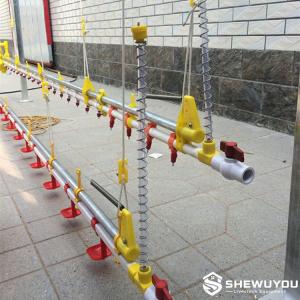
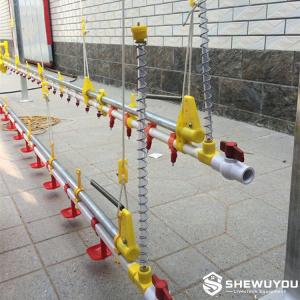
| Product Name | Poultry Drinking Line Pressure Regulator | ||||||||||||||||||||||||||||||||
| Product Image | 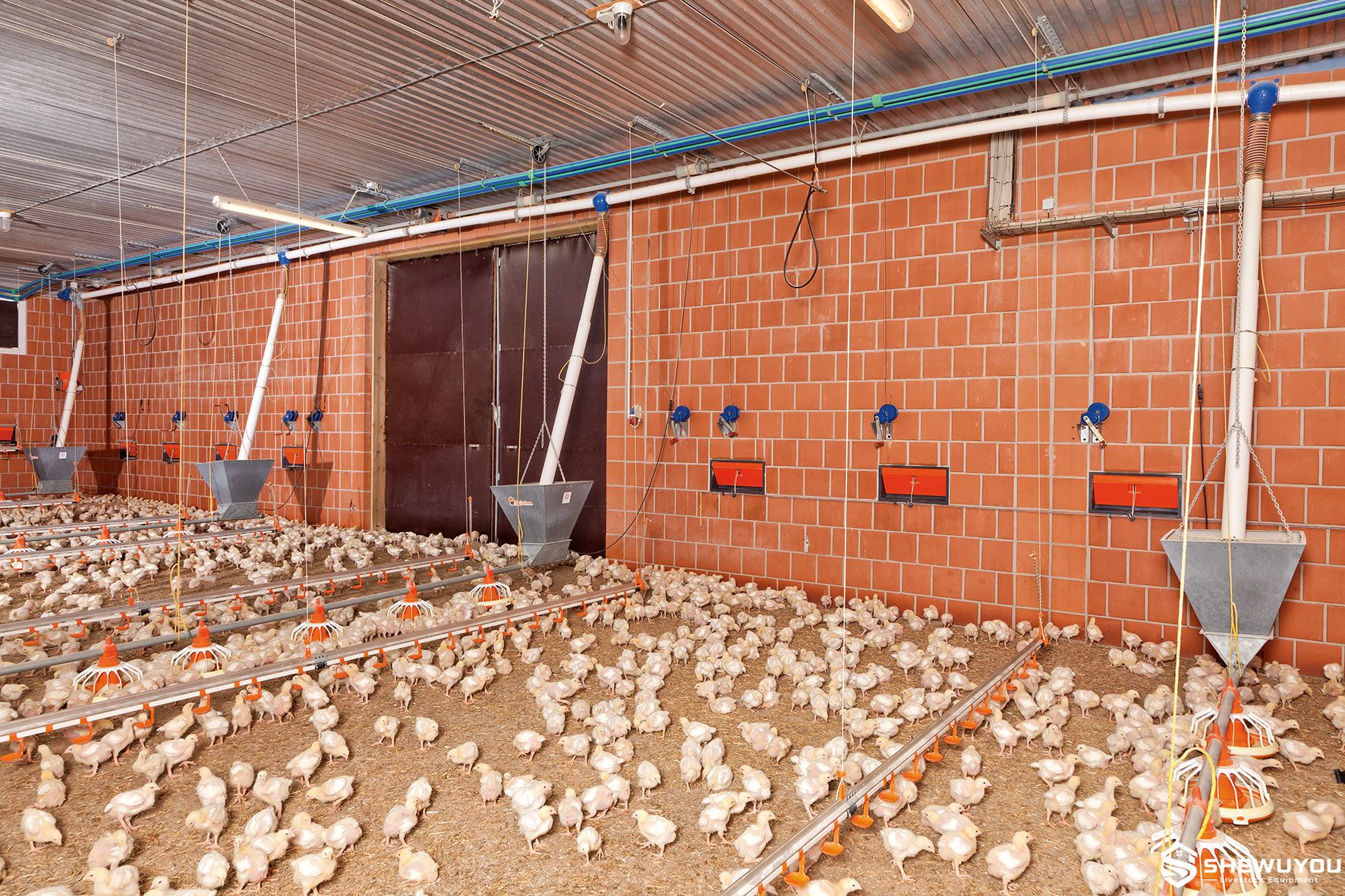 |
||||||||||||||||||||||||||||||||
| Product Overview |
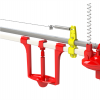
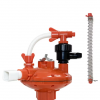
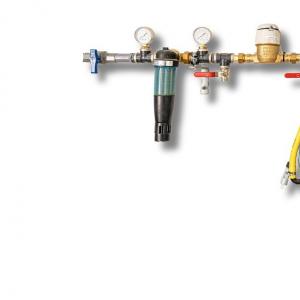
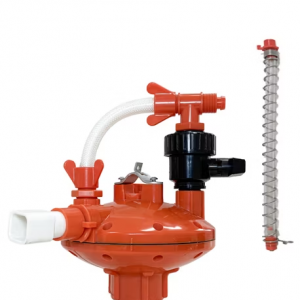
The Poultry Drinking Line Pressure Regulator is a key water-control component for automatic nipple drinking systems in broiler, layer, pullet and breeder houses. It reduces and stabilizes incoming water pressure so nipple drinkers can operate consistently along the complete drinking line. The regulator controls the water-column height inside the nipple pipe, allowing water delivery to be adjusted according to bird age, drinking demand, nipple type and poultry-house conditions. A transparent level tube or compatible water-column indicator provides a practical visual reference during adjustment and routine inspection. Manual-flushing and automatic-flushing configurations are available. Automatic versions can be integrated with actuators and poultry-house controllers to support scheduled line flushing, improved water management and reduced daily labor. |
||||||||||||||||||||||||||||||||
| Key Features |
|
||||||||||||||||||||||||||||||||
| Structural Components |
|
||||||||||||||||||||||||||||||||
| Working Principle / Structural Principle |
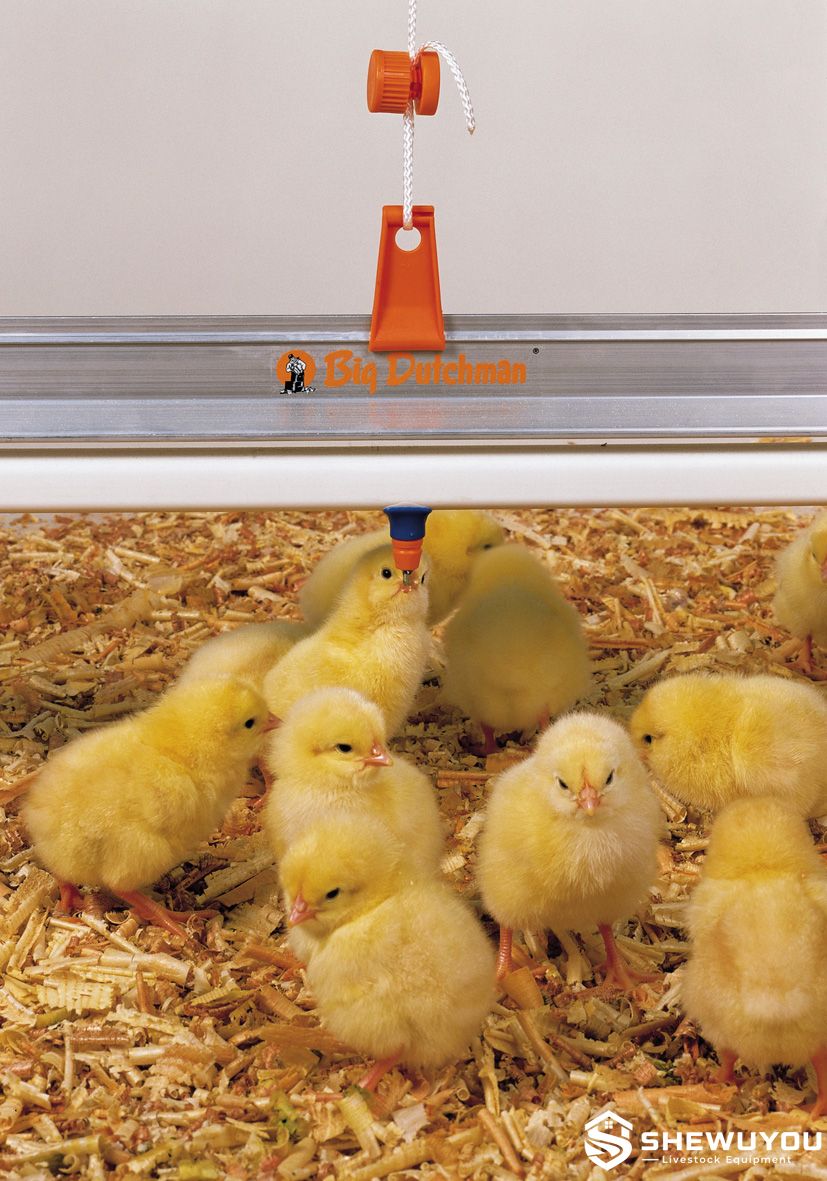
Water from the farm supply enters the pressure regulator before reaching the poultry nipple drinking line. The regulator reduces the incoming pressure and maintains a controlled water column inside the nipple pipe. The required water-column height is adjusted according to flock age and drinking demand. Young birds normally require a carefully controlled low-pressure supply, while growing birds may require progressive adjustment as daily water consumption increases. During normal drinking operation, regulated water flows into the nipple pipe at the selected pressure. Birds receive water when they actuate the nipple valves. During flushing, the regulator is switched into flushing mode so a higher water flow can pass through the drinking line and exit through the end flushing unit. Automatic configurations use an actuator or solenoid to initiate this process without manual operation. |
||||||||||||||||||||||||||||||||
| Technical Specifications |
|
||||||||||||||||||||||||||||||||
| Applications |
The regulator is particularly important in long poultry drinking lines because excessive or unstable pressure can affect nipple flow and increase the risk of wet litter or uneven water availability. For complete poultry farm projects, the pressure regulator can be integrated with water filters, meters, medicators, nipple pipes, flushing units, gradient regulators and centralized poultry-house controllers. |
||||||||||||||||||||||||||||||||
| Customization Options |
Regulator configuration can be selected according to nipple type, drinking-line length, poultry category, water consumption, house slope and project requirements. |
||||||||||||||||||||||||||||||||
| Installation & Maintenance |
Select the Supply Position: Install the regulator at the beginning of the drinking line or at the center according to the line length and hydraulic design. Flush the Main Supply: Remove construction debris, pipe fragments and sediment before connecting the regulator. Install Vertically: Mount the regulator and water-column indicator in the correct orientation so pressure can be observed and adjusted accurately. Set Initial Pressure: Adjust the water column according to bird age, nipple type and supplier recommendations before flock placement. Adjust During Growth: Increase or modify the water-column setting as bird water consumption changes. Check Line Level: Verify that the drinking pipe is level. Where significant floor slope exists, suitable gradient regulators should be incorporated. Routine Flushing: Flush drinking lines regularly according to water quality, flock age and farm sanitation procedures. Inspect Components: Periodically check the regulator diaphragm, adjustment mechanism, indicator tube, fittings and flushing valve for leakage or blockage. Winter Protection: Protect water-control equipment from freezing where poultry houses or service areas are exposed to low temperatures. |
||||||||||||||||||||||||||||||||
| Project Cases |
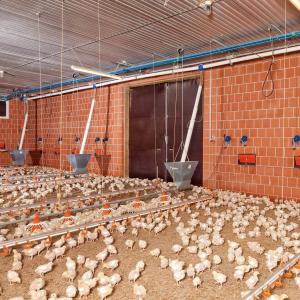
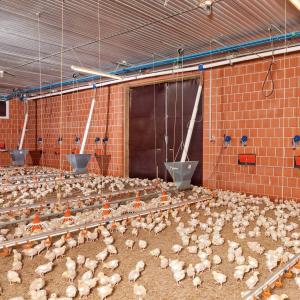
In a commercial broiler house, one pressure regulator can supply each drinking line from one end where line length and hydraulic conditions permit. Longer systems can use center-feed arrangements to provide balanced water pressure in both directions. For automated poultry houses, pressure regulators with flushing actuators can be connected to a production controller so drinking lines are flushed according to programmed schedules or selected operating conditions. For new steel structure poultry projects, regulator position, water supply piping, drain routing and drinking-line suspension should be coordinated during the equipment-layout stage. |
||||||||||||||||||||||||||||||||
| Product FAQ |
Q1: Why does a poultry nipple line need a pressure regulator? Q2: Can the water pressure be adjusted? Q3: How can operators check the pressure setting? Q4: Can the regulator flush the drinking line? Q5: What is the advantage of automatic flushing? Q6: Can automatic flushing be controlled by a poultry-house computer? Q7: Can one regulator supply a long drinking line? Q8: What happens if the poultry-house floor has a slope? Q9: Is the regulator suitable for broilers and breeders? Q10: Can regulator specifications be customized? |
||||||||||||||||||||||||||||||||
| Product Gallery |
|
- Home
-
Products
- Pig Farming Equipment
- Cattle Farming Equipment
- Sheep & Goat Farming Equipment
- Poultry Farming Equipment
- Feeding & Drinking Systems
- Veterinary & Breeding Equipment
- Testing & Diagnostic Equipment
- Cleaning & Biosecurity Equipment
- Climate Control Equipment
- Livestock Weighing Equipment
- Manure & Waste Management
- Farm Transport & Handling
-
Solutions
- Pig Farm Solutions
- Dairy Farm Solutions
- Beef Cattle Farm Solutions
- Sheep & Goat Farm Solutions
- Layer Farm Solutions
- Broiler Farm Solutions
- Feeding & Drinking System Solutions
- Climate Control Solutions
- Biosecurity & Disinfection Solutions
- Manure & Waste Management
- Smart Farming Solutions
- Farm Renovation and Upgrade Solutions
- Partners
- Projects
- Resources
- News
- About Us
- Contact
Comments & Inquiries
Leave your questions or requirements below. We will reply as soon as possible.