| Product Name |
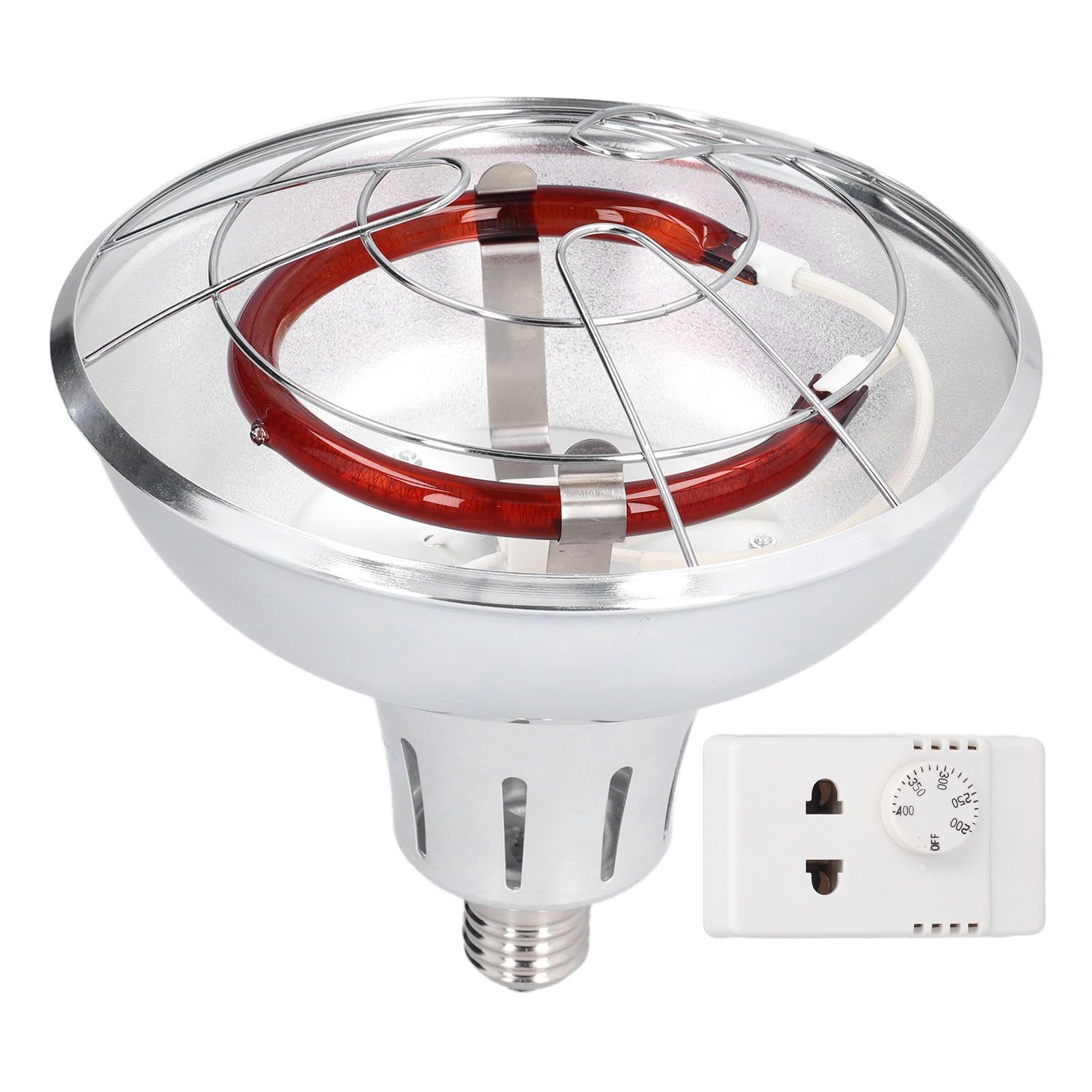
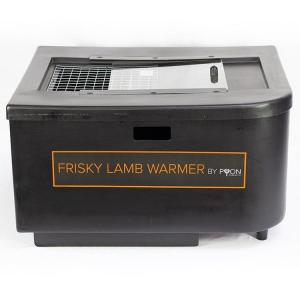
Thermostatic Lamb Heating System |
| Product Image |
 |
| Product Overview |
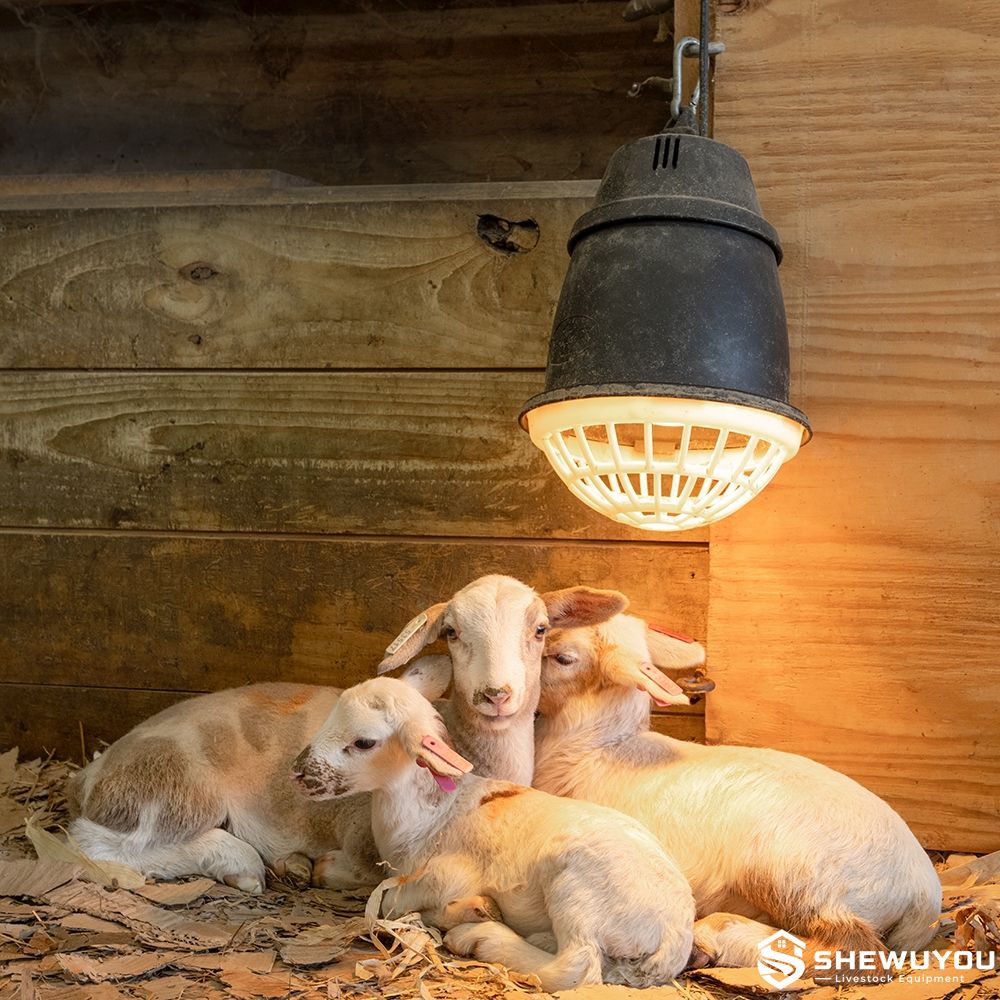
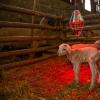
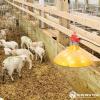
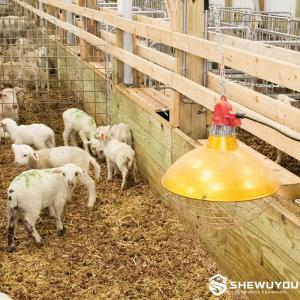
The Thermostatic Lamb Heating System is designed to provide controlled localized warmth for newborn, chilled or vulnerable lambs in lambing pens and nursery areas. The system combines a livestock heat lamp or radiant heater with a thermostat or temperature controller that automatically manages heating according to ambient or target-zone temperature.
Compared with continuously operating heat lamps, thermostatic control can reduce unnecessary heater operation when the surrounding temperature rises. This helps improve energy management while maintaining a suitable thermal microclimate around lamb resting areas.
The system is suitable for commercial goat-farming-equipment/" target="_blank" class="keylink">sheep farms, goat farms, lambing barns, veterinary recovery areas and steel-structure livestock buildings. Heater quantity, controller type, power rating, sensor arrangement and installation layout can be configured according to local climate and farm conditions.
|
| Key Features |
- Automatic Temperature Control: The thermostat switches or regulates the heating equipment according to measured temperature, reducing the need for continuous manual adjustment.
- Localized Lamb Warming: Creates a dedicated warm zone within the lambing or nursery pen without requiring the entire livestock building to be heated to the same temperature.
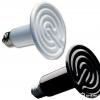
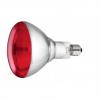
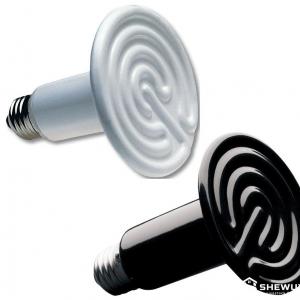
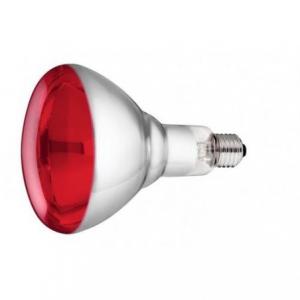
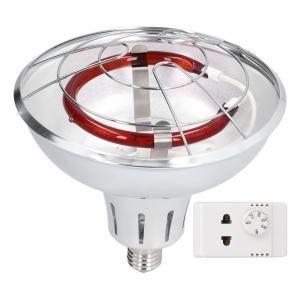
- Infrared Heat Lamp Compatibility: Suitable configurations can use standard or infrared livestock heat bulbs within the rated capacity of the selected fixture.
- Temperature Sensor Control: Selected systems use a remote probe or ambient sensor positioned near the animal warming zone.
- Reduced Energy Consumption: Automatic switching prevents continuous heater operation when additional heat is not required.
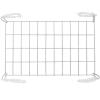
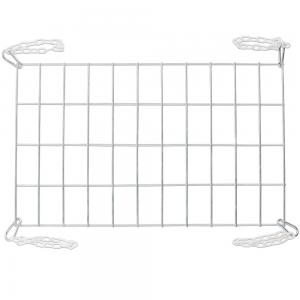
- Protective Lamp Housing: Livestock-grade heat lamp fixtures can incorporate protective guards to reduce direct animal contact with the hot bulb.
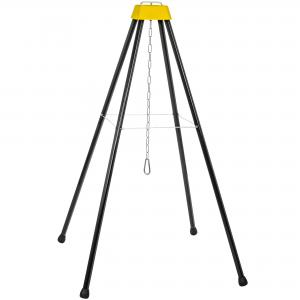
- Adjustable Heating Height: Suspension chains, mounting clips or adjustable stands allow the heating intensity at floor level to be modified.
- Modular System Design: One or several heating zones can be installed according to lambing-pen quantity and building layout.
- Suitable for Multiple Young Animals: Applicable to lambs, goat kids, piglets and other livestock requiring localized supplemental heat.
- Project Customization: Voltage, controller type, heater output, sensor arrangement and mounting system are available according to project requirements.
|
| Structural Components |
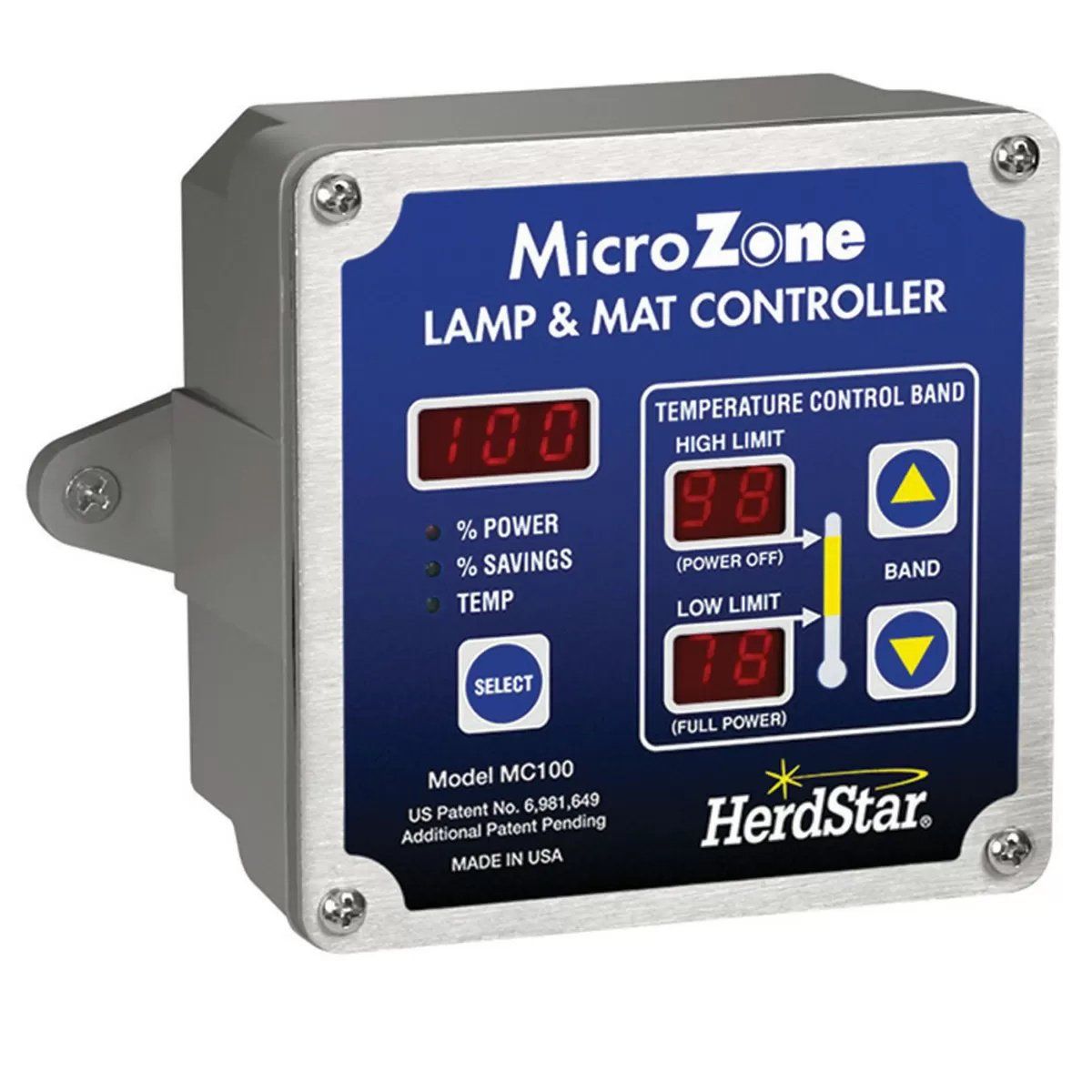
| Thermostat Controller |
Receives temperature information and controls electrical power to the heating device according to the selected operating range. |
| Temperature Sensor |
Measures ambient or warming-zone temperature for automatic heater control. |
| Livestock Heat Lamp |
Provides localized radiant heat above the lamb resting or recovery area. |
| Heating Bulb |
Standard or infrared heating bulb selected according to fixture rating and required thermal output. |
| Protective Guard |
Separates the hot lamp from animals and helps protect the bulb from accidental impact. |
| Suspension Assembly |
Chain, clip or adjustable support used to secure the heater above the livestock pen. |
| Power Cable |
Connects the thermostat controller and heating fixture to the electrical supply. |
| Optional Heat Lamp Stand |
Provides an adjustable independent mounting solution where overhead suspension is not practical. |
|
| Working Principle / Structural Principle |
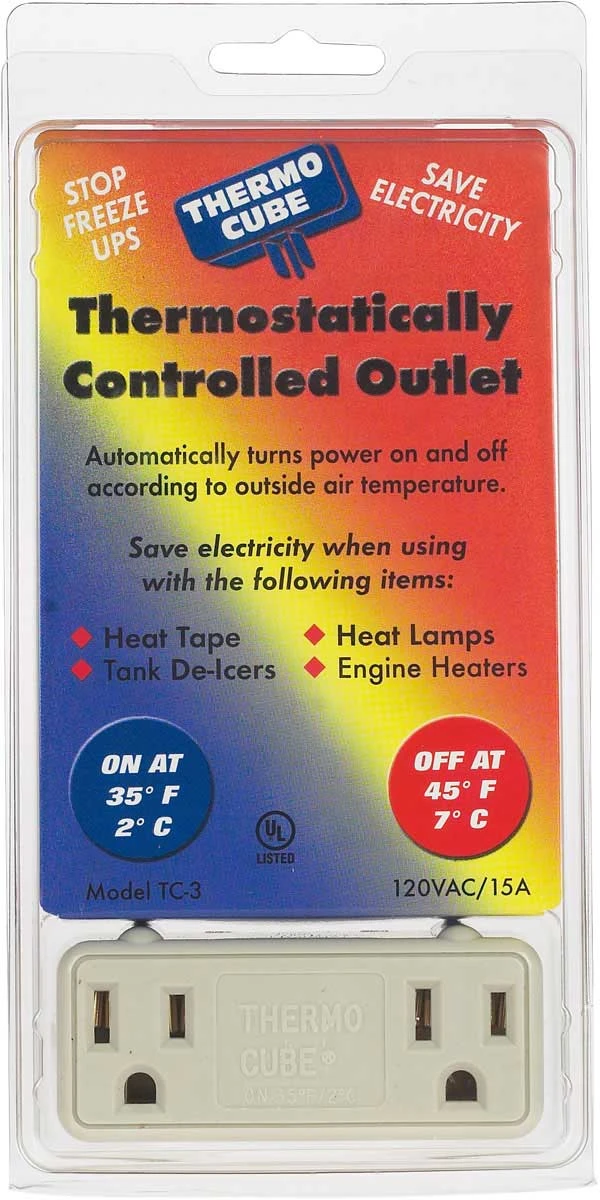
The thermostat continuously monitors temperature through an integrated or remote sensor. When the measured temperature falls below the configured operating point, electrical power is supplied to the livestock heat lamp or radiant heater.
The infrared or radiant heating source creates a warmer microclimate beneath the fixture. Once the sensor detects that the upper control temperature has been reached, the thermostat switches the heater off or reduces power, depending on the selected controller design.
This automatic heating cycle helps maintain a more stable warming environment while avoiding unnecessary continuous full-power operation.
Sensor position, heater suspension height, lamp wattage, air movement, bedding conditions and building temperature all influence the actual temperature experienced by the lambs and should therefore be considered during system commissioning.
|
| Technical Specifications |
| Product Type |
Thermostatically controlled livestock radiant heating system |
| Primary Application |
Localized warming of newborn lambs and goat kids |
| Heating Method |
Infrared or radiant heat lamp |
| Reference Lamp Capacity |
Compatible livestock fixtures available for bulbs up to 250 W |
| Common Bulb Options |
Infrared red or clear heating bulbs according to project requirements |
| Temperature Control |
Automatic thermostat control |
| Controller Type |
Preset switching thermostat or adjustable digital thermostat available upon request |
| Reference Preset Control |
Selected thermostatic switches activate below approximately 35°F / 1.7°C and switch off at approximately 45°F / 7.2°C |
| Adjustable Set Point |
Available with selected digital controller configurations |
| Sensor |
Ambient or remote temperature probe depending on configuration |
| Electrical Supply |
According to local electrical standard and selected heater configuration |
| Mounting Method |
Suspension chain, secure clip or adjustable heat lamp stand |
| Heating Zones |
Single or multiple zones according to project requirements |
| Customization |
Available according to project requirements |
Final thermostat range, electrical load, bulb wattage and sensor specification depend on the selected controller and heating fixture.
|
| Applications |
- Newborn lamb warming zones
- Lambing pens and maternity units
- Weak or chilled lamb recovery areas
- Goat kid nursery pens
- Commercial sheep and goat breeding farms
- Veterinary livestock treatment areas
- Piglet creep heating applications
- Young livestock nursery facilities
- Cold-climate livestock housing projects
- Steel-structure livestock buildings and modular lambing-pen systems
|
| Customization Options |
- Preset or adjustable thermostat controller
- Digital temperature display available upon request
- Remote sensor probe according to installation requirements
- Heating lamp wattage according to local climate and farm conditions
- Red or clear infrared bulb options
- Single-zone or multi-zone heating layout
- Suspension chain or independent lamp stand
- Cable length according to livestock building layout
- Plug and voltage configuration according to local electrical standards
- Protective lamp guards for lambing and kidding pens
- OEM and private-label packaging available upon request
- Complete heating layout designed according to local climate and farm conditions
|
| Installation & Maintenance |
Installation:
- Select a secure structural mounting point above the designated lamb warming area.
- Suspend the heat lamp by its designated clip, chain or support rather than by the electrical cable.
- Maintain adequate clearance between the lamp, animals, bedding, timber, plastic panels and other combustible materials.
- For compatible Premier-style livestock heat lamps, a minimum distance of approximately 20 inches from the highest point of the animal or floor is recommended as a reference installation precaution.
- Position the thermostat sensor near the target warming zone without placing it directly against the bulb or another unusually hot surface.
- Connect the heating lamp through the thermostat controller according to the electrical specification.
- Set the required control temperature or operating range where an adjustable controller is used.
- Observe lamb behavior and verify floor-level temperature before leaving the system in automatic operation.
- Fixed electrical installation should be completed according to local livestock-building electrical regulations.
Routine Maintenance:
- Disconnect electrical power before cleaning, changing bulbs or servicing the fixture.
- Inspect the lamp housing, grille, suspension hardware and electrical cable regularly.
- Keep the thermostat sensor clean and unobstructed.
- Check the controller periodically by changing the set point and confirming correct heater switching.
- Remove dust and bedding material from heater surfaces and ventilation openings.
- Check that the heating bulb remains securely installed in its socket.
- Replace damaged bulbs, cables, guards, sensors or controllers before further use.
- Review heating requirements as lambs grow and reduce supplemental heat when environmental conditions allow.
|
| Product FAQ |
Q1: What is the advantage of thermostatic control compared with a standard heat lamp?
A thermostat can automatically switch or regulate the heater according to temperature, reducing unnecessary continuous operation and helping maintain a more consistent warming environment.
Q2: Can the system use infrared heat bulbs?
Yes. Standard and infrared heat bulbs can be used when their wattage and base type match the selected livestock heat-lamp fixture.
Q3: What bulb power can be used?
The final value depends on the lamp fixture. Comparable commercial livestock heat lamps are available for bulbs up to 250 W.
Q4: Is the temperature adjustable?
Yes, when an adjustable digital or mechanical thermostat is selected. Preset temperature switches are also available for simpler applications.
Q5: Where should the temperature sensor be installed?
It should be positioned near the animal warming zone at a representative location, away from direct contact with the heating bulb, drafts or unusually cold structural surfaces.
Q6: Can one controller operate several heat lamps?
Multi-heater control is possible with appropriately rated commercial control systems. The controller and switching equipment must be sized for the total connected electrical load.
|
| Product Gallery |
 |

Comments & Inquiries
Leave your questions or requirements below. We will reply as soon as possible.