| Product Name |
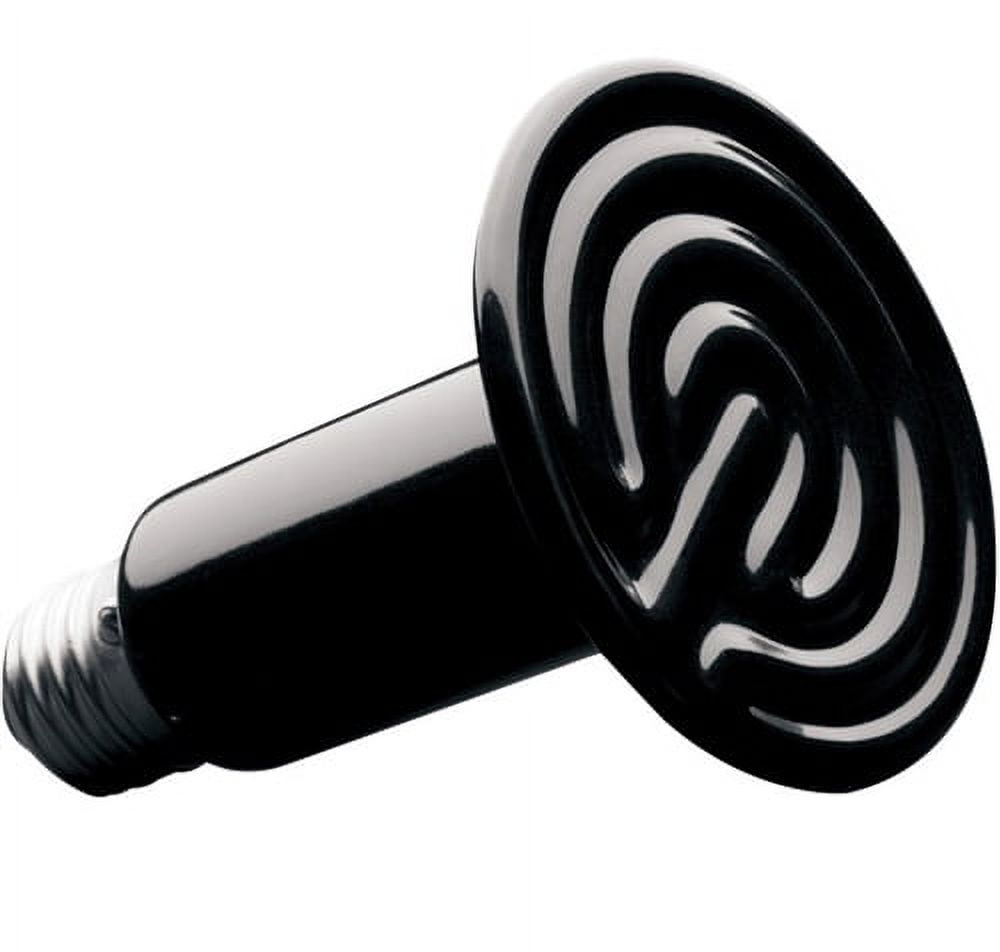
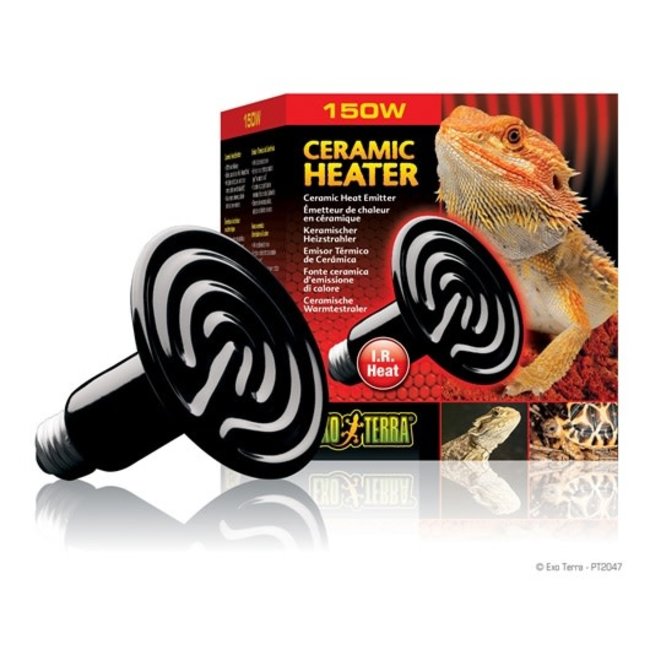
Ceramic Infrared Heat Emitter for Animals |
| Product Image |
 |
| Product Overview |
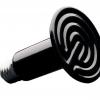
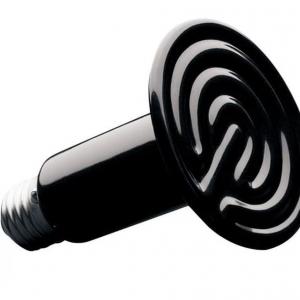
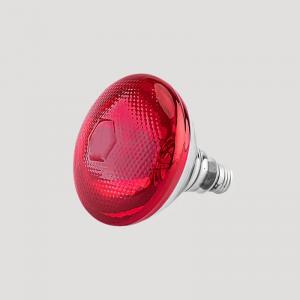
The Ceramic Infrared Heat Emitter for Animals is a compact radiant heating component designed to create localized warm zones for piglets, chicks, poultry, lambs, young animals and other temperature-sensitive livestock. Unlike conventional visible-light heat bulbs, the ceramic emitter converts electrical energy into radiant heat without producing normal illumination.
The ceramic heating surface transfers infrared thermal energy toward the animal resting or brooding area, helping provide targeted warmth without heating the entire livestock building to the same temperature. This makes ceramic infrared emitters suitable for creep areas, brooding zones, nursery pens, veterinary holding areas and other localized heating applications.
Because the emitter does not depend on visible light for heating, it can be integrated into animal housing where separate lighting and heating schedules are preferred. In commercial livestock equipment projects, multiple emitters can be arranged according to pen layout, animal age, stocking density and required thermal zones.
SHEWUYOU supplies ceramic infrared heating solutions for pig farm construction, poultry farms, livestock facilities and integrated agricultural project applications. Power rating, electrical configuration, lamp holder, reflector, protective guard and control method can be selected according to project requirements and local farm conditions.
|
| Key Features |
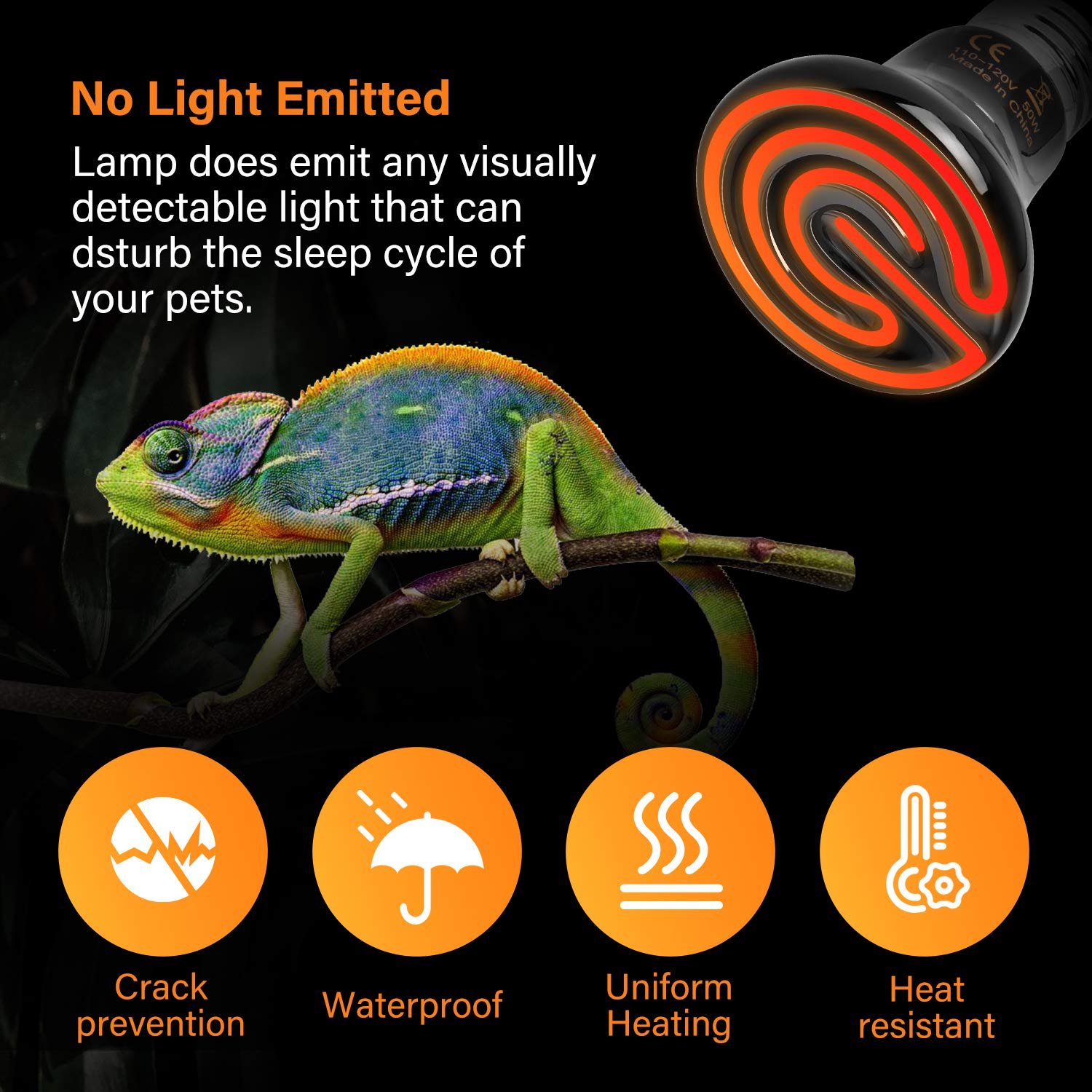
- Light-Free Heating: Produces radiant heat without normal visible illumination, allowing livestock lighting and heating programs to be managed independently.
- Localized Thermal Zone: Directs heat toward a defined animal resting or brooding area instead of unnecessarily heating the complete building.
- Ceramic Heating Body: Uses a heat-resistant ceramic structure designed for stable radiant heat transfer.
- Rapid Heat Response: Provides practical localized heating after energizing, subject to emitter size and operating conditions.
- Suitable for Continuous Farm Heating: Can support day and night warming applications when installed with appropriate controls and safety components.
- Compatible with Farm Controls: Can be operated through suitable thermostats, power controllers or environmental control systems according to project design.
- Compact Installation: Screw-base emitter construction simplifies replacement and integration into compatible ceramic lamp holders and heat-lamp assemblies.
- Multiple Animal Applications: Suitable for piglets, chicks, poultry, lambs, kids and other young animals requiring localized supplementary warmth.
- Project-Based Configuration: Power, voltage, holder, reflector and protective structure can be customized according to project requirements.
- B2B Supply: Suitable for farms, agricultural engineering companies, livestock equipment distributors, agents and international project buyers.
|
| Structural Components |
- Ceramic Radiating Body: Heat-resistant ceramic structure that stores and radiates thermal energy toward the target area.
- Internal Resistance Element: Converts electrical energy into heat inside the ceramic body.
- Screw Lamp Base: Provides mechanical and electrical connection to a compatible high-temperature lamp holder.
- Ceramic Lamp Holder: Recommended for heat-resistant installation and reliable electrical connection.
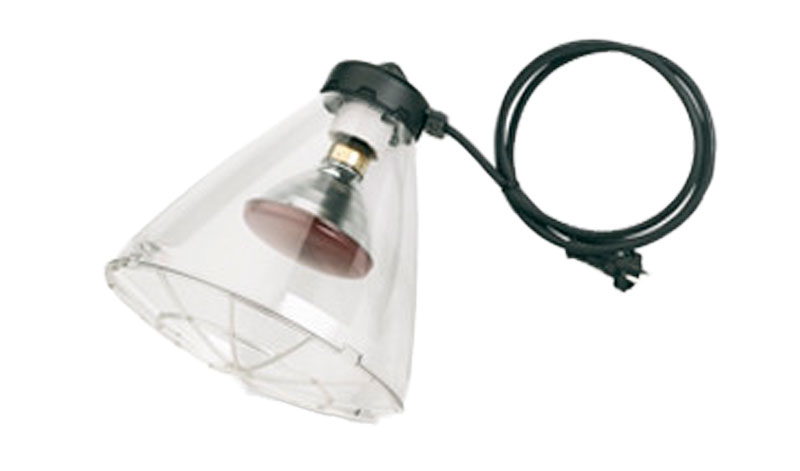
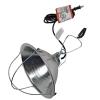
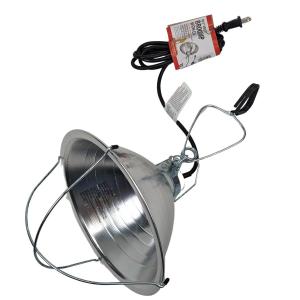
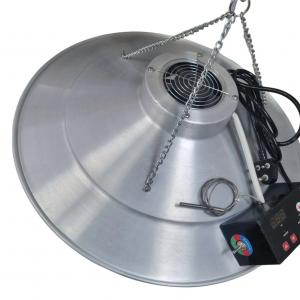
- Reflector: Optional metal reflector can help direct radiant heat downward toward the required animal zone.
- Protective Guard: Optional wire guard reduces accidental contact with the hot emitter surface.
- Suspension Assembly: Chain, hook or bracket arrangement can be configured for livestock-house installation.
- Temperature Control Components: Thermostat, sensor or compatible controller can be incorporated according to the farm heating design.
|
| Working Principle / Structural Principle |
When electrical power is supplied, current passes through the resistance element embedded within the ceramic heater body. Electrical resistance generates heat, which is transferred through the ceramic material to its external radiating surface.
The heated ceramic surface emits infrared thermal radiation toward animals and surrounding surfaces within the target zone. The animals and floor surfaces absorb this radiant energy and become warmer without requiring the entire room air volume to be heated to the same level.
When used with a suitable thermostat or environmental controller, power can be regulated according to temperature demand. In livestock buildings, localized infrared heating should be coordinated with the livestock ventilation system so minimum fresh-air requirements and animal comfort can be maintained simultaneously.
|
| Technical Specifications |
- Product Type: Ceramic infrared radiant heat emitter
- Heating Method: Electric resistance infrared heating
- Visible Light Output: No normal illumination during heating operation
- Reference Power Options: 150 W / 175 W / 200 W / 250 W
- Base Type: E27 reference configuration
- Voltage: According to project requirements
- Frequency: According to destination market requirements
- Emitter Material: Heat-resistant ceramic
- Product Dimensions: Available upon request
- Mounting Method: Suspended, reflector-mounted or customized installation
- Lamp Holder: High-temperature ceramic holder recommended
- Reflector: Available upon request
- Protective Guard: Available upon request
- Temperature Control: Thermostat or controller integration available upon request
- Power Control: According to project requirements
- Installation Height: Designed according to animal type, emitter output and farm conditions
- Operating Environment: Designed according to local climate and farm conditions
- OEM / ODM: Available upon request
|
| Applications |
- Piglet Creep Areas: Localized warming beside the sow area in commercial farrowing facilities.
- Piglet Nursery Pens: Supplemental thermal support for young pigs during early production stages.
- Poultry Brooding: Heating zones for chicks and young poultry during temperature-sensitive brooding periods.
- Layer and Broiler Farms: Supplemental heating for selected zones during cold weather or early growth stages.
- Lambing Areas: Localized warmth for newborn lambs and weak young animals where additional heat is required.
- Goat Kid Areas: Supplemental heating for kidding pens and young-stock housing.
- Veterinary Recovery Pens: Controlled supplementary warmth for selected animal care or observation areas.
- Small Animal Housing: Localized radiant heating for suitable breeding and care facilities.
- Farm Renovation Projects: Addition of localized heating zones to existing livestock houses.
- Integrated Agricultural Projects: Heating component for livestock equipment packages, environmental control systems and steel structure building projects.
|
| Customization Options |
- Power Rating: Selected according to animal type, heating zone and project requirements.
- Electrical Configuration: Voltage and frequency according to destination market requirements.
- Emitter Size: Available according to selected heating output and product configuration.
- Lamp Holder: High-temperature ceramic socket options available according to installation requirements.
- Reflector Design: Reflector diameter, material and configuration available upon request.
- Protective Guard: Wire guard or complete heat-lamp assembly available according to project requirements.
- Control Method: Thermostat, temperature sensor, power controller or centralized farm control integration available upon request.
- OEM / Private Label: Packaging, labeling and project documentation can be customized for distributors and agents.
|
| Installation & Maintenance |
Installation Planning
Select emitter output and quantity according to animal species, age, pen dimensions, required heated area, building temperature and local climate. Young animals should have access to both a warmed zone and a cooler escape area so they can regulate their position according to thermal comfort.
Mounting
Install the emitter in a compatible high-temperature ceramic lamp holder. For suspended livestock applications, use secure chains, brackets or heat-lamp housings designed for agricultural environments. The unit should be positioned so animals cannot directly contact the hot ceramic surface.
Clearance and Fire Safety
Maintain appropriate clearance from bedding, feed, plastic equipment, insulation, timber and other combustible materials. A suitable reflector and protective guard are recommended where required by the application. Final clearances must follow the selected product instructions and applicable local regulations.
Electrical Installation
Power supply, wiring, socket rating and protective devices must match the selected emitter. Farm electrical installations should be completed by qualified personnel, particularly in humid, dusty or corrosive livestock environments.
Temperature Control
For commercial livestock installations, thermostatic or environmental control is recommended where appropriate. Sensor placement should represent the animal-level temperature in the heated zone rather than only the general room temperature.
Routine Maintenance
- Switch off and isolate electrical power before inspection or cleaning.
- Allow the ceramic emitter to cool completely before touching or removing it.
- Remove accumulated dust, feathers and other debris from the emitter, reflector and guard.
- Inspect ceramic surfaces for cracks, chips or other visible damage.
- Check the lamp holder, electrical connections, suspension chain and protective guard regularly.
- Replace damaged sockets or wiring before returning the unit to service.
- Confirm correct thermostat and temperature-sensor operation before cold-weather production cycles.
- Increase inspection frequency in humid, dusty or intensive livestock-house environments.
|
| Project Cases |
Representative Project Scenario 1 – Commercial Farrowing House:
A pig farm construction project requires separate thermal zones for newborn piglets while maintaining a lower general room temperature suitable for sows. Ceramic infrared emitters are installed above creep areas and controlled according to piglet-level temperature requirements. The layout is coordinated with flooring, creep partitions, feeders and the livestock ventilation system.
Representative Project Scenario 2 – Poultry Brooding House:
A poultry farm requires localized supplementary heating during the early brooding period. Multiple ceramic emitters are distributed across designated brooding areas, with installation quantity and height selected according to house layout, chick density and environmental conditions.
Representative Project Scenario 3 – Sheep and Goat Facility:
A livestock project in a cold-climate region uses ceramic infrared emitters above selected lambing and kidding areas. The emitters provide localized warming without requiring continuous visible light in the animal resting zone.
Representative Project Scenario 4 – Integrated Steel Structure Livestock Building:
An agricultural engineering company incorporates ceramic heat emitters into a complete steel structure building project. Heating positions are coordinated with pens, electrical routes, lighting, ventilation and farm environmental controls before installation.
|
| Product FAQ |
Q1: Does the ceramic infrared heat emitter produce visible light?
A: The ceramic emitter is designed primarily to generate radiant heat without normal visible illumination, making it suitable where heating and livestock lighting programs need to be managed separately.
Q2: Can this product be used for piglets?
A: Yes. Ceramic infrared emitters can provide localized supplementary heat for piglet creep and nursery areas when the power rating, mounting height and safety arrangement are correctly selected.
Q3: Is it suitable for poultry brooding?
A: Yes. It can be used for localized chick and poultry heating. Quantity and installation layout should be selected according to animal density, building conditions and required thermal distribution.
Q4: What lamp holder should be used?
A: A high-temperature ceramic lamp holder suitable for the selected emitter base and electrical load is recommended.
Q5: Can the heater operate with a thermostat?
A: Yes. Suitable thermostats or environmental controllers can be incorporated according to the project electrical and control design.
Q6: How should the correct power rating be selected?
A: Selection should consider animal type and age, ambient temperature, heated-zone size, mounting height, building insulation and local climate. SHEWUYOU can recommend a configuration according to project requirements.
Q7: Can a protective guard and reflector be supplied?
A: Yes. Reflectors, protective guards, lamp holders and complete suspended heating assemblies are available according to project requirements.
Q8: Can voltage and packaging be customized for distributors?
A: Yes. Electrical configuration, labeling, packaging and OEM requirements can be discussed according to the destination market and order requirements.
Q9: What information is needed for a quotation?
A: Please provide animal type, animal age, number of pens or brooding zones, local minimum temperature, available voltage, preferred heater power, mounting arrangement and required quantity.
Q10: Can this heater be supplied as part of a complete livestock equipment project?
A: Yes. Ceramic infrared heaters can be coordinated with pens, flooring, feeding systems, lighting, livestock ventilation system equipment and environmental controls for integrated farm projects.
|
| Product Gallery |

 |


Comments & Inquiries
Leave your questions or requirements below. We will reply as soon as possible.