
| Product Name |
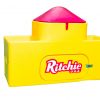
Fence-Line Heated Sheep Waterer
|
||||||||||||||||||||
| Product Image | 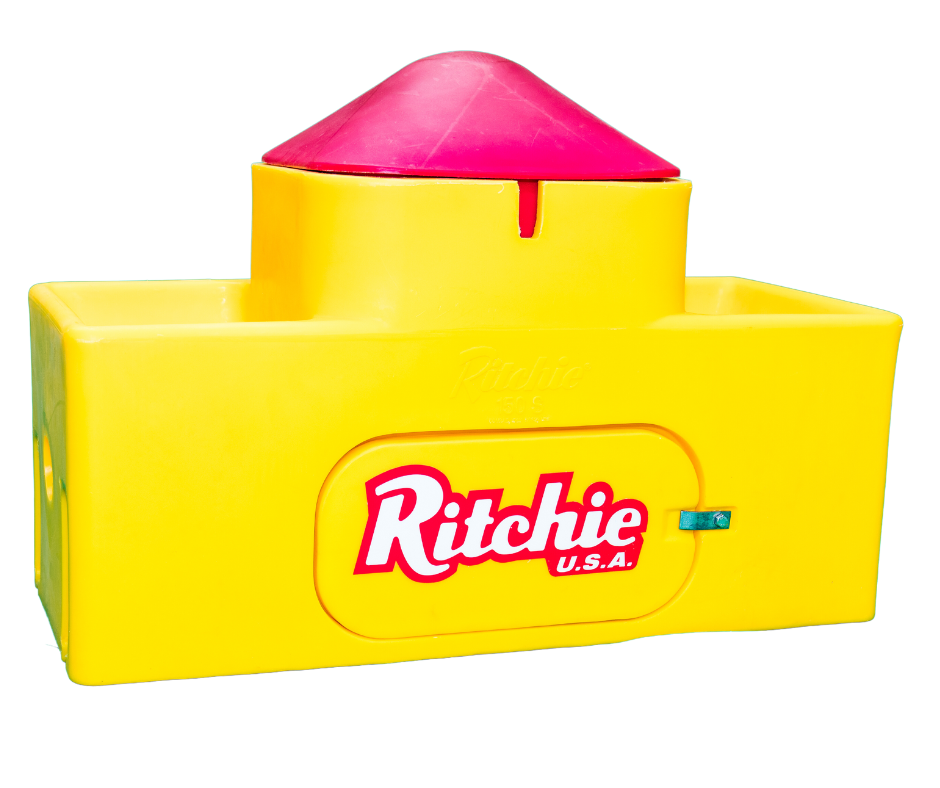 |
||||||||||||||||||||
| Product Overview |
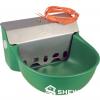
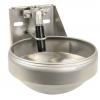
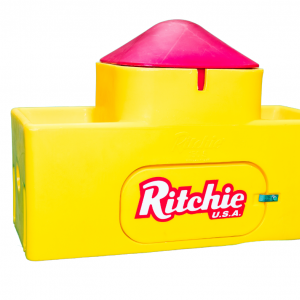
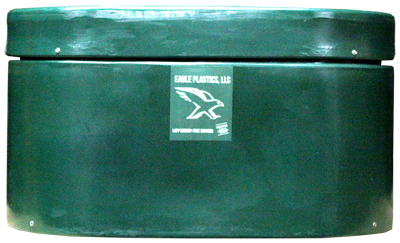
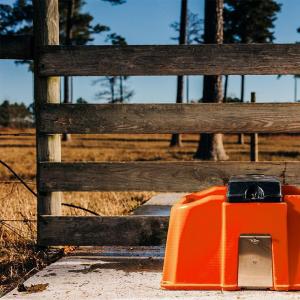
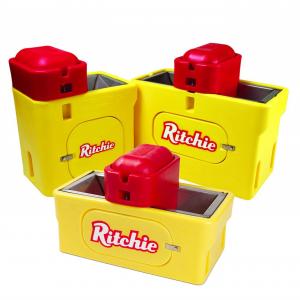
The Fence-Line Heated Sheep Waterer is a compact, two-sided automatic drinking system developed for goat-farming-equipment/" target="_blank" class="keylink">sheep, goats and other suitable livestock. Its fence-line configuration allows animals from adjacent pens or livestock areas to access the same waterer from opposite sides, helping improve watering efficiency and reduce congestion. The insulated housing helps moderate water temperature in changing weather, while an integrated heater and heat-tape configuration can be used where additional freeze protection is required. The system is suitable for livestock barns, breeding facilities, corrals, lambing areas and controlled animal handling zones. :contentReference[oaicite:1]{index=1} For agricultural engineering projects, the unit can be coordinated with livestock fencing, pen partitions, concrete flooring, drainage, water supply lines and steel structure building layouts. |
||||||||||||||||||||
| Key Features |
|
||||||||||||||||||||
| Structural Components |
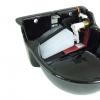
The typical configuration consists of the following major components:
Final component configuration, material grade, valve specification, electrical arrangement and mounting details are customizable according to project requirements. |
||||||||||||||||||||
| Working Principle / Structural Principle |
The waterer is connected to the farm water supply through an inlet line. As livestock consume water, the float valve responds to the changing water level and automatically opens to admit fresh water. Once the preset level is restored, the valve closes to control water consumption. The two-sided structure places drinking access on opposite sides of the unit, allowing a single watering station to serve adjacent pens or livestock lanes. This layout is particularly useful where a fence or partition separates animal groups. In freezing climates, the heating system can provide supplemental protection to exposed water components. Insulation reduces heat transfer, while the overall heating capacity and control configuration should be designed according to local climate and farm conditions. |
||||||||||||||||||||
| Technical Specifications |
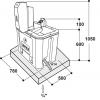
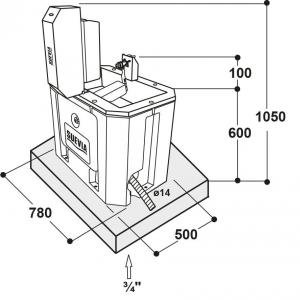
Reference dimensions and capacity are based on the comparable two-sided heated waterer configuration. Final specifications should be confirmed according to animal type, water demand, climate, plumbing conditions and project requirements. :contentReference[oaicite:2]{index=2} |
||||||||||||||||||||
| Applications |
For engineering companies working on commercial pig farm construction, steel structure buildings or mixed-species agricultural facilities, the watering station can be incorporated into the overall livestock utility, fencing and equipment layout where sheep or other compatible livestock are included. |
||||||||||||||||||||
| Customization Options |
The waterer can be configured for different farm layouts, climate zones and project specifications.
|
||||||||||||||||||||
| Installation & Maintenance |
Installation: Position the waterer along the selected fence, partition or pen divider. Prepare a level, load-bearing concrete base where required, connect the water inlet and verify the float-valve assembly. For cold-weather installations, install the heater, heat tape and electrical protection system according to the approved engineering design and local electrical codes. Fence Integration: The waterer should be positioned so that drinking openings remain accessible from both livestock areas while the surrounding fence or pen structure prevents animals from climbing onto or damaging the equipment. Maintenance: Inspect the float valve, inlet connection, drain openings, heater, heat tape and electrical connections regularly. Clean the drinking trough and remove sediment or foreign material as required. Before winter, verify heating controls, insulation and electrical protection. Maintenance intervals depend on water quality, animal density and operating conditions. |
||||||||||||||||||||
| Project Cases |
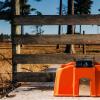
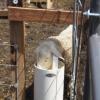
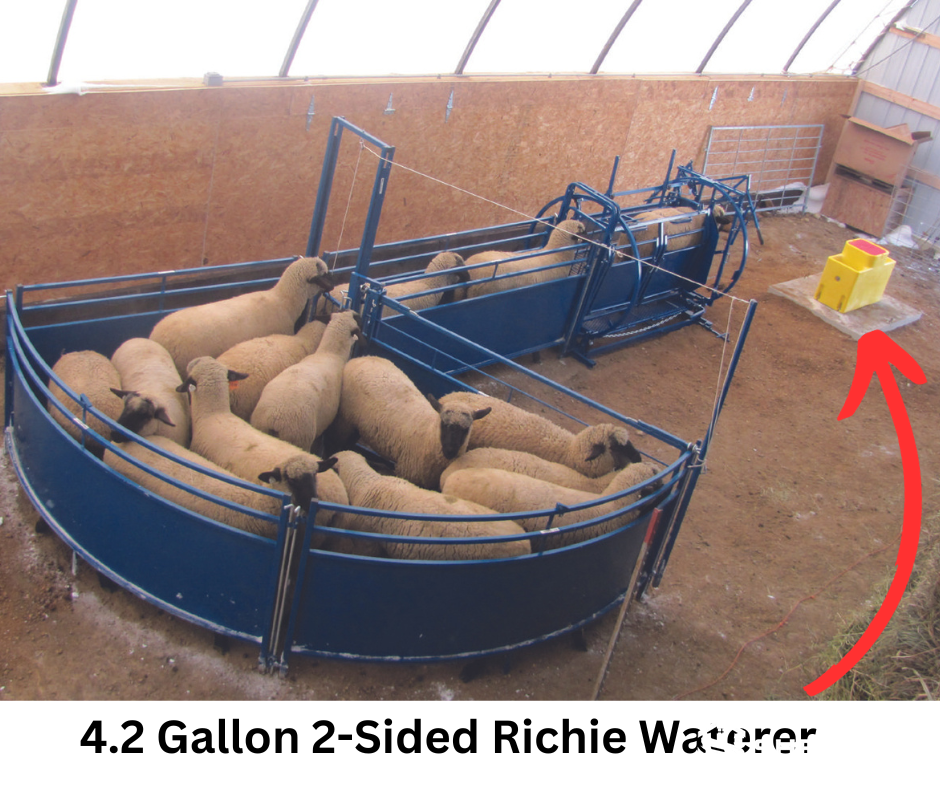
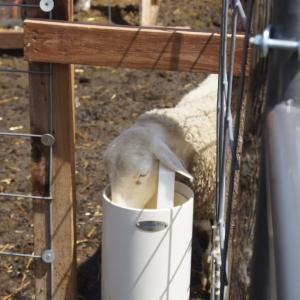
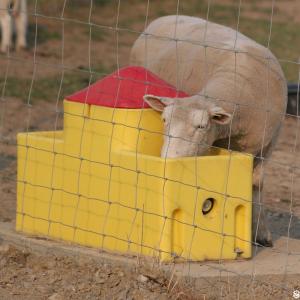
The two-sided watering concept is well suited to livestock barn layouts where pens are arranged on opposite sides of a central fence or divider. Reference installations show the waterer integrated into sheep handling and barn systems, allowing the watering point to serve adjacent animal areas while maintaining clear livestock traffic lanes. :contentReference[oaicite:3]{index=3} For new-build projects, waterer locations can be coordinated with pen partitions, steel structure columns, concrete flooring, drainage channels, underground waterlines and livestock handling equipment. Final placement should be determined from the complete farm layout and animal-flow plan. |
||||||||||||||||||||
| Product FAQ |
Q1: What makes this waterer suitable for fence-line installation? Q2: Does the waterer provide automatic water replenishment? Q3: Is heating required in every climate? Q4: Can one unit serve animals on both sides of a fence? Q5: Can the waterer be customized for international projects? Q6: Is it suitable for commercial livestock facilities? |
||||||||||||||||||||
| Product Gallery |
 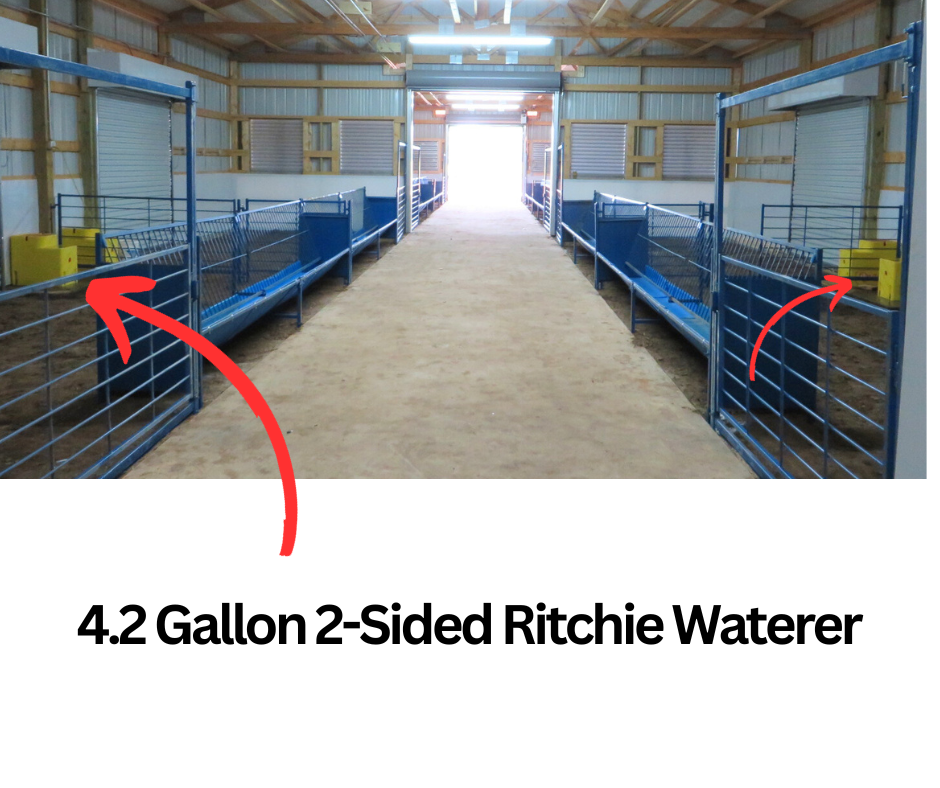 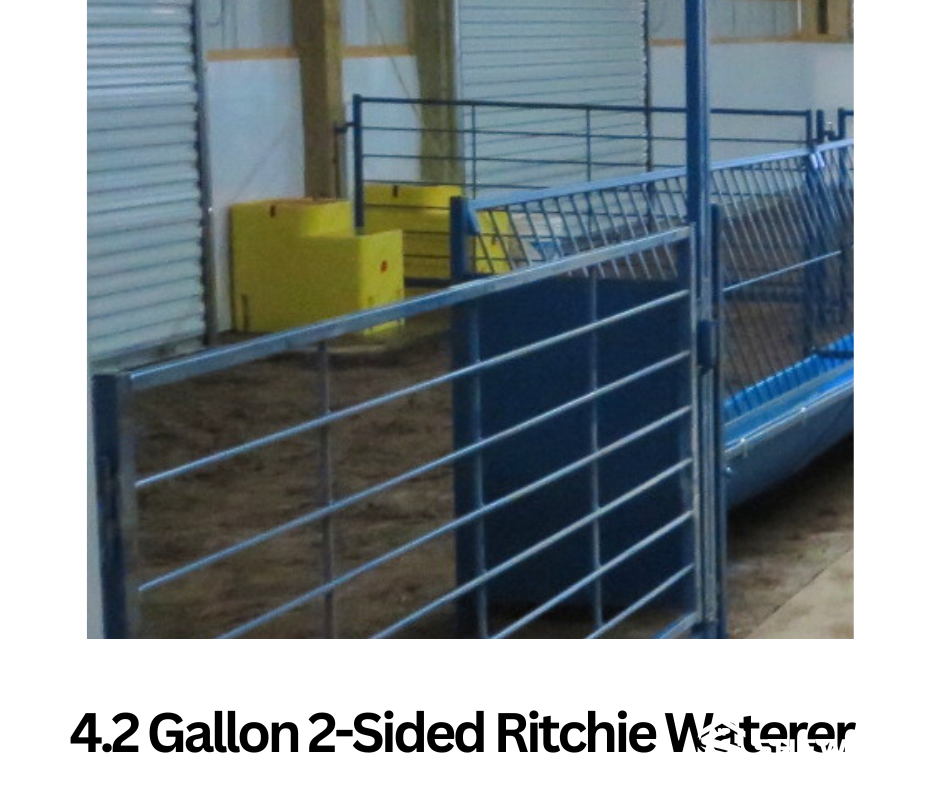 |
- Home
-
Products
- Pig Farming Equipment
- Cattle Farming Equipment
- Sheep & Goat Farming Equipment
- Poultry Farming Equipment
- Feeding & Drinking Systems
- Veterinary & Breeding Equipment
- Testing & Diagnostic Equipment
- Cleaning & Biosecurity Equipment
- Climate Control Equipment
- Livestock Weighing Equipment
- Manure & Waste Management
- Farm Transport & Handling
-
Solutions
- Pig Farm Solutions
- Dairy Farm Solutions
- Beef Cattle Farm Solutions
- Sheep & Goat Farm Solutions
- Layer Farm Solutions
- Broiler Farm Solutions
- Feeding & Drinking System Solutions
- Climate Control Solutions
- Biosecurity & Disinfection Solutions
- Manure & Waste Management
- Smart Farming Solutions
- Farm Renovation and Upgrade Solutions
- Partners
- Projects
- Resources
- News
- About Us
- Contact
Comments & Inquiries
Leave your questions or requirements below. We will reply as soon as possible.