
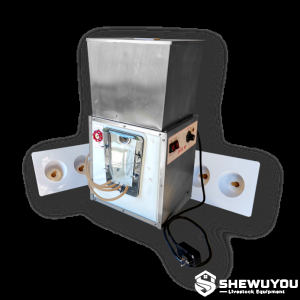
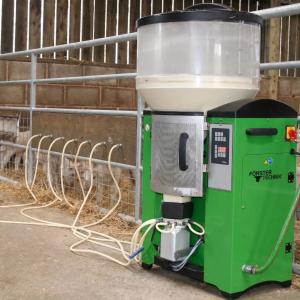
| Product Name | Modular Multi-Station Lamb Feeding System | ||||||||||||||||||||||||||||
| Product Image | 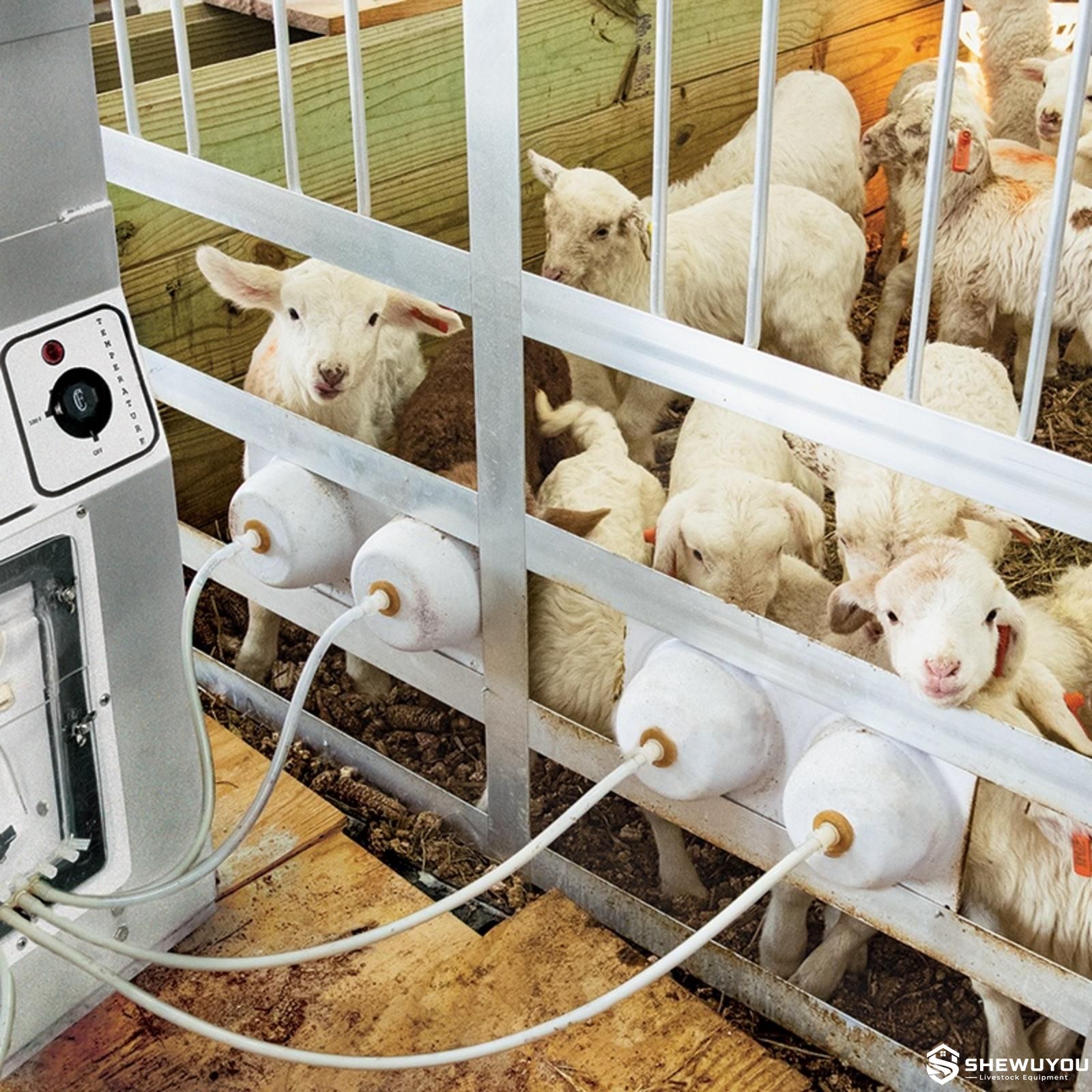 |
||||||||||||||||||||||||||||
| Product Overview |
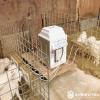
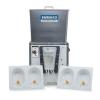
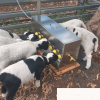
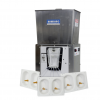
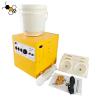
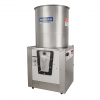
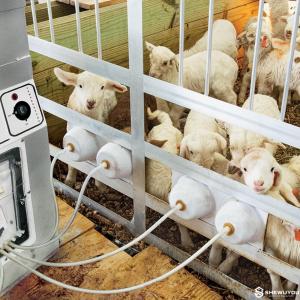
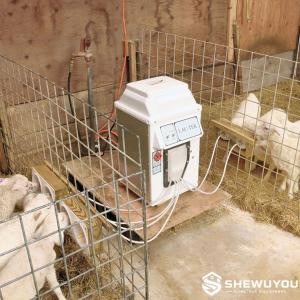
The Modular Multi-Station Lamb Feeding System is designed for intensive artificial rearing of lambs and goat kids where one central milk preparation unit supplies several separate suckling points. The modular layout allows feeding stations to be distributed between nursery pens according to flock size, building layout and management requirements. The system automatically prepares milk replacer from controlled quantities of warm water and powder. Fresh feed is delivered through milk hoses to individual teat stations, allowing young animals to drink according to the feeding program while reducing repeated manual bottle or bucket preparation. This configuration is suitable for commercial sheep farms, dairy goat operations, lambing centers, livestock breeding facilities and steel-structure animal houses requiring scalable milk-feeding infrastructure. Feeding-point quantity, hose routing and pen arrangement can be designed according to project requirements. |
||||||||||||||||||||||||||||
| Key Features |
|
||||||||||||||||||||||||||||
| Structural Components |
|
||||||||||||||||||||||||||||
| Working Principle / Structural Principle |
The central feeder is connected to electrical power and a clean water supply. Milk replacer powder is loaded into the storage hopper and preparation parameters are selected on the control unit. When feed is required, measured quantities of warm water and milk replacer are introduced into the mixing chamber. The ingredients are mixed rapidly to prepare a fresh portion at the selected concentration and temperature. The prepared milk is available through suction hoses connected to feeding stations positioned throughout the nursery area. Lambs or goat kids suckle from individual teats, allowing one preparation unit to serve several groups. Because feeding stations are separate from the central machine, the system can be adapted to different pen layouts without positioning the complete feeder inside every animal group. |
||||||||||||||||||||||||||||
| Technical Specifications |
Reference values are based on comparable commercial automatic lamb-feeding systems. Final specifications depend on selected configuration and project requirements. |
||||||||||||||||||||||||||||
| Applications |
|
||||||||||||||||||||||||||||
| Customization Options |
|
||||||||||||||||||||||||||||
| Installation & Maintenance |
Installation:
Maintenance:
|
||||||||||||||||||||||||||||
| Product FAQ |
Q1: What makes this system modular? The central milk preparation unit can supply several separate teat stations, allowing feeding points to be distributed between different nursery pens according to farm layout and flock size. Q2: How many feeding stations can one system support? Comparable commercial systems are available with up to six or eight feeding stations depending on machine configuration. Q3: How many lambs can use each station? A common commercial planning guideline is approximately 20-30 lambs or goat kids per feeding station, depending on age, management and feeding behavior. Q4: Can one machine feed several different pens? Yes. This is one of the main advantages of the multi-station configuration. Separate hose lines can connect the central feeder to feeding stations installed in adjacent nursery groups. Q5: Can it feed goat kids as well as lambs? Yes. Automatic milk replacer systems of this type are designed for both lamb and goat kid artificial rearing. Q6: Is the milk prepared automatically? Yes. The machine automatically meters warm water and milk replacer powder and mixes fresh portions according to the selected operating parameters. Q7: Can the feeding stations be adjusted for different animal ages? Yes. Teat position and mounting height can be adapted to young or older lambs and goat kids when suitable mounting hardware is used. Q8: What utilities are required? The central feeder normally requires electrical power, clean water and suitable drainage. Final requirements depend on the selected model and local installation conditions. Q9: How is the milk hose system cleaned? Routine hose flushing and cleaning are required. Commercial systems can include a hose-cleaning pistol or similar cleaning equipment for removing deposits from longer suction lines. Q10: Can the system be designed for a new livestock building? Yes. Feeder location, water and electrical services, pen arrangement, hose routing and teat stations can be coordinated with the livestock building layout according to project requirements. |
||||||||||||||||||||||||||||
| Product Gallery |  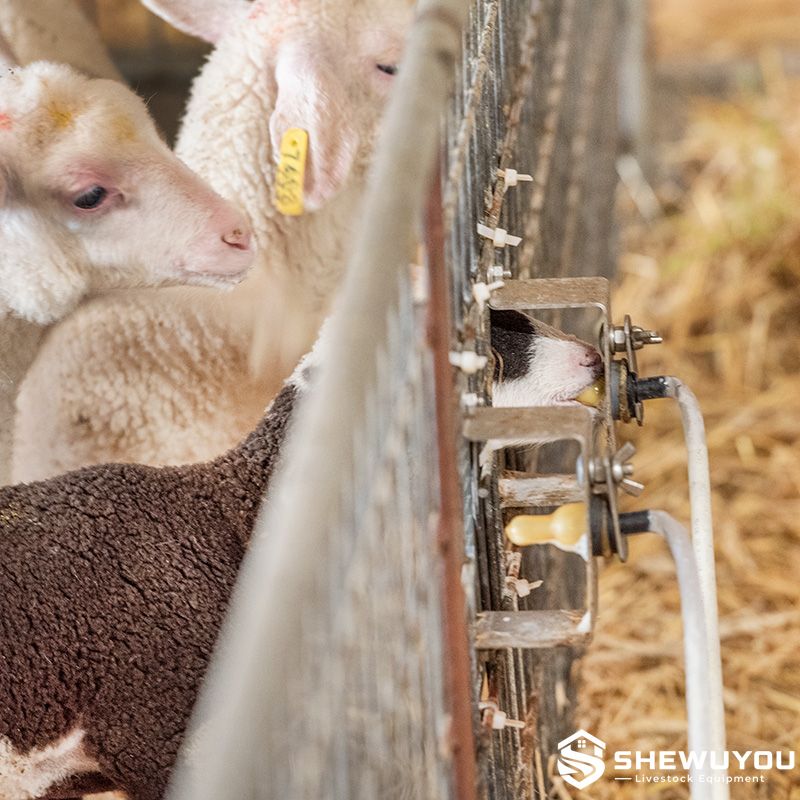 |
- Home
-
Products
- Pig Farming Equipment
- Cattle Farming Equipment
- Sheep & Goat Farming Equipment
- Poultry Farming Equipment
- Feeding & Drinking Systems
- Veterinary & Breeding Equipment
- Testing & Diagnostic Equipment
- Cleaning & Biosecurity Equipment
- Climate Control Equipment
- Livestock Weighing Equipment
- Manure & Waste Management
- Farm Transport & Handling
-
Solutions
- Pig Farm Solutions
- Dairy Farm Solutions
- Beef Cattle Farm Solutions
- Sheep & Goat Farm Solutions
- Layer Farm Solutions
- Broiler Farm Solutions
- Feeding & Drinking System Solutions
- Climate Control Solutions
- Biosecurity & Disinfection Solutions
- Manure & Waste Management
- Smart Farming Solutions
- Farm Renovation and Upgrade Solutions
- Partners
- Projects
- Resources
- News
- About Us
- Contact
Comments & Inquiries
Leave your questions or requirements below. We will reply as soon as possible.