
| Product Name | Automatic-Cleaning Lamb Milk Feeder | ||||||||||||||||||||||||||||
| Product Image | 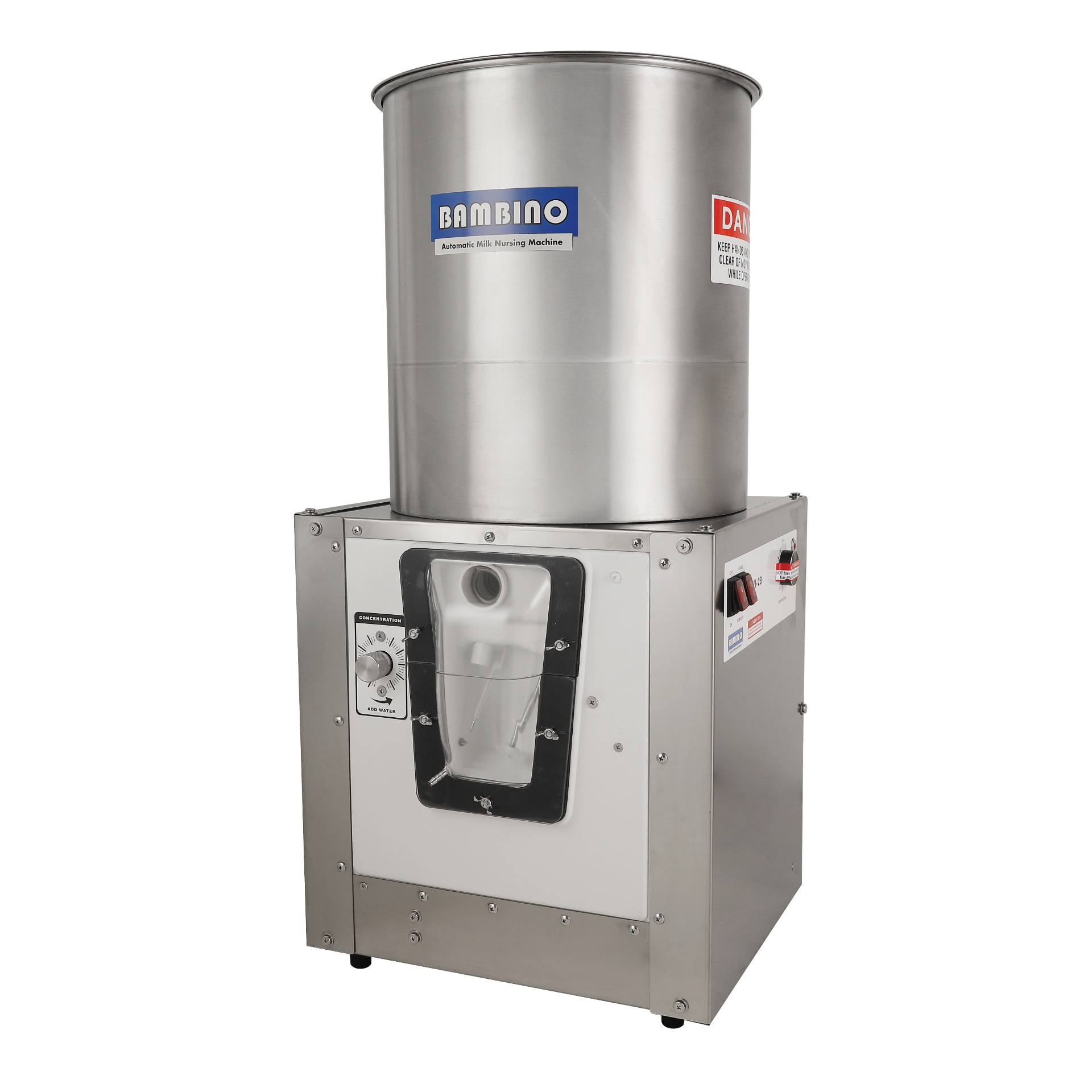 |
||||||||||||||||||||||||||||
| Product Overview |
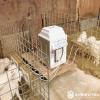
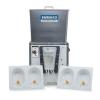
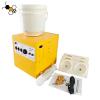
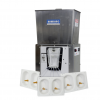
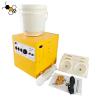
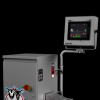
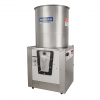
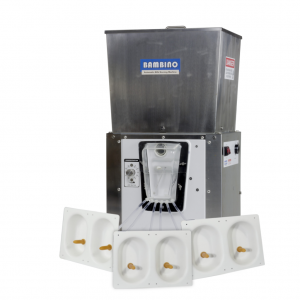
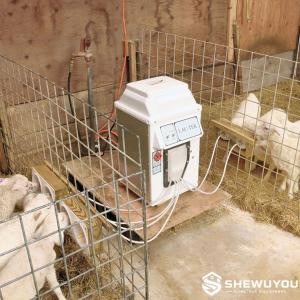
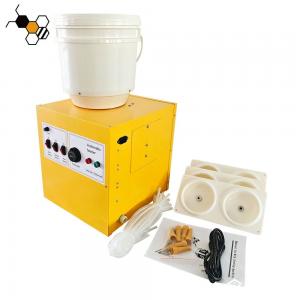
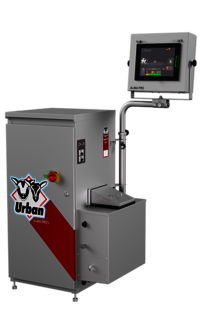
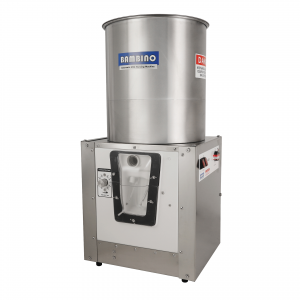
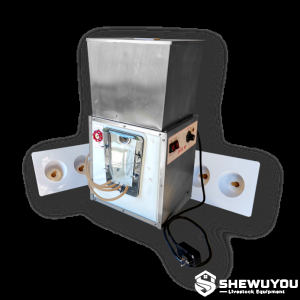
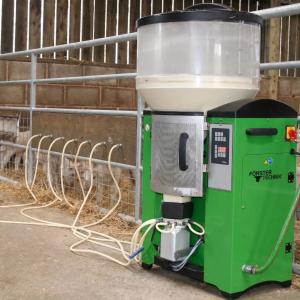
The Automatic-Cleaning Lamb Milk Feeder is a professional milk replacer preparation and feeding system developed for intensive artificial rearing of lambs and goat kids. The machine automatically combines milk replacer powder with temperature-controlled water and supplies freshly prepared milk to remote teat feeding stations. Compared with manual bottle or bucket feeding, an automatic feeder significantly reduces repetitive milk preparation work while providing young animals with frequent access to warm milk. Cleaning-assisted configurations also simplify routine washing of the mixing and milk-delivery system. The equipment is suitable for commercial sheep farms, dairy goat farms, lambing barns, young-stock nurseries, breeding centers and integrated steel-structure livestock buildings. Feeding capacity, teat-station layout and utility configuration can be selected according to project requirements. |
||||||||||||||||||||||||||||
| Key Features |
|
||||||||||||||||||||||||||||
| Structural Components |
|
||||||||||||||||||||||||||||
| Working Principle / Structural Principle |
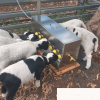
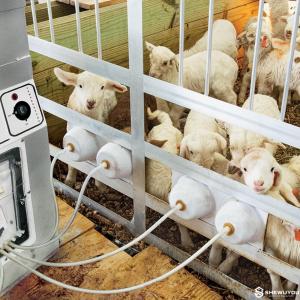
The automatic feeder is connected to electrical power and a suitable water source. Dry milk replacer is loaded into the powder hopper, and the water-heating system brings preparation water to the configured temperature. When milk is required, measured quantities of powder and water enter the mixing chamber. The mixer prepares a fresh portion of liquid milk replacer, which is then delivered through hoses to one or more teat stations. Lambs and goat kids drink independently from the feeding teats. This enables several animals to be reared in groups while reducing the need for repeated individual bottle feeding. During maintenance periods, the cleaning-assisted system can flush designated milk-contact components. Cleaning procedures should always follow the selected machine specification and farm hygiene protocol. |
||||||||||||||||||||||||||||
| Technical Specifications |
|
||||||||||||||||||||||||||||
| Applications |
|
||||||||||||||||||||||||||||
| Customization Options |
|
||||||||||||||||||||||||||||
| Installation & Maintenance |
Installation:
Maintenance:
|
||||||||||||||||||||||||||||
| Product FAQ |
Q1: What does an automatic lamb milk feeder do? It automatically combines milk replacer powder and warm water and supplies freshly prepared milk to teat feeding stations for lambs or goat kids. Q2: What is the advantage of a cleaning-assisted feeder? Rinse or cleaning programs reduce repetitive manual washing and help simplify hygiene management of the milk preparation and delivery system. Q3: Does automatic cleaning eliminate manual inspection? No. Operators should still inspect the mixing chamber, hoses, teat stations and other milk-contact components regularly. Q4: Can the system feed goat kids? Yes. Automatic milk replacer feeders are suitable for both lamb and goat kid rearing when configured with appropriate teats and feeding settings. Q5: How many animals can one feeder support? Capacity depends on machine output, number of suckling points, animal age and farm management. Large commercial systems can support substantial nursery groups. Q6: Can several lambs drink simultaneously? Yes. Multiple teat stations can be connected so several animals can feed at the same time. Q7: Can milk concentration be adjusted? Yes. Powder-to-water ratio can be configured according to milk replacer specifications and the farm feeding program. Q8: What utilities are normally required? Electrical power, a suitable water supply and drainage are typically required, depending on machine configuration. Q9: Can the feeder be integrated into a new livestock building? Yes. Machine placement, utilities, hose routes and teat stations can be coordinated with modular livestock pens and steel-structure farm buildings. Q10: Can the system be customized? Yes. Feeding capacity, station quantity, electrical configuration, heating, hose layout and related accessories can be supplied according to project requirements. |
||||||||||||||||||||||||||||
| Product Gallery | 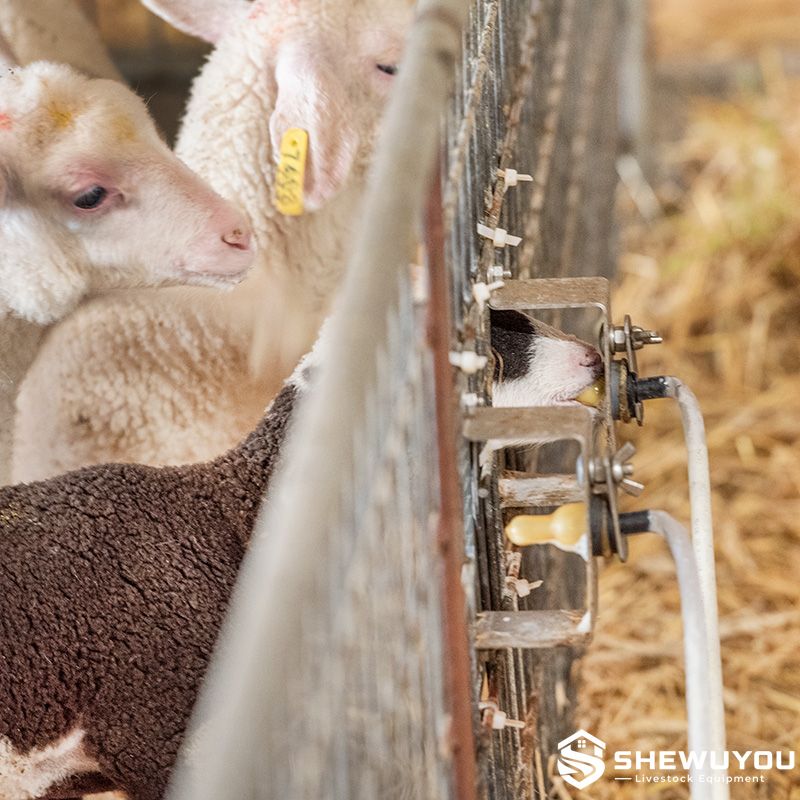 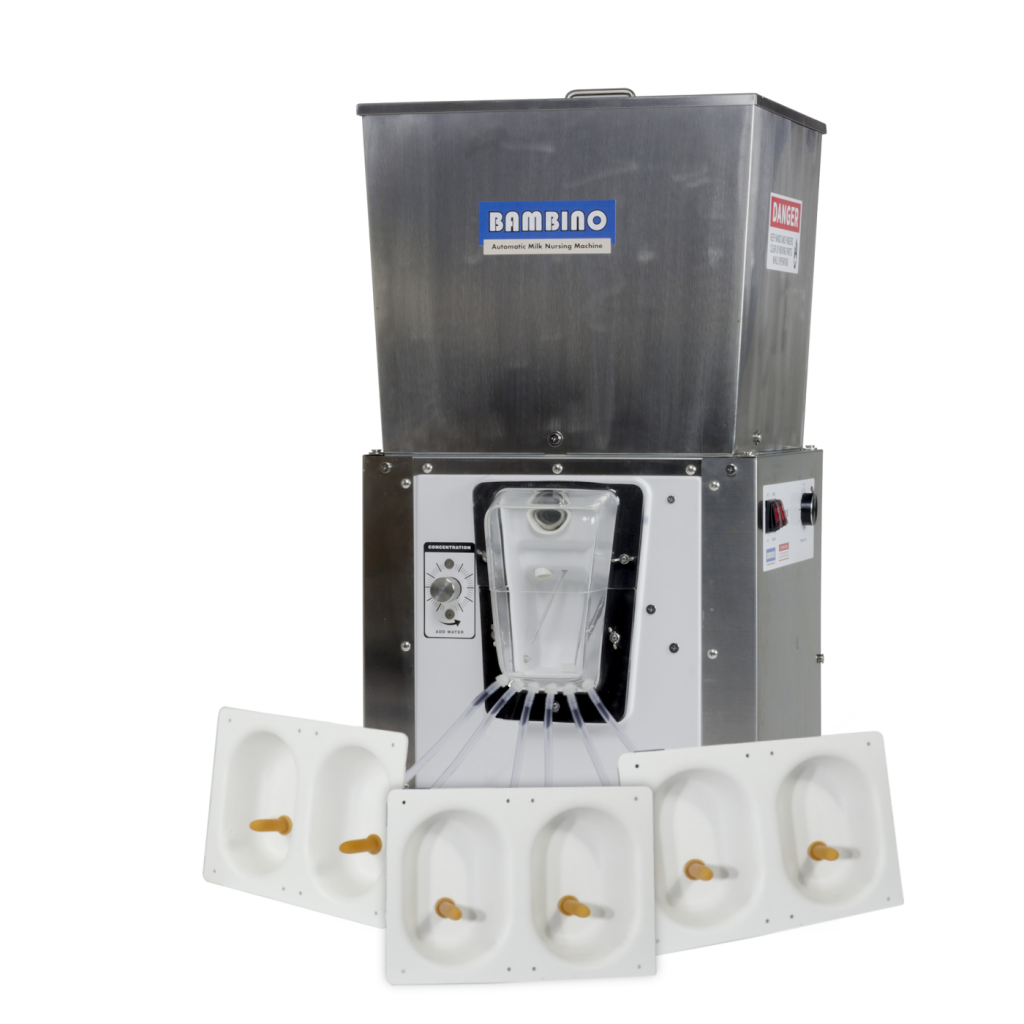 |
- Home
-
Products
- Pig Farming Equipment
- Cattle Farming Equipment
- Sheep & Goat Farming Equipment
- Poultry Farming Equipment
- Feeding & Drinking Systems
- Veterinary & Breeding Equipment
- Testing & Diagnostic Equipment
- Cleaning & Biosecurity Equipment
- Climate Control Equipment
- Livestock Weighing Equipment
- Manure & Waste Management
- Farm Transport & Handling
-
Solutions
- Pig Farm Solutions
- Dairy Farm Solutions
- Beef Cattle Farm Solutions
- Sheep & Goat Farm Solutions
- Layer Farm Solutions
- Broiler Farm Solutions
- Feeding & Drinking System Solutions
- Climate Control Solutions
- Biosecurity & Disinfection Solutions
- Manure & Waste Management
- Smart Farming Solutions
- Farm Renovation and Upgrade Solutions
- Partners
- Projects
- Resources
- News
- About Us
- Contact
Comments & Inquiries
Leave your questions or requirements below. We will reply as soon as possible.