
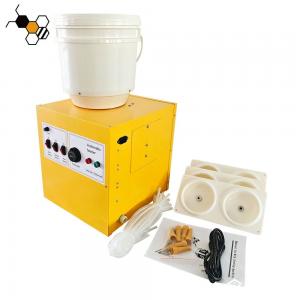
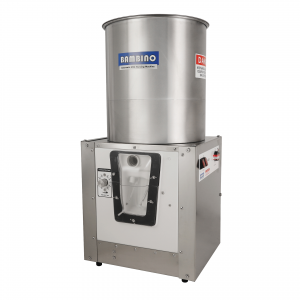
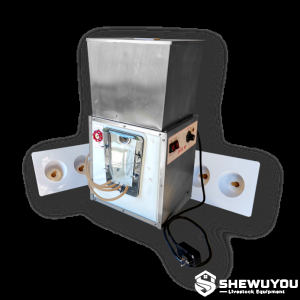
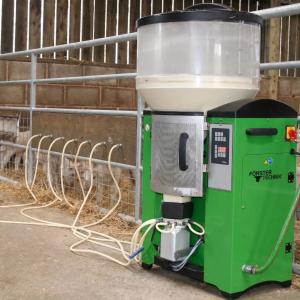
| Product Name | Smart Touchscreen Automatic Lamb Feeder | ||||||||||||||||||||||||||||||
| Product Image | 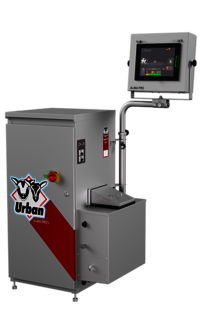 |
||||||||||||||||||||||||||||||
| Product Overview |
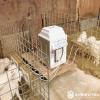
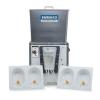
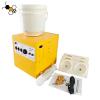
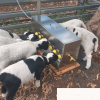
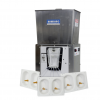
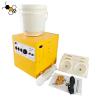
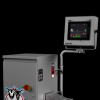
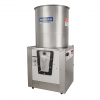
The Smart Touchscreen Automatic Lamb Feeder is an intelligent milk-feeding system designed for professional artificial rearing of lambs and goat kids. It combines automatic milk replacer preparation, temperature control, animal identification and digital feeding management in one integrated system. A touchscreen control terminal provides centralized access to feeding settings, animal information, milk consumption data and equipment status. When electronic animal identification is used, individual lambs or kids can be recognized at the feeding station and supplied according to a programmed feeding plan. The system is suitable for intensive lambing operations, commercial sheep and goat farms, breeding centers and livestock housing projects where consistent feeding, reduced manual labor and individual young-animal management are required. |
||||||||||||||||||||||||||||||
| Key Features |
|
||||||||||||||||||||||||||||||
| Structural Components |
|
||||||||||||||||||||||||||||||
| Working Principle / Structural Principle |
Milk replacer powder is loaded into the storage hopper while the feeder is connected to clean water and electrical power. The machine automatically meters powder and heated water into the mixing container according to programmed preparation settings. At the feeding station, a compatible electronic ear tag can identify the individual lamb or goat kid. The control system checks the animal's programmed feeding allowance and determines whether additional milk is available. When feeding is authorized, milk is supplied to the teat station. Consumption data can be recorded and displayed through the touchscreen, allowing operators to evaluate drinking behavior and identify significant changes that may require management attention. This individual feeding approach supports multiple small meals throughout the day while reducing manual preparation, bottle feeding and routine record keeping. |
||||||||||||||||||||||||||||||
| Technical Specifications |
Final machine capacity, station quantity, electrical specification and control functions are configurable according to project requirements. |
||||||||||||||||||||||||||||||
| Applications |
|
||||||||||||||||||||||||||||||
| Customization Options |
|
||||||||||||||||||||||||||||||
| Installation & Maintenance |
Installation Requirements:
Routine Maintenance:
|
||||||||||||||||||||||||||||||
| Product FAQ |
Q1: What is the main advantage of touchscreen control? The touchscreen provides centralized access to feeding settings, machine status and animal information, making daily operation and data review more convenient. Q2: Can the feeder recognize individual lambs? Yes. Compatible systems can identify animals through electronic ear tags and an antenna installed at the feeding station. Q3: Can different lambs receive different milk allowances? Yes. Individual identification enables feeding allowances and feeding cycles to be managed according to the selected rearing program. Q4: How many lambs can one feeder serve? The referenced commercial system is rated for up to 240 lambs with four feeding stations. Final capacity depends on station layout, feeding program and farm management. Q5: Can the system also be used for goat kids? Yes. Automatic milk-feeding systems of this type are suitable for both lamb and goat kid rearing when properly configured. Q6: Can feeding information be checked remotely? Network-enabled configurations can provide remote access to feeder status, animal records and notifications through compatible software or mobile applications. Q7: Does the feeder diagnose sick animals automatically? The system can monitor feeding behavior and milk consumption and highlight changes requiring attention, but these indicators should support rather than replace professional livestock observation and veterinary assessment. Q8: Does the system maintain consistent milk temperature? Integrated heating and temperature sensors are designed to maintain controlled preparation conditions during operation. Q9: Is automatic cleaning available? Yes. Automatic rinsing or cleaning functions are available in compatible configurations, although regular inspection and hygiene management remain necessary. Q10: Can the system be customized for a new sheep house? Yes. Feeder position, utilities, station quantity, hose routing, animal identification and pen integration can be designed according to project requirements. |
||||||||||||||||||||||||||||||
| Product Gallery | 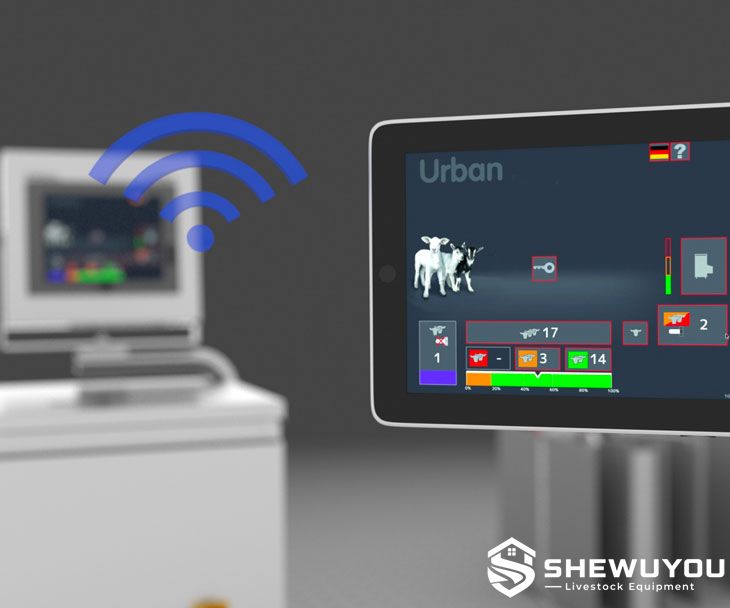 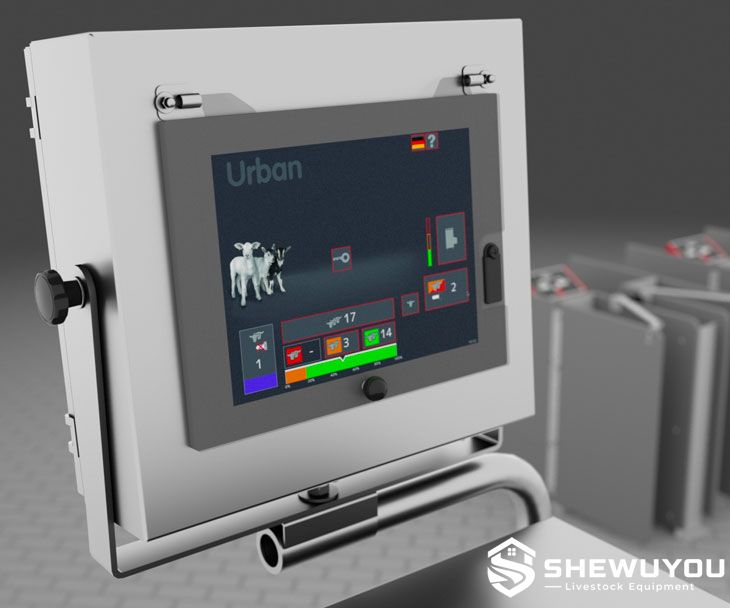 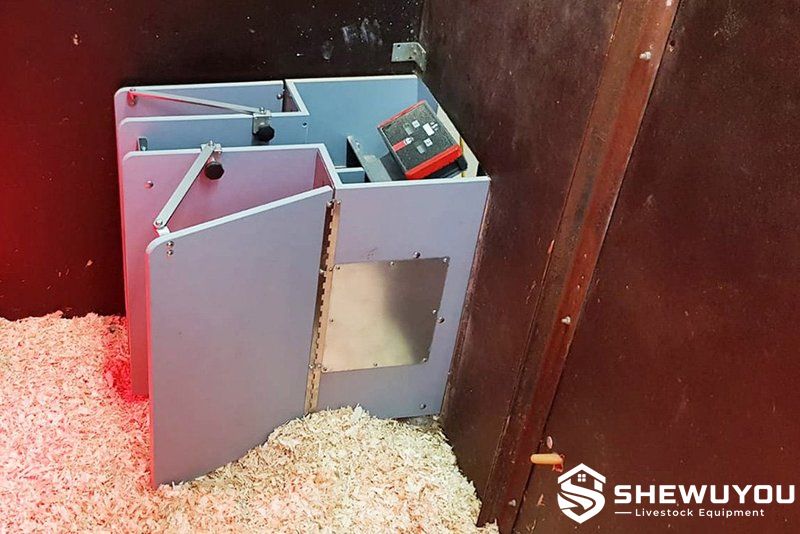  |
- Home
-
Products
- Pig Farming Equipment
- Cattle Farming Equipment
- Sheep & Goat Farming Equipment
- Poultry Farming Equipment
- Feeding & Drinking Systems
- Veterinary & Breeding Equipment
- Testing & Diagnostic Equipment
- Cleaning & Biosecurity Equipment
- Climate Control Equipment
- Livestock Weighing Equipment
- Manure & Waste Management
- Farm Transport & Handling
-
Solutions
- Pig Farm Solutions
- Dairy Farm Solutions
- Beef Cattle Farm Solutions
- Sheep & Goat Farm Solutions
- Layer Farm Solutions
- Broiler Farm Solutions
- Feeding & Drinking System Solutions
- Climate Control Solutions
- Biosecurity & Disinfection Solutions
- Manure & Waste Management
- Smart Farming Solutions
- Farm Renovation and Upgrade Solutions
- Partners
- Projects
- Resources
- News
- About Us
- Contact
Comments & Inquiries
Leave your questions or requirements below. We will reply as soon as possible.