
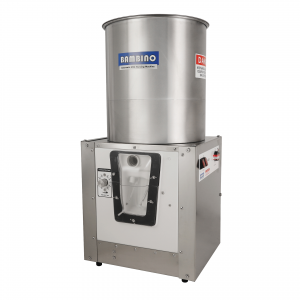
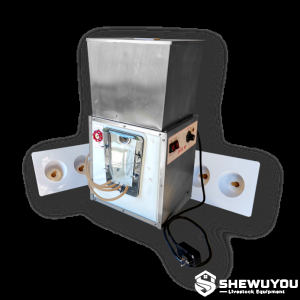
| Product Name | Stainless Steel Automatic Lamb Feeder | ||||||||||||||||||||||||||||
| Product Image | 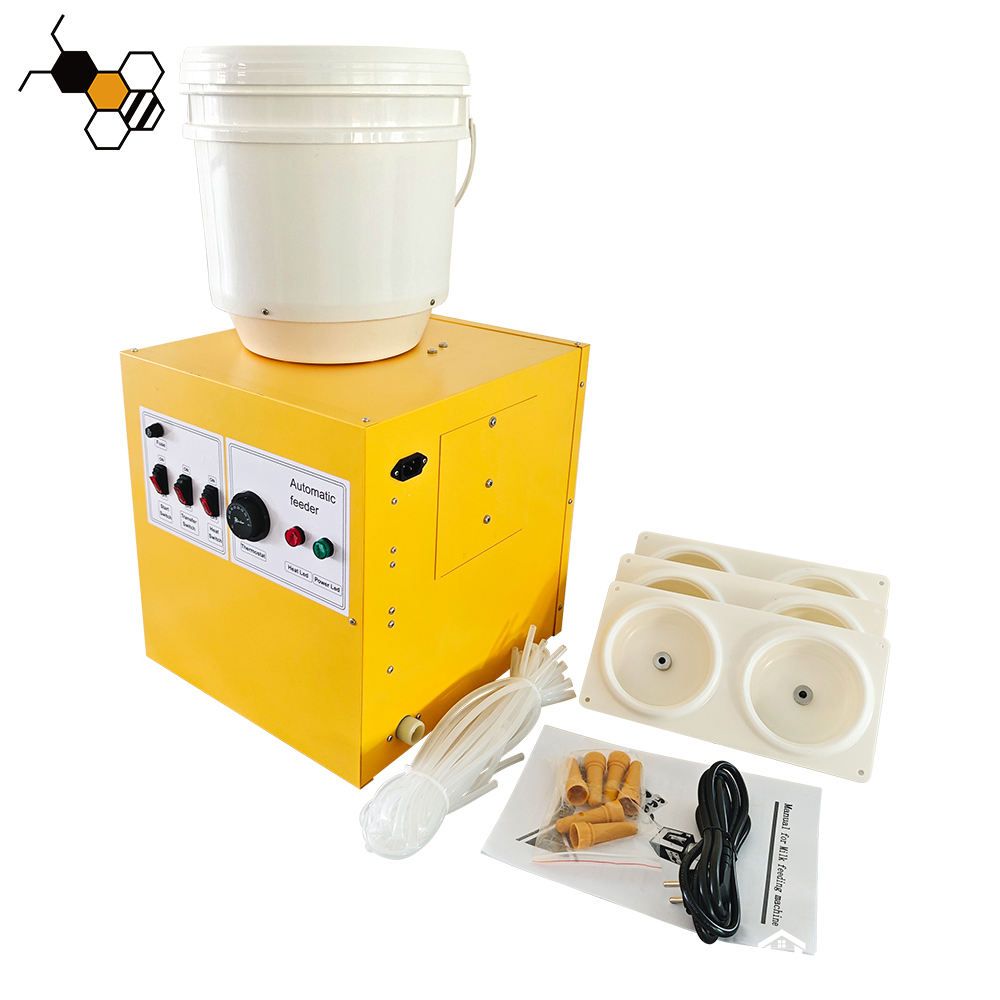 |
||||||||||||||||||||||||||||
| Product Overview |
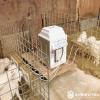
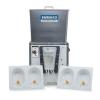
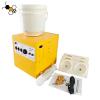
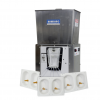
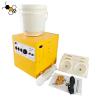
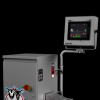
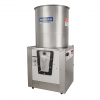
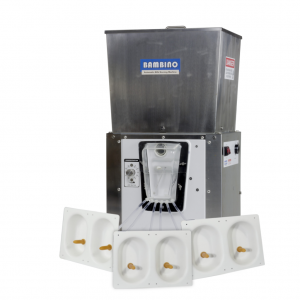
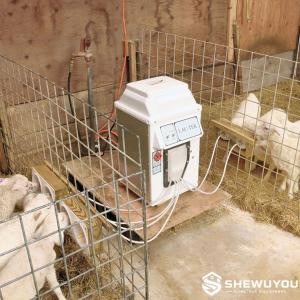
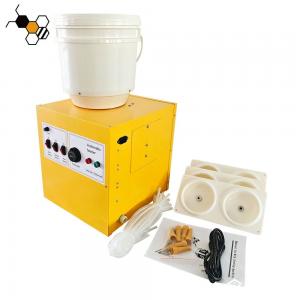
The Stainless Steel Automatic Lamb Feeder is a professional automatic milk feeding system developed for artificial rearing of lambs and goat kids. It is designed to prepare and distribute reconstituted milk replacer automatically, providing young animals with regular access to fresh feed while reducing repetitive manual bottle and bucket feeding. The reference Ad Libitum V2 configuration features a fully stainless steel chassis designed for improved durability, hygiene and resistance under intensive livestock-farm conditions. Its milk powder hopper has a standard reference capacity of 25 kg and can be increased to 50 kg for higher-volume feeding programs. The system is suitable for commercial sheep farms, dairy goat operations, lambing facilities, nursery pens and integrated livestock housing projects. Machine location, feeding-station layout, milk hose routing and utility requirements can be coordinated with galvanized pen systems and steel-structure farm buildings according to project requirements. |
||||||||||||||||||||||||||||
| Key Features |
|
||||||||||||||||||||||||||||
| Structural Components |
|
||||||||||||||||||||||||||||
| Working Principle / Structural Principle |
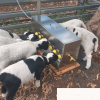
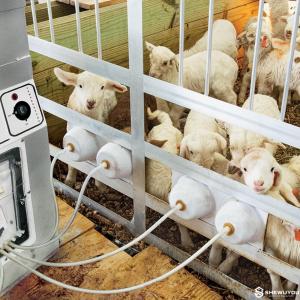
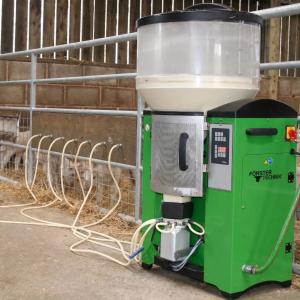
Milk replacer powder is stored in the machine hopper while the feeder is connected to the required water and electrical services. During operation, the dosing system supplies milk powder to the preparation section where it is combined with water to produce reconstituted milk. Prepared milk is transferred through distribution tubing to teat stations installed within the lamb or goat kid pens. Animals can suckle from the available feeding points throughout the feeding period, supporting an ad-libitum rearing system. Continuous automatic preparation reduces the need to manually mix large buckets of milk and enables one central machine to supply several feeding points. This is particularly valuable during intensive lambing or kidding periods when many young animals require artificial milk feeding. Actual milk concentration, temperature, number of teat stations and feeding management settings should be established according to milk replacer instructions, animal age and farm management requirements. |
||||||||||||||||||||||||||||
| Technical Specifications |
Final technical parameters should be confirmed according to the selected machine configuration, feeding capacity, local electrical standard and farm layout. |
||||||||||||||||||||||||||||
| Applications |
|
||||||||||||||||||||||||||||
| Customization Options |
|
||||||||||||||||||||||||||||
| Installation & Maintenance |
Installation:
Routine Maintenance:
|
||||||||||||||||||||||||||||
| Product FAQ |
Q1: What is the main advantage of a stainless steel automatic lamb feeder? Stainless steel construction provides a durable and hygienic machine structure suitable for intensive livestock environments while automatic milk preparation reduces daily manual feeding labor. Q2: Can this machine feed both lambs and goat kids? Yes. This type of automatic milk feeder is designed for artificial rearing of both lambs and young goat kids. Q3: What is the milk powder hopper capacity? The reference Ad Libitum V2 configuration provides a 25 kg hopper, with an option to increase capacity to 50 kg. Q4: What does ad-libitum feeding mean? Ad-libitum feeding allows young animals to access milk through teat stations throughout the feeding period rather than receiving only a small number of manually scheduled bottle feeds. Q5: Does the feeder automatically prepare milk replacer? Yes. Automatic lamb milk feeders are designed to combine milk replacer powder and water through a controlled preparation system before delivering the liquid feed to teat stations. Q6: How many lambs can one machine feed? Feeding capacity depends on the selected machine configuration, number of teat stations, animal age, milk intake and farm management. The required system should therefore be sized according to project requirements. Q7: What utilities are required? A clean water supply, compatible electrical connection and suitable drainage are normally required for installation. Q8: Why is stainless steel suitable for automatic milk feeders? Stainless steel provides good corrosion resistance, mechanical durability and easy-to-clean surfaces, making it appropriate for equipment exposed to moisture and frequent sanitation. Q9: Can the machine be integrated into a new sheep house? Yes. Equipment position, utility connections, milk lines and teat-station locations can be coordinated with modular pens and steel-structure livestock buildings during project planning. Q10: Can SHEWUYOU customize the feeder system? Yes. Hopper capacity, feeding-point quantity, electrical configuration, hose layout, teat arrangement and related livestock equipment can be configured according to project requirements. |
||||||||||||||||||||||||||||
| Product Gallery | 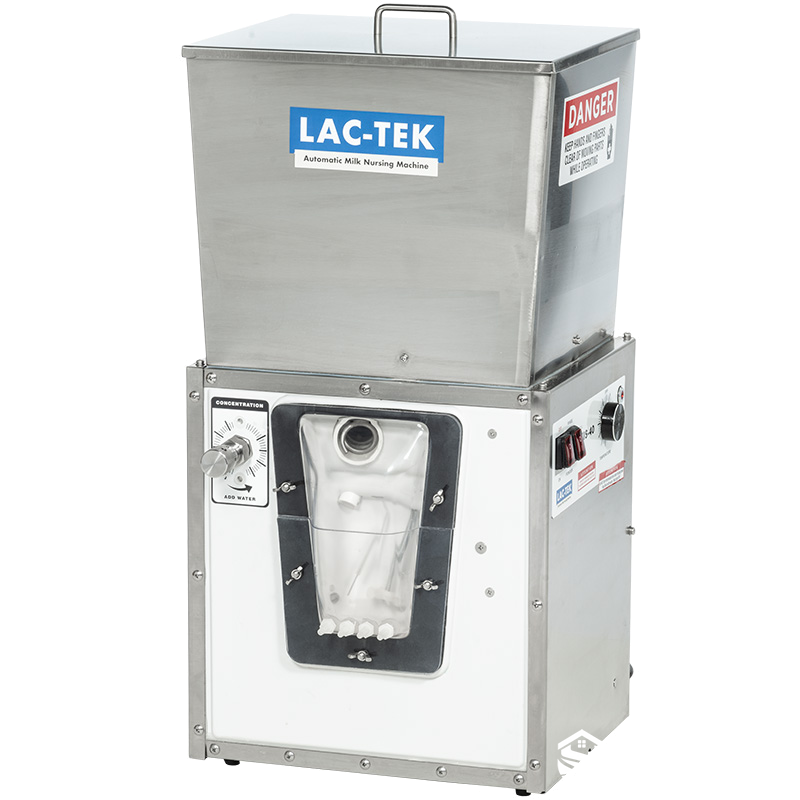 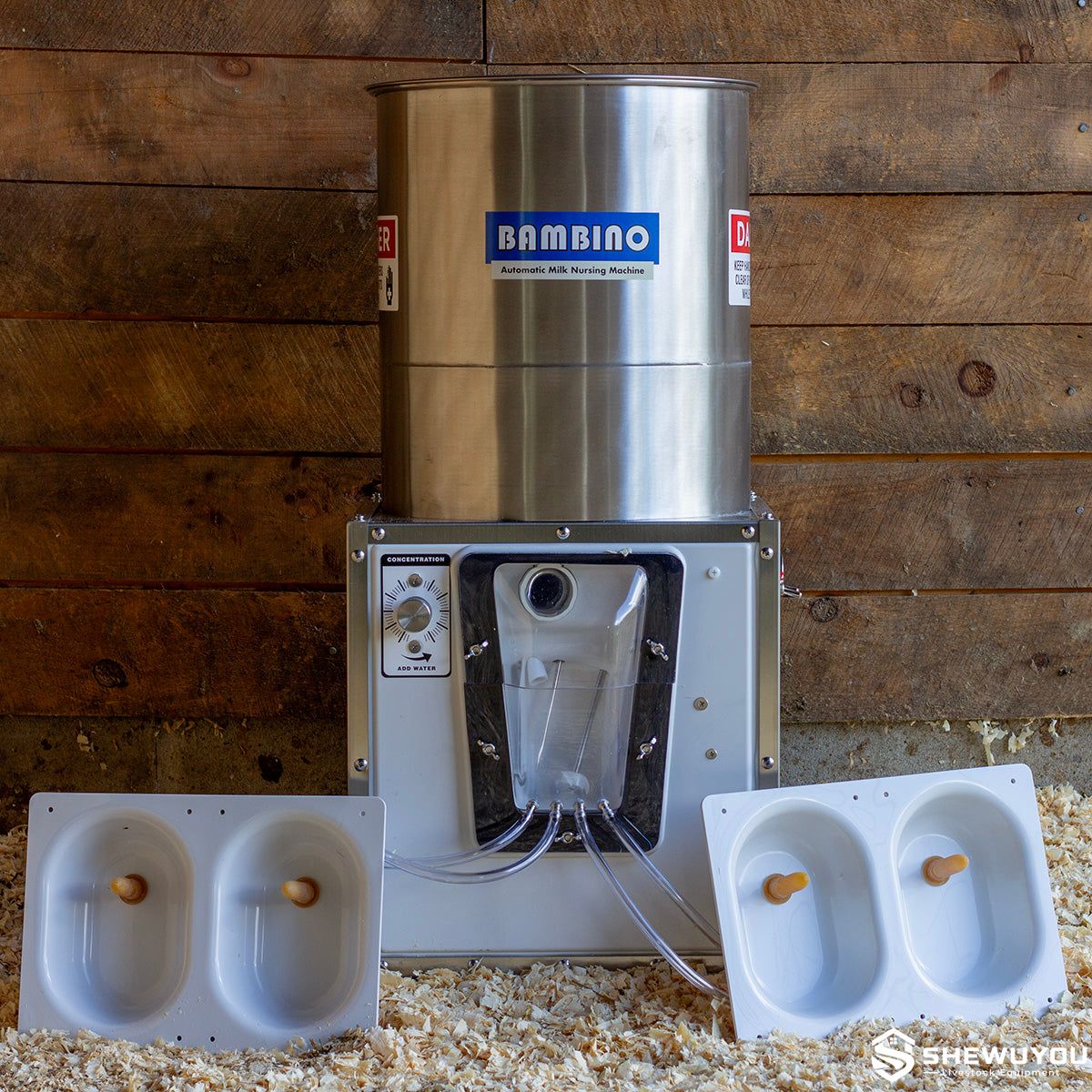 |
- Home
-
Products
- Pig Farming Equipment
- Cattle Farming Equipment
- Sheep & Goat Farming Equipment
- Poultry Farming Equipment
- Feeding & Drinking Systems
- Veterinary & Breeding Equipment
- Testing & Diagnostic Equipment
- Cleaning & Biosecurity Equipment
- Climate Control Equipment
- Livestock Weighing Equipment
- Manure & Waste Management
- Farm Transport & Handling
-
Solutions
- Pig Farm Solutions
- Dairy Farm Solutions
- Beef Cattle Farm Solutions
- Sheep & Goat Farm Solutions
- Layer Farm Solutions
- Broiler Farm Solutions
- Feeding & Drinking System Solutions
- Climate Control Solutions
- Biosecurity & Disinfection Solutions
- Manure & Waste Management
- Smart Farming Solutions
- Farm Renovation and Upgrade Solutions
- Partners
- Projects
- Resources
- News
- About Us
- Contact
Comments & Inquiries
Leave your questions or requirements below. We will reply as soon as possible.