

| Product Showcase | Content | ||||||||||||||||||||||||||||||
|---|---|---|---|---|---|---|---|---|---|---|---|---|---|---|---|---|---|---|---|---|---|---|---|---|---|---|---|---|---|---|---|
| Product Name | Rod Egg Conveyor | ||||||||||||||||||||||||||||||
| Product Image | 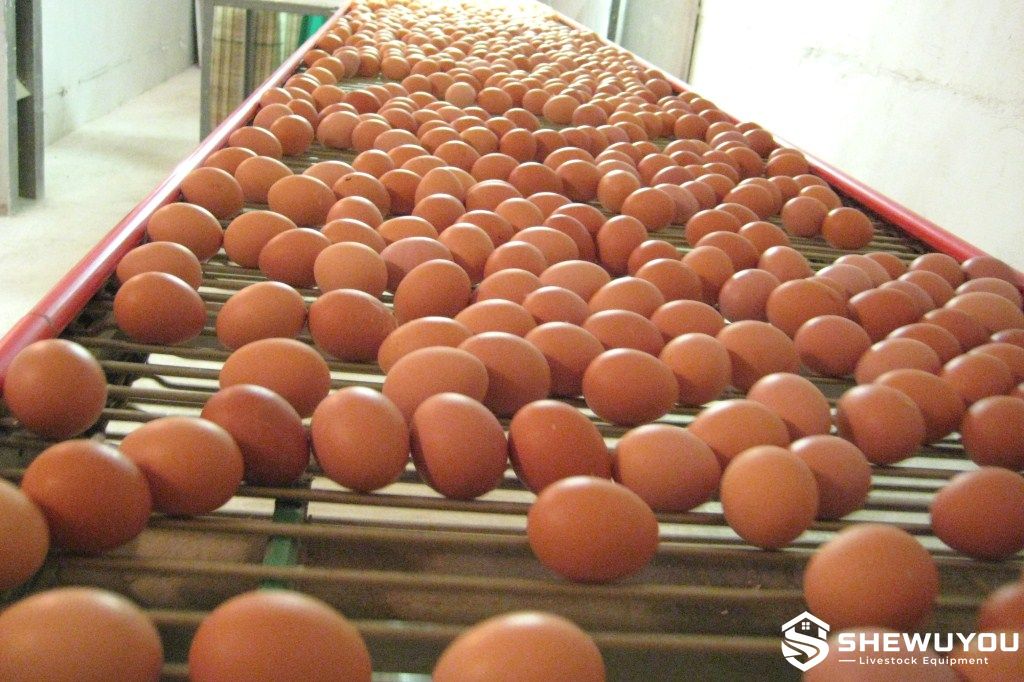 |
||||||||||||||||||||||||||||||
| Product Overview |
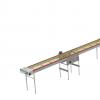
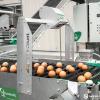
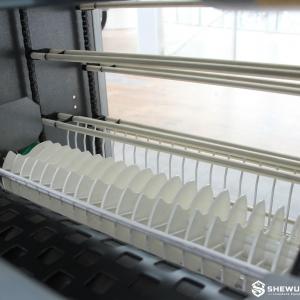
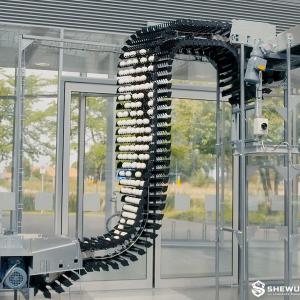
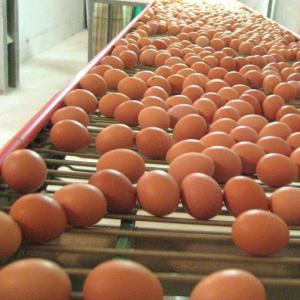
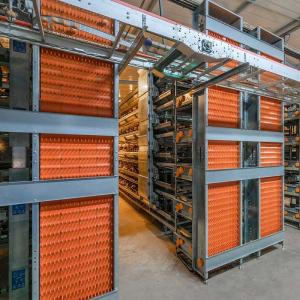
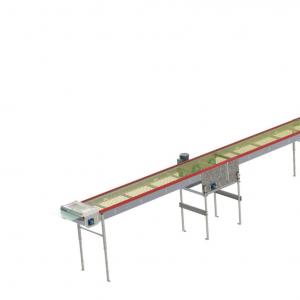
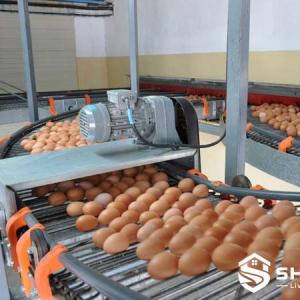
The Rod Egg Conveyor is an automatic egg transport system designed to connect poultry nests, longitudinal egg belts or cage-row collection equipment with downstream cross conveyors, elevators, graders and packing systems. Closely spaced transverse rods support the eggs while moving them continuously along the conveyor path. Compared with manual transfer, the rod conveyor provides a controlled and repeatable egg flow while reducing unnecessary handling. The open rod structure also allows loose feathers, dust and small debris to fall through instead of being transported with the eggs. The system is particularly suitable for commercial layer farms, breeder houses, cage-free poultry buildings and automated egg-handling projects. Conveyor length, width, gradient, drive arrangement, supporting structure and connection interfaces can be configured according to poultry-house layout and required collection capacity. |
||||||||||||||||||||||||||||||
| Key Features |
|
||||||||||||||||||||||||||||||
| Structural Components |
|
||||||||||||||||||||||||||||||
| Working Principle |
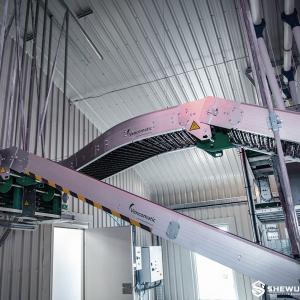
The conveyor consists of closely spaced transverse rods connected to roller chains on both sides. A geared drive rotates the sprockets and moves both chains simultaneously, causing the complete rod surface to travel along the conveyor frame. Eggs enter the conveyor from a nest belt, longitudinal egg belt or transfer unit. The rods support the eggs and carry them toward the downstream collection equipment while the side guides maintain the required transport path. The open spacing between the rods permits loose contamination and unsuitable material to pass downward instead of remaining on the egg transport surface. Proper transfer alignment and controlled conveyor speed help reduce collisions at connection points. For straight transport routes with elevation differences, the conveyor can be installed at an appropriate ascending or descending angle according to the selected rod configuration and project design. |
||||||||||||||||||||||||||||||
| Technical Specifications |
Final conveyor width, length, gradient, transport speed, drive power and collection capacity should be selected according to laying capacity, poultry-house layout, egg flow and downstream grading or packing equipment. |
||||||||||||||||||||||||||||||
| Applications |
|
||||||||||||||||||||||||||||||
| Customization Options |
SHEWUYOU can configure the rod egg conveyor according to poultry-house dimensions, laying capacity, collection route and downstream egg-processing equipment.
|
||||||||||||||||||||||||||||||
| Installation & Maintenance |
The conveyor should be installed on a rigid and level supporting structure with accurate alignment between the incoming egg belt and downstream collection equipment. Transfer heights should be minimized where practical to support gentle egg handling.
|
||||||||||||||||||||||||||||||
| Product FAQ |
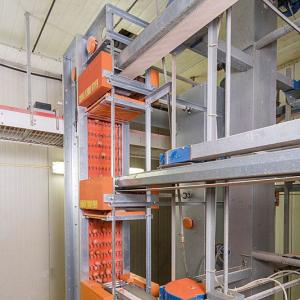
Q1: What is a rod egg conveyor used for? It transports eggs between nest or cage collection belts and downstream equipment such as cross conveyors, elevators, graders or packers. Q2: Why are rods used instead of a solid conveyor surface? The rod surface provides continuous support for eggs while allowing loose feathers, dust and small debris to pass through the openings. Q3: Can a rod conveyor operate on a slope? Yes. Suitable straight rod conveyor configurations can bridge ascending or descending gradients. Comparable professional systems support gradients of up to approximately 25°. Q4: Can the conveyor turn around corners? This rod conveyor is primarily intended for straight-line transport. Where horizontal curves are required, a dedicated curve egg conveyor should be selected. Q5: Can the conveyor width be customized? Yes. Working width can be selected according to required egg flow, available space and the capacity of downstream equipment. Q6: Can it connect directly to an automatic egg elevator? Yes. Rod conveyors are commonly used as transfer sections between longitudinal egg belts and elevator or cross-collection systems. Q7: Is variable-speed operation available? Variable-speed control can be configured according to the required egg flow and compatibility with graders, packers and other collection equipment. Q8: Can SHEWUYOU design a complete automatic egg collection system? Yes. Rod conveyors can be integrated with longitudinal egg belts, elevators, lifts, curve conveyors, egg counters, graders and packing equipment according to project requirements. |
||||||||||||||||||||||||||||||
| Product Gallery |
|
- Home
-
Products
- Pig Farming Equipment
- Cattle Farming Equipment
- Sheep & Goat Farming Equipment
- Poultry Farming Equipment
- Feeding & Drinking Systems
- Veterinary & Breeding Equipment
- Testing & Diagnostic Equipment
- Cleaning & Biosecurity Equipment
- Climate Control Equipment
- Livestock Weighing Equipment
- Manure & Waste Management
- Farm Transport & Handling
-
Solutions
- Pig Farm Solutions
- Dairy Farm Solutions
- Beef Cattle Farm Solutions
- Sheep & Goat Farm Solutions
- Layer Farm Solutions
- Broiler Farm Solutions
- Feeding & Drinking System Solutions
- Climate Control Solutions
- Biosecurity & Disinfection Solutions
- Manure & Waste Management
- Smart Farming Solutions
- Farm Renovation and Upgrade Solutions
- Partners
- Projects
- Resources
- News
- About Us
- Contact
Comments & Inquiries
Leave your questions or requirements below. We will reply as soon as possible.