



| Product Showcase | Content |
|---|---|
| Product Name | Secondary Clarifier for Livestock Wastewater |
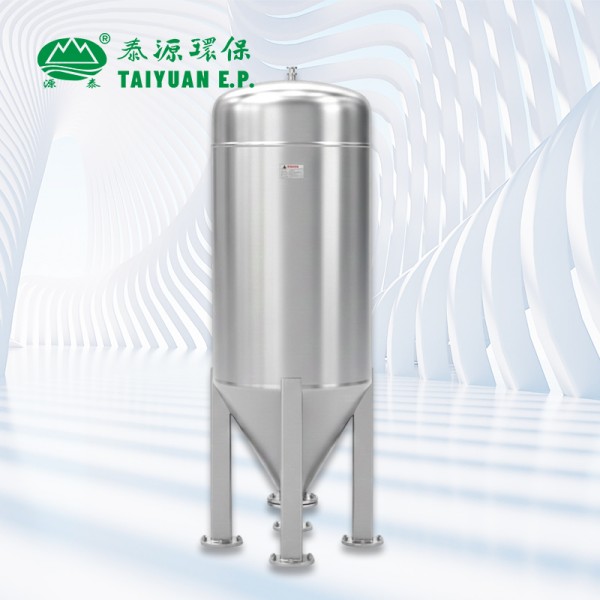
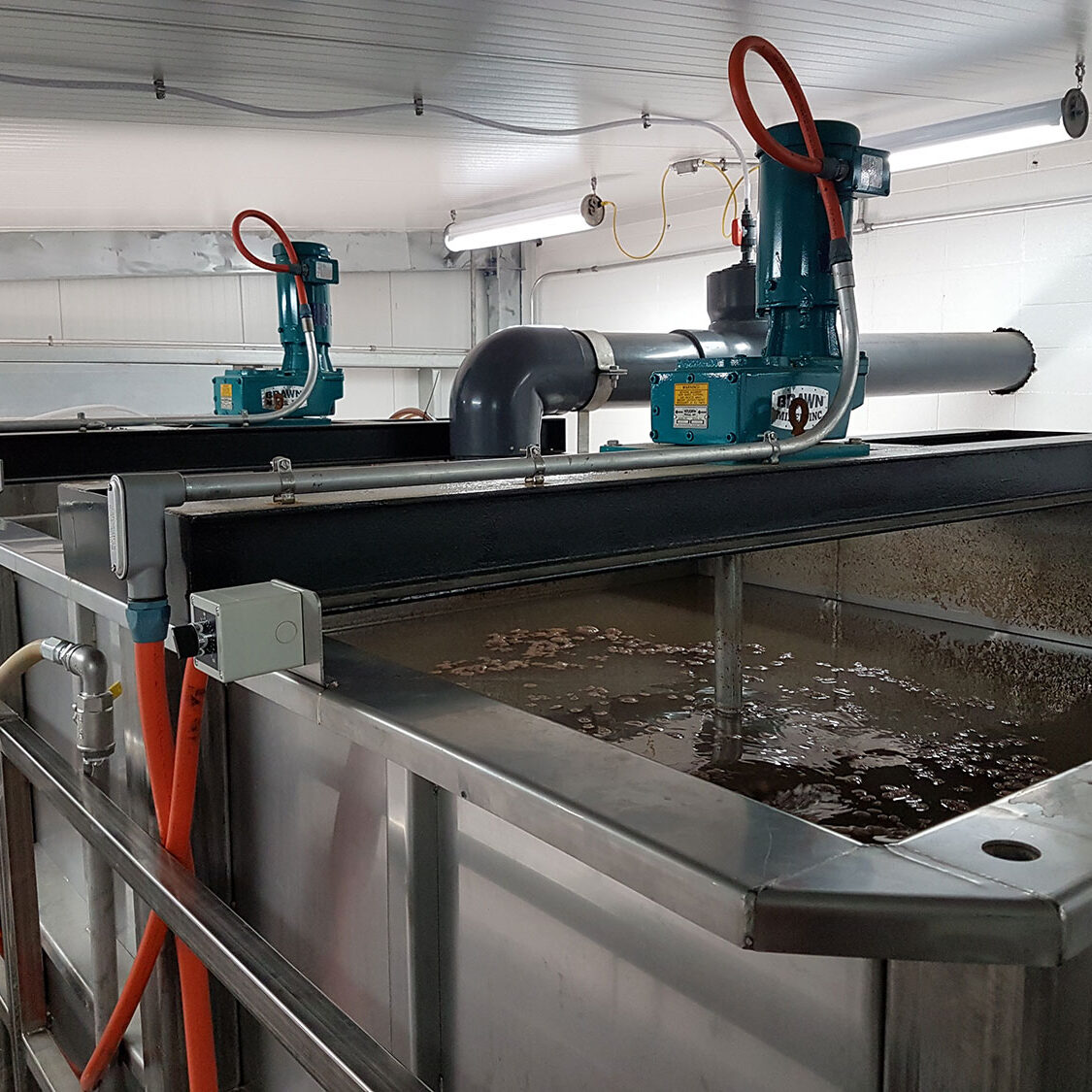
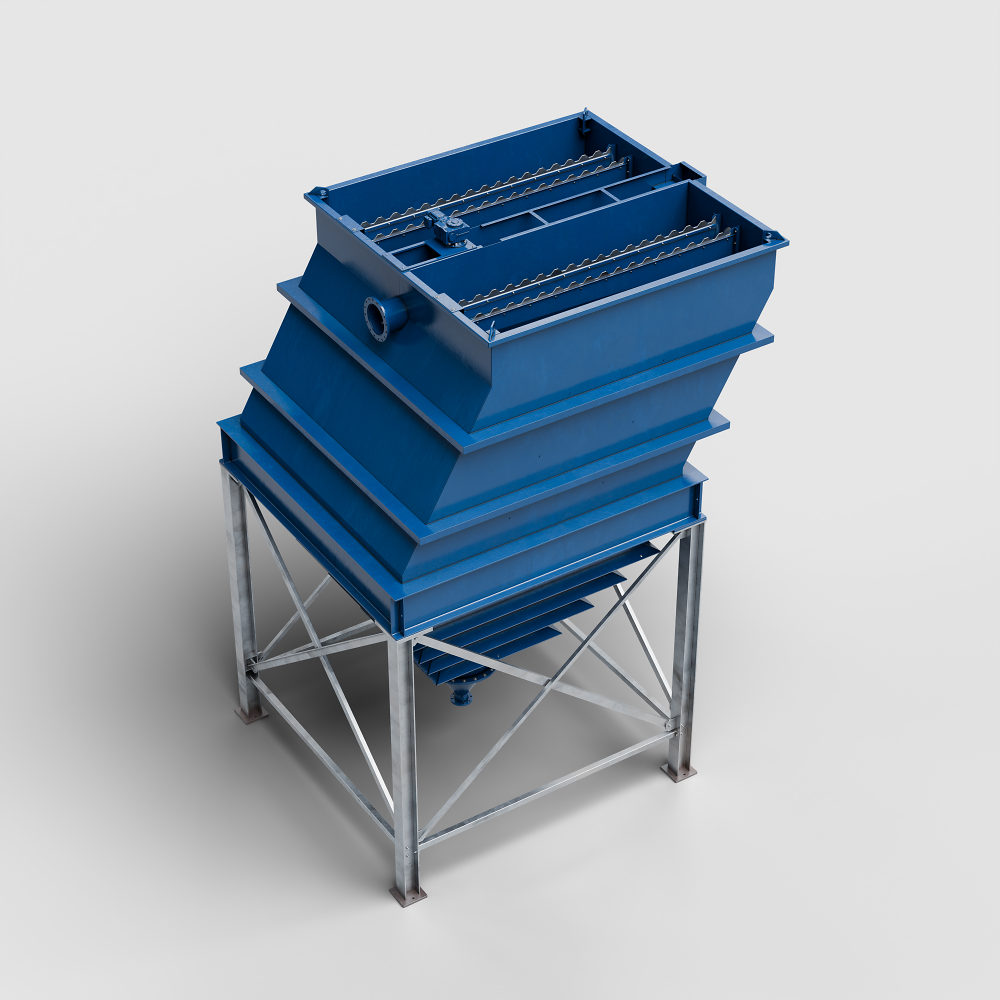
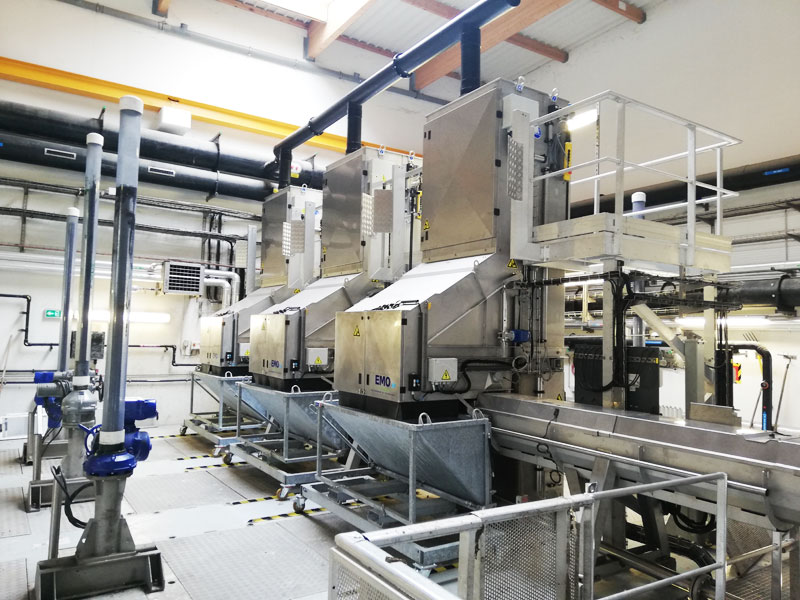
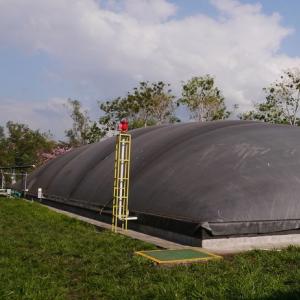
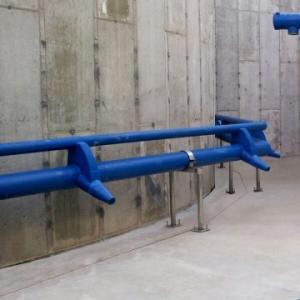
| Product Image |  Illustrative reference equipment from Ovivo; the image does not depict a SHEWUYOU installation. |
| Product Overview | The Secondary Clarifier for Livestock Wastewater separates biological solids from mixed liquor after an activated sludge treatment stage. Settled biomass is withdrawn for return to the aeration process or directed to waste sludge handling, while clarified effluent passes over an outlet weir to the next treatment step. The system can be configured for commercial pig farms, livestock production sites, and agricultural wastewater treatment plants. |
| Key Features |
|
| Structural Components | A typical circular arrangement comprises a concrete or engineered tank, central feed well, inlet baffles, rotating bridge and drive, sludge collection mechanism, sludge withdrawal pipework, peripheral effluent weir and launder, and access provisions. Scum baffles and a surface skimmer are available according to the process design. Tank construction, mechanism materials, and corrosion protection are selected for the wastewater and site conditions. |
| Working Principle | Mixed liquor enters from the biological reactor and is distributed through the inlet zone. As flow slows, activated sludge settles to the basin floor and clarified water rises toward the outlet weir. The collection mechanism moves or withdraws settled solids to the sludge discharge system. Part of the sludge may be returned to the aeration tank as return activated sludge; excess solids are removed as waste activated sludge. The hydraulic and sludge withdrawal design must match the biological process. |
| Technical Specifications |
|
| Applications | Used after an activated sludge aeration stage in pig farm and other livestock wastewater treatment plants. It is suitable where the treatment train requires biological solids separation before polishing filtration, disinfection, or a site-approved discharge or reuse step. Upstream screening, manure separation, and flow equalization should be considered according to the influent conditions. |
| Customization Options | Basin geometry, bridge arrangement, sludge withdrawal method, effluent launder, scum handling, material selection, and control interfaces can be coordinated with the farm treatment layout. Access routes and ancillary steel structure building connections can be planned around the available plot, pipe elevations, and maintenance requirements. |
| Installation & Maintenance | Install the mechanism in a basin constructed to approved structural and dimensional drawings. Verify bridge alignment, drive rotation, scraper or suction clearances, pipe connections, and weir levels before commissioning. Routine maintenance includes inspecting the drive and bearings, cleaning launders and scum equipment, checking sludge withdrawal, and monitoring the sludge blanket and effluent clarity. Safe access should be provided for operators. |
| Product FAQ |
Where does a secondary clarifier sit in the treatment train? Can it replace a primary manure separator? How is the clarifier sized? |
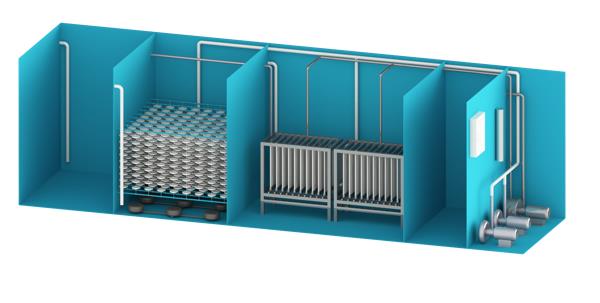
| Product Gallery |   Illustrative Ovivo reference images, not SHEWUYOU project photographs. Confirm image-use rights before publication. |
- Home
-
Products
- Pig Farming Equipment
- Cattle Farming Equipment
- Sheep & Goat Farming Equipment
- Poultry Farming Equipment
- Feeding & Drinking Systems
- Veterinary & Breeding Equipment
- Testing & Diagnostic Equipment
- Cleaning & Biosecurity Equipment
- Climate Control Equipment
- Livestock Weighing Equipment
- Manure & Waste Management
- Farm Transport & Handling
-
Solutions
- Pig Farm Solutions
- Dairy Farm Solutions
- Beef Cattle Farm Solutions
- Sheep & Goat Farm Solutions
- Layer Farm Solutions
- Broiler Farm Solutions
- Feeding & Drinking System Solutions
- Climate Control Solutions
- Biosecurity & Disinfection Solutions
- Manure & Waste Management
- Smart Farming Solutions
- Farm Renovation and Upgrade Solutions
- Partners
- Projects
- Resources
- News
- About Us
- Contact
Comments & Inquiries
Leave your questions or requirements below. We will reply as soon as possible.