|
Product Showcase |
Content |
| Product Name |
Commercial Modular Pig Penning and Fencing System |
| Product Image |
 |
| Product Overview |
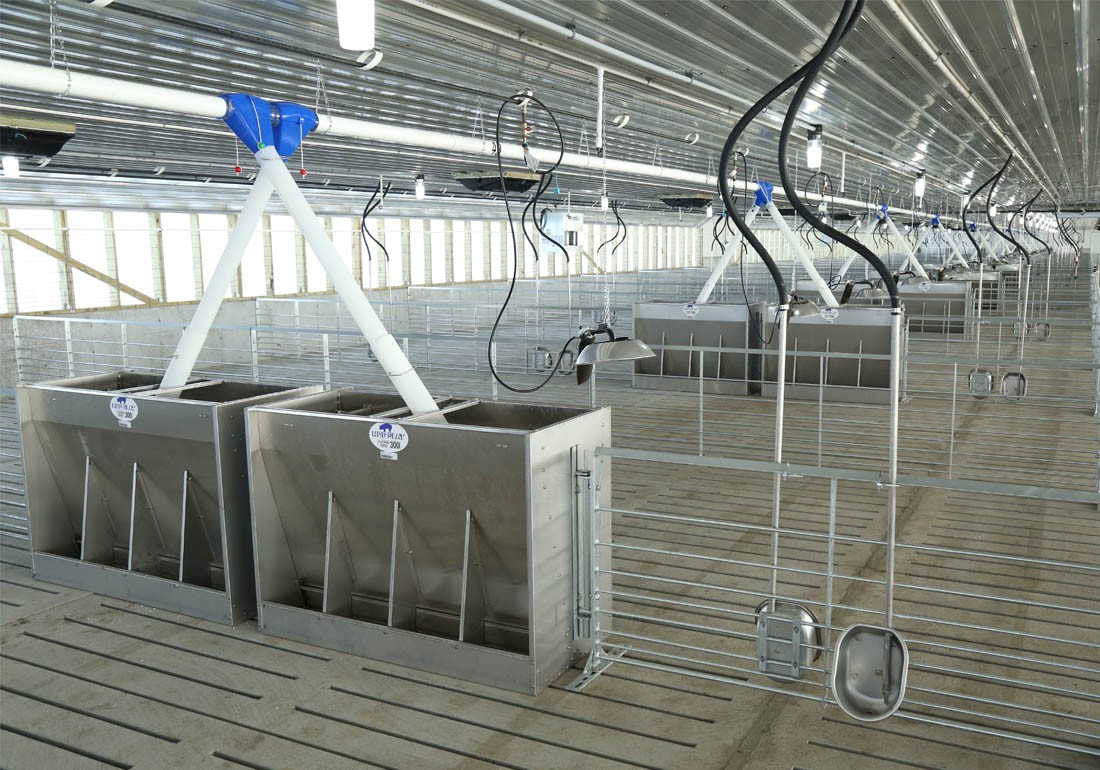
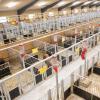
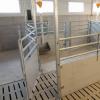
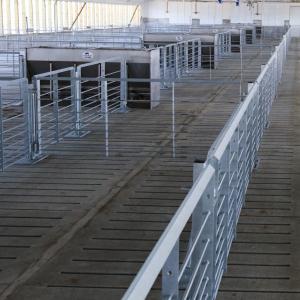
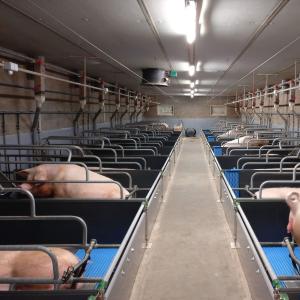
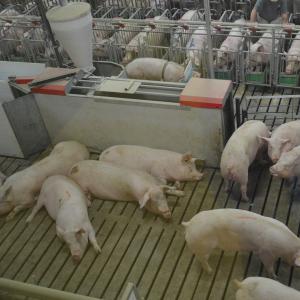
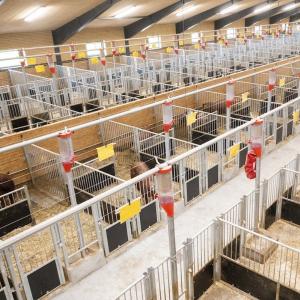
The Commercial Modular Pig Penning and Fencing System is a flexible livestock housing solution for organizing nursery, wean-to-finish, grower, finishing, gilt and breeding areas in modern pig farms. Modular panels, gates, posts, brackets and floor-mounting components can be combined to create pen layouts according to barn dimensions and production requirements.
The system can use horizontal steel gating, hot-dip galvanized fencing, PVC partitions, plastic panels or combined solid-and-open configurations. Different partition types can be selected according to animal size, ventilation requirements, feeding layout, hygiene strategy and desired animal contact.
Its modular construction is suitable for new steel-structure pig houses, prefabricated livestock buildings and renovation of existing commercial swine facilities. Feeding, drinking, flooring, manure handling and animal-flow equipment can be coordinated with the penning layout as part of a complete pig farm solution.
|
| Key Features |
- Modular penning and fencing system for multiple stages of commercial pig production.
- Suitable for nursery, wean-to-finish, finishing, gilt development and breeding facilities.
- Heavy-duty steel gating provides reliable resistance to animal impact.
- Hot-dip galvanized finish available for improved corrosion resistance.
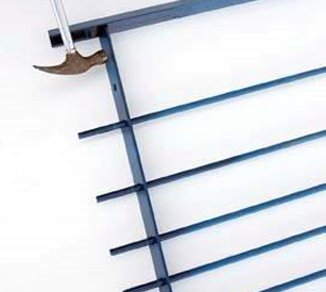
- Horizontal bars can be arranged with closer spacing toward the lower section for smaller pigs.
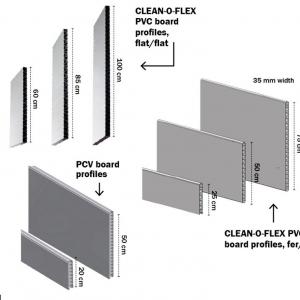
- Solid PVC or polymer panels can be incorporated for separation and easier sanitation.
- Flexible wall-to-wall, aisle-to-wall, feeder-to-wall and aisle-to-feeder layouts.
- Modular posts, brackets, drop rods, gate hardware and floor fittings simplify installation.
- Compatible with concrete slatted, solid or project-specific livestock flooring.
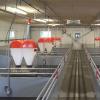
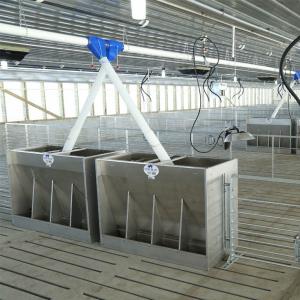
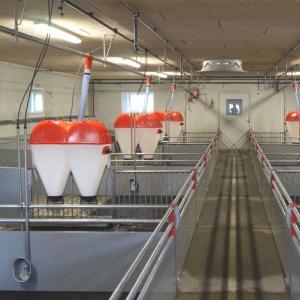
- Compatible with automatic dry feeding, wet/dry feeding and liquid feeding systems.
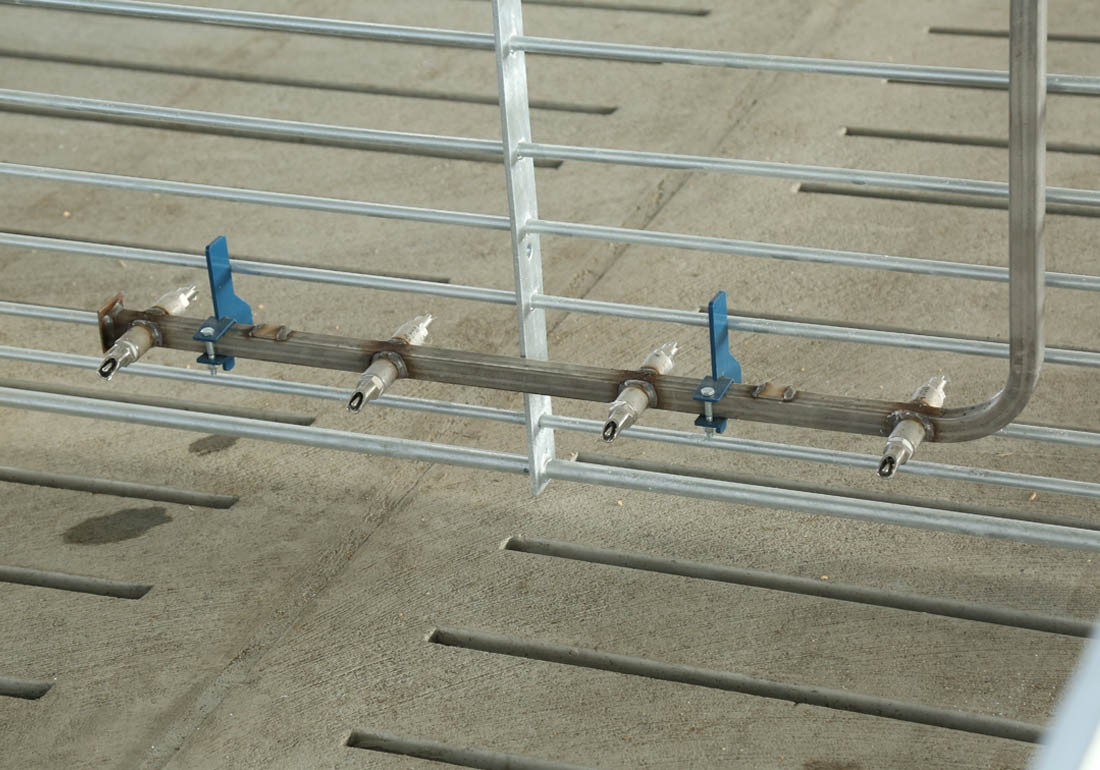
- Compatible with nipple drinkers, drinking cups and centralized water lines.
- Gate width, panel length and overall pen dimensions can be customized.
- Suitable for both new pig houses and retrofit projects.
|
| Structural Components |
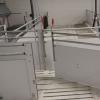
- Horizontal Steel Panels: Welded steel fencing with horizontal rods and reinforced top and bottom rails for livestock containment.
- Solid Partition Panels: PVC, polymer or other livestock-grade boards can be used where closed separation is required.
- Support Posts: Flat-bar, square-tube or project-specific steel posts provide structural support between panel sections.
- Floor Plates: Base plates and bolt-on legs secure partitions to concrete or slatted flooring.
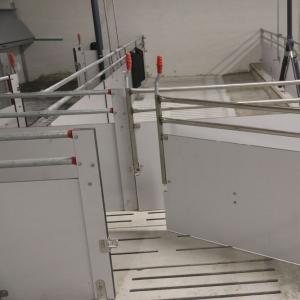
- Gate Panels: Swing gates, full-width gates, split gates or customized access gates can be integrated.
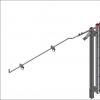
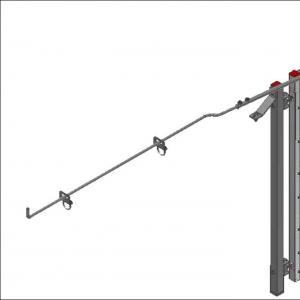
- Drop Rods: Mechanical gate rods provide simple and reliable gate positioning.
- Gate Latches: Livestock-grade latches and clips provide secure daily operation.
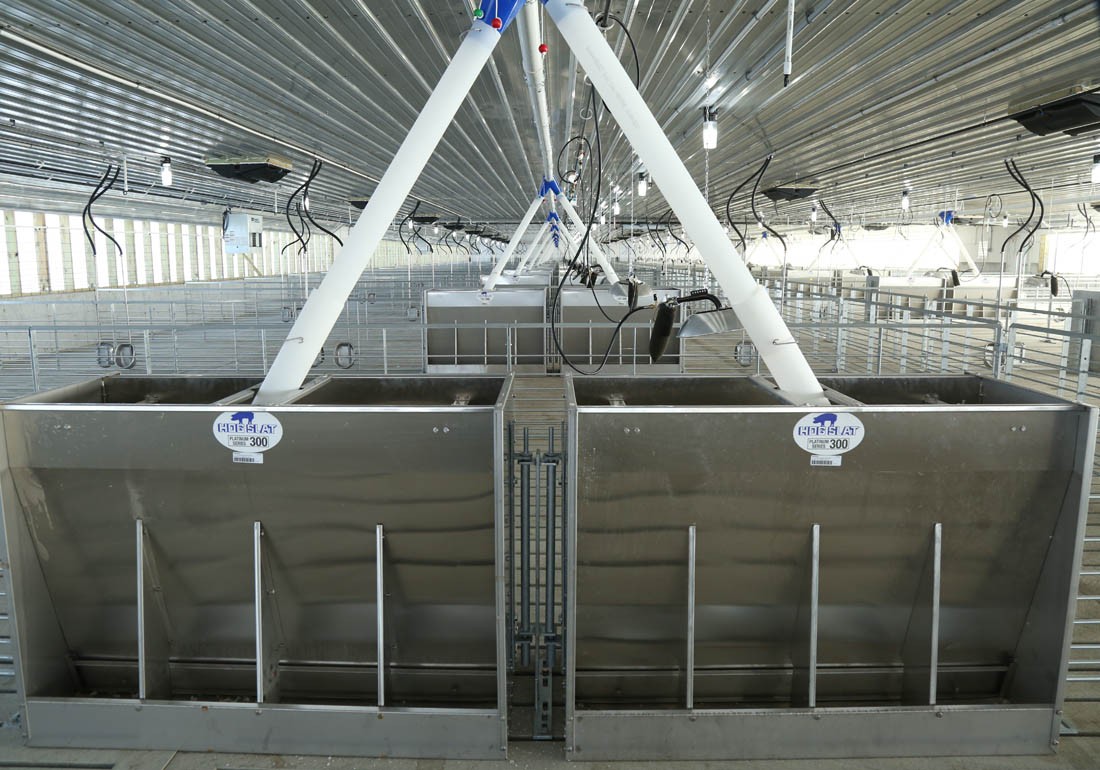
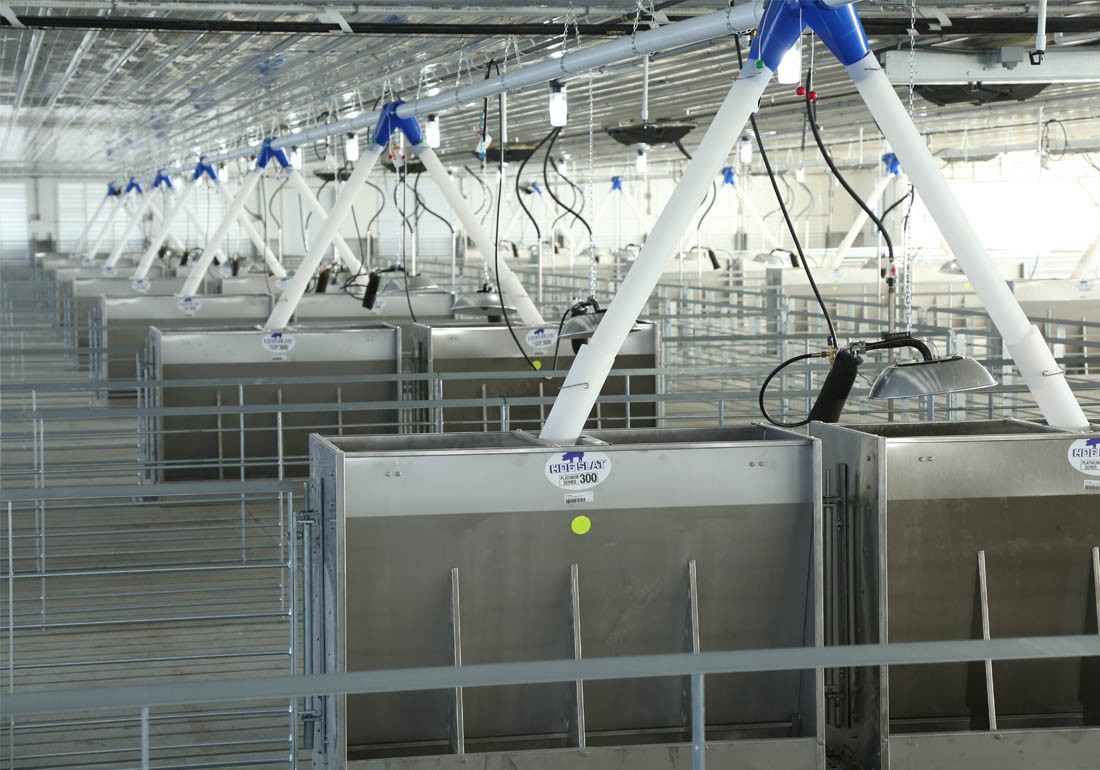
- Feeder Brackets: Specialized brackets connect fencing directly to stainless steel feeders or structural walls.
- Wall Brackets: Allow pen panels to terminate securely against concrete or building walls.
- Floor Fasteners: Stainless steel, cast iron or project-specific fasteners can be selected according to flooring conditions.
- Reinforcement Components: Gussets, divider clips and connecting pipes provide additional stability where required.
|
| Working Principle / Structural Principle |
The system creates controlled livestock zones by connecting modular fencing panels between structural posts, walls, feeders and gate assemblies. Animal loads are transferred through the horizontal rails and vertical supports into floor plates, brackets and suitable anchoring components.
Horizontal rod spacing can be selected according to pig size. Closer spacing in the lower section helps contain smaller pigs while reinforcing the area that receives frequent animal contact.
Solid-panel sections can be positioned around resting or separation areas, while open steel fencing provides visibility and airflow. Gates create controlled routes between individual pens, service aisles, sorting areas and loading passages.
Because the system uses modular panels and installation accessories, layouts can be adapted to different barn widths, feeder positions and production concepts without requiring one fixed pen configuration.
|
| Technical Specifications |
Product Type: Modular commercial pig penning and fencing system
Applications: Nursery, wean-to-finish, grower, finishing, gilt and breeding pigs
Pen Dimensions: Customizable
Panel Length: According to project requirements
Panel Height: Selected according to pig production stage and barn design
Steel Panel Type: Welded horizontal-rod fencing
Solid Panel Options: PVC, PP, compact fiber panel or project-specific livestock-grade material
Steel Finish: Hot-dip galvanized, coated or project-specific corrosion-resistant finish
Support Posts: Flat-bar, square-tube or reinforced project-specific posts
Gate Options: Swing gate, full-width gate, split gate or customized configuration
Mounting Accessories: Bolt-on legs, brackets, clips, drop rods, base plates and fasteners
Floor Compatibility: Concrete slatted, solid or project-specific flooring
Feeding Compatibility: Dry feeding, wet/dry feeding and liquid feeding
Drinking Compatibility: Nipple drinker, drinking cup or centralized watering system
Installation Method: Modular floor-, wall- and feeder-mounted assembly according to project layout
|
| Applications |
- Piglet nursery houses
- Wean-to-finish pig barns
- Grower pig facilities
- Finishing pig houses
- Gilt development units
- Sow gestation and breeding facilities
- Hospital and relief pens
- Pig sorting and holding areas
- Commercial steel-structure pig houses
- Prefabricated livestock buildings
- Existing pig barn renovation and expansion
- Large-scale integrated pig farm projects
|
| Customization Options |
- Pen length, width and height
- Steel rod quantity and spacing
- Horizontal steel or solid-panel fencing
- Combined steel and PVC partition configuration
- Hot-dip galvanized or coated finish
- Support-post type and reinforcement level
- Wall-to-wall pen configuration
- Aisle-to-wall pen configuration
- Aisle-to-feeder configuration
- Feeder-to-wall configuration
- Gate width, height and opening direction
- Full-width or split-gate arrangement
- Floor-mounted, wall-mounted or feeder-mounted installation
- Dry, wet/dry or liquid feeding integration
- Drinking system integration
- Solid or slatted flooring coordination
- New-build or renovation layout
- Designed according to local climate and farm conditions
|
| Installation & Maintenance |
Installation:
- Confirm the pig-house dimensions, pen layout, feeder positions, service aisles and animal-flow routes.
- Identify wall-to-wall, aisle-to-wall, feeder-to-wall and gate locations on the approved layout drawing.
- Check floor structure and slat conditions before positioning posts and anchoring components.
- Install base plates, bolt-on legs, structural posts and wall brackets.
- Position fencing panels and connect them with suitable gate rods, clips and brackets.
- Install feeder brackets where partitions terminate against feeding equipment.
- Install gates, hinges, drop rods and locking mechanisms.
- Check panel alignment and reinforce long runs or high-load locations where required.
- Install drinking and feeding equipment interfaces.
- Inspect all anchors, welds, fasteners and animal-contact surfaces before commissioning.
Maintenance:
- Inspect structural posts and floor anchoring regularly.
- Check horizontal rods, welds and bottom rails for deformation or damage.
- Inspect gates, latches, drop rods and hinges for reliable operation.
- Remove manure and feed residues around floor plates and mounting components.
- Wash and disinfect the system according to the farm biosecurity program.
- Inspect galvanized or coated surfaces for mechanical damage.
- Check brackets connected to feeders and walls for loosening.
- Replace damaged clips, fasteners or gate components promptly.
- Maintain solid PVC or polymer panels according to the material manufacturer's cleaning recommendations.
|
| Product FAQ |
Q: What production stages can this pig penning system be used for?
A: The modular system can be configured for nursery pigs, wean-to-finish pigs, growers, finishers, gilts and breeding animals according to panel height, spacing and structural requirements.
Q: Can the pen dimensions be customized?
A: Yes. Panel lengths, pen dimensions, gate openings, post positions and feeder interfaces can be designed according to the pig house layout.
Q: What materials are available?
A: Hot-dip galvanized steel fencing, PVC panels, polypropylene panels, fiber panels and combined configurations can be supplied according to project requirements.
Q: Why are the lower horizontal bars sometimes spaced closer together?
A: Closer lower spacing helps contain smaller pigs and provides additional structural support in the area most frequently contacted by animals.
Q: Can panels connect directly to pig feeders?
A: Yes. Suitable feeder brackets can connect modular fencing panels directly to compatible feeding equipment.
Q: Can the system be installed on slatted floors?
A: Yes. Suitable bolt-on legs, base plates and livestock-floor fasteners can be selected according to the slat design and structural requirements.
Q: Can existing pig pens be renovated using modular components?
A: Yes. Panels, posts, clips, gates and brackets can be configured for renovation after evaluating existing dimensions, flooring and equipment locations.
Q: Can different partition types be used in the same barn?
A: Yes. Open steel fencing can be combined with solid PVC or polymer partitions to create different resting, feeding and activity zones.
Q: What information is required for a quotation?
A: Please provide the pig-house dimensions, production stage, number of pigs, preferred pen size, feeder layout, flooring type, required gates, project location and available construction or equipment drawings.
|
| Product Gallery |
 |

Comments & Inquiries
Leave your questions or requirements below. We will reply as soon as possible.