
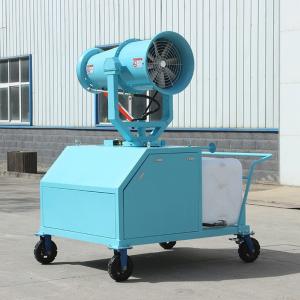
| Product Name | Mobile High-Capacity Farm Ozone Generator | ||||||||||||||||||||||||||
| Product Image | 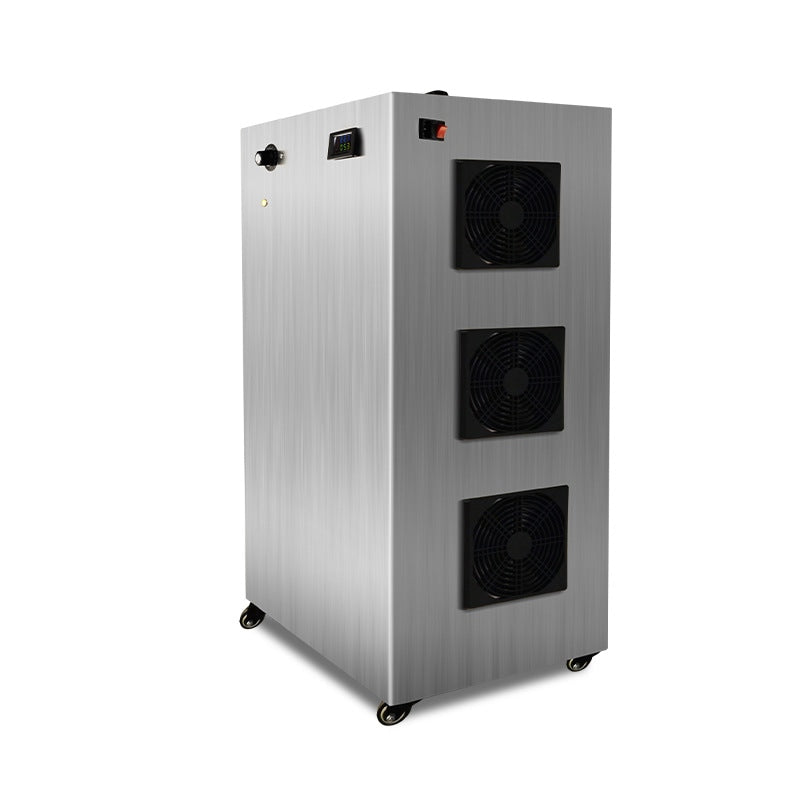 |
||||||||||||||||||||||||||
| Product Overview | The Mobile High-Capacity Farm Ozone Generator is designed for air treatment, odor control and sanitation applications in commercial pig farms, poultry houses, cattle facilities, breeding buildings, feed storage areas and other agricultural environments. The mobile cabinet combines an ozone generation system, high-volume circulation fans, operating controls and caster wheels in one compact unit. It can be moved between livestock buildings or treatment areas according to the farm sanitation schedule. The reference configuration provides an ozone output of 60 g/h, while higher-capacity configurations up to 240 g/h are available from the referenced equipment platform. Three circulation fans provide forced-air distribution to improve ozone dispersion and equipment cooling. For new pig farm construction and steel structure livestock buildings, the equipment can be incorporated into planned cleaning, downtime sanitation and odor-management procedures without requiring permanent fixed installation. |
||||||||||||||||||||||||||
| Key Features |
|
||||||||||||||||||||||||||
| Structural Components |
|
||||||||||||||||||||||||||
| Working Principle | During operation, air is introduced into the ozone generation section, where part of the oxygen is converted into ozone. The generated ozone is then discharged into the enclosed treatment area and circulated by the machine's high-volume fans. Because ozone is a gas, it can disperse through the air and reach exposed surfaces and spaces that may be difficult to treat directly with conventional liquid spraying. After the programmed treatment period, ozone naturally decomposes back toward oxygen over time. Treatment concentration, duration, room volume, temperature, humidity and organic load should be considered when establishing a farm sanitation procedure. High-concentration ozone must not be applied in occupied livestock or personnel areas. People and animals should be removed from the treatment zone, and the room should be adequately ventilated and confirmed safe before re-entry. |
||||||||||||||||||||||||||
| Technical Specifications |
|
||||||||||||||||||||||||||
| Applications |
|
||||||||||||||||||||||||||
| Customization Options |
|
||||||||||||||||||||||||||
| Installation & Maintenance | Position the ozone generator on a stable, dry and level surface with sufficient clearance around the air intake and cooling outlets. Avoid blocking the circulation fans or placing the unit where water can directly enter the electrical cabinet. Before treatment, remove personnel and animals from the designated area. Close the treatment zone according to the established operating procedure and prevent unauthorized entry while ozone generation is active. After treatment, allow sufficient decomposition time and ventilate the building thoroughly before re-entry. An appropriate ozone detector should be used where required by the farm safety procedure or applicable regulations. Routine maintenance includes cleaning air inlets and fan guards, inspecting electrical connections, checking ozone-generation components, cleaning the cabinet and confirming that caster wheels and controls operate correctly. |
||||||||||||||||||||||||||
| Project Cases | Mobile ozone generators are suitable for livestock operations where multiple enclosed areas require scheduled treatment but permanent ozone equipment is not required in every building. In commercial pig farm projects, the machine can be moved between empty nursery, finishing or service areas during cleaning and downtime periods. In poultry projects, mobile high-output systems can be used as part of scheduled sanitation procedures between production cycles. For new livestock farm construction, electrical supply points, treatment-zone isolation and ventilation arrangements can be planned in advance to support convenient mobile ozone equipment deployment. |
||||||||||||||||||||||||||
| Product FAQ | Q: What is the reference ozone output of this mobile unit? A: The reference model provides 60 g/h ozone output. Higher-output configurations are available according to project requirements. Q: Can the machine be moved between different livestock buildings? A: Yes. The mobile cabinet is fitted with caster wheels, allowing the equipment to be moved between suitable treatment areas. Q: Is the machine suitable for pig and poultry farms? A: Yes. It can be used for scheduled air, odor and sanitation treatment in suitable enclosed livestock-farm areas. Q: Can people or animals remain inside while high-concentration ozone treatment is operating? A: No. High-concentration ozone treatment should be carried out in an unoccupied area. Personnel and animals must remain outside until treatment is complete and the area has been adequately ventilated and confirmed safe. Q: Does the unit require liquid disinfectant? A: The referenced air-treatment configuration generates ozone from air and does not require routine liquid disinfectant refilling for ozone production. Q: Can operating time be controlled? A: Yes. The reference configuration includes timed operation and continuous operating modes. Q: Can ozone capacity be customized? A: Yes. Different output configurations can be supplied according to treatment volume and project requirements. Q: Can an ozone detector be supplied with the system? A: Monitoring and safety accessories are available upon request according to the project specification. |
||||||||||||||||||||||||||
| Product Gallery |  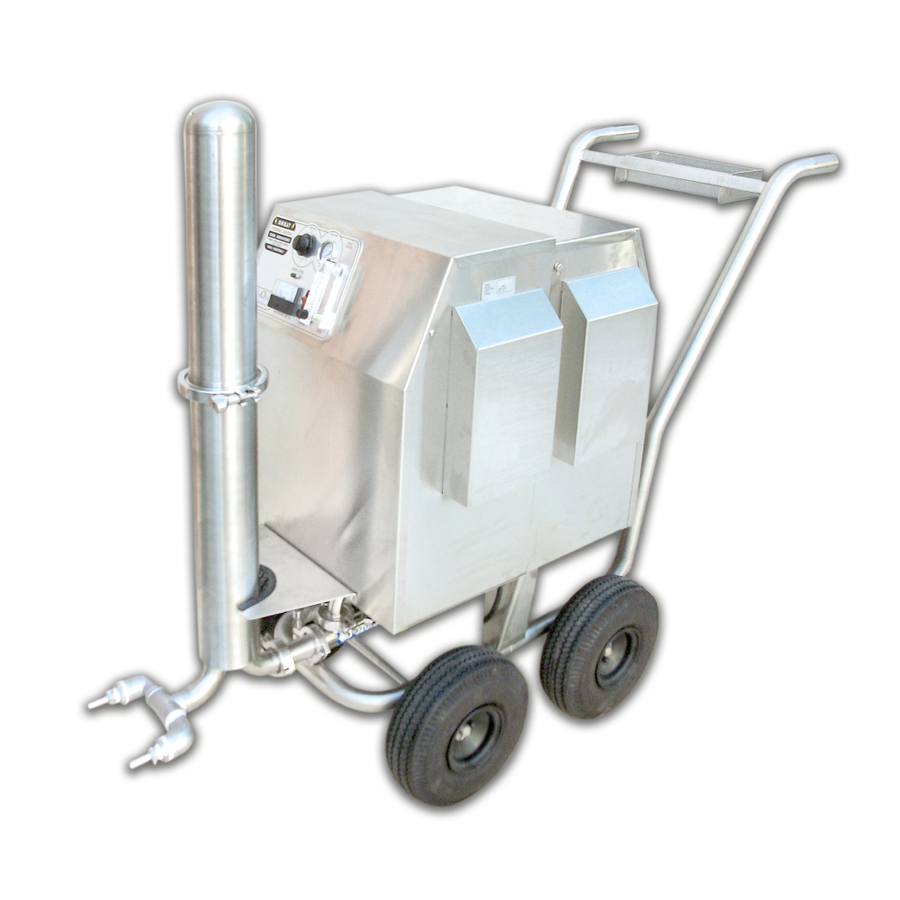 |
- Home
-
Products
- Pig Farming Equipment
- Cattle Farming Equipment
- Sheep & Goat Farming Equipment
- Poultry Farming Equipment
- Feeding & Drinking Systems
- Veterinary & Breeding Equipment
- Testing & Diagnostic Equipment
- Cleaning & Biosecurity Equipment
- Climate Control Equipment
- Livestock Weighing Equipment
- Manure & Waste Management
- Farm Transport & Handling
-
Solutions
- Pig Farm Solutions
- Dairy Farm Solutions
- Beef Cattle Farm Solutions
- Sheep & Goat Farm Solutions
- Layer Farm Solutions
- Broiler Farm Solutions
- Feeding & Drinking System Solutions
- Climate Control Solutions
- Biosecurity & Disinfection Solutions
- Manure & Waste Management
- Smart Farming Solutions
- Farm Renovation and Upgrade Solutions
- Partners
- Projects
- Resources
- News
- About Us
- Contact


Comments & Inquiries
Leave your questions or requirements below. We will reply as soon as possible.