
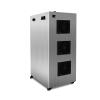
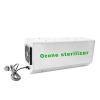
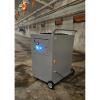
| Product Name | Poultry House Ozone Disinfection Generator | ||||||||||||||||||||||||
| Product Image |  |
||||||||||||||||||||||||
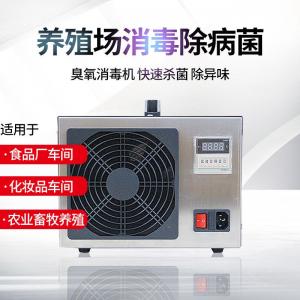
| Product Overview | The Poultry House Ozone Disinfection Generator is an engineered ozone treatment system designed for poultry farm biosecurity applications, including compatible drinking water treatment, equipment washing, odor management and controlled sanitation of unoccupied poultry houses. Ozone is generated on site and applied through a dedicated gas or water treatment arrangement. Because ozone is a strong oxidizing agent, system design must consider poultry house volume, water flow, contamination load, treatment objective, required contact time, ventilation and safe ozone clearance before personnel or birds re-enter treated areas. The generator can be configured for broiler houses, layer farms, hatcheries, drinking water systems, equipment wash areas and other poultry production applications. Output capacity, oxygen supply, distribution method, monitoring and safety interlocks can be selected according to project requirements. :contentReference[oaicite:1]{index=1} |
||||||||||||||||||||||||
| Key Features |
|
||||||||||||||||||||||||
| Structural Components |
|
||||||||||||||||||||||||
| Working Principle | Prepared air or concentrated oxygen enters the ozone generation section, where oxygen molecules are converted into ozone. The generated ozone is then transferred through either a water injection system or a controlled gas distribution arrangement according to the application. For drinking water and equipment washing applications, ozone is introduced into compatible water systems and allowed to react for the required contact period. For poultry house sanitation, ozone gas can be distributed through an isolated and unoccupied treatment zone under controlled operating conditions. After gas-phase treatment, the poultry house must be ventilated or connected to an ozone destruction system, and safe ozone clearance must be verified before workers or birds are allowed to re-enter. The reference manufacturer specifically states that ozone should not be released uncontrollably in an occupied poultry house. :contentReference[oaicite:2]{index=2} |
||||||||||||||||||||||||
| Technical Specifications |
|
||||||||||||||||||||||||
| Applications |
|
||||||||||||||||||||||||
| Customization Options |
|
||||||||||||||||||||||||
| Installation & Maintenance | The ozone generator should be installed in a dry, ventilated service area with suitable access for inspection and maintenance. Feed gas, cooling, electrical supply, ozone distribution piping, water injection equipment and monitoring devices should be arranged according to the selected application. For poultry house gas-phase treatment, the treatment area must be isolated before ozone generation begins. Access control, warning systems, interlocks, ozone monitoring and ventilation should be considered during project design. Routine maintenance may include inspection of ozone generation modules, air or oxygen preparation equipment, cooling components, tubing, valves, injectors, sensors and electrical connections. Ozone exposure must be controlled around birds and personnel. Safe re-entry should only occur after treatment has ended, the area has been adequately ventilated or ozone has been destroyed, and monitoring confirms acceptable clearance conditions. :contentReference[oaicite:3]{index=3} |
||||||||||||||||||||||||
| Project Cases | In commercial poultry projects, ozone systems can be integrated at different points according to the treatment objective. For drinking water applications, ozone equipment can be installed upstream of compatible storage tanks or drinking water distribution systems. For wash applications, ozonated water can be supplied to equipment cleaning and sanitation areas. For empty-house sanitation between flock cycles, ozone can be introduced through a controlled gas distribution system after birds and personnel have left the building. Treatment time, concentration, ventilation and clearance verification must be defined according to the validated project plan. The system can be incorporated into new broiler houses, layer houses, hatcheries and steel structure poultry buildings according to project requirements. :contentReference[oaicite:4]{index=4} |
||||||||||||||||||||||||
| Product FAQ | Q: Can the ozone generator be used inside a poultry house? A: Yes, but gas-phase treatment should be engineered and controlled. For sanitation applications, the poultry house should normally be isolated and unoccupied during treatment, with ventilation and verified ozone clearance before re-entry. Q: Can the system treat poultry drinking water? A: Yes. An engineered ozone system can be integrated into compatible drinking water and water-line treatment applications. Q: Can ozone output be customized? A: Yes. Ozone capacity should be selected according to water flow, house volume, contamination load, contact time and treatment objective. Q: Can the generator be used for equipment washing? A: Yes. Ozonated water can be incorporated into compatible equipment washing and sanitation systems. Q: Can ozone help with poultry house odor management? A: Ozone can oxidize susceptible odor compounds when applied through a properly designed and monitored treatment system. Q: Is ozone safe around poultry and workers? A: Ozone exposure must be carefully controlled. Gas-phase applications require appropriate isolation, monitoring, interlocks, ventilation and confirmed safe clearance before birds or workers return. Q: Can the unit be supplied as a mobile system? A: Yes. Fixed and mobile configurations are available according to project requirements. Q: What information is required for system selection? A: Typical information includes treatment application, poultry house volume or water flow, operating window, contamination load, ventilation conditions and required treatment objective. |
||||||||||||||||||||||||
| Product Gallery |   |
- Home
-
Products
- Pig Farming Equipment
- Cattle Farming Equipment
- Sheep & Goat Farming Equipment
- Poultry Farming Equipment
- Feeding & Drinking Systems
- Veterinary & Breeding Equipment
- Testing & Diagnostic Equipment
- Cleaning & Biosecurity Equipment
- Climate Control Equipment
- Livestock Weighing Equipment
- Manure & Waste Management
- Farm Transport & Handling
-
Solutions
- Pig Farm Solutions
- Dairy Farm Solutions
- Beef Cattle Farm Solutions
- Sheep & Goat Farm Solutions
- Layer Farm Solutions
- Broiler Farm Solutions
- Feeding & Drinking System Solutions
- Climate Control Solutions
- Biosecurity & Disinfection Solutions
- Manure & Waste Management
- Smart Farming Solutions
- Farm Renovation and Upgrade Solutions
- Partners
- Projects
- Resources
- News
- About Us
- Contact


Comments & Inquiries
Leave your questions or requirements below. We will reply as soon as possible.