
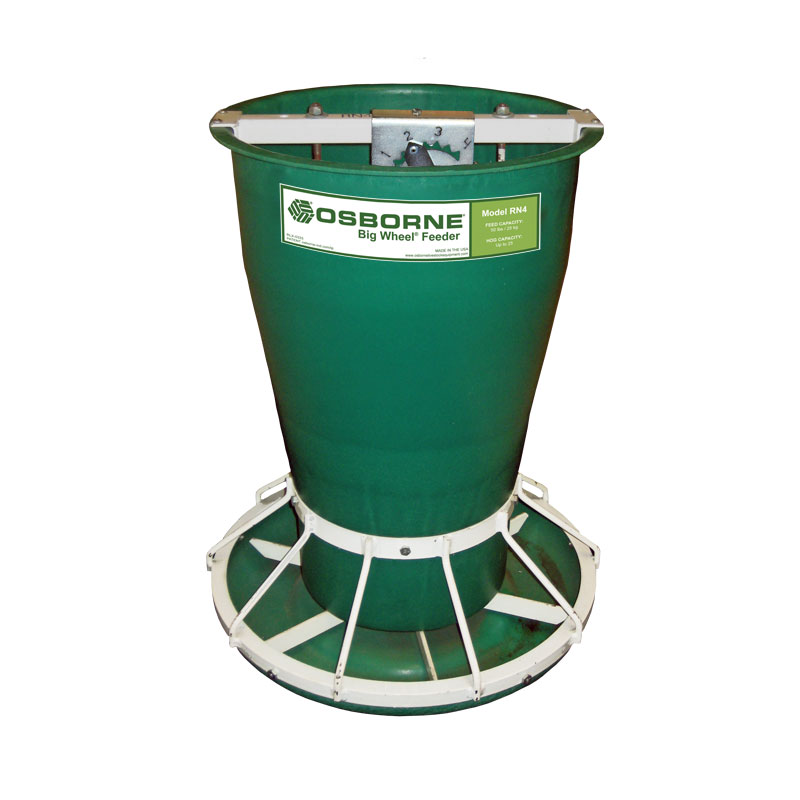
| Product Showcase | Content |
|---|---|
| Product Name | FAST Start Wean-to-Finish Feeder |
| Product Image |
|
| Product Overview |
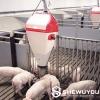
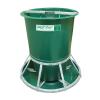
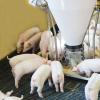
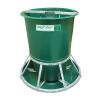
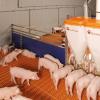
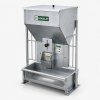
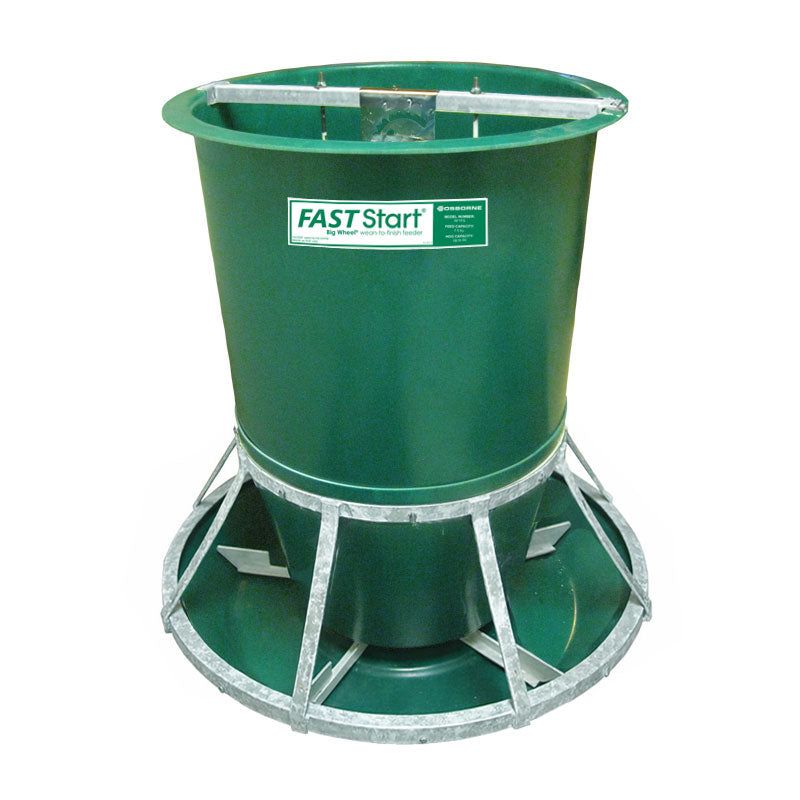
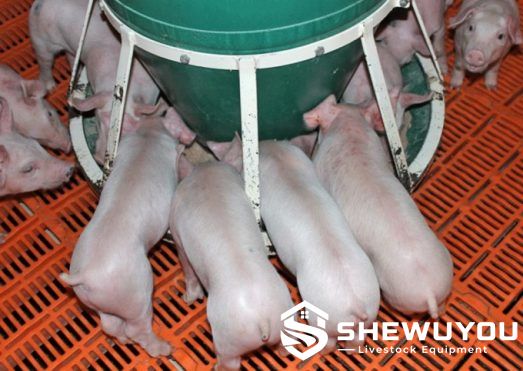
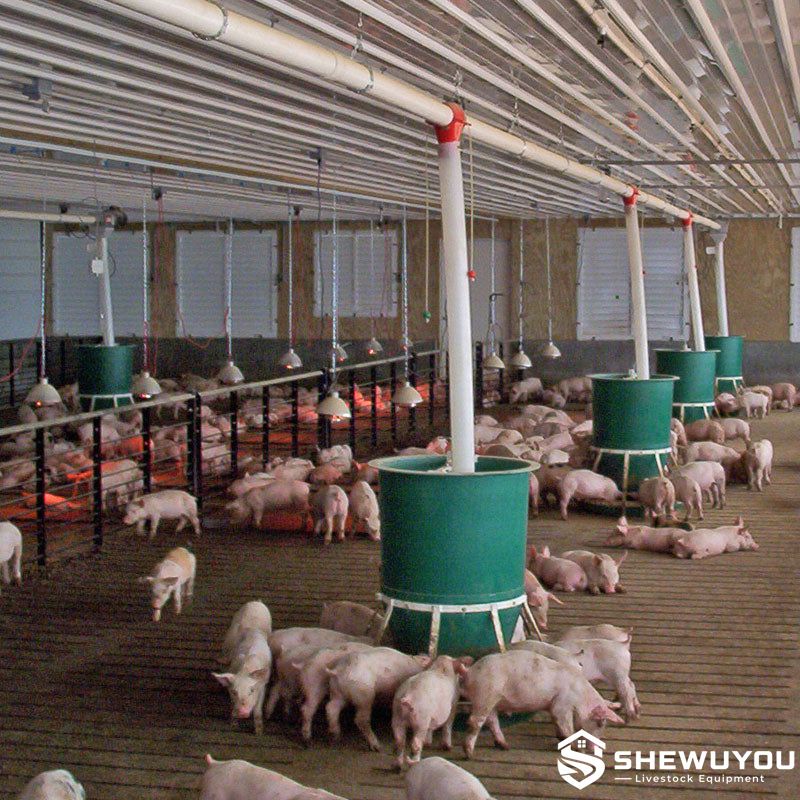
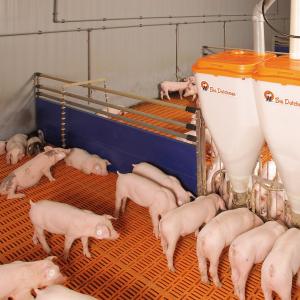
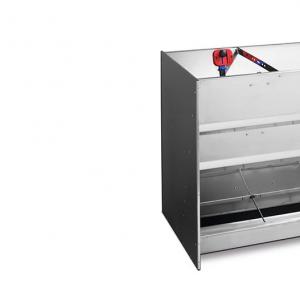
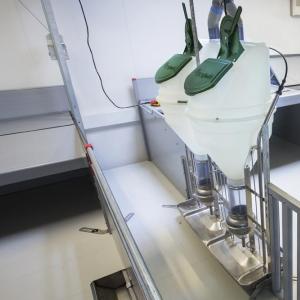
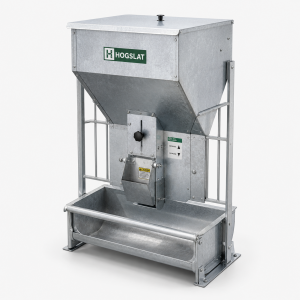
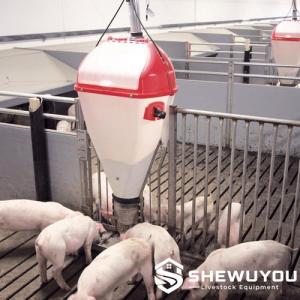
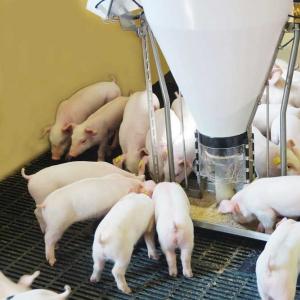
The FAST Start Wean-to-Finish Feeder is designed to support pigs from the early post-weaning stage through market weight using one feeding system. Its dual-stage feeding principle combines easy gravity-flow access for young pigs with controlled animal-activated mechanical feed delivery as pigs become larger and stronger. During the starting period, feed can flow freely into the circular trough so newly weaned pigs can begin eating quickly. As pigs learn to move the feed wheel, the feeder transitions to mechanical dispensing, allowing animals to release fresh feed according to demand. The round feeder provides 360-degree access, making it suitable for commercial nursery-to-finish barns, large pig groups and integrated steel structure pig farm projects. |
| Key Features |
|
| Structural Components |
|
| Working Principle / Structural Principle |
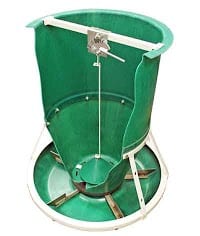
Starting Stage: Small gravity-flow openings remain available so feed moves directly from the hopper into the trough, providing young pigs with immediate access after weaning. Transition Stage: As pigs grow, they begin pushing and rotating the feed wheel. This animal activity changes the feeder from free gravity flow to mechanical dispensing. Finishing Stage: The feed wheel and sweep move controlled quantities of feed from the hopper into the trough. When pigs stop operating the wheel, feed delivery stops, helping prevent unnecessary feed accumulation. |
| Technical Specifications |
|
| Applications |
|
| Customization Options |
|
| Installation & Maintenance |
Installation:
Maintenance:
|
| Product FAQ |
Q1: Why does the feeder start with gravity flow? Newly weaned pigs may not initially have enough experience or strength to operate a mechanical feed wheel. Gravity flow ensures feed is immediately available during this transition period. Q2: How does the feeder change to mechanical operation? As pigs grow and begin operating the feed wheel, the feeding mechanism transitions from free-flow delivery to animal-activated mechanical dispensing. Q3: Does the transition require manual adjustment? The reference FAST Start principle is designed so that pig activity performs the transition automatically. Q4: Can one feeder remain in the pen until market weight? Yes. Wean-to-finish configurations are designed to serve pigs from the post-weaning stage through finishing, subject to model selection and pig type. Q5: How does mechanical feed delivery reduce waste? Feed is dispensed when pigs operate the wheel and stops when they stop feeding, helping prevent continuous trough overfilling. Q6: Can the feeder be installed between two pens? Yes. Suitable fence-line adapters allow compatible feeders to serve pigs from separate pen areas. Q7: Are larger-capacity models available? Yes. Multiple feeder capacities are available for different group sizes and commercial pig farm requirements. Q8: What information is required for a quotation? Please provide the starting and finishing pig weights, pigs per pen, feed type, pen dimensions, flooring type, required feeder capacity, installation method and automatic feed-line requirements. |
| Product Gallery |
|
- Home
-
Products
- Pig Farming Equipment
- Cattle Farming Equipment
- Sheep & Goat Farming Equipment
- Poultry Farming Equipment
- Feeding & Drinking Systems
- Veterinary & Breeding Equipment
- Testing & Diagnostic Equipment
- Cleaning & Biosecurity Equipment
- Climate Control Equipment
- Livestock Weighing Equipment
- Manure & Waste Management
- Farm Transport & Handling
-
Solutions
- Pig Farm Solutions
- Dairy Farm Solutions
- Beef Cattle Farm Solutions
- Sheep & Goat Farm Solutions
- Layer Farm Solutions
- Broiler Farm Solutions
- Feeding & Drinking System Solutions
- Climate Control Solutions
- Biosecurity & Disinfection Solutions
- Manure & Waste Management
- Smart Farming Solutions
- Farm Renovation and Upgrade Solutions
- Partners
- Projects
- Resources
- News
- About Us
- Contact
Comments & Inquiries
Leave your questions or requirements below. We will reply as soon as possible.