| Product Showcase |
Content |
| Product Name |
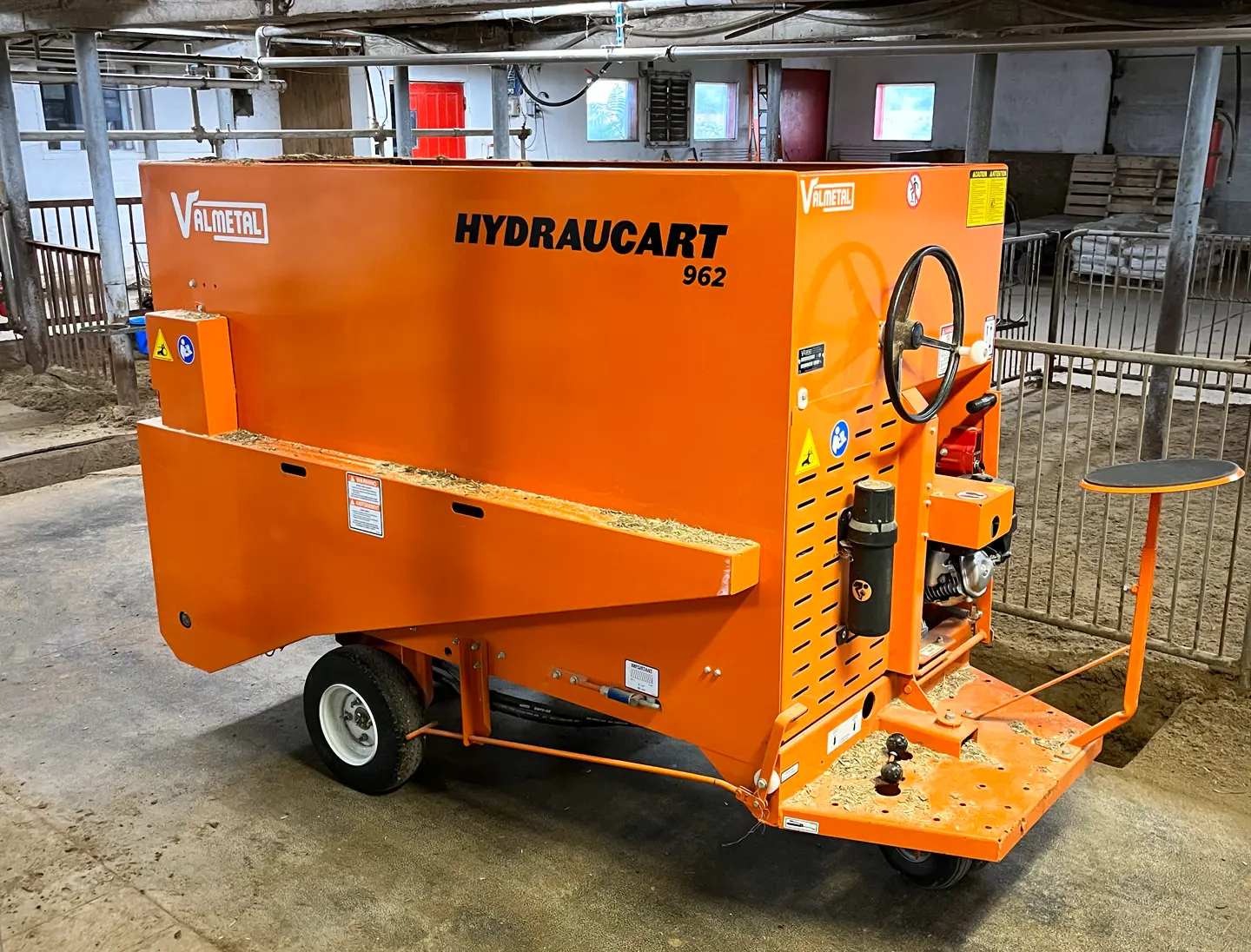
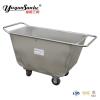
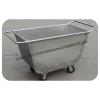
Weighing Feed Transport Cart |
| Product Image |
|
| Product Overview |
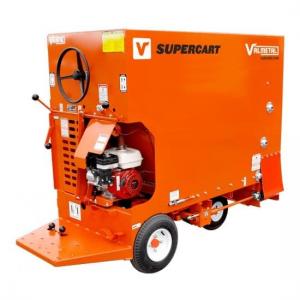
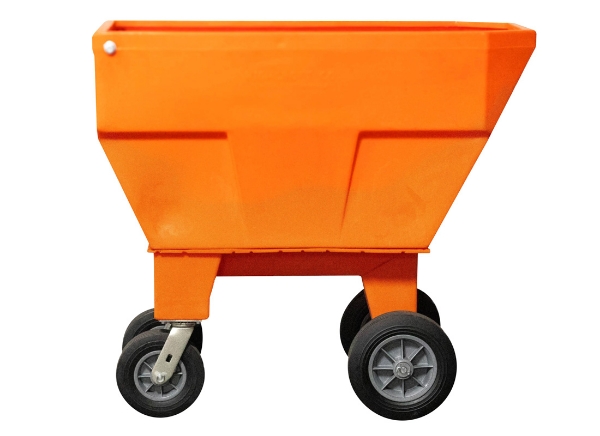
The Weighing Feed Transport Cart combines livestock feed transportation with an integrated weighing system, allowing operators to monitor the quantity loaded into the hopper and estimate feed delivered during daily feeding rounds.
Load cells installed between the hopper and chassis transmit weight data to a digital indicator. This provides a practical alternative to volume-based estimation and supports more consistent ration control across sow, nursery and finishing units.
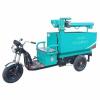
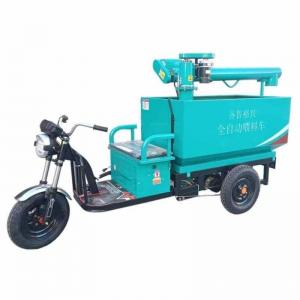
Manual, electric or motorized mobility and different discharge systems can be configured according to pig-house aisle dimensions, required capacity and farm management requirements.
|
| Key Features |
- Integrated weighing system for real-time feed-weight monitoring.
- Load-cell measurement provides more accurate control than visual volume estimation.
- Digital display allows operators to monitor loading and remaining feed.
- Tare and zero functions available according to weighing controller configuration.
- Helps standardize pen-by-pen feed allocation.
- Suitable for dry feed, pellets, meal and compatible livestock rations.
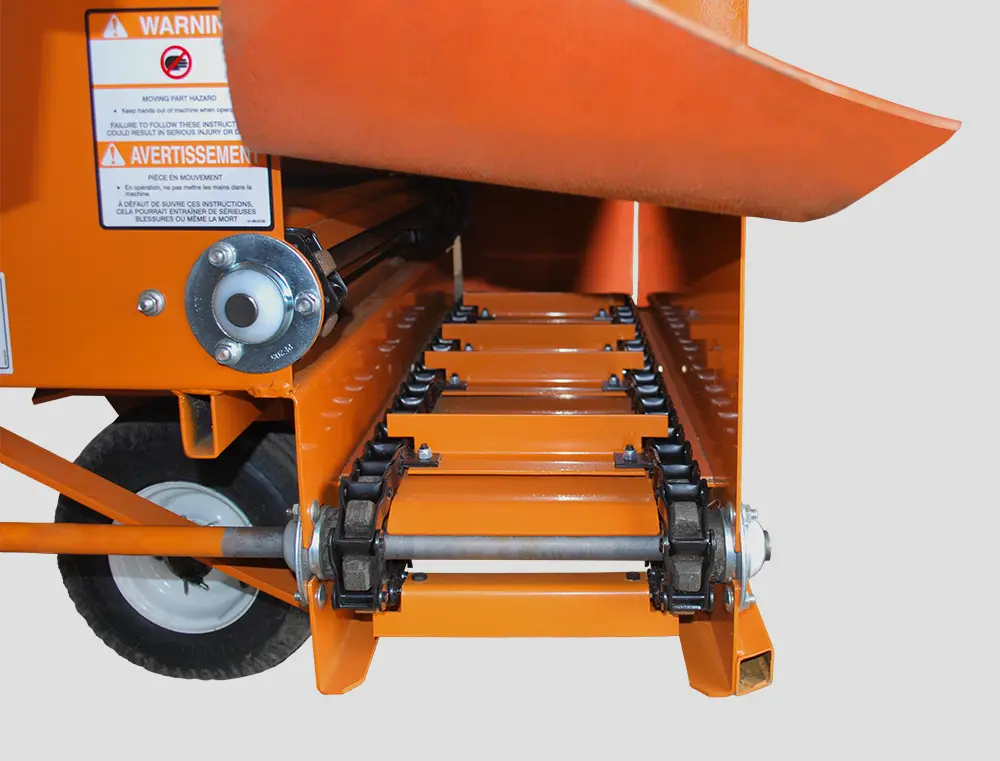
- Auger, conveyor or manual discharge configurations available.
- Compact chassis can be designed for commercial pig-house aisles.
- Corrosion-resistant feed-contact materials available.
- Manual, electric or motorized travel options available upon request.
|
| Structural Components |
- Feed Hopper: Stores feed during loading and transport.
- Load Cells: Measure the weight transferred from the hopper to the supporting chassis.
- Digital Weighing Indicator: Displays current hopper weight and supports weighing functions.
- Junction Box and Cables: Combine signals from multiple load cells and transmit data to the indicator.
- Reinforced Chassis: Supports the hopper, weighing components and operating load.
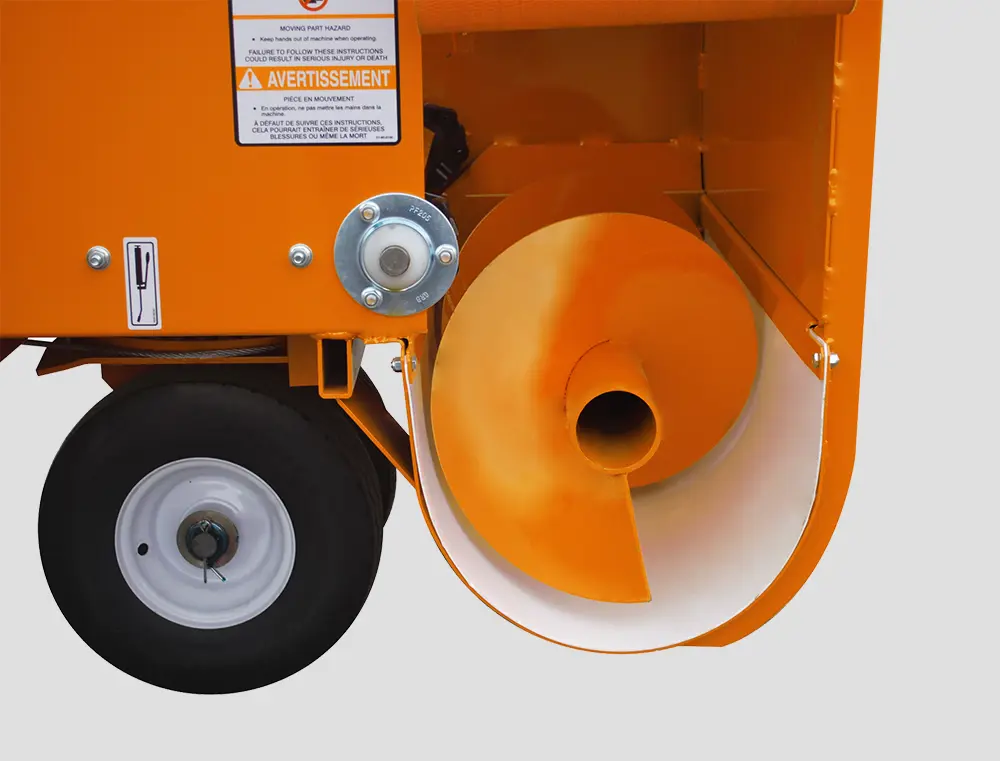
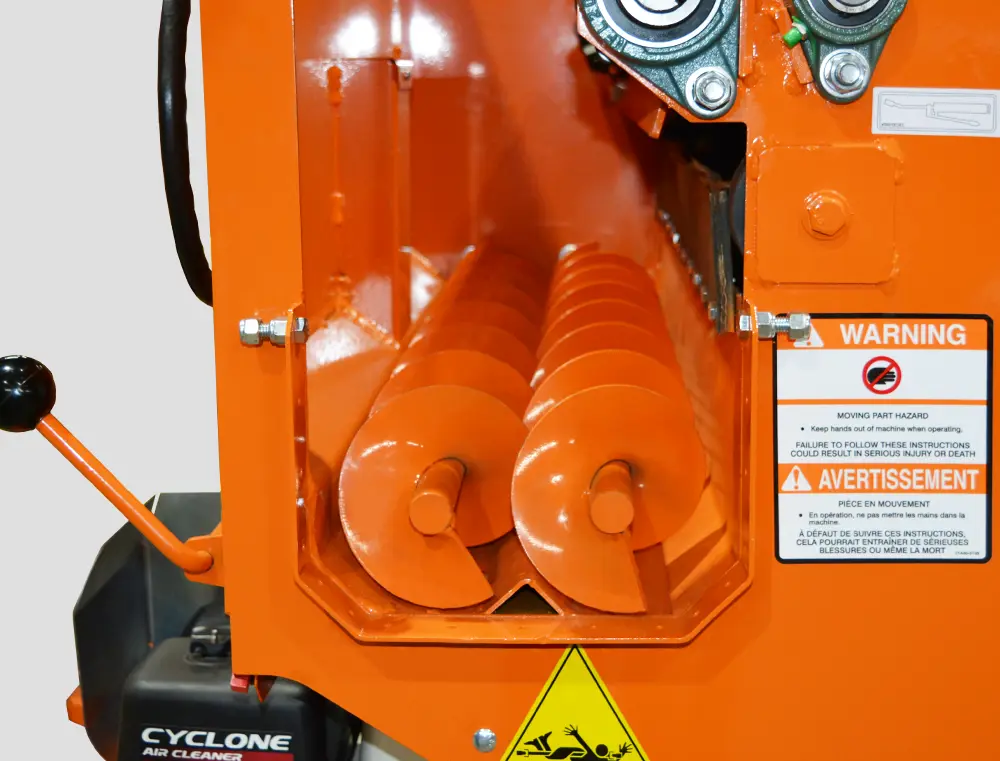
- Discharge System: Manual outlet, auger or cross-conveyor available according to configuration.
- Wheel and Steering System: Provides maneuverability through livestock-house aisles.
- Drive System: Manual, battery-electric or motorized configuration available.
|
| Working Principle |
Before loading, the operator zeros or tares the weighing indicator. Feed added to the hopper applies force to the load cells, which convert the mechanical load into an electronic signal displayed as feed weight.
During distribution, the displayed weight decreases as feed is discharged. The operator can use the difference between readings to monitor the approximate amount delivered to each pen or feeding group.
The weighing system therefore supports more consistent ration management while the cart provides mobile transportation between the feed room and individual livestock pens.
|
| Technical Specifications |
| Product Type |
Mobile feed transport cart with integrated weighing system |
| Weighing Method |
Electronic load-cell weighing |
| Display |
Digital weighing indicator |
| Weighing Functions |
Gross weight, tare and zero functions according to selected controller |
| Feed Types |
Pellets, meal, premix and compatible dry livestock feed |
| Hopper Capacity |
Customizable according to project requirements |
| Hopper Material |
Stainless steel or coated steel available |
| Discharge Method |
Manual, auger or conveyor discharge available |
| Mobility |
Manual, electric or motorized according to project requirements |
| Reference Motorized Cart Capacity |
Comparable commercial configurations approximately 1.1–2.7 m³ |
| Weighing Accuracy |
According to load-cell capacity, installation and indicator specification |
| Overall Dimensions |
Customizable according to barn aisle requirements |
|
| Applications |
- Sow gestation and breeding houses
- Farrowing-house feed distribution
- Nursery pig houses
- Grower and finishing barns
- Feed-room to livestock-house transportation
- Controlled pen-by-pen feed allocation
- Commercial pig farms requiring feed-consumption records
- Steel-structure pig houses
- Farm feeding-system renovation projects
|
| Customization Options |
- Hopper capacity and dimensions
- Stainless steel or coated-steel hopper
- Load-cell capacity and quantity
- Digital weighing indicator specification
- Battery-powered weighing display
- Data printing or recording functions available upon request
- Manual, auger or conveyor discharge
- Manual or electric-drive chassis
- Single-side or bilateral discharge
- Vehicle width according to pig-house aisle dimensions
- Customizable according to project requirements
|
| Installation & Maintenance |
Commissioning:
- Confirm aisle width, floor condition and required feed capacity before model selection.
- Check that the hopper and weighing frame are free from mechanical interference.
- Verify all load-cell cables and junction-box connections.
- Zero the weighing indicator before loading feed.
- Calibrate the scale using certified or known reference weights before routine operation.
- Test the discharge and mobility systems before entering production areas.
Maintenance:
- Remove accumulated feed around load cells and supporting brackets.
- Protect the indicator, junction box and electrical connectors during pressure washing.
- Inspect cables for cuts, crushing or rodent damage.
- Check the scale zero point regularly.
- Recalibrate periodically or whenever weighing accuracy is uncertain.
- Inspect wheels, bearings, brakes and discharge components routinely.
- Clean feed-contact surfaces according to farm hygiene and biosecurity procedures.
|
| Product FAQ |
Q: What is the main advantage of a weighing feed cart?
A: It allows the operator to monitor feed weight rather than relying only on hopper volume, helping improve ration consistency and feed-use records.
Q: How does the weighing system work?
A: Load cells installed beneath the hopper measure the applied load and send an electronic signal to the digital weighing indicator.
Q: Can it show how much feed was delivered to one pen?
A: The operator can compare the displayed weight before and after discharge to estimate the amount delivered to a pen or group.
Q: Can the system record feeding data?
A: Basic models provide weight display, while data logging, printing or other recording functions can be supplied according to controller configuration.
Q: Is the weighing system optional?
A: Yes. Comparable commercial feed carts are available with optional weighing systems, and SHEWUYOU configurations can be selected according to project requirements.
Q: Can the cart use an auger discharge?
A: Yes. Auger discharge is available for projects requiring faster mechanical feed distribution.
Q: What information is required for a quotation?
A: Please provide required hopper capacity, maximum feed weight, aisle width, feed type, preferred discharge method, mobility type, weighing functions, required quantity and project location.
|
| Product Gallery |
|


Comments & Inquiries
Leave your questions or requirements below. We will reply as soon as possible.