

| Product Showcase | Content | ||||||||||||||||||||||||||||||||
| Product Name | RFID Livestock Identification Kit | ||||||||||||||||||||||||||||||||
| Product Image | 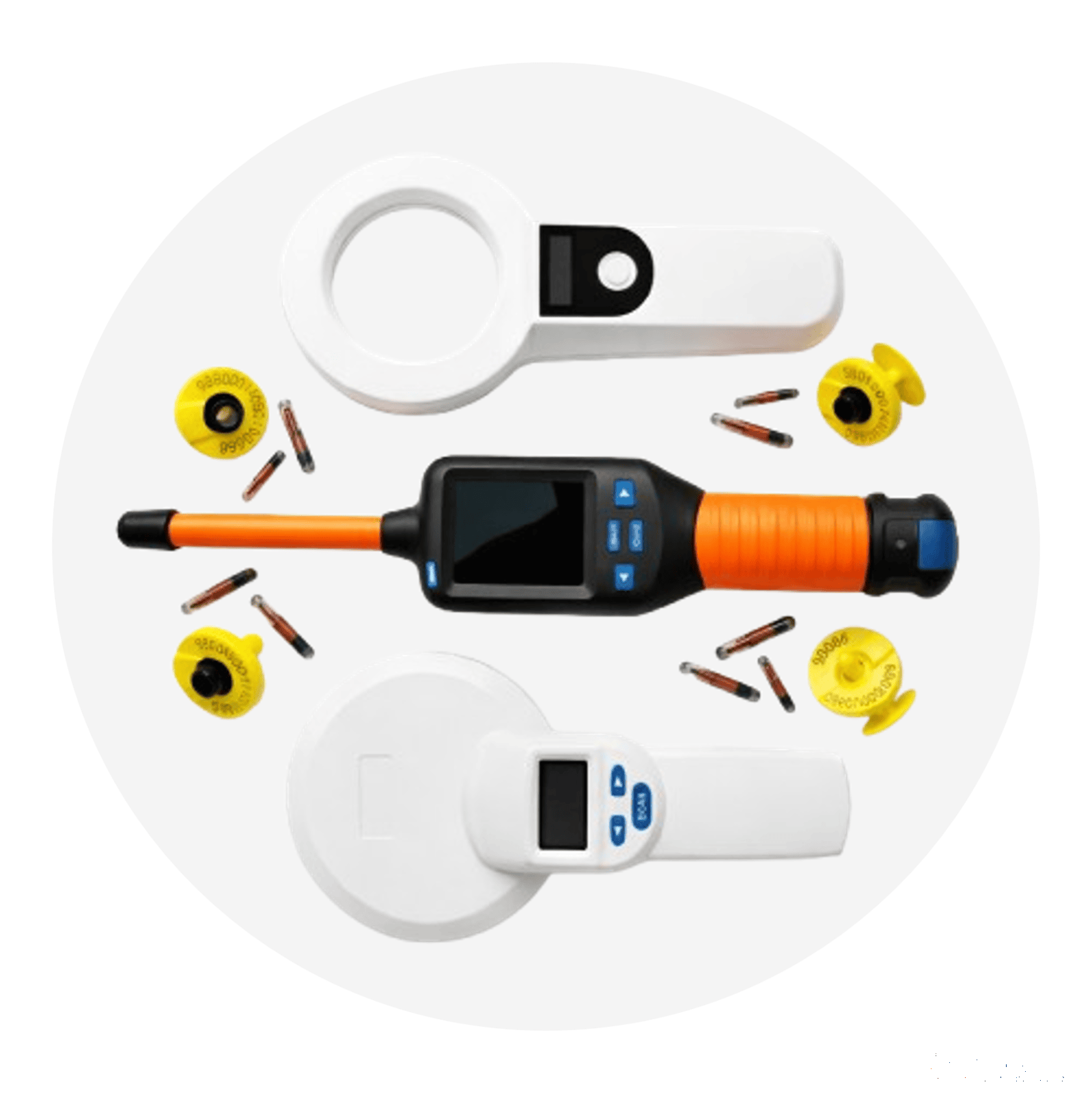 |
||||||||||||||||||||||||||||||||
| Product Overview |
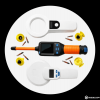
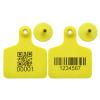
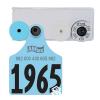
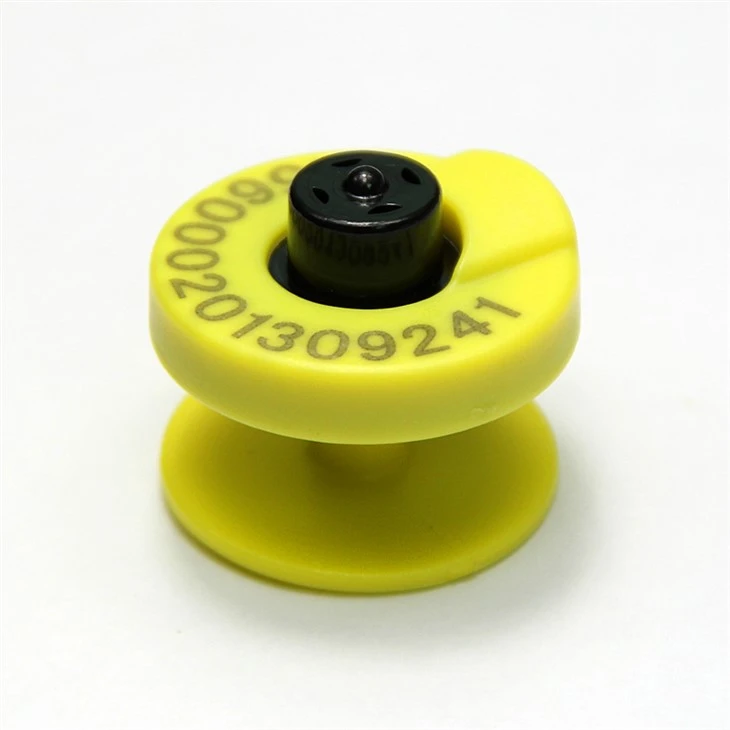
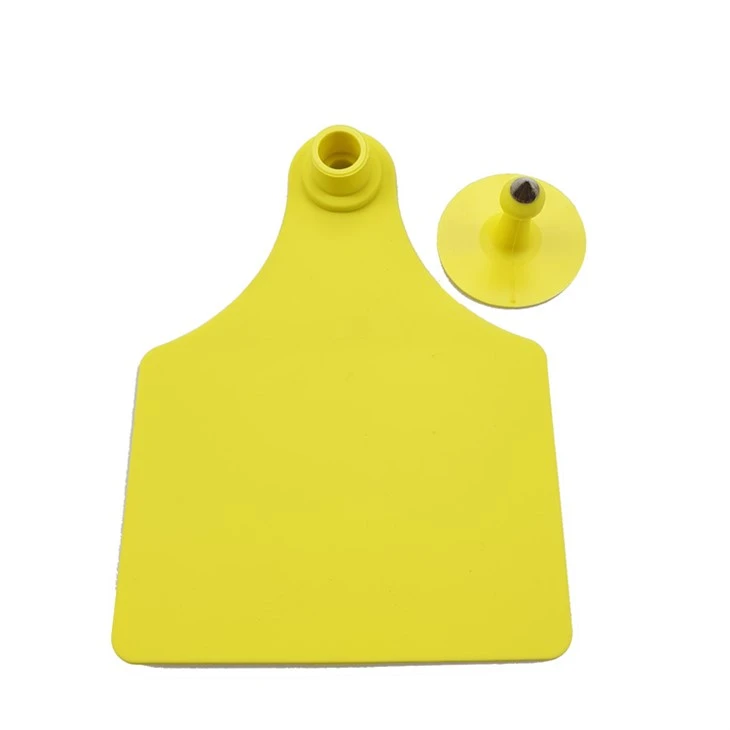
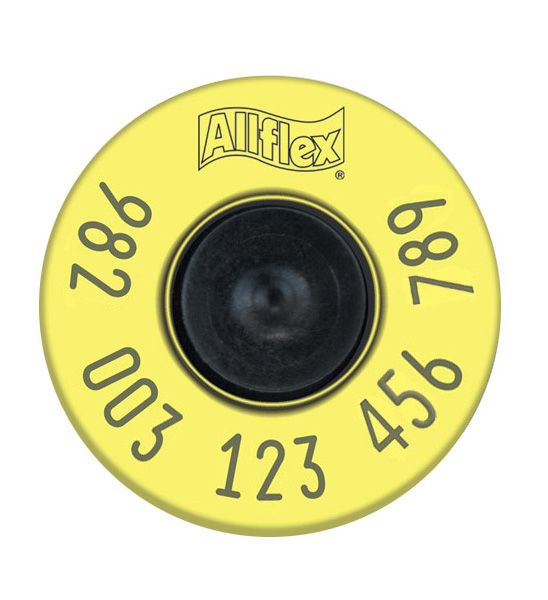
The RFID Livestock Identification Kit is an integrated electronic animal identification package designed for cattle farms, breeding operations, livestock groups and agricultural traceability projects. A typical system combines RFID ear tags, a compatible electronic identification reader, ear tag applicator and data-management accessories in one practical package. The kit enables farm personnel to assign a unique electronic identity to each animal and read that identification without manually copying long tag numbers. Depending on configuration, RFID records can be stored in the reader and transferred to weighing systems, smartphones, computers or herd-management software. For standard low-frequency livestock identification projects, compatible FDX-B and HDX tags can operate at 134.2 kHz in accordance with ISO 11784/11785. Reader, tag and applicator combinations can be selected according to herd size, local traceability requirements and farm-management infrastructure. |
||||||||||||||||||||||||||||||||
| Key Features |
|
||||||||||||||||||||||||||||||||
| Structural Components |
|
||||||||||||||||||||||||||||||||
| Working Principle / Structural Principle |
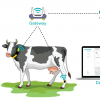
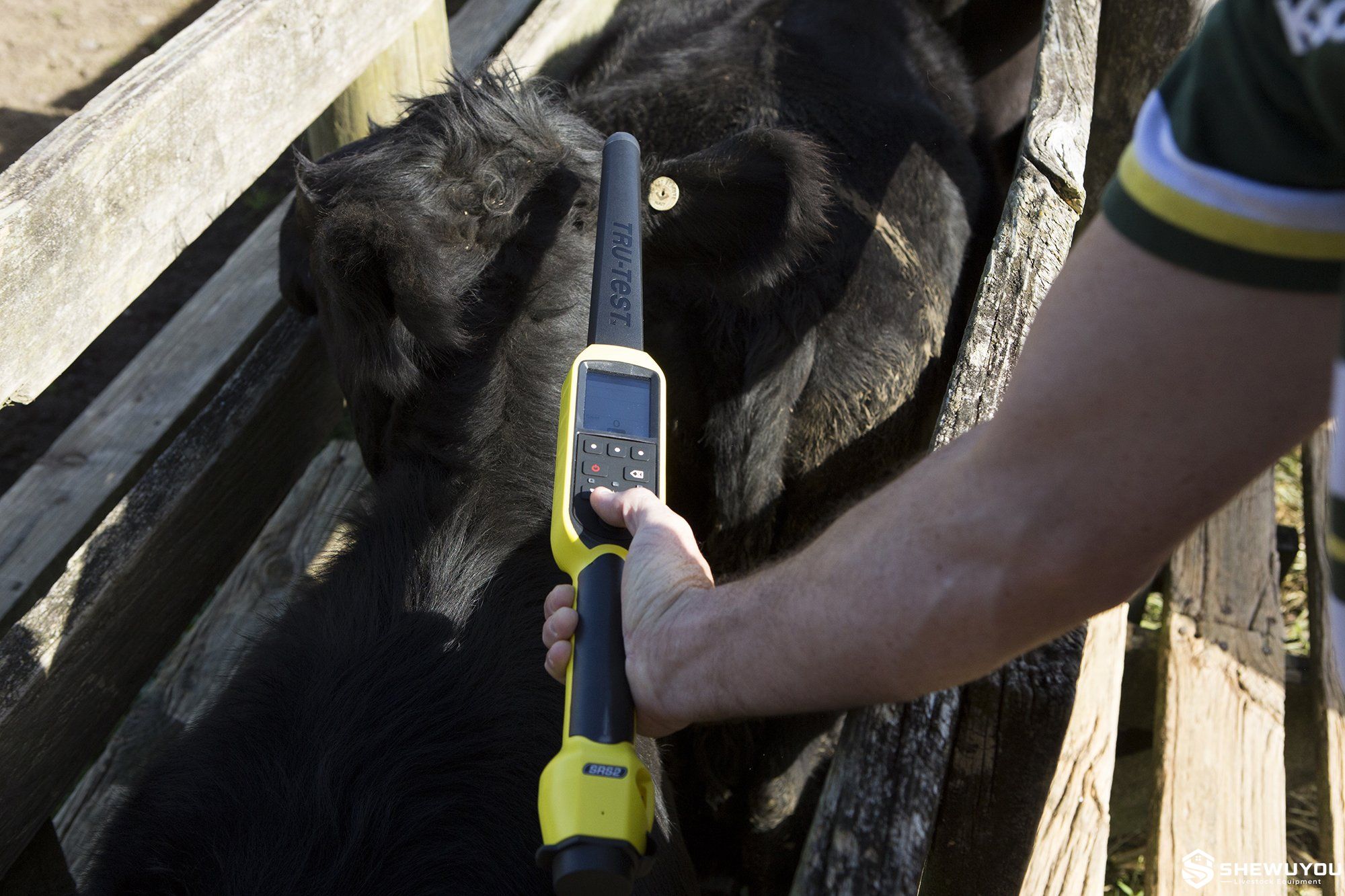
Each electronic ear tag contains a passive RFID transponder with a unique identification number. After the tag is applied to the animal using the compatible applicator, it becomes the permanent or long-term electronic identification reference for that animal according to the farm's identification program. When the RFID reader is positioned within the effective reading range, its antenna generates an electromagnetic field that activates the passive transponder. The electronic tag then returns its coded identification number to the reader. The reader displays and may store the ID together with additional information such as time, date or livestock event data. The records can then be transferred to compatible software, electronic scales or other farm-management equipment. The electronic identification number acts as the link between the physical animal and its digital record, allowing breeding, health, weight, feeding and movement information to be organized under one consistent animal ID. |
||||||||||||||||||||||||||||||||
| Technical Specifications |
|
||||||||||||||||||||||||||||||||
| Applications |
In commercial livestock facilities, the kit can be integrated with electronic scales, handling chutes, automatic sorting gates, breeding equipment and herd-management software to establish an efficient individual-animal identification workflow. For new pig farm construction, cattle housing and steel structure livestock projects, RFID identification points can be planned around receiving areas, weighing stations, veterinary zones, breeding facilities and animal transfer corridors. |
||||||||||||||||||||||||||||||||
| Customization Options |
Kit contents can be customized according to animal species, herd size, RFID standard, reader requirements, farm software and livestock identification project specifications. |
||||||||||||||||||||||||||||||||
| Installation & Maintenance |
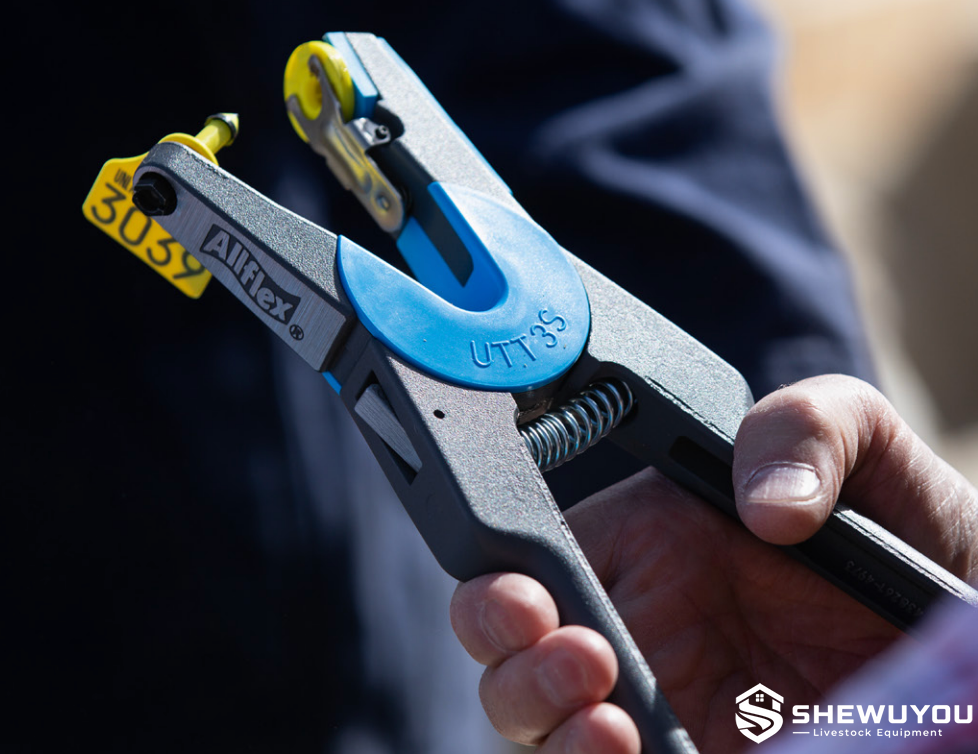
System Preparation: Confirm tag frequency, transponder type, reader compatibility and required identification numbering before beginning installation. Tag Installation: Load the correct male and female RFID tag components into the compatible applicator and place the electronic tag in the recommended area of the animal's ear. Verify Identification: Scan the installed tag immediately after application and confirm that the electronic ID matches the intended animal record. Reader Configuration: Set the correct date, time, communication method and recording options before routine farm use. Database Connection: Import or transfer RFID identification records into the applicable herd-management, weighing or traceability platform. Routine Cleaning: Clean the applicator and RFID reader after livestock processing. Remove manure, dust and other contamination without damaging electronic components. Battery Maintenance: Recharge the reader according to manufacturer instructions and maintain sufficient battery capacity before high-volume processing sessions. Periodic Inspection: Check RFID tags for retention and reader equipment for physical damage, connector wear or communication issues. |
||||||||||||||||||||||||||||||||
| Project Cases |
RFID livestock identification kits are suitable for farms transitioning from manual livestock records to electronic identification. A standardized combination of tags, applicators and readers helps simplify implementation and reduces compatibility issues between individual components. Large dairy, beef and swine operations can use RFID identification during receiving, breeding, vaccination, weighing, sorting and movement management. Electronic IDs can also be linked to management software for long-term performance and traceability records. For complete livestock construction projects, RFID equipment can be supplied together with electronic weighing systems, handling facilities, automatic sorting gates and digital farm-management infrastructure. |
||||||||||||||||||||||||||||||||
| Product FAQ |
Q1: What is included in an RFID livestock identification kit? Q2: Can the kit read both FDX-B and HDX tags? Q3: Do RFID ear tags require batteries? Q4: Can the reader store animal identification records? Q5: Can data be transferred to farm-management software? Q6: Can the kit be used for pigs as well as cattle? Q7: Can RFID readers connect to electronic livestock scales? Q8: Can tag numbers and logos be customized? Q9: Can you supply kits for large-scale livestock projects? Q10: Can the kit be integrated with automatic sorting equipment? |
||||||||||||||||||||||||||||||||
| Product Gallery |
|
- Home
-
Products
- Pig Farming Equipment
- Cattle Farming Equipment
- Sheep & Goat Farming Equipment
- Poultry Farming Equipment
- Feeding & Drinking Systems
- Veterinary & Breeding Equipment
- Testing & Diagnostic Equipment
- Cleaning & Biosecurity Equipment
- Climate Control Equipment
- Livestock Weighing Equipment
- Manure & Waste Management
- Farm Transport & Handling
-
Solutions
- Pig Farm Solutions
- Dairy Farm Solutions
- Beef Cattle Farm Solutions
- Sheep & Goat Farm Solutions
- Layer Farm Solutions
- Broiler Farm Solutions
- Feeding & Drinking System Solutions
- Climate Control Solutions
- Biosecurity & Disinfection Solutions
- Manure & Waste Management
- Smart Farming Solutions
- Farm Renovation and Upgrade Solutions
- Partners
- Projects
- Resources
- News
- About Us
- Contact


Comments & Inquiries
Leave your questions or requirements below. We will reply as soon as possible.