

| Product Showcase | Content | ||||||||||||||||||||||||||||||||
| Product Name | ISO 11784/11785 Compliant Cattle Ear Tags | ||||||||||||||||||||||||||||||||
| Product Image | 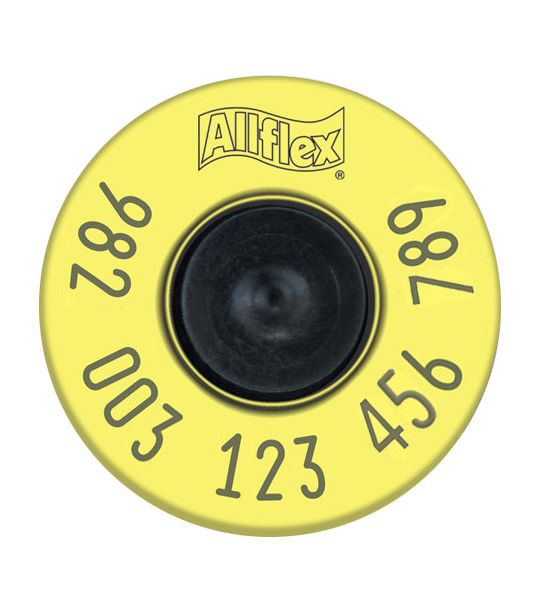 |
||||||||||||||||||||||||||||||||
| Product Overview |
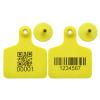
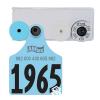
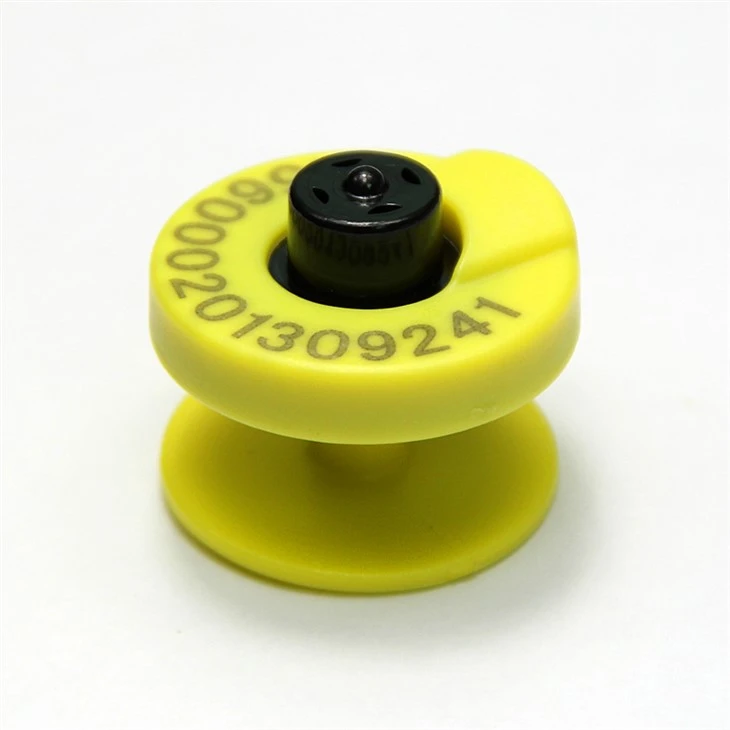
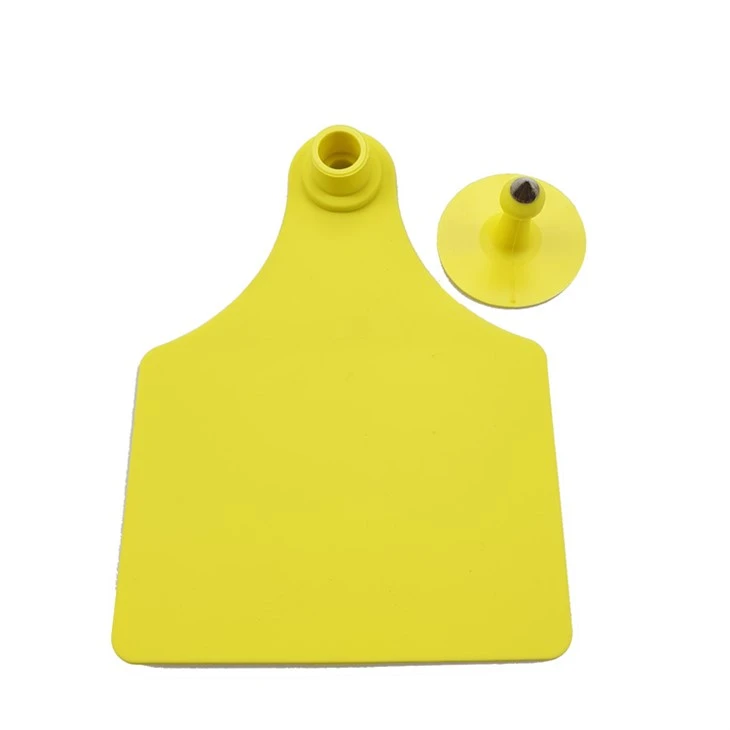
The ISO 11784/11785 Compliant Cattle Ear Tags are passive electronic identification devices designed for reliable individual animal identification, herd traceability and digital livestock management. Each RFID tag contains an electronic transponder that stores a unique identification code which can be read wirelessly by a compatible livestock EID reader. Standard cattle identification configurations operate at 134.2 kHz and can be supplied with FDX-B or HDX RFID technology according to project requirements. The tags can be combined with matching visual ear tags to provide both electronic and human-readable animal identification. Durable livestock-grade construction and tamper-resistant attachment options make the tags suitable for dairy cattle, beef cattle, feedlots, breeding farms, livestock markets and large-scale animal traceability projects. They can also integrate with electronic scales, automatic sorting gates, feeding systems and herd-management software. |
||||||||||||||||||||||||||||||||
| Key Features |
|
||||||||||||||||||||||||||||||||
| Structural Components |
|
||||||||||||||||||||||||||||||||
| Working Principle / Structural Principle |
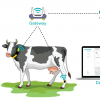
The electronic cattle ear tag contains a passive RFID transponder. When a compatible livestock reader is brought within the effective reading zone, the reader generates an electromagnetic field that activates the transponder. The tag then transmits its encoded electronic identification number back to the reader using FDX-B or HDX communication technology. The reader displays or stores the animal identification number and can transfer the information to a computer, weighing indicator, smartphone or herd-management platform. The RFID tag normally stores the animal identification code rather than complete production records. Health, breeding, weight, feeding and movement information is usually stored in the associated farm-management database and linked to the electronic identification number. |
||||||||||||||||||||||||||||||||
| Technical Specifications |
|
||||||||||||||||||||||||||||||||
| Applications |
In commercial cattle operations, electronic ear tags can be integrated with RFID readers, electronic scales, cattle handling chutes, automatic sorting gates and herd-management software to build a complete individual-animal data management system. For new steel structure livestock farm projects, RFID identification can be planned together with weighing stations, veterinary areas, breeding facilities, milking systems and automated cattle traffic equipment. Compatible electronic tags can also be used in commercial pig farms, goat-farming-equipment/" target="_blank" class="keylink">sheep farms and goat operations when the tag design, attachment system and national identification requirements are suitable for the target species. |
||||||||||||||||||||||||||||||||
| Customization Options |
Electronic identification packages can be configured according to herd size, national traceability requirements, farm software, reader type and project procurement requirements. |
||||||||||||||||||||||||||||||||
| Installation & Maintenance |
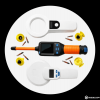
Confirm Compatibility: Verify the RFID technology, identification numbering requirements and reader compatibility before installing the tags. Prepare the Applicator: Install the correct male and female components into a compatible livestock ear tag applicator according to the tag structure. Select the Tagging Position: Apply the ear tag in the recommended area between major ear cartilage ribs while avoiding large blood vessels and damaged tissue. Apply the Tag: Align the applicator correctly and close it firmly in one controlled action to engage the locking mechanism. Verify RFID Reading: Scan the installed electronic tag with a compatible RFID reader and confirm that the electronic identification number corresponds to the animal record. Database Registration: Link the RFID identification number with the animal's visual ID, birth information, breeding record or other required farm data. Routine Inspection: During herd handling, check tags for damage, excessive wear or incorrect positioning. Replacement procedures should follow the applicable livestock identification regulations. Reader Testing: Periodically verify that readers, antennas and farm software are correctly receiving and recording tag identification numbers. |
||||||||||||||||||||||||||||||||
| Project Cases |
ISO-compatible electronic ear tags are suitable for commercial cattle farms requiring reliable individual-animal identification across breeding, feeding, weighing, health and movement-management procedures. Large dairy farms can link RFID identification with milking, sorting and herd-management systems, while beef and feedlot operations can use electronic IDs during processing, weighing and performance recording. For complete livestock identification projects, electronic ear tags can be supplied together with visual tags, applicators, handheld RFID readers, stick readers, fixed antennas, electronic scales and management-system integration. |
||||||||||||||||||||||||||||||||
| Product FAQ |
Q1: What does ISO 11784/11785 mean for cattle ear tags? Q2: What frequency do cattle RFID ear tags use? Q3: What is the difference between FDX-B and HDX? Q4: Do electronic cattle ear tags require batteries? Q5: Can the same RFID number be printed on a visual tag? Q6: Can the tags connect to farm management software? Q7: Can these tags be used with automatic cattle scales and sorting gates? Q8: Are ICAR-certified tags available? Q9: Can tag colors and printing be customized? Q10: Can complete RFID identification systems be supplied? |
||||||||||||||||||||||||||||||||
| Product Gallery |
|
- Home
-
Products
- Pig Farming Equipment
- Cattle Farming Equipment
- Sheep & Goat Farming Equipment
- Poultry Farming Equipment
- Feeding & Drinking Systems
- Veterinary & Breeding Equipment
- Testing & Diagnostic Equipment
- Cleaning & Biosecurity Equipment
- Climate Control Equipment
- Livestock Weighing Equipment
- Manure & Waste Management
- Farm Transport & Handling
-
Solutions
- Pig Farm Solutions
- Dairy Farm Solutions
- Beef Cattle Farm Solutions
- Sheep & Goat Farm Solutions
- Layer Farm Solutions
- Broiler Farm Solutions
- Feeding & Drinking System Solutions
- Climate Control Solutions
- Biosecurity & Disinfection Solutions
- Manure & Waste Management
- Smart Farming Solutions
- Farm Renovation and Upgrade Solutions
- Partners
- Projects
- Resources
- News
- About Us
- Contact


Comments & Inquiries
Leave your questions or requirements below. We will reply as soon as possible.