

| Product Showcase | Content | ||||||||||||||||||||||||||||||
|---|---|---|---|---|---|---|---|---|---|---|---|---|---|---|---|---|---|---|---|---|---|---|---|---|---|---|---|---|---|---|---|
| Product Name | UHF Electronic Cattle Ear Tags | ||||||||||||||||||||||||||||||
| Product Image | 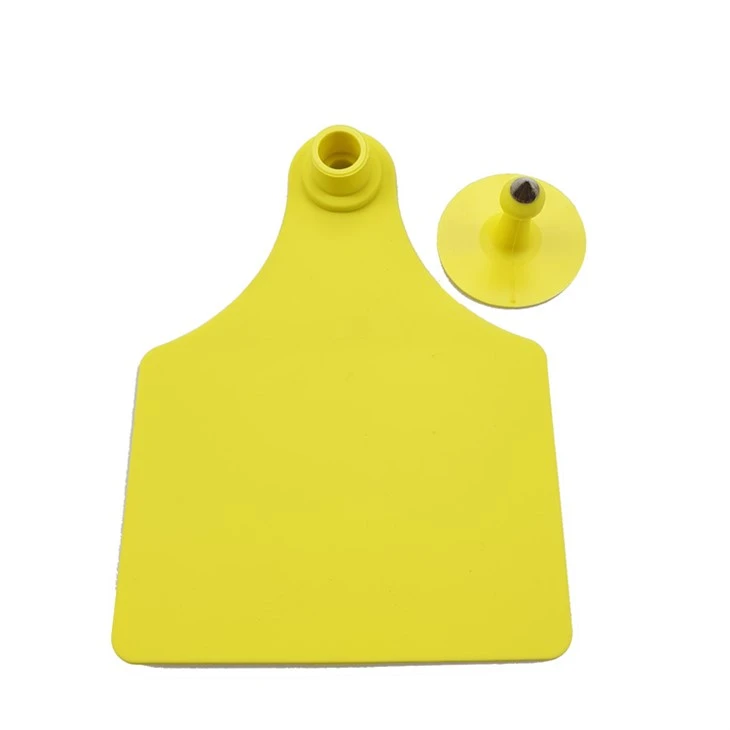 |
||||||||||||||||||||||||||||||
| Product Overview |
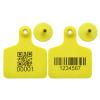
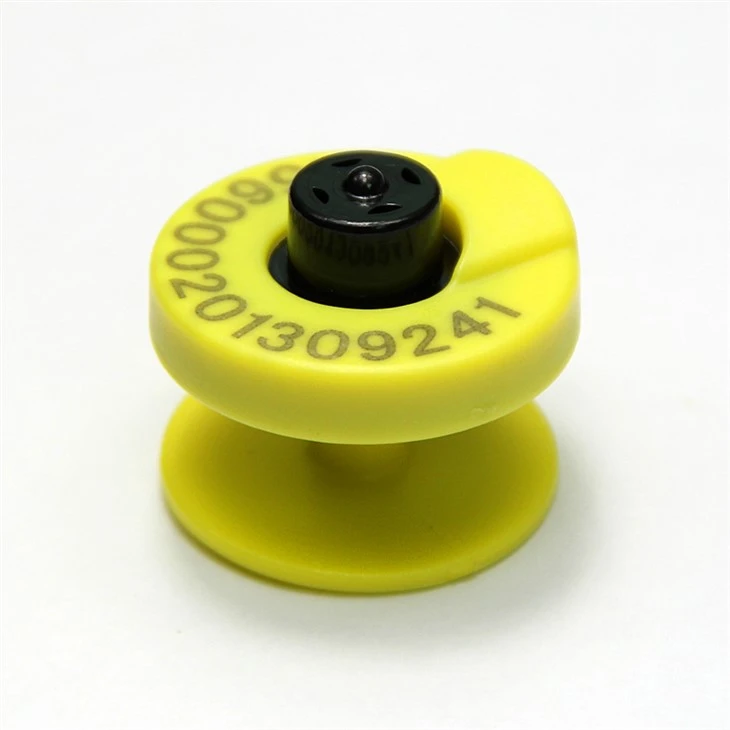
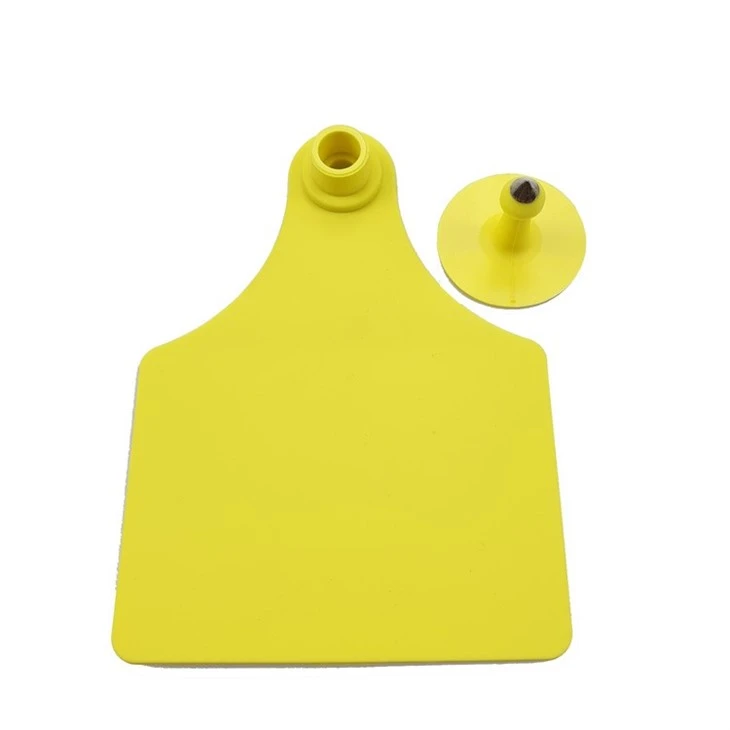
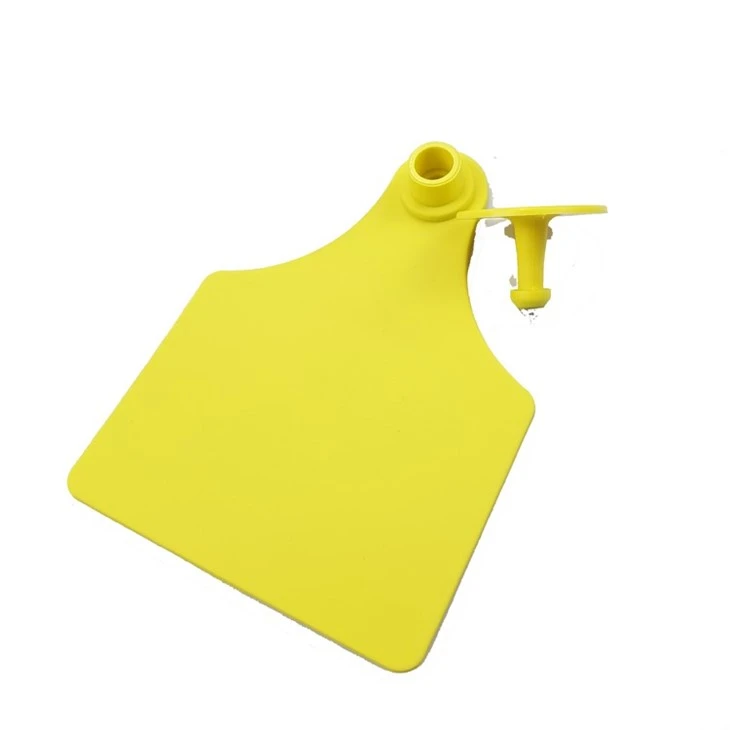
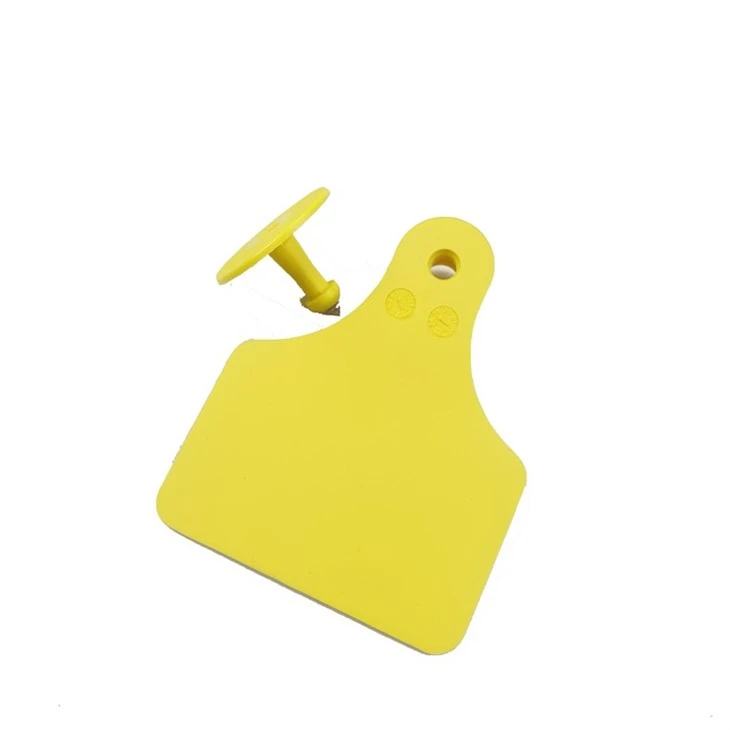
The UHF Electronic Cattle Ear Tags are passive RFID livestock identification devices designed for fast electronic identification, herd inventory, movement tracking and farm traceability. Each tag integrates a UHF RFID chip and antenna inside a durable livestock-grade housing, allowing compatible readers to capture an individual electronic ID without direct visual contact. UHF technology is particularly suitable for livestock projects requiring longer reading distances, automated raceway identification, batch inventory and integration with digital farm management systems. Electronic identification can be combined with visible serial numbers, barcodes or QR codes to provide both machine-readable and visual animal identification. The tags can be incorporated into cattle weighing stations, sorting systems, feeding management, breeding records, vaccination programs and livestock traceability platforms in commercial dairy farms, beef operations, feedlots and integrated livestock projects. |
||||||||||||||||||||||||||||||
| Key Features |
|
||||||||||||||||||||||||||||||
| Structural Components |
|
||||||||||||||||||||||||||||||
| Working Principle |
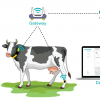
A compatible UHF RFID reader transmits radio-frequency energy through its antenna. When the cattle ear tag enters the reading field, the passive RFID chip receives energy from the signal and responds by transmitting its programmed electronic identification data. The reader sends the captured tag ID to a livestock management system, where the electronic number can be linked to animal records such as breed, age, weight, reproduction history, vaccination status, feeding data and movement information. Actual reading distance depends on the selected RFID chip, reader output, antenna arrangement, tag orientation, animal position, surrounding structures and farm environment. System layout should therefore be confirmed according to the intended application. |
||||||||||||||||||||||||||||||
| Technical Specifications |
UHF livestock identification requirements vary by country and project. Where official animal identification regulations require LF 134.2 kHz or another approved technology, the required regulatory standard should be confirmed before ordering. |
||||||||||||||||||||||||||||||
| Applications |
|
||||||||||||||||||||||||||||||
| Customization Options |
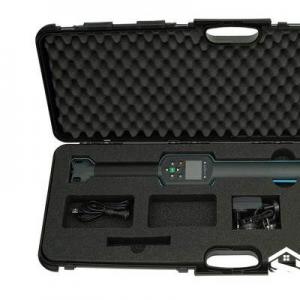
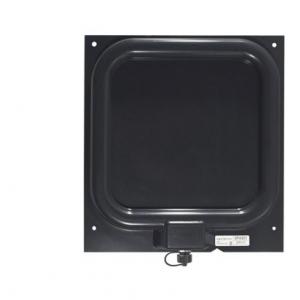
SHEWUYOU can configure UHF electronic cattle ear tags according to RFID system architecture, herd-management software and livestock project requirements.
|
||||||||||||||||||||||||||||||
| Installation & Maintenance |
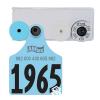
UHF cattle ear tags are installed using a compatible livestock ear tag applicator. Correct placement and hygiene are important for tag retention and animal welfare.
|
||||||||||||||||||||||||||||||
| Product FAQ |
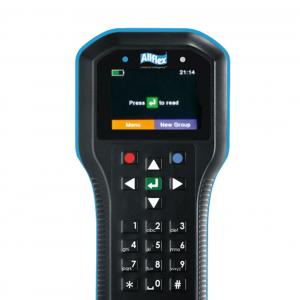
Q1: What is a UHF electronic cattle ear tag? It is a passive RFID livestock tag using ultra-high-frequency radio communication to provide an individual electronic identification number for cattle management and traceability. Q2: What frequency do UHF cattle ear tags use? Common global UHF configurations operate within the 860-960 MHz band. The exact regional frequency and reader configuration should be selected according to local radio regulations. Q3: How far can the tags be read? Reading distance depends on the chip, reader, antenna, tag orientation and farm environment. The referenced product lists a reading range of up to approximately 5 meters under suitable conditions. Q4: Can multiple cattle tags be read automatically? Yes. Compatible UHF EPC Gen2 systems support anti-collision functions that can identify multiple tags in automated livestock workflows. Q5: Can the electronic number be programmed before shipment? Yes. EPC pre-encoding and sequential ID programming can be supplied according to project requirements. Q6: Can visible numbers and QR codes be added? Yes. Serial numbers, barcodes, QR codes and other visual marking options are available according to tag design. Q7: Are UHF tags suitable for official cattle identification? This depends on national regulations. Some official cattle identification programs require LF 134.2 kHz tags or other approved standards, so local regulatory requirements should be confirmed before selection. Q8: Can SHEWUYOU supply readers together with the ear tags? Yes. Compatible handheld readers, fixed UHF readers, antennas, applicators and livestock management integration can be configured according to project requirements. |
||||||||||||||||||||||||||||||
| Product Gallery |
|
- Home
-
Products
- Pig Farming Equipment
- Cattle Farming Equipment
- Sheep & Goat Farming Equipment
- Poultry Farming Equipment
- Feeding & Drinking Systems
- Veterinary & Breeding Equipment
- Testing & Diagnostic Equipment
- Cleaning & Biosecurity Equipment
- Climate Control Equipment
- Livestock Weighing Equipment
- Manure & Waste Management
- Farm Transport & Handling
-
Solutions
- Pig Farm Solutions
- Dairy Farm Solutions
- Beef Cattle Farm Solutions
- Sheep & Goat Farm Solutions
- Layer Farm Solutions
- Broiler Farm Solutions
- Feeding & Drinking System Solutions
- Climate Control Solutions
- Biosecurity & Disinfection Solutions
- Manure & Waste Management
- Smart Farming Solutions
- Farm Renovation and Upgrade Solutions
- Partners
- Projects
- Resources
- News
- About Us
- Contact
Comments & Inquiries
Leave your questions or requirements below. We will reply as soon as possible.