

| Product Showcase | Content | ||||||||||||||||||||||||||||||||||
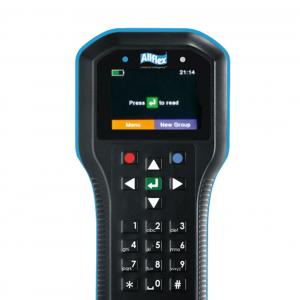
| Product Name | RFID Livestock Ear Tag Reader | ||||||||||||||||||||||||||||||||||
| Product Image | 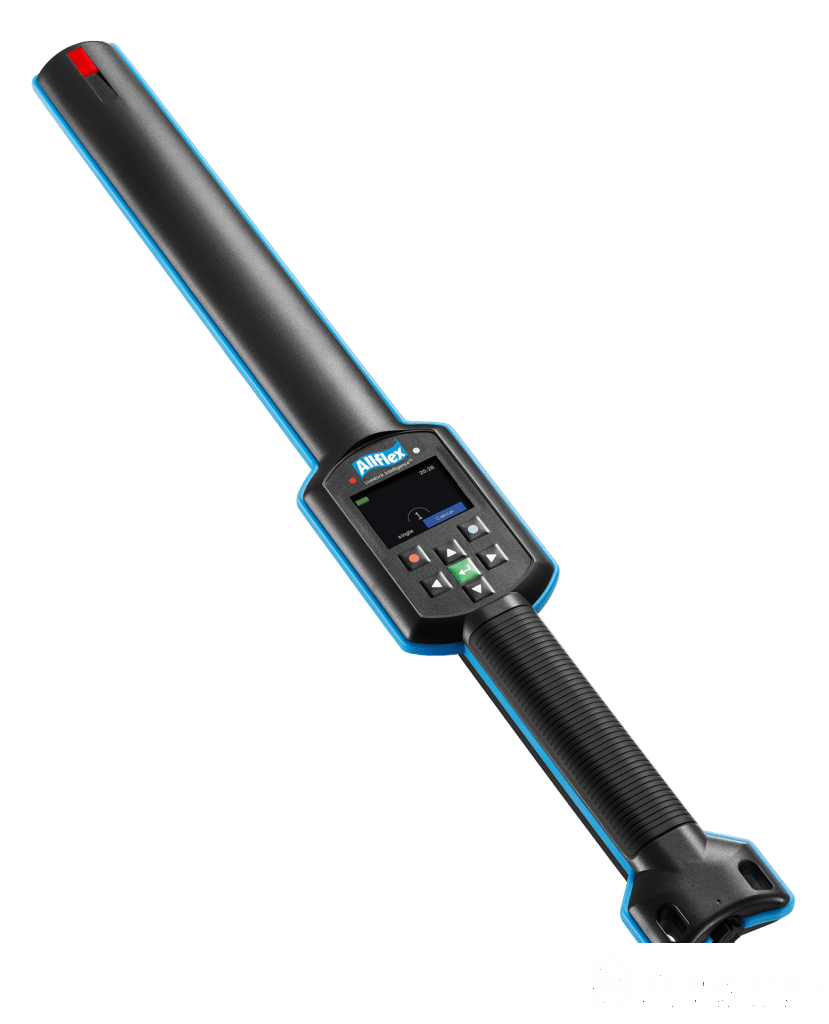 |
||||||||||||||||||||||||||||||||||
| Product Overview |
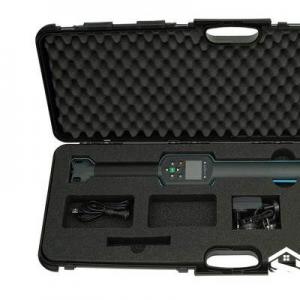
The RFID Livestock Ear Tag Reader / Cattle RFID Reader is a portable electronic identification device designed to read RFID ear tags used for individual animal identification, traceability and herd data management. It is suitable for cattle farms, breeding centers, livestock markets, veterinary operations and agricultural projects requiring fast and accurate electronic animal identification. The reader communicates with compatible low-frequency electronic identification tags, including commonly used FDX-B and HDX livestock transponders compliant with ISO 11784/11785. Depending on the selected configuration, scanned identification numbers can be displayed, stored locally and transferred to computers, mobile devices, weighing systems or herd-management software. Handheld and stick-reader configurations allow operators to identify cattle without manually recording long tag numbers. This improves processing efficiency during weighing, vaccination, breeding, health checks, sorting, movement recording and inventory management. |
||||||||||||||||||||||||||||||||||
| Key Features |
|
||||||||||||||||||||||||||||||||||
| Structural Components |
|
||||||||||||||||||||||||||||||||||
| Working Principle / Structural Principle |
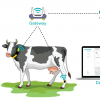
The reader generates a low-frequency electromagnetic field through its internal antenna. When a compatible electronic livestock tag enters the reading zone, the RFID transponder is activated and transmits its encoded animal identification number back to the reader. The reader decodes the RFID signal and displays the electronic identification number. Depending on configuration, the ID can also be stored with a date, time, animal event or other management information. Stored records can then be transferred through Bluetooth, USB, WLAN or another supported interface to compatible herd-management software, electronic scales, smartphones, tablets or computers. This reduces manual transcription and helps maintain consistent animal records throughout the production cycle. |
||||||||||||||||||||||||||||||||||
| Technical Specifications |
|
||||||||||||||||||||||||||||||||||
| Applications |
In commercial cattle facilities, RFID readers can be used alongside electronic ear tags, cattle scales, headlocks, handling chutes, sorting gates and herd-management software to create an integrated animal identification workflow. For steel structure livestock farm projects, electronic identification infrastructure can be planned together with cattle alleys, weighing stations, veterinary areas and automatic sorting systems. |
||||||||||||||||||||||||||||||||||
| Customization Options |
Reader configuration can be selected according to tag technology, herd size, cattle handling workflow, software platform and livestock project requirements. |
||||||||||||||||||||||||||||||||||
| Installation & Maintenance |
Initial Setup: Charge the reader fully and configure the required date, time, communication interface and data settings before field operation. Tag Compatibility: Confirm that the electronic livestock tags use a transponder technology supported by the selected reader. Reading Procedure: Position the reader antenna near the RFID ear tag and activate scanning. Maintain an appropriate distance until the reader confirms successful identification. Data Transfer: Transfer stored animal records to the farm computer, mobile device, scale or management system using the supported communication interface. Routine Cleaning: Remove dirt, manure and other contamination from the housing using suitable livestock-equipment cleaning procedures. Avoid aggressive chemicals that could damage the enclosure or display. Battery Maintenance: Recharge the battery according to manufacturer instructions and avoid prolonged storage in a completely discharged condition. Storage: Keep the reader clean and dry in a protective case when not in use. Protect the antenna, display and connectors from excessive impact. |
||||||||||||||||||||||||||||||||||
| Project Cases |
RFID livestock readers are widely applicable in commercial cattle farms where electronic identification is used to connect each animal with breeding, health, weighing, feeding and traceability information. Stick readers are particularly useful at cattle chutes, weighing stations and sorting areas because the extended reader body allows the operator to scan ear tags while maintaining convenient working distance from the animal. For large livestock projects, RFID readers can form part of a complete identification package including electronic ear tags, applicators, fixed antennas, electronic scales, automatic drafting gates and herd-management software. |
||||||||||||||||||||||||||||||||||
| Product FAQ |
Q1: What is an RFID livestock ear tag reader? Q2: Can the reader identify cattle without touching the ear tag? Q3: What types of electronic ear tags can it read? Q4: What frequency is commonly used for livestock RFID tags? Q5: Can scanned IDs be saved in the reader? Q6: Can the reader connect to a smartphone or computer? Q7: Can it connect to an electronic cattle scale? Q8: Can the reader be used for pigs, sheep and goats? Q9: Is a long stick reader better for cattle? Q10: Can complete electronic identification systems be supplied? |
||||||||||||||||||||||||||||||||||
| Product Gallery |
|
- Home
-
Products
- Pig Farming Equipment
- Cattle Farming Equipment
- Sheep & Goat Farming Equipment
- Poultry Farming Equipment
- Feeding & Drinking Systems
- Veterinary & Breeding Equipment
- Testing & Diagnostic Equipment
- Cleaning & Biosecurity Equipment
- Climate Control Equipment
- Livestock Weighing Equipment
- Manure & Waste Management
- Farm Transport & Handling
-
Solutions
- Pig Farm Solutions
- Dairy Farm Solutions
- Beef Cattle Farm Solutions
- Sheep & Goat Farm Solutions
- Layer Farm Solutions
- Broiler Farm Solutions
- Feeding & Drinking System Solutions
- Climate Control Solutions
- Biosecurity & Disinfection Solutions
- Manure & Waste Management
- Smart Farming Solutions
- Farm Renovation and Upgrade Solutions
- Partners
- Projects
- Resources
- News
- About Us
- Contact
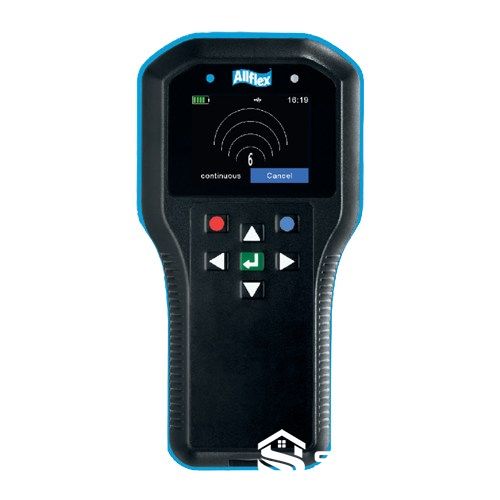
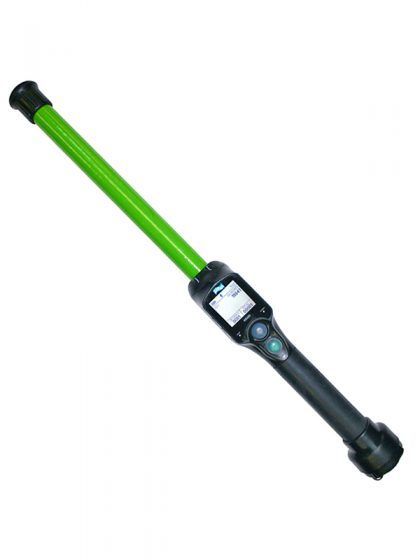
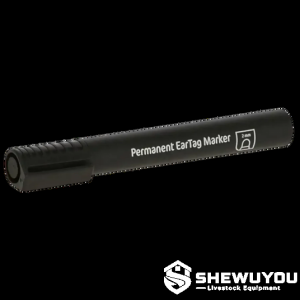
Comments & Inquiries
Leave your questions or requirements below. We will reply as soon as possible.