
| Product Showcase | Content | ||||||||||||||||||||||||||||
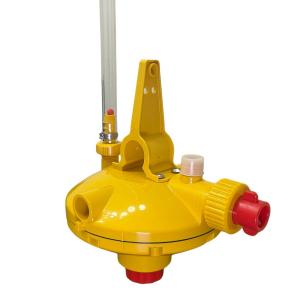
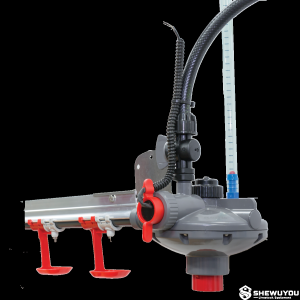
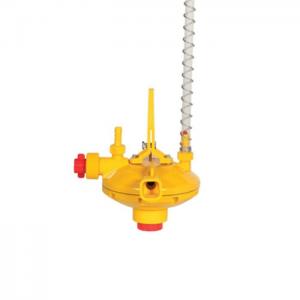
| Product Name | Manual Flushing Pressure Regulator | ||||||||||||||||||||||||||||
| Product Image | 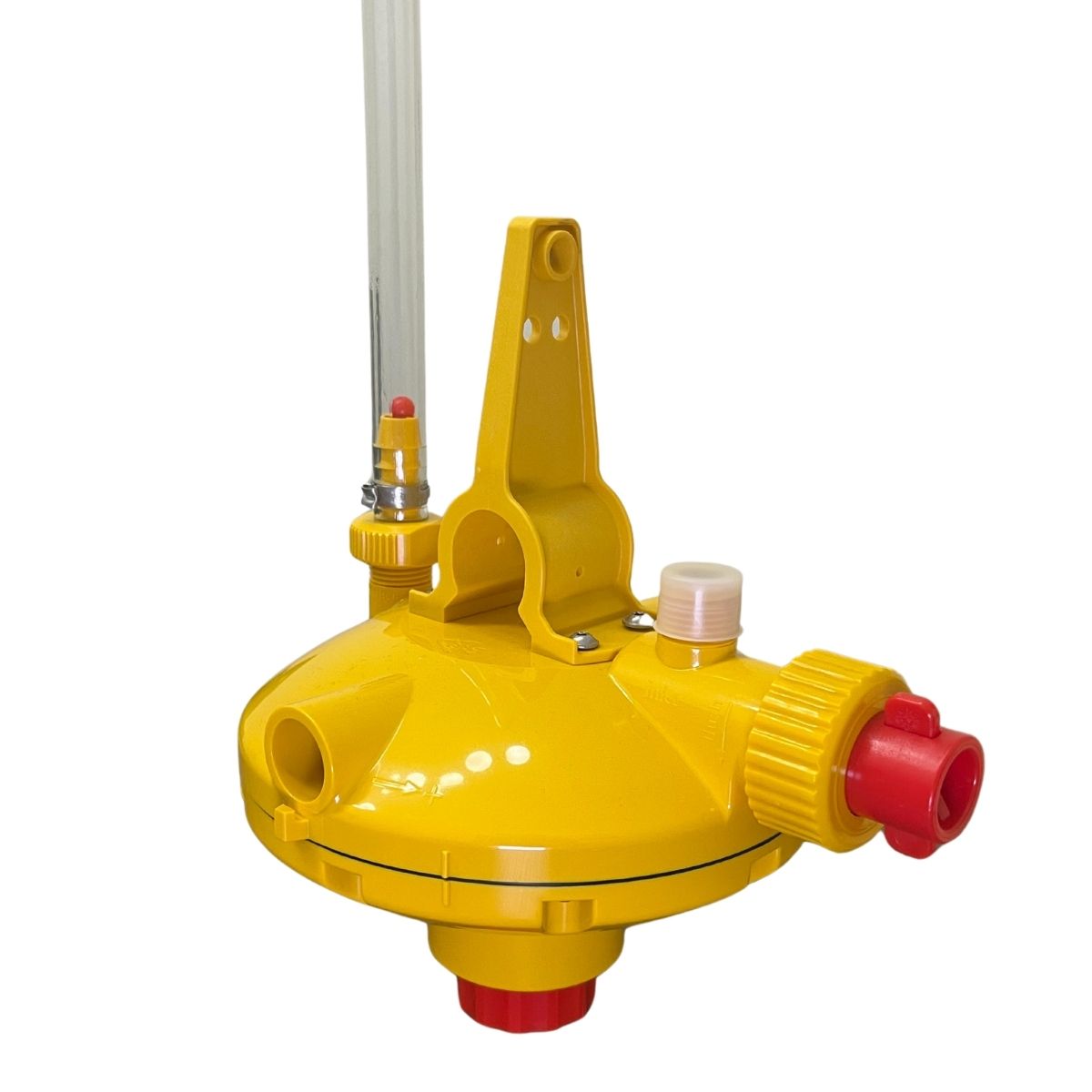 |
||||||||||||||||||||||||||||
| Product Overview |
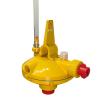
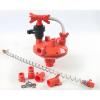
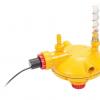
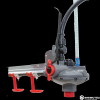
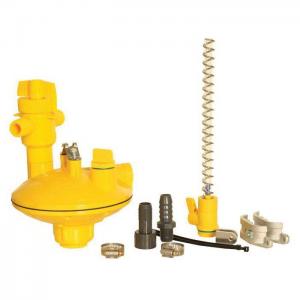
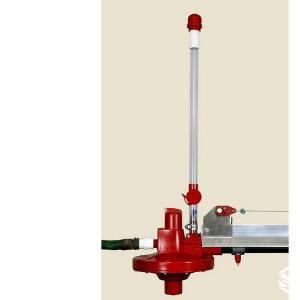
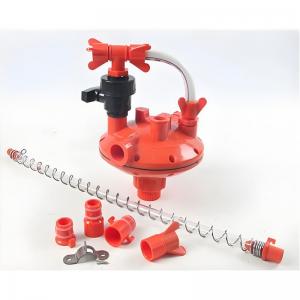
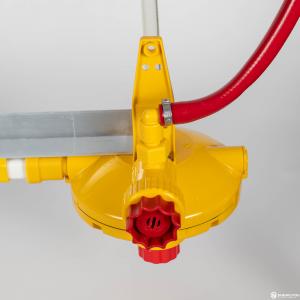
The Manual Flushing Pressure Regulator is designed for automatic poultry nipple drinking lines where stable low-pressure water delivery and convenient manual pipeline flushing are required. Installed at the inlet or designated control point of the drinking line, the regulator reduces incoming supply pressure and maintains the required water-column pressure for consistent nipple operation. The regulator combines stepless pressure adjustment with a manually operated flushing mechanism. During normal production, it maintains a controlled water column suitable for poultry nipple drinkers. When cleaning is required, the operator switches the regulator into flushing mode to allow a substantially higher water flow through the drinking pipe, helping remove sediment, suspended particles and residual material. The system is suitable for broiler houses, breeder farms, pullet rearing facilities and layer production projects. Adapters and mounting arrangements can be supplied according to drinking-line profile, pipe connection and farm layout requirements. |
||||||||||||||||||||||||||||
| Key Features |
|
||||||||||||||||||||||||||||
| Structural Components |
|
||||||||||||||||||||||||||||
| Working Principle / Structural Principle |
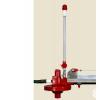
Water from the farm supply enters the regulator before flowing into the poultry nipple drinking line. The internal regulating assembly reduces the incoming pressure and maintains a controlled low-pressure water column downstream. The operator adjusts the regulator until the required water level is visible in the standpipe. This water-column setting determines the pressure available at the nipple valves and can be changed as birds grow or water demand increases. During normal operation, water passes through the regulator at controlled pressure. When manual flushing is required, the operator opens the dedicated flushing control. This increases flow through the drinking pipe so water can carry loose sediment and residues toward the line-end flushing outlet. After flushing, the control is returned to the normal operating position and the regulator resumes the previously selected low-pressure drinking function. |
||||||||||||||||||||||||||||
| Technical Specifications |
|
||||||||||||||||||||||||||||
| Applications |
The regulator is particularly useful where operators require direct manual control of drinking-line pressure and flushing without installing solenoids, control cables or an automatic flushing controller. For complete poultry projects, the regulator can be integrated with filters, water meters, medicators, nipple pipes, line-end flushing valves, suspension equipment and central farm water systems. |
||||||||||||||||||||||||||||
| Customization Options |
Final regulator configuration can be selected according to drinking-line length, nipple type, water demand, inlet pressure, house slope and project requirements. |
||||||||||||||||||||||||||||
| Installation & Maintenance |
Confirm Water Quality: Install suitable upstream filtration to reduce sand, scale and suspended material entering the regulator and nipple line. Flush Supply Pipes: Flush newly installed main water pipes before connecting the regulator to prevent construction debris from entering the mechanism. Correct Orientation: Mount the regulator according to the specified operating orientation and securely attach it to the drinking-line support profile. Connect the Standpipe: Install the transparent water-column tube vertically so the pressure level can be observed accurately. Set Initial Pressure: Adjust the regulator gradually until the required water-column level is reached for the flock and nipple configuration. Manual Flushing: Activate the flushing control when pipeline cleaning is required and ensure the line-end outlet is fully open before starting the flush cycle. Observe Flush Water: Continue flushing until discharged water is sufficiently clear according to the farm water-management program. Return to Drinking Mode: Close the flushing control and verify that the correct operating water column is restored. Routine Inspection: Check the housing, adjustment knob, flushing mechanism, seals, standpipe and adapters for leakage or wear. Between Flocks: Clean and sanitize the complete drinking system according to the farm biosecurity and water-hygiene program. |
||||||||||||||||||||||||||||
| Project Cases |
In a commercial broiler house, a manual flushing regulator can be installed at the head of each nipple line so farm personnel can adjust water pressure according to flock age and manually flush individual lines during routine management. For breeder and pullet houses, the same regulating principle can maintain appropriate low-pressure nipple operation while allowing high-flow flushing after medication, supplementation or scheduled sanitation procedures. For steel structure poultry projects, regulator locations, water-supply headers and line-end drains can be coordinated during equipment layout to provide convenient access for adjustment and flushing. |
||||||||||||||||||||||||||||
| Product FAQ |
Q1: What is a manual flushing pressure regulator? Q2: Why is pressure regulation important for nipple drinkers? Q3: Can the water pressure be adjusted? Q4: How is pressure checked? Q5: How does manual flushing work? Q6: Why should poultry drinking lines be flushed? Q7: Does manual flushing require electricity? Q8: Can the regulator fit different poultry drinking systems? Q9: Is automatic flushing also available? Q10: Can the regulator be customized? |
||||||||||||||||||||||||||||
| Product Gallery |
|
- Home
-
Products
- Pig Farming Equipment
- Cattle Farming Equipment
- Sheep & Goat Farming Equipment
- Poultry Farming Equipment
- Feeding & Drinking Systems
- Veterinary & Breeding Equipment
- Testing & Diagnostic Equipment
- Cleaning & Biosecurity Equipment
- Climate Control Equipment
- Livestock Weighing Equipment
- Manure & Waste Management
- Farm Transport & Handling
-
Solutions
- Pig Farm Solutions
- Dairy Farm Solutions
- Beef Cattle Farm Solutions
- Sheep & Goat Farm Solutions
- Layer Farm Solutions
- Broiler Farm Solutions
- Feeding & Drinking System Solutions
- Climate Control Solutions
- Biosecurity & Disinfection Solutions
- Manure & Waste Management
- Smart Farming Solutions
- Farm Renovation and Upgrade Solutions
- Partners
- Projects
- Resources
- News
- About Us
- Contact
Comments & Inquiries
Leave your questions or requirements below. We will reply as soon as possible.