
| Product Showcase | Content | ||||||||||||||||||||||||||||||
| Product Name | Poultry Drinking Water Pressure Regulator | ||||||||||||||||||||||||||||||
| Product Image | 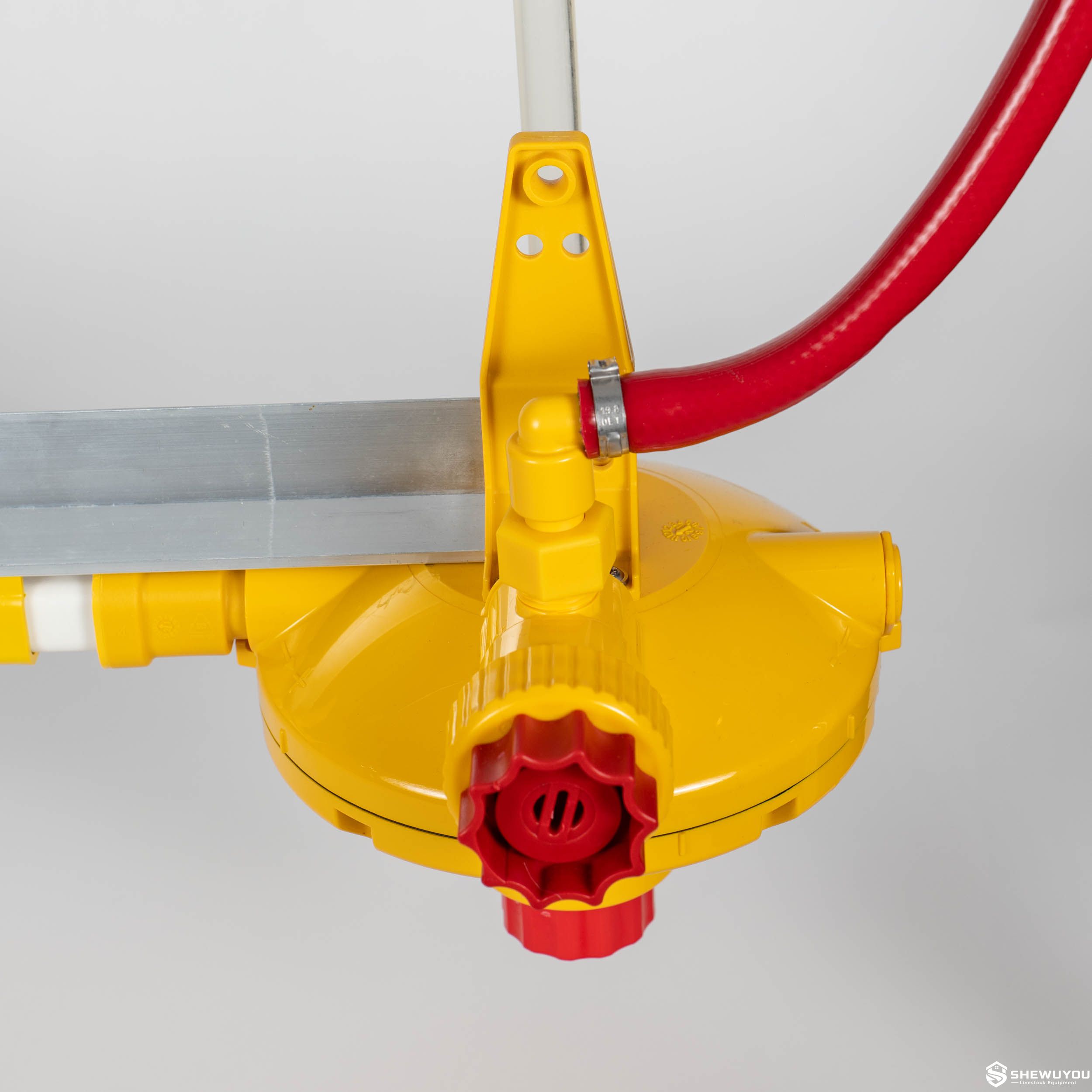 |
||||||||||||||||||||||||||||||
| Product Overview |
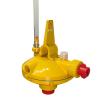
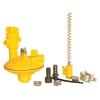
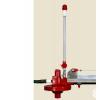
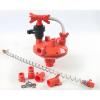
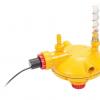
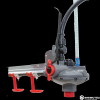
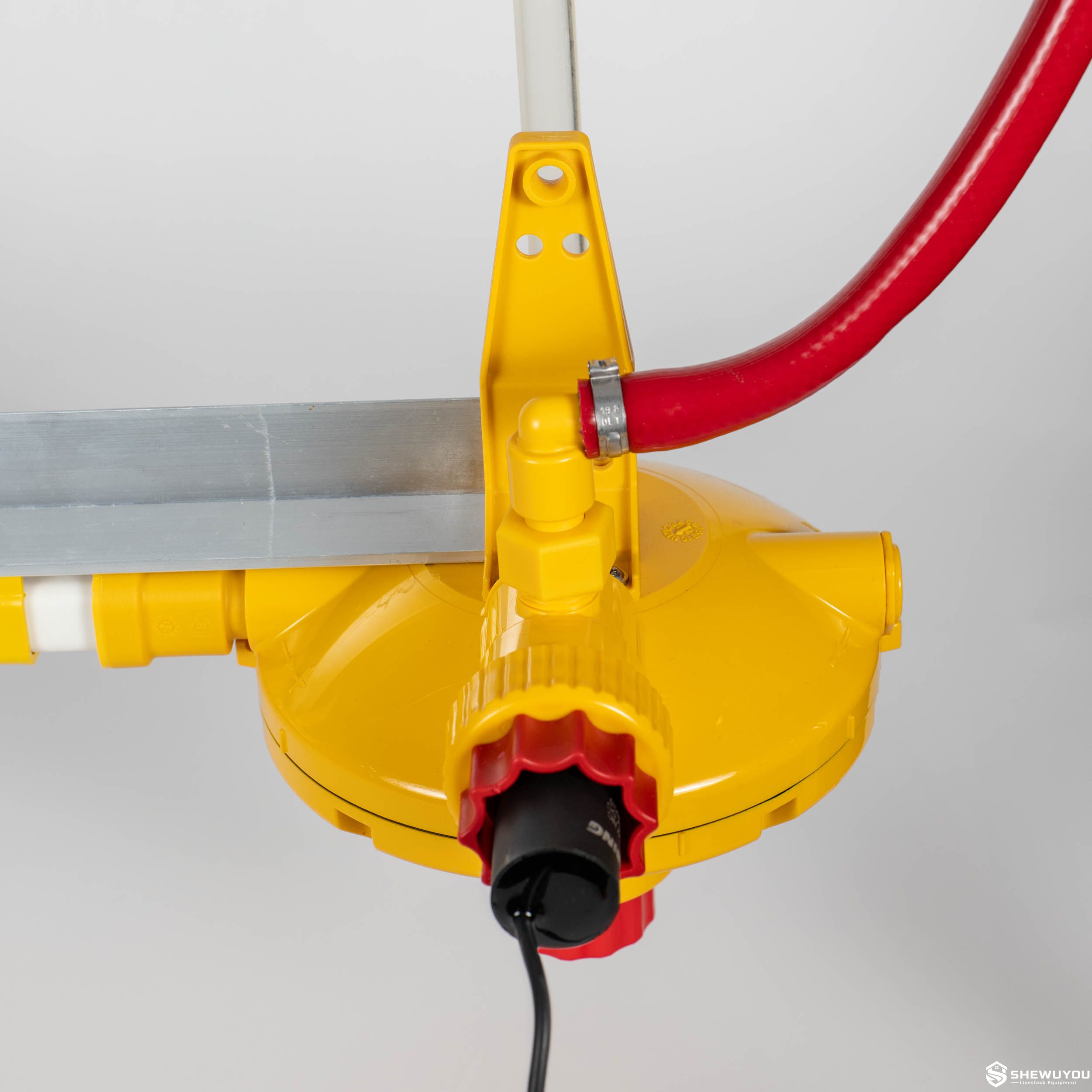
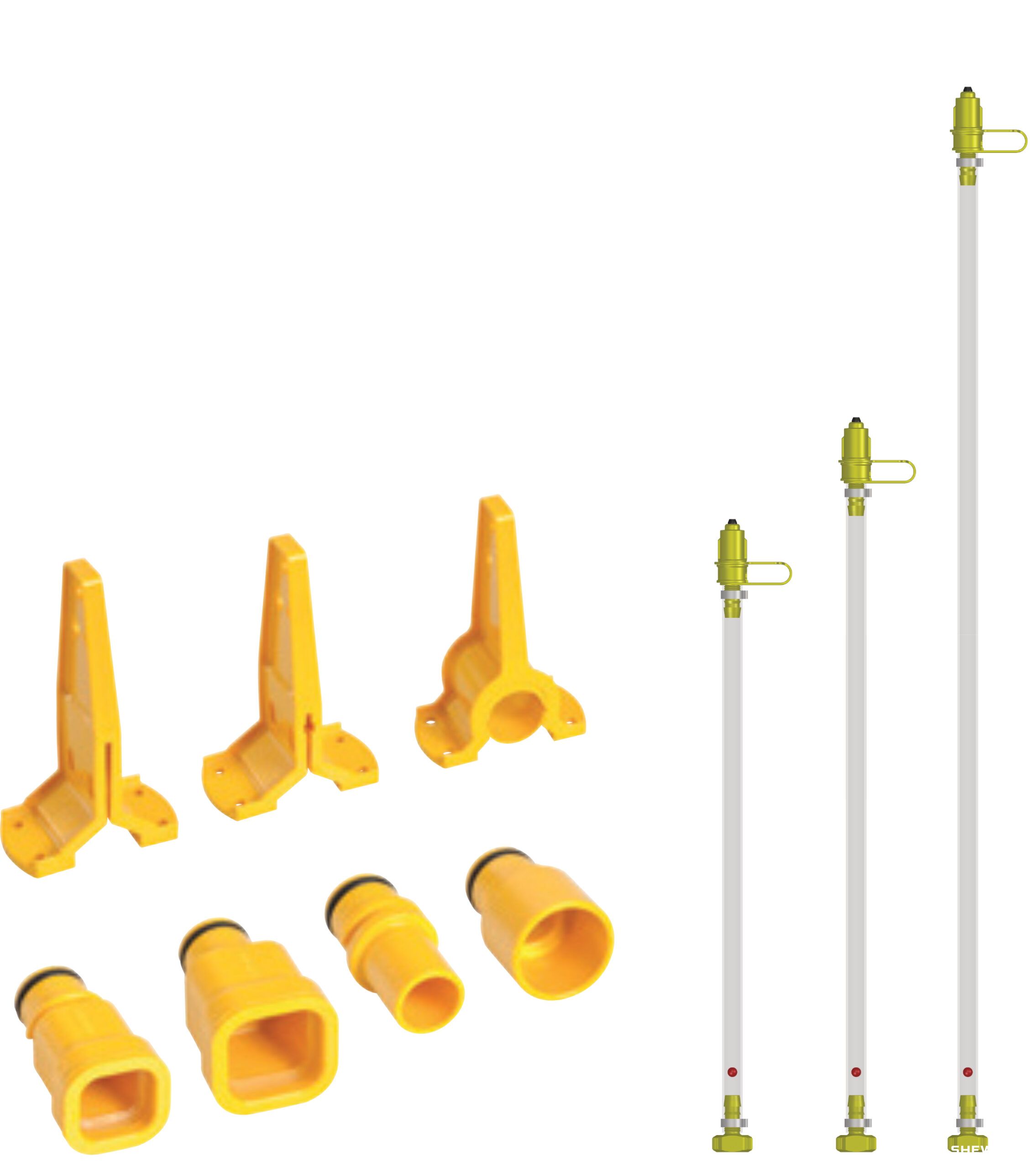
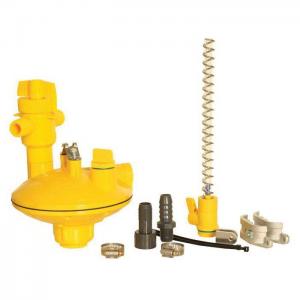
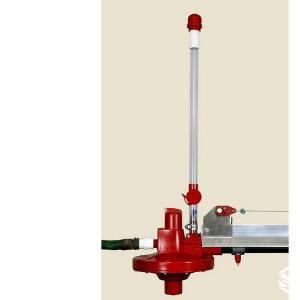
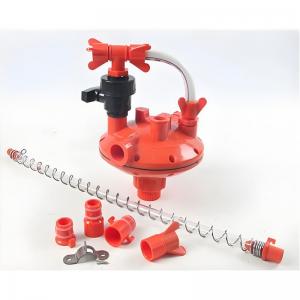
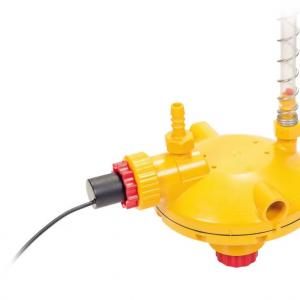
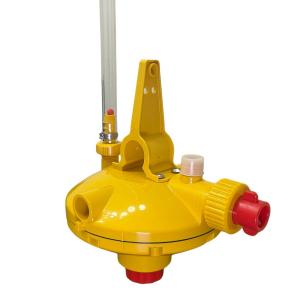
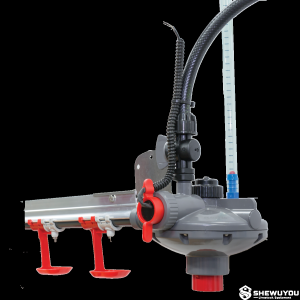
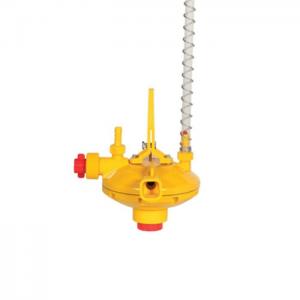
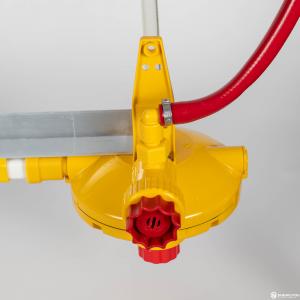
The Poultry Drinking Water Pressure Regulator is a low-pressure water-control component designed for automatic nipple drinking lines in broiler, breeder, layer, pullet and turkey production. It reduces and stabilizes water pressure inside the drinking line so nipple valves can deliver water consistently throughout the poultry house. The regulator uses adjustable water-column control to match drinking pressure to bird age, water demand and housing conditions. A clear standpipe or breather tube with a visible float indicator provides a practical reference for checking the pressure setting during daily farm management. Manual-flushing and automatic-flushing configurations are available. Standard units allow the operator to switch the regulator into flushing mode, while actuator-equipped versions can be connected to a compatible controller for scheduled automatic line flushing. The modular construction is suitable for new steel structure poultry houses as well as renovation of existing livestock drinking systems. Adapters can be selected for different square pipes, round pipes, hoses and drinking-line configurations. |
||||||||||||||||||||||||||||||
| Key Features |
|
||||||||||||||||||||||||||||||
| Structural Components |
|
||||||||||||||||||||||||||||||
| Working Principle / Structural Principle |
Water from the main poultry-house supply enters the regulator before flowing into the nipple drinking line. The regulating mechanism reduces the higher incoming pressure to the low water-column pressure required by poultry nipple valves. The operator adjusts the required water column using the regulator control. A transparent standpipe or breather tube provides a visible indication of the pressure inside the drinking line, allowing quick adjustment according to flock age and water consumption. During normal operation, the regulator maintains the selected pressure while birds consume water at different rates throughout the day. Correct regulation helps provide sufficient water without creating excessive nipple leakage. During flushing, the regulator is switched to flushing mode so a higher flow can move rapidly through the nipple pipe. In an automatic configuration, an actuator opens the integrated flush valve after receiving a command from the control system. |
||||||||||||||||||||||||||||||
| Technical Specifications |
|
||||||||||||||||||||||||||||||
| Applications |
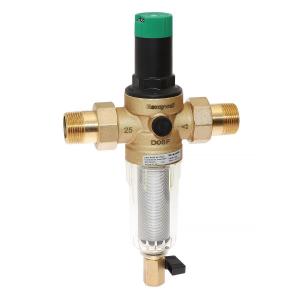
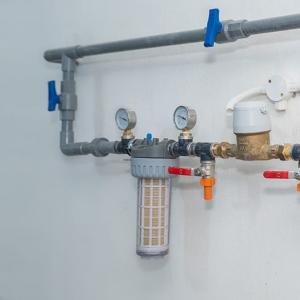
The regulator is particularly important in commercial nipple drinking systems where incoming farm water pressure is much higher than the low operating pressure required at the drinking nipple. For complete poultry projects, it can be integrated with the main water supply, filters, water meters, medicators, nipple pipes, slope regulators, flush breather units and automatic farm-control equipment. |
||||||||||||||||||||||||||||||
| Customization Options |
The final configuration can be selected according to poultry species, drinking-line length, pipe dimensions, house slope, water demand, incoming pressure and project requirements. |
||||||||||||||||||||||||||||||
| Installation & Maintenance |
Confirm Compatibility: Verify the drinking-pipe size, adapter type, inlet arrangement and pressure requirements before installation. Flush the Main Supply: Remove installation debris and sediment from the main water pipe before connecting the regulator. Correct Mounting: Install the pressure regulator securely and in the specified orientation so the adjustment and flushing mechanisms remain accessible. Install the Standpipe: Keep the clear breather tube correctly positioned so the water-column level can be read easily during operation. Initial Adjustment: Set the water column according to bird age, nipple characteristics and farm water-management guidelines. Monitor Litter Conditions: If excessive nipple leakage or wet litter occurs, inspect nipple height, line pressure and drinking-system condition rather than increasing or reducing pressure without checking the complete system. Routine Flushing: Use the integrated flushing function according to the farm's drinking-water sanitation program. Inspect Connections: Periodically check adapters, union fittings, hoses and shut-off valves for leakage or loosening. Actuator Maintenance: For automatic-flushing versions, inspect wiring, actuator operation and controller communication during scheduled service. Winter Protection: Protect the regulator and exposed water components from freezing where poultry-house service areas are subject to low temperatures. |
||||||||||||||||||||||||||||||
| Project Cases |
In a commercial broiler house, one pressure-control unit can be installed at each drinking-line supply point to provide stable low-pressure water from chick placement through final grow-out. For automated poultry houses, actuator-equipped regulators can be connected to a centralized flushing controller so water lines can be flushed according to scheduled programs without manually operating every regulator. For steel structure poultry projects with different nipple-pipe dimensions, suitable transition adapters can be selected during system engineering to simplify installation and future maintenance. |
||||||||||||||||||||||||||||||
| Product FAQ |
Q1: Why is a pressure regulator required on a poultry nipple line? Q2: Can the water pressure be adjusted? Q3: How can operators check the pressure? Q4: Does the regulator have a flushing function? Q5: Can automatic flushing be added later? Q6: Which drinking pipes can be connected? Q7: Are different standpipe lengths available? Q8: Can the regulator be used for broilers and layers? Q9: Can it help reduce wet litter? Q10: Can the regulator configuration be customized? |
||||||||||||||||||||||||||||||
| Product Gallery |
|
- Home
-
Products
- Pig Farming Equipment
- Cattle Farming Equipment
- Sheep & Goat Farming Equipment
- Poultry Farming Equipment
- Feeding & Drinking Systems
- Veterinary & Breeding Equipment
- Testing & Diagnostic Equipment
- Cleaning & Biosecurity Equipment
- Climate Control Equipment
- Livestock Weighing Equipment
- Manure & Waste Management
- Farm Transport & Handling
-
Solutions
- Pig Farm Solutions
- Dairy Farm Solutions
- Beef Cattle Farm Solutions
- Sheep & Goat Farm Solutions
- Layer Farm Solutions
- Broiler Farm Solutions
- Feeding & Drinking System Solutions
- Climate Control Solutions
- Biosecurity & Disinfection Solutions
- Manure & Waste Management
- Smart Farming Solutions
- Farm Renovation and Upgrade Solutions
- Partners
- Projects
- Resources
- News
- About Us
- Contact
Comments & Inquiries
Leave your questions or requirements below. We will reply as soon as possible.