
| Product Showcase | Content | ||||||||||||||||||||||||||||||
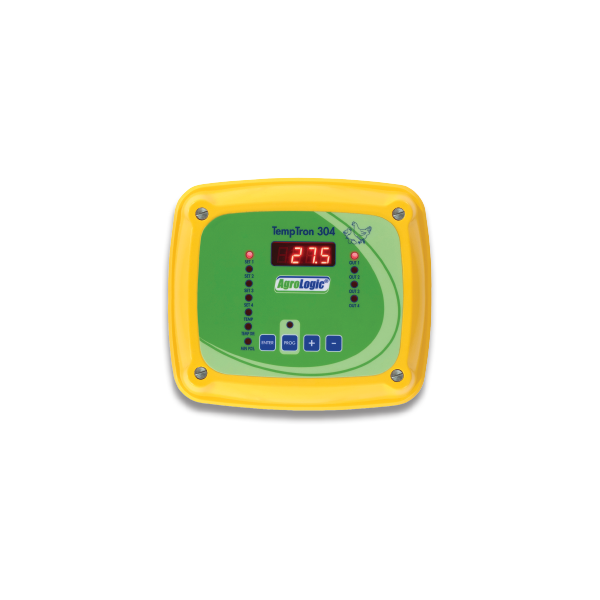
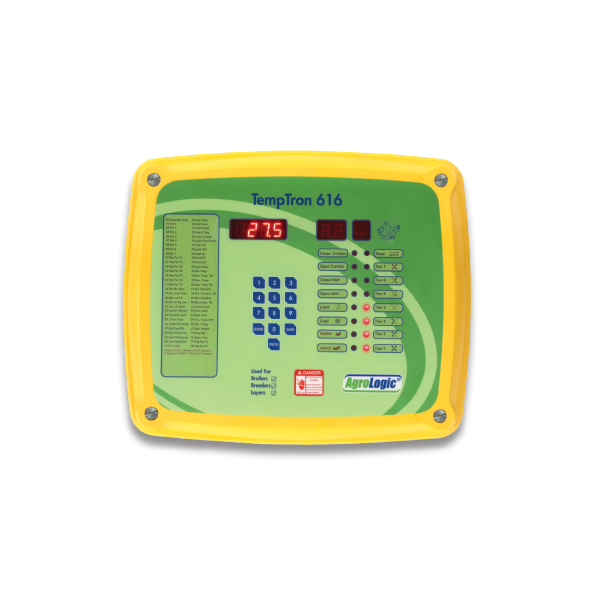
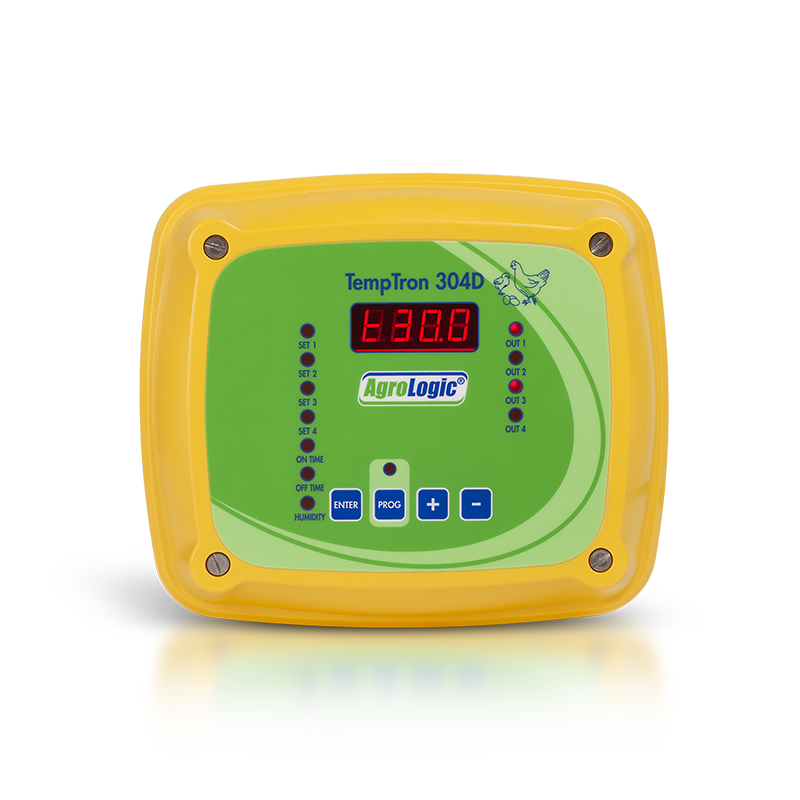
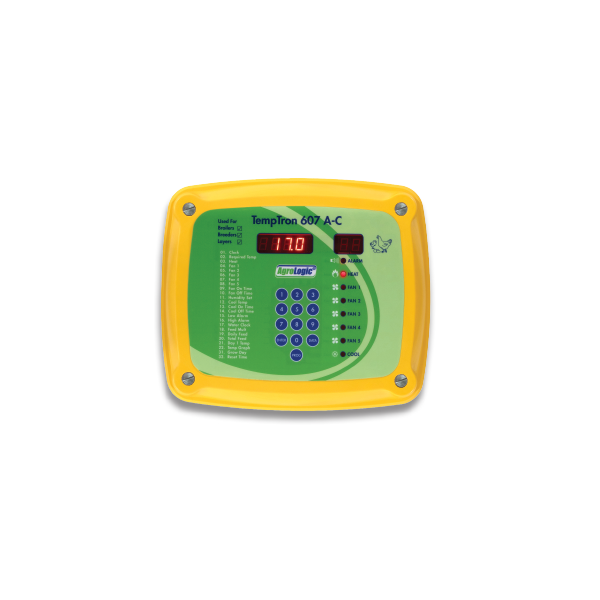
| Product Name | 10-Stage Poultry House Temperature and Humidity Controller | ||||||||||||||||||||||||||||||
| Product Image | 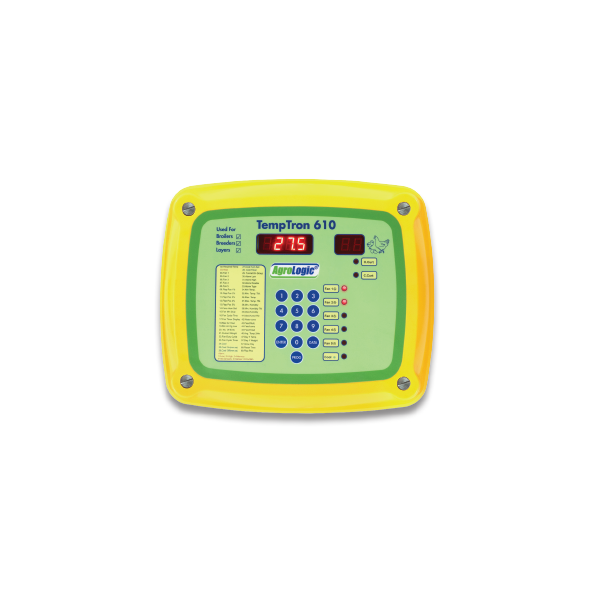 |
||||||||||||||||||||||||||||||
| Product Overview | The 10-Stage Poultry House Temperature and Humidity Controller is designed for centralized environmental management in commercial broiler, breeder and layer houses. It coordinates ventilation stages with heating, evaporative cooling, air inlets or tunnel curtains and alarm functions to maintain a stable poultry-house climate throughout the production cycle. The controller is particularly suitable for tunnel-ventilated livestock buildings and steel structure poultry houses where multiple fan groups must operate progressively according to indoor temperature, humidity and programmed flock requirements. Automatic environmental control helps simplify daily operation while providing more consistent ventilation management across changing weather and bird-growth conditions. |
||||||||||||||||||||||||||||||
| Key Features |
|
||||||||||||||||||||||||||||||
| Structural Components |
|
||||||||||||||||||||||||||||||
| Working Principle / Structural Principle | Environmental sensors continuously provide temperature and, when configured, humidity or static-pressure information to the controller. The controller compares these measurements with programmed target values and activates the required ventilation, heating or cooling stages. During minimum ventilation, selected fans can operate according to programmed ventilation cycles. As indoor temperature rises, additional fan stages are activated progressively. In tunnel ventilation applications, air inlets or cooling curtains can operate together with the required fan groups. Cooling equipment can be enabled when temperature conditions require additional heat removal, while humidity-related logic may restrict cooling when excessive moisture is detected. Temperature targets and ventilation requirements can also be adjusted according to flock age or programmed production curves, reducing the need for frequent manual adjustment. |
||||||||||||||||||||||||||||||
| Technical Specifications |
|
||||||||||||||||||||||||||||||
| Applications |
|
||||||||||||||||||||||||||||||
| Customization Options | Controller configuration can be adapted to the poultry-house ventilation design and local project requirements. Available options may include sensor configuration, fan-stage assignment, heater control, cooling control, inlet or curtain control, alarm integration, variable-speed ventilation interfaces and remote communication. Electrical configuration, control logic and external equipment interfaces can be designed according to local climate, poultry type, house dimensions, ventilation capacity and farm operating requirements. Final input/output allocation should be confirmed before production or system integration. |
||||||||||||||||||||||||||||||
| Installation & Maintenance | The controller should be installed in a dry, accessible equipment area or electrical control room where farm personnel can conveniently monitor and program the system. Installation should provide proper electrical grounding and separation between sensor wiring and high-voltage motor cables whenever possible. Temperature and humidity sensors should be positioned where they represent the poultry occupied zone and should not be exposed directly to heaters, cooling-pad discharge, direct sunlight or concentrated fan airflow. Relay outputs should operate suitably rated contactors when connected loads exceed the controller relay capacity. Routine maintenance includes checking sensor accuracy, cable terminals, relay operation, alarm functions and ventilation equipment feedback. The controller enclosure should remain closed during normal operation and electrical work should be performed by qualified personnel. |
||||||||||||||||||||||||||||||
| Project Cases | Typical project configurations include tunnel-ventilated broiler houses equipped with multiple exhaust fan groups, cooling pads, motorized tunnel curtains, minimum-ventilation inlets and heating equipment. The controller can serve as the central environmental-control unit, progressively activating ventilation stages and coordinating associated climate equipment. For breeder and layer projects, the controller can also be configured around the required ventilation strategy, climate sensors and external control panels. Project-specific programming and I/O allocation are available according to house layout and livestock equipment specifications. |
||||||||||||||||||||||||||||||
| Product FAQ | Q: Is this controller suitable for tunnel-ventilated poultry houses? A: Yes. The 10-stage control concept is particularly suitable for poultry houses where ventilation increases progressively from minimum ventilation to high-capacity or tunnel ventilation. Q: Can the controller manage humidity as well as temperature? A: Yes. A compatible humidity sensor can be integrated, allowing humidity-related ventilation or cooling functions according to the selected control program. Q: What equipment can the controller operate? A: Typical controlled equipment includes exhaust fans, heaters, cooling systems, air inlets, tunnel curtains and alarm devices. Final output allocation depends on the project configuration. Q: Can it work with variable-speed fans? A: Variable-speed ventilation can be supported when the required regulator or analog-control equipment is included in the system design. Q: Can the system be customized for different poultry houses? A: Yes. Control programs, sensor combinations and output functions can be customized according to project requirements, local climate and farm operating conditions. Q: Is remote monitoring available? A: Remote management is available upon request when compatible communication hardware and farm-management software are included in the project. |
||||||||||||||||||||||||||||||
| Product Gallery |  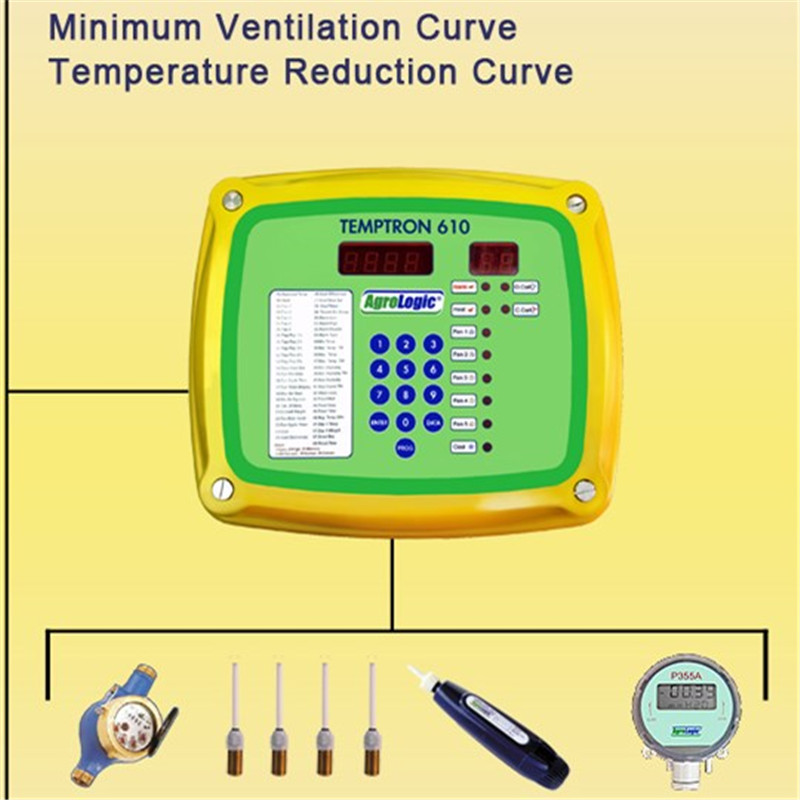  |
- Home
-
Products
- Pig Farming Equipment
- Cattle Farming Equipment
- Sheep & Goat Farming Equipment
- Poultry Farming Equipment
- Feeding & Drinking Systems
- Veterinary & Breeding Equipment
- Testing & Diagnostic Equipment
- Cleaning & Biosecurity Equipment
- Climate Control Equipment
- Livestock Weighing Equipment
- Manure & Waste Management
- Farm Transport & Handling
-
Solutions
- Pig Farm Solutions
- Dairy Farm Solutions
- Beef Cattle Farm Solutions
- Sheep & Goat Farm Solutions
- Layer Farm Solutions
- Broiler Farm Solutions
- Feeding & Drinking System Solutions
- Climate Control Solutions
- Biosecurity & Disinfection Solutions
- Manure & Waste Management
- Smart Farming Solutions
- Farm Renovation and Upgrade Solutions
- Partners
- Projects
- Resources
- News
- About Us
- Contact

Comments & Inquiries
Leave your questions or requirements below. We will reply as soon as possible.