
| Product Showcase | Content | ||||||||||||||||||||||||||
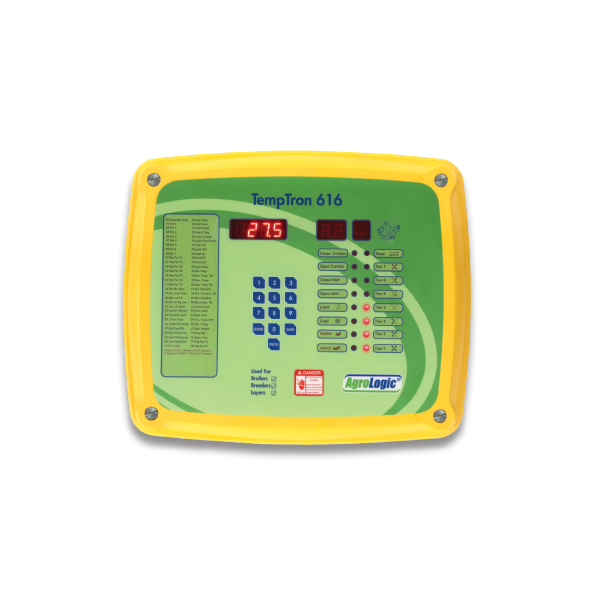
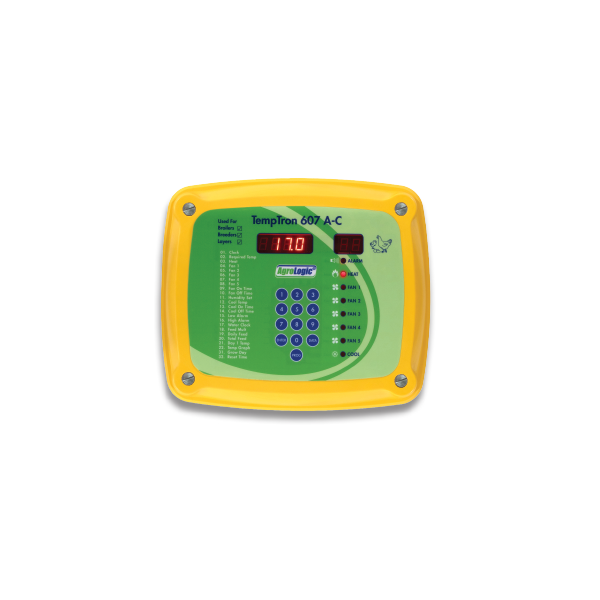
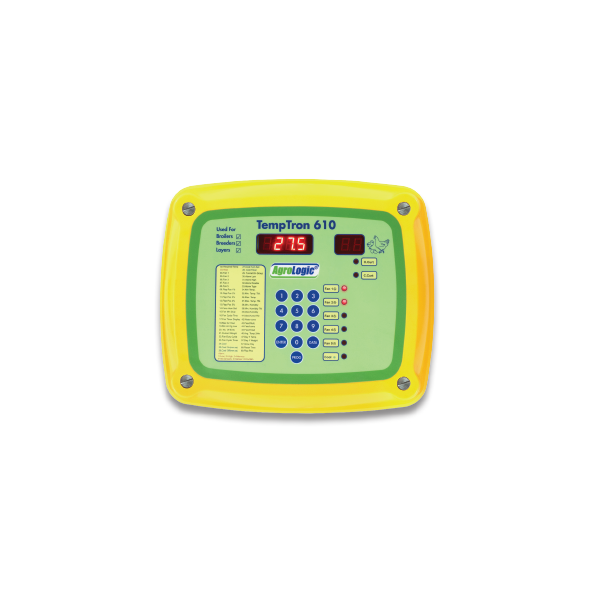
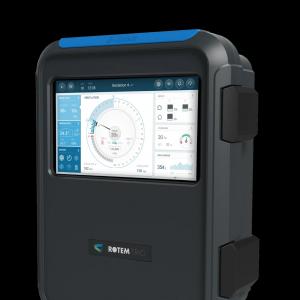
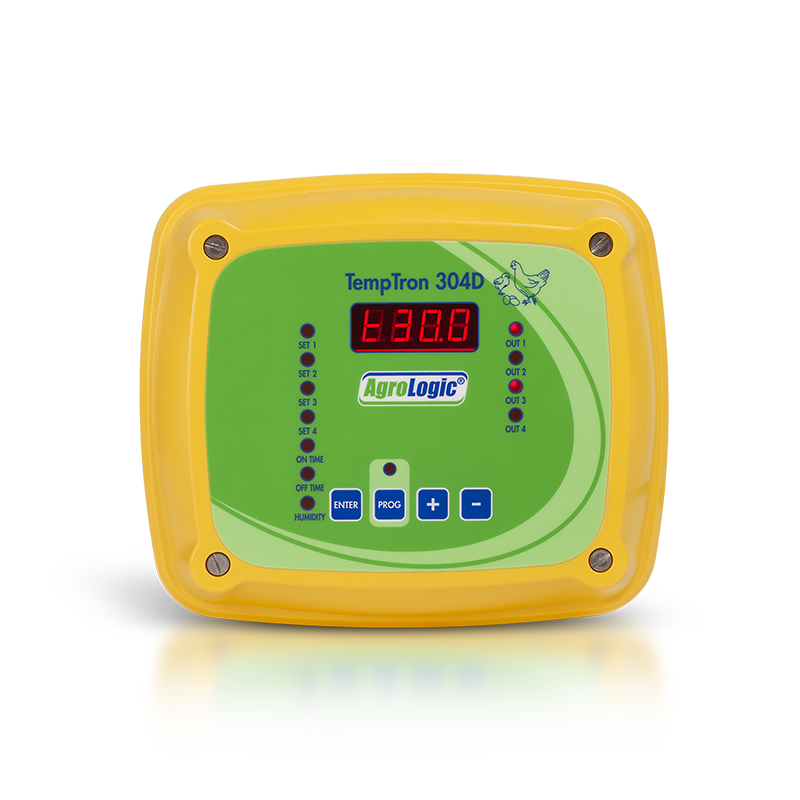
| Product Name | Pig House Temperature Humidity and Ventilation Controller | ||||||||||||||||||||||||||
| Product Image | 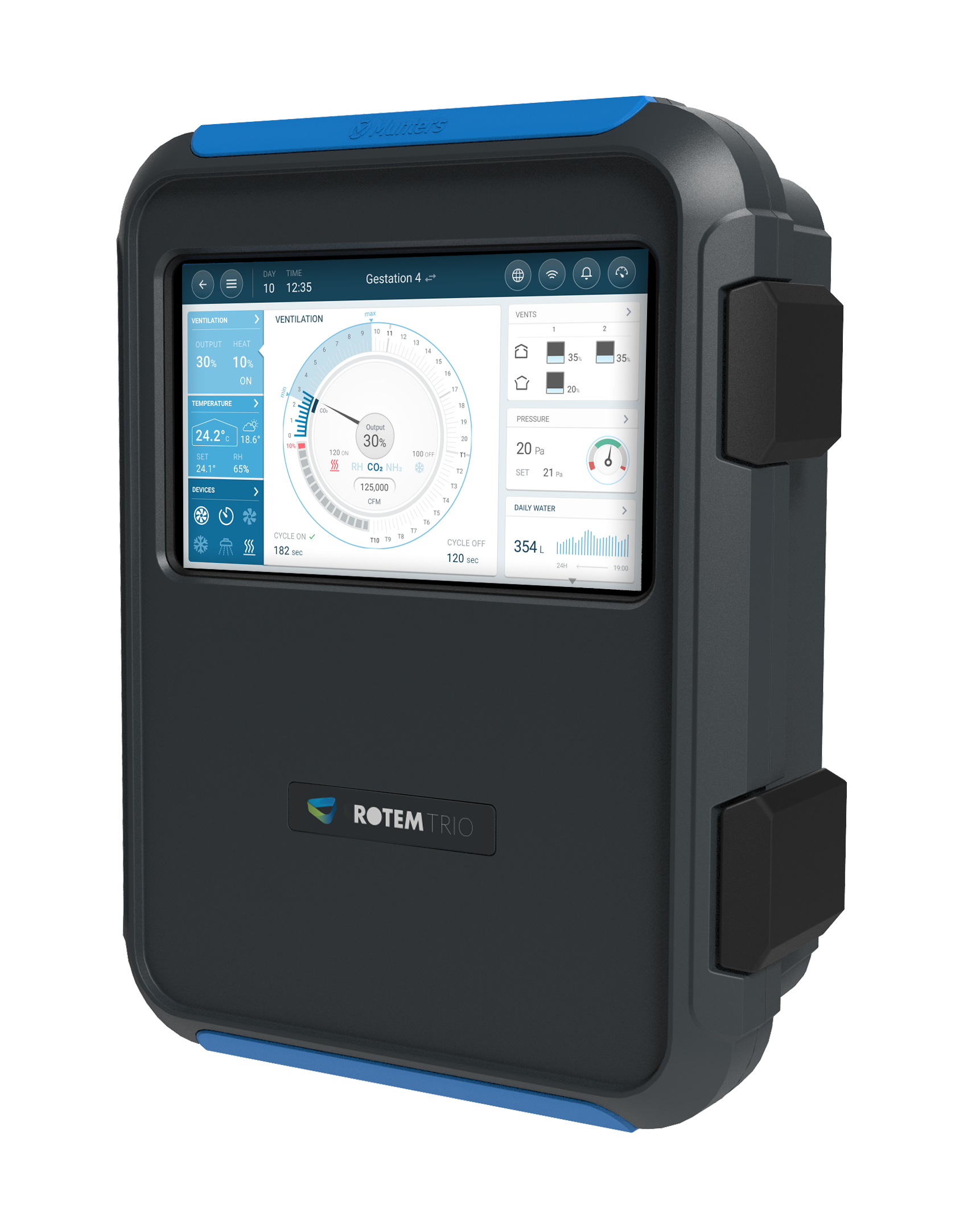 |
||||||||||||||||||||||||||
| Product Overview | The Pig House Temperature Humidity and Ventilation Controller is designed for integrated climate management in modern commercial swine facilities. It receives environmental data from compatible sensors and automatically coordinates ventilation fans, air inlets, heating equipment, cooling systems and other livestock house devices according to programmed control strategies. By combining temperature, relative humidity and ventilation management in one control platform, the system helps maintain stable conditions for different pig production stages, including farrowing, nursery, grower-finisher, gestation and breeding areas. The controller is suitable for new pig farm construction, steel structure livestock buildings and renovation projects where precise environmental control, flexible equipment integration and convenient farm management are required. Advanced configurations can also incorporate additional environmental inputs such as CO2, ammonia and static pressure according to project requirements. :chatgpt-content-reference{index="0"} |
||||||||||||||||||||||||||
| Key Features |
|
||||||||||||||||||||||||||
| Structural Components |
|
||||||||||||||||||||||||||
| Working Principle | Sensors continuously measure environmental conditions inside the pig house. The controller compares these readings with programmed target values and ventilation curves corresponding to animal age, production stage and room conditions. When additional fresh air is required, the controller can increase ventilation capacity by activating fan groups, adjusting variable-speed fans or changing air inlet positions. If indoor temperature falls below the programmed target, heating equipment can be activated while ventilation continues at the required minimum level for moisture and gas removal. Under hot-weather conditions, ventilation capacity can be progressively increased and compatible evaporative cooling or sprinkler systems can be activated. Humidity information can be incorporated into the control strategy so that ventilation and cooling operate more appropriately under changing environmental conditions. Where additional sensors are installed, CO2, ammonia and static pressure values can also contribute to climate-control decisions, enabling a more comprehensive approach to pig house air quality management. :chatgpt-content-reference{index="3"} |
||||||||||||||||||||||||||
| Technical Specifications |
|
||||||||||||||||||||||||||
| Applications |
|
||||||||||||||||||||||||||
| Customization Options |
|
||||||||||||||||||||||||||
| Installation & Maintenance | The controller should be installed indoors in an accessible service area protected from direct water exposure, excessive dust accumulation and accidental mechanical damage. Adequate working clearance should be provided around the control unit for wiring, inspection and maintenance. Temperature and humidity sensors should be installed at representative locations within the animal zone and away from direct heater radiation, cooling-pad discharge, open doors or other localized environmental influences. Where several production rooms are controlled, sensor placement should reflect the ventilation design and livestock distribution. High-current motors, heaters and pumps should be connected through correctly rated contactors, motor protection devices or compatible variable-speed control equipment. Signal cables should be routed separately from high-voltage power cables where practical. Routine maintenance includes cleaning sensors, checking cable and terminal connections, inspecting control relays and contactors, verifying environmental readings and confirming correct fan, inlet, heating and cooling operation. Ventilation curves and climate settings should be reviewed when animal age, stocking density or seasonal conditions change. :chatgpt-content-reference{index="6"} |
||||||||||||||||||||||||||
| Project Cases | A typical commercial pig house climate-control project can combine temperature and humidity sensors with minimum-ventilation fans, variable-speed exhaust fans, motorized air inlets, heaters and evaporative cooling equipment. The controller coordinates these devices to maintain suitable environmental conditions as outdoor weather and animal requirements change. For larger pig production sites, the control concept can be expanded to multiple rooms and different production stages. Farrowing, nursery, gestation and finishing areas may use different temperature curves, ventilation capacities and heating or cooling strategies while remaining part of a coordinated farm environmental management system. Complete project configurations should be determined according to pig house dimensions, stocking density, required airflow, local summer and winter design temperatures, ventilation system type and installed livestock equipment. :chatgpt-content-reference{index="7"} |
||||||||||||||||||||||||||
| Product FAQ | Q: Can this controller manage both temperature and humidity? A: Yes. Compatible temperature and humidity sensors can provide environmental data for ventilation, heating and cooling control. Q: Can it control minimum and high-capacity ventilation? A: Yes. The control system can be configured for minimum ventilation and progressively higher ventilation capacity using staged or variable-speed equipment according to project requirements. Q: Can CO2 and ammonia sensors be added? A: Compatible CO2 and ammonia monitoring can be incorporated into advanced configurations where required. Q: Can it control heating equipment? A: Yes. Heating zones and compatible heating equipment can be integrated through appropriate relays, contactors or control interfaces. Q: Can the system operate cooling pads? A: Yes. Evaporative cooling pads, water pumps and other cooling devices can be incorporated according to the ventilation and electrical design. Q: Is it suitable for different pig production stages? A: Yes. Climate strategies can be configured for farrowing, nursery, grower-finisher, gestation and other production areas. Q: Can the controller be monitored remotely? A: Remote network monitoring can be provided with compatible communication and management functions according to the selected configuration. :chatgpt-content-reference{index="8"} |
||||||||||||||||||||||||||
| Product Gallery | 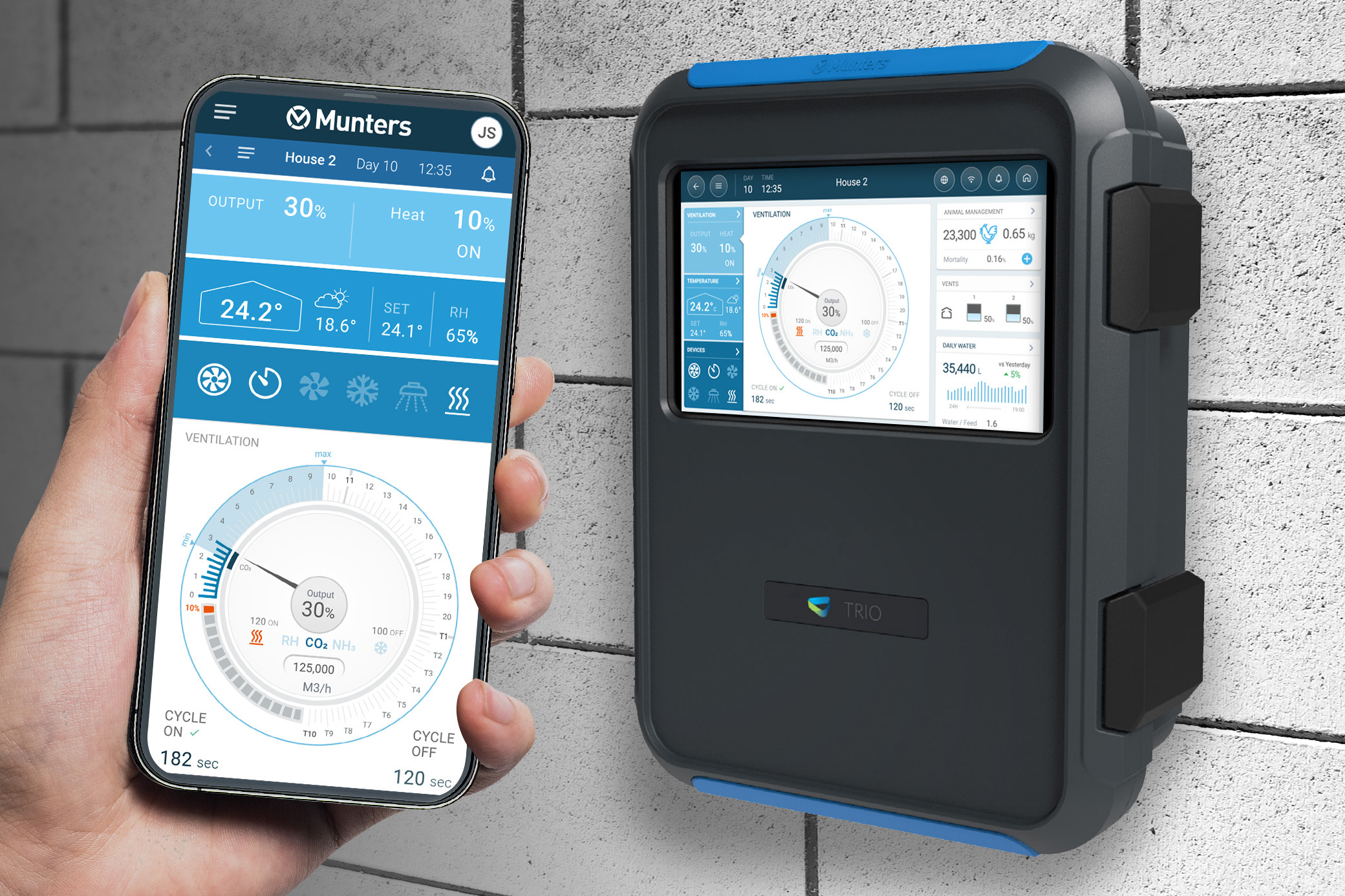 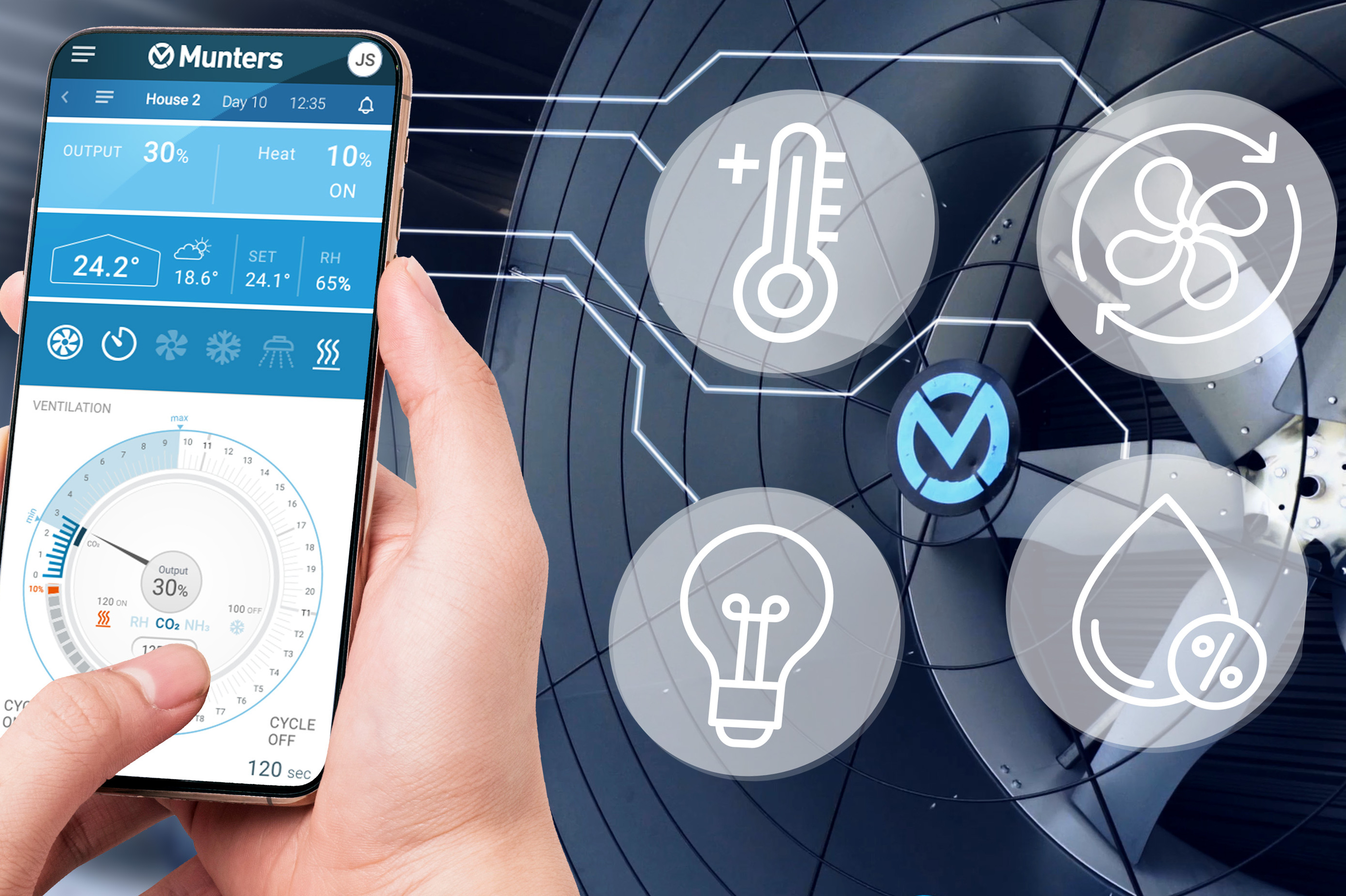 |
- Home
-
Products
- Pig Farming Equipment
- Cattle Farming Equipment
- Sheep & Goat Farming Equipment
- Poultry Farming Equipment
- Feeding & Drinking Systems
- Veterinary & Breeding Equipment
- Testing & Diagnostic Equipment
- Cleaning & Biosecurity Equipment
- Climate Control Equipment
- Livestock Weighing Equipment
- Manure & Waste Management
- Farm Transport & Handling
-
Solutions
- Pig Farm Solutions
- Dairy Farm Solutions
- Beef Cattle Farm Solutions
- Sheep & Goat Farm Solutions
- Layer Farm Solutions
- Broiler Farm Solutions
- Feeding & Drinking System Solutions
- Climate Control Solutions
- Biosecurity & Disinfection Solutions
- Manure & Waste Management
- Smart Farming Solutions
- Farm Renovation and Upgrade Solutions
- Partners
- Projects
- Resources
- News
- About Us
- Contact
Comments & Inquiries
Leave your questions or requirements below. We will reply as soon as possible.