
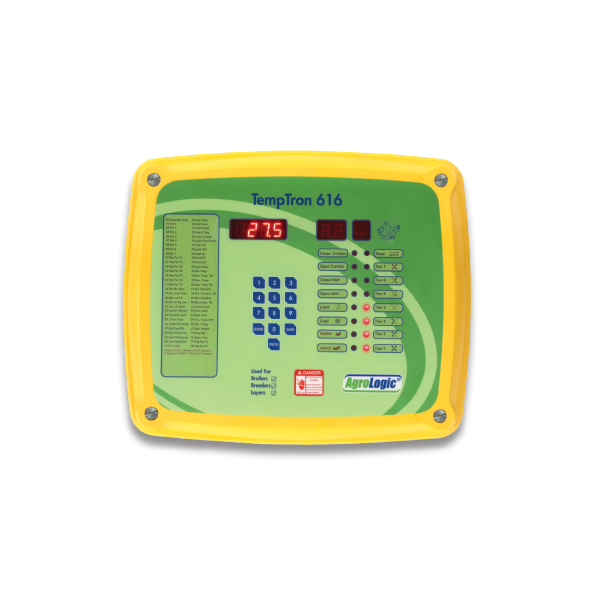
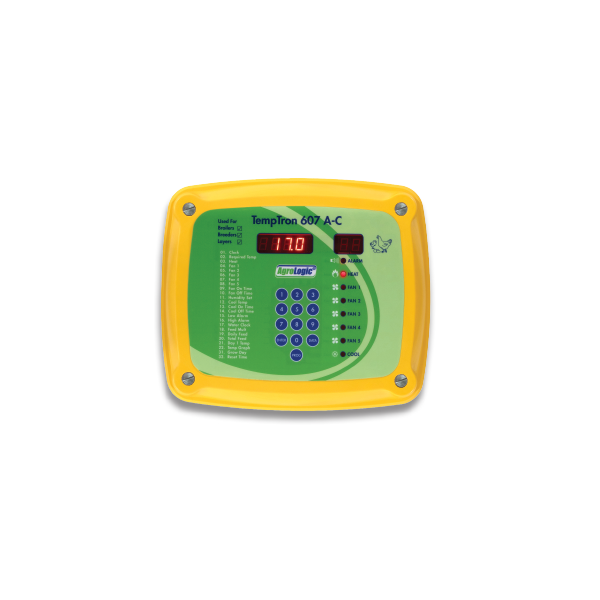
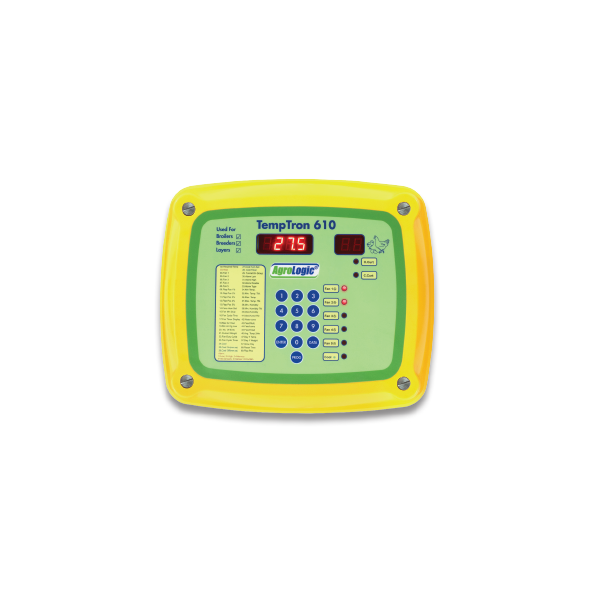
| Product Showcase | Content | ||||||||||||||||||||||
|---|---|---|---|---|---|---|---|---|---|---|---|---|---|---|---|---|---|---|---|---|---|---|---|
| Product Name | Digital Temperature and Humidity Controller for Livestock Houses | ||||||||||||||||||||||
| Product Image | 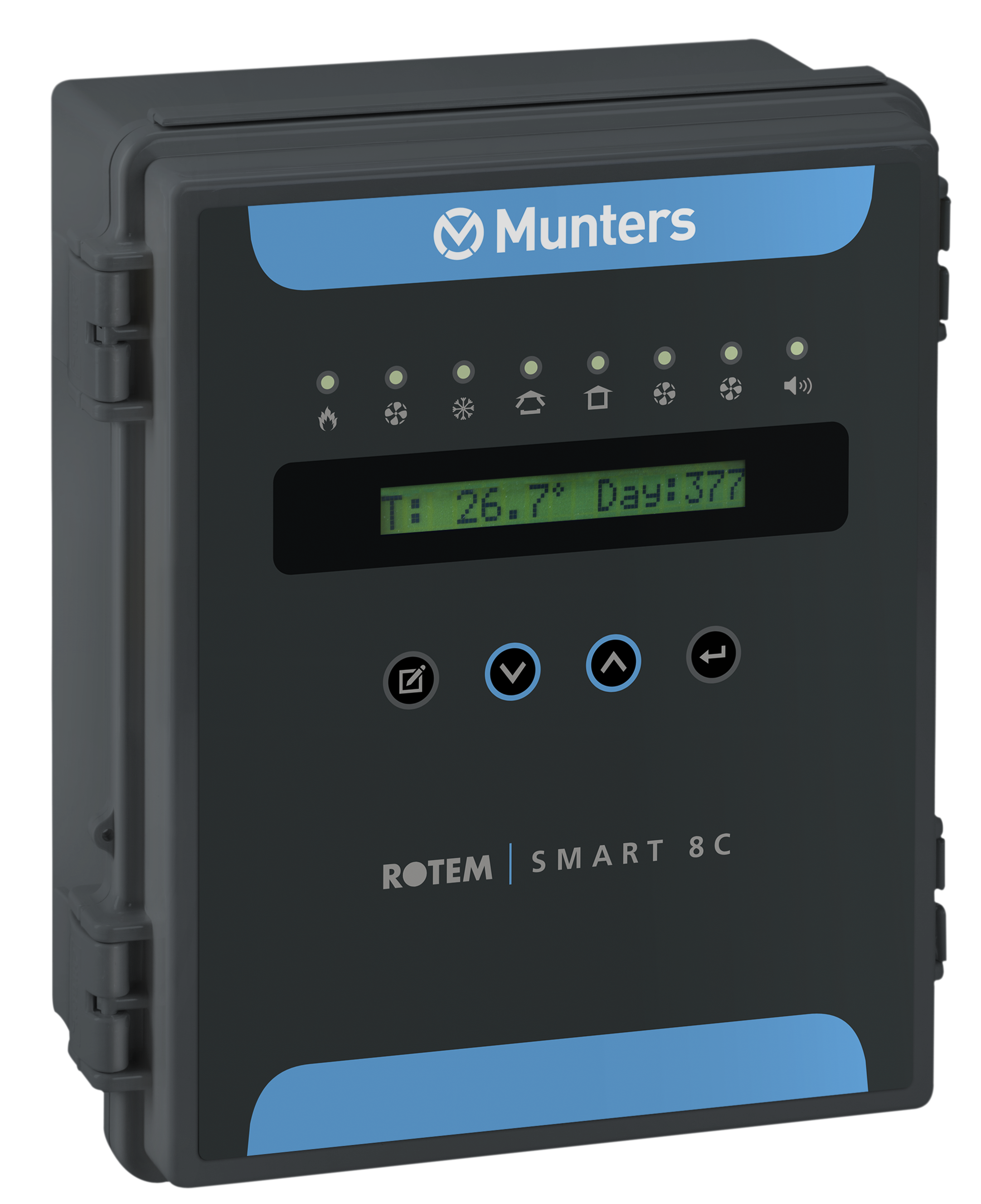 |
||||||||||||||||||||||
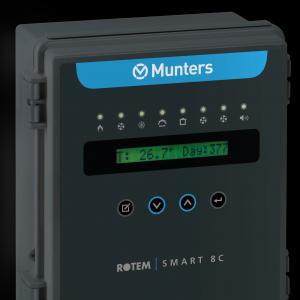
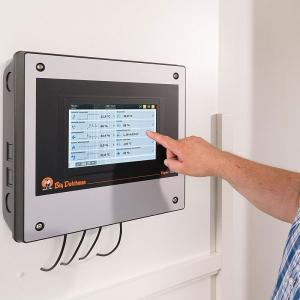
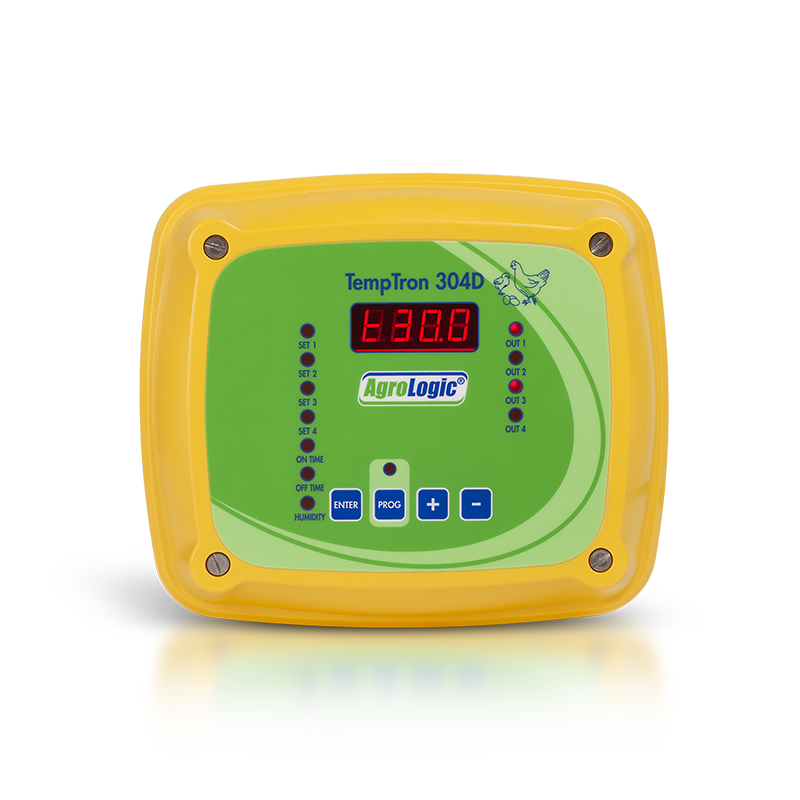
| Product Overview | The Digital Temperature and Humidity Controller for Livestock Houses is designed for automatic environmental control in commercial poultry houses, pig houses and other intensive livestock buildings. It integrates temperature and humidity monitoring with ventilation, heating, cooling and air inlet control to help maintain stable indoor climate conditions throughout different production stages. The controller can be configured for different livestock housing layouts and ventilation concepts, including mechanically ventilated, tunnel-ventilated and naturally ventilated buildings. Its digital interface provides straightforward daily operation and enables climate parameters to be adjusted according to animal age, local weather conditions and farm management requirements. |
||||||||||||||||||||||
| Key Features |
|
||||||||||||||||||||||
| Structural Components |
|
||||||||||||||||||||||
| Working Principle | Temperature and humidity sensors continuously measure the environmental conditions inside the livestock house. The controller compares the measured values with programmed climate targets and automatically adjusts connected equipment to maintain the required indoor environment. When the house temperature rises, ventilation stages or variable-speed fans can increase airflow. If additional cooling is required, cooling equipment can be activated according to the configured control sequence. When temperature falls below the heating set point, the controller can operate compatible heating equipment. If relative humidity exceeds the programmed target, the system can increase ventilation or apply another configured humidity treatment strategy. This coordinated control principle helps reduce unnecessary manual adjustment and provides more consistent environmental management throughout the production cycle. |
||||||||||||||||||||||
| Technical Specifications |
|
||||||||||||||||||||||
| Applications |
|
||||||||||||||||||||||
| Customization Options | The controller can be configured according to livestock type, building size, ventilation layout and local climate conditions. Optional configurations may include additional temperature sensors, humidity sensing, ventilation stages, variable-speed fan control, heating zones, cooling equipment, inlet actuators, curtain motors, alarm circuits and communication interfaces. Control functions and electrical interfaces can be designed according to project requirements. OEM and project-specific configurations are available upon request for livestock groups, engineering contractors, distributors and farm equipment integrators. |
||||||||||||||||||||||
| Installation & Maintenance | The controller should be installed in a protected and accessible location with appropriate electrical isolation and grounding. Sensor positions should represent the actual animal living zone and should avoid direct exposure to heaters, cooling spray, sunlight or concentrated airflow. Fans, heaters and other high-power loads should be connected through correctly rated contactors, protection devices or dedicated control panels when required. Wiring for sensors and low-voltage signals should be separated from high-voltage power cables to reduce electrical interference. Routine maintenance includes checking sensor readings, terminal connections, relay operation, alarm functions, ventilation sequences and enclosure condition. Sensors should be inspected and calibrated according to the farm maintenance program. Installation and electrical servicing should be carried out by qualified personnel. |
||||||||||||||||||||||
| Project Cases | Typical applications include commercial pig houses using minimum ventilation during cool weather, tunnel ventilation during hot weather and coordinated heating for young animals. The controller can also be used in poultry houses requiring staged exhaust fans, cooling pads, air inlets and humidity management. For complete livestock construction projects, the controller can be integrated with ventilation fans, air inlets, heating systems, cooling systems, climate sensors, alarm devices and electrical control panels to form a coordinated environmental control solution. |
||||||||||||||||||||||
| Product FAQ | Q: Can this controller be used in both pig and poultry houses? A: Yes. The controller can be configured for commercial pig and poultry production, with control functions selected according to the ventilation system and livestock management requirements. Q: Does it control both temperature and humidity? A: Yes. Compatible temperature and humidity sensors can be connected for integrated livestock house climate management. Q: Can it control ventilation fans and heaters? A: Yes. Depending on the configured outputs, the controller can operate ventilation fans, heating equipment, cooling equipment and other compatible climate-control devices. Q: Can it be connected to variable-speed fans? A: Variable-speed fan control is available in suitable configurations using compatible control outputs and fan regulation equipment. Q: Can it control air inlets or curtains? A: Yes. Air inlet and curtain actuator control can be incorporated according to the ventilation system design and project requirements. Q: Is remote monitoring available? A: Remote monitoring and control can be provided with compatible communication hardware and management software. Q: Can the controller be customized for different climates? A: Yes. The climate-control strategy can be designed according to local climate and farm conditions, including cold-climate, temperate and hot-climate livestock projects. |
||||||||||||||||||||||
| Product Gallery | 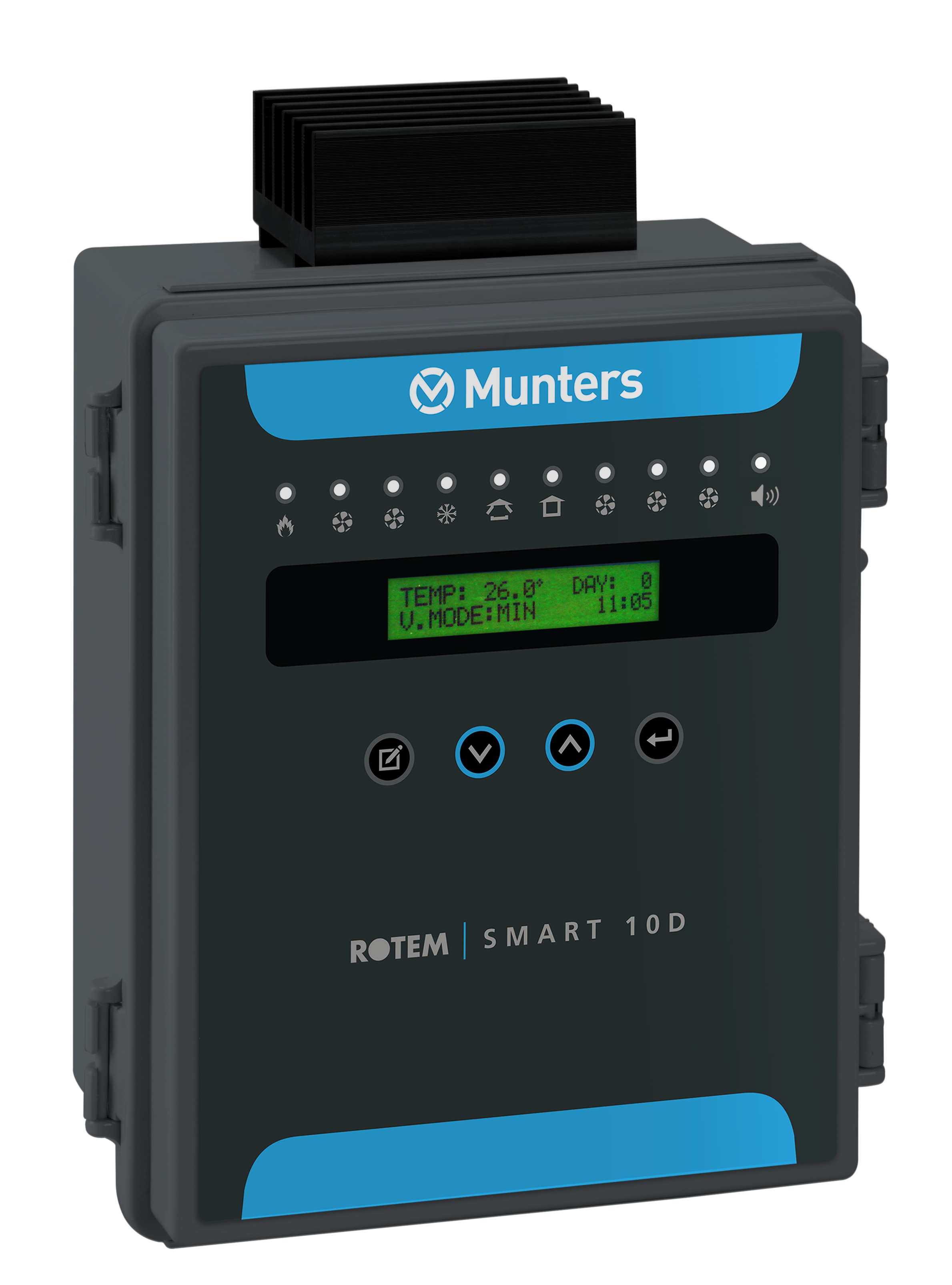 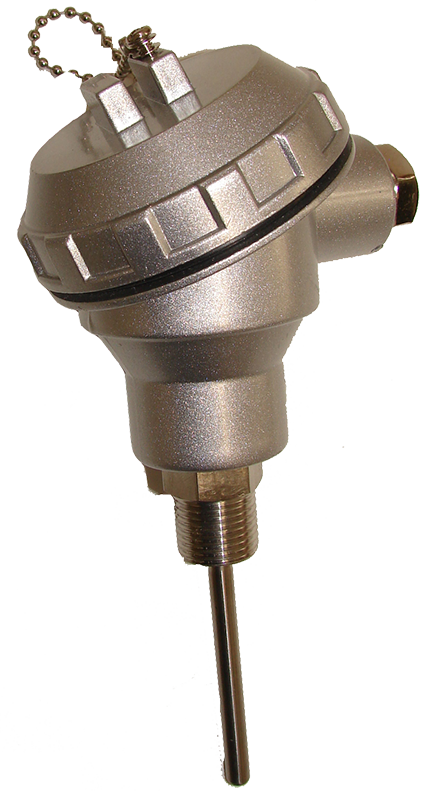 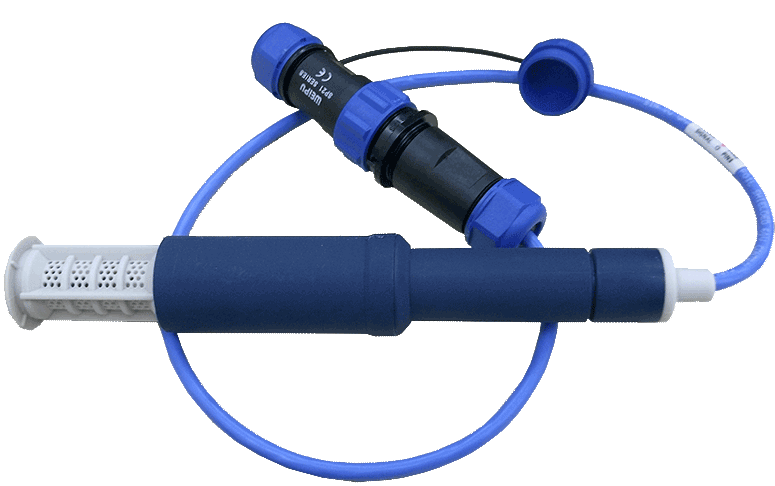 |
- Home
-
Products
- Pig Farming Equipment
- Cattle Farming Equipment
- Sheep & Goat Farming Equipment
- Poultry Farming Equipment
- Feeding & Drinking Systems
- Veterinary & Breeding Equipment
- Testing & Diagnostic Equipment
- Cleaning & Biosecurity Equipment
- Climate Control Equipment
- Livestock Weighing Equipment
- Manure & Waste Management
- Farm Transport & Handling
-
Solutions
- Pig Farm Solutions
- Dairy Farm Solutions
- Beef Cattle Farm Solutions
- Sheep & Goat Farm Solutions
- Layer Farm Solutions
- Broiler Farm Solutions
- Feeding & Drinking System Solutions
- Climate Control Solutions
- Biosecurity & Disinfection Solutions
- Manure & Waste Management
- Smart Farming Solutions
- Farm Renovation and Upgrade Solutions
- Partners
- Projects
- Resources
- News
- About Us
- Contact
Comments & Inquiries
Leave your questions or requirements below. We will reply as soon as possible.