
| Product Showcase | Content | ||||||||||||||||||||||||||
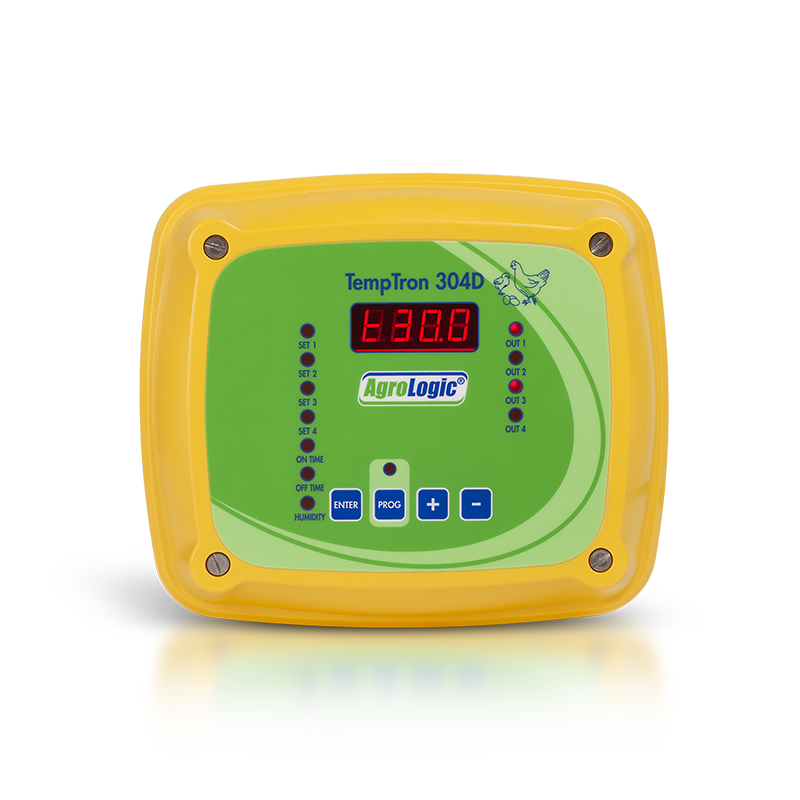
| Product Name | 4-Stage Poultry House Temperature and Humidity Controller | ||||||||||||||||||||||||||
| Product Image | 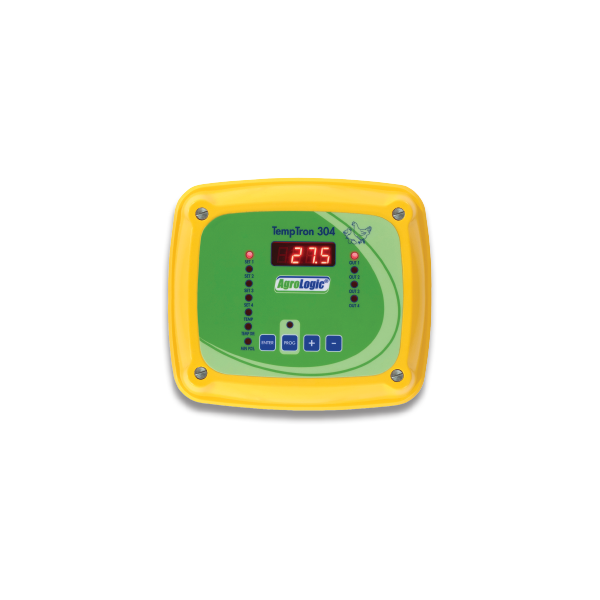 |
||||||||||||||||||||||||||
| Product Overview | The 4-Stage Poultry House Temperature and Humidity Controller is designed for practical environmental management in broiler houses, layer houses, breeder farms and other mechanically ventilated livestock buildings. It combines temperature-based staged ventilation with cooling control and optional humidity monitoring to help maintain a stable indoor climate under changing weather and flock conditions. The controller can be configured to operate multiple fan groups in stages, with the first ventilation stage suitable for minimum-ventilation cycling. A separate cooling stage can be used for evaporative cooling equipment such as cooling pads, pumps or related control circuits. When a compatible humidity sensor is installed, humidity information can also be incorporated into cooling management to reduce excessive moisture accumulation. Its compact standalone design makes it suitable for new poultry house construction, renovation projects, steel structure poultry buildings and cost-sensitive commercial farm climate-control applications. |
||||||||||||||||||||||||||
| Key Features |
|
||||||||||||||||||||||||||
| Structural Components |
|
||||||||||||||||||||||||||
| Working Principle | The controller continuously receives data from the installed temperature sensor and compares the measured house temperature with programmed stage setpoints. As the temperature rises, ventilation stages can be activated sequentially to increase air exchange and remove excess sensible heat. The first fan group can operate in minimum-ventilation mode using adjustable on/off timing, helping provide basic fresh-air exchange when full continuous ventilation is not required. Additional fan stages are activated as indoor temperature increases. When the programmed cooling threshold is reached, the cooling output can operate an evaporative cooling system through a relay, contactor or compatible control circuit. With a suitable humidity sensor installed, the controller can use humidity information to restrict cooling when indoor relative humidity exceeds the configured level. |
||||||||||||||||||||||||||
| Technical Specifications |
|
||||||||||||||||||||||||||
| Applications |
|
||||||||||||||||||||||||||
| Customization Options |
|
||||||||||||||||||||||||||
| Installation & Maintenance | The controller should be installed in an accessible, dry and protected location where farm personnel can easily read the display and adjust parameters. Installation should provide sufficient separation from high-current power cables and equipment that may cause electrical interference. Temperature sensors should be positioned in representative bird-level areas away from direct sunlight, heaters, cooling-pad air jets, doors and localized heat sources. Humidity sensors, when used, should be mounted where they can measure representative house conditions without direct water exposure. Fan motors, pumps or other high-current loads should normally be switched through correctly rated contactors or electrical control components where required. All wiring, grounding and protection devices should comply with local electrical regulations. Routine maintenance includes checking sensor cleanliness, cable connections, terminal tightness, relay operation, enclosure condition and accuracy of environmental readings. Control settings should also be reviewed when flock age, stocking density, ventilation requirements or seasonal conditions change. |
||||||||||||||||||||||||||
| Project Cases | The controller is suitable for poultry farm projects requiring straightforward staged ventilation rather than a large centralized climate-management platform. Typical configurations include three exhaust fan groups plus one evaporative cooling stage, with minimum ventilation programmed through the first fan stage. For complete poultry house construction projects, the controller can be integrated with exhaust fans, air inlets, cooling pads, circulation equipment, electrical control panels and environmental sensors. Final control logic and electrical configuration should be selected according to house dimensions, bird type, stocking density, ventilation calculations and regional climate conditions. |
||||||||||||||||||||||||||
| Product FAQ | Q: What equipment can a four-stage poultry controller operate? A: A typical configuration can manage several staged ventilation fan groups and a cooling output. Actual equipment connections depend on relay capacity, contactor design and the selected controller configuration. Q: Can the controller measure both temperature and humidity? A: Temperature sensing is the primary environmental input. A compatible humidity sensor can also be incorporated according to the selected configuration. Q: Why is humidity control useful in poultry houses? A: Humidity monitoring can help prevent excessive evaporative cooling when indoor moisture levels are already high, supporting more balanced poultry house climate management. Q: Can it be used for minimum ventilation? A: Yes. The first ventilation stage can be configured for timed on/off operation to support minimum fresh-air exchange. Q: Can the controller switch large poultry exhaust fans directly? A: Large motors should be connected through appropriately rated contactors, motor protection devices and control circuits according to the electrical design. Q: Is the controller suitable for different countries? A: Electrical configuration, sensors, control cabinet design and associated components can be selected according to project requirements and local electrical standards. |
||||||||||||||||||||||||||
| Product Gallery | 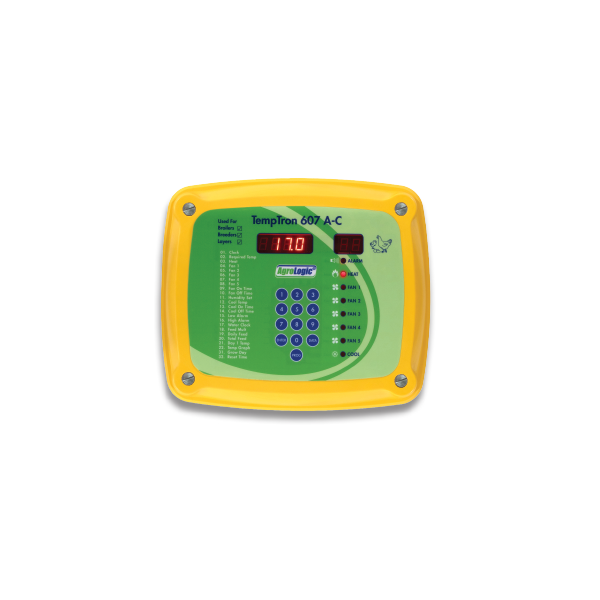 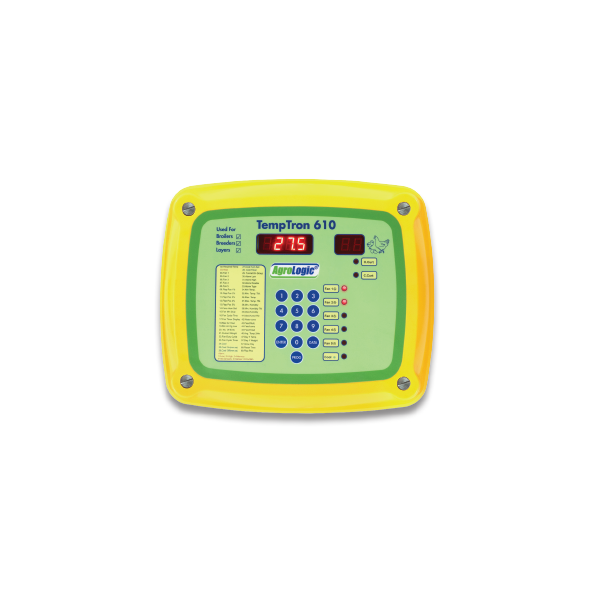 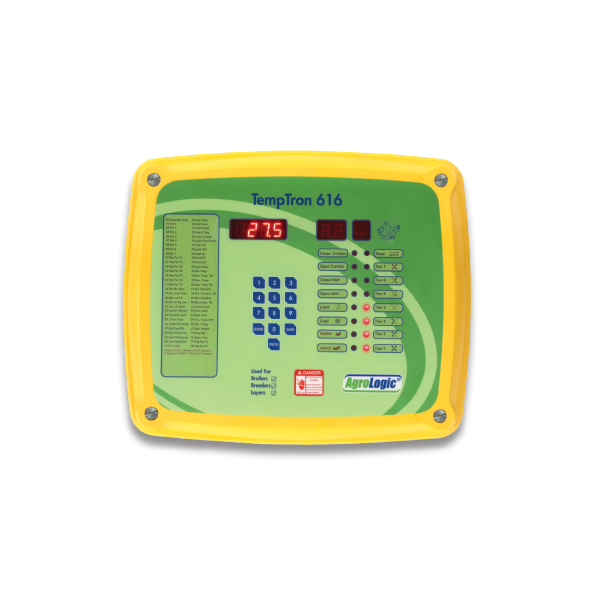 |
- Home
-
Products
- Pig Farming Equipment
- Cattle Farming Equipment
- Sheep & Goat Farming Equipment
- Poultry Farming Equipment
- Feeding & Drinking Systems
- Veterinary & Breeding Equipment
- Testing & Diagnostic Equipment
- Cleaning & Biosecurity Equipment
- Climate Control Equipment
- Livestock Weighing Equipment
- Manure & Waste Management
- Farm Transport & Handling
-
Solutions
- Pig Farm Solutions
- Dairy Farm Solutions
- Beef Cattle Farm Solutions
- Sheep & Goat Farm Solutions
- Layer Farm Solutions
- Broiler Farm Solutions
- Feeding & Drinking System Solutions
- Climate Control Solutions
- Biosecurity & Disinfection Solutions
- Manure & Waste Management
- Smart Farming Solutions
- Farm Renovation and Upgrade Solutions
- Partners
- Projects
- Resources
- News
- About Us
- Contact


Comments & Inquiries
Leave your questions or requirements below. We will reply as soon as possible.