
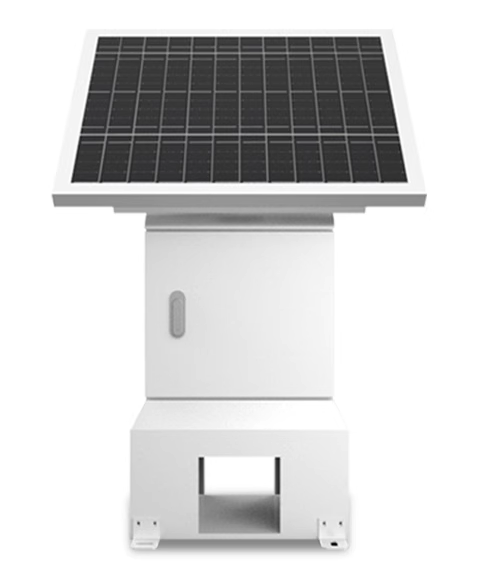
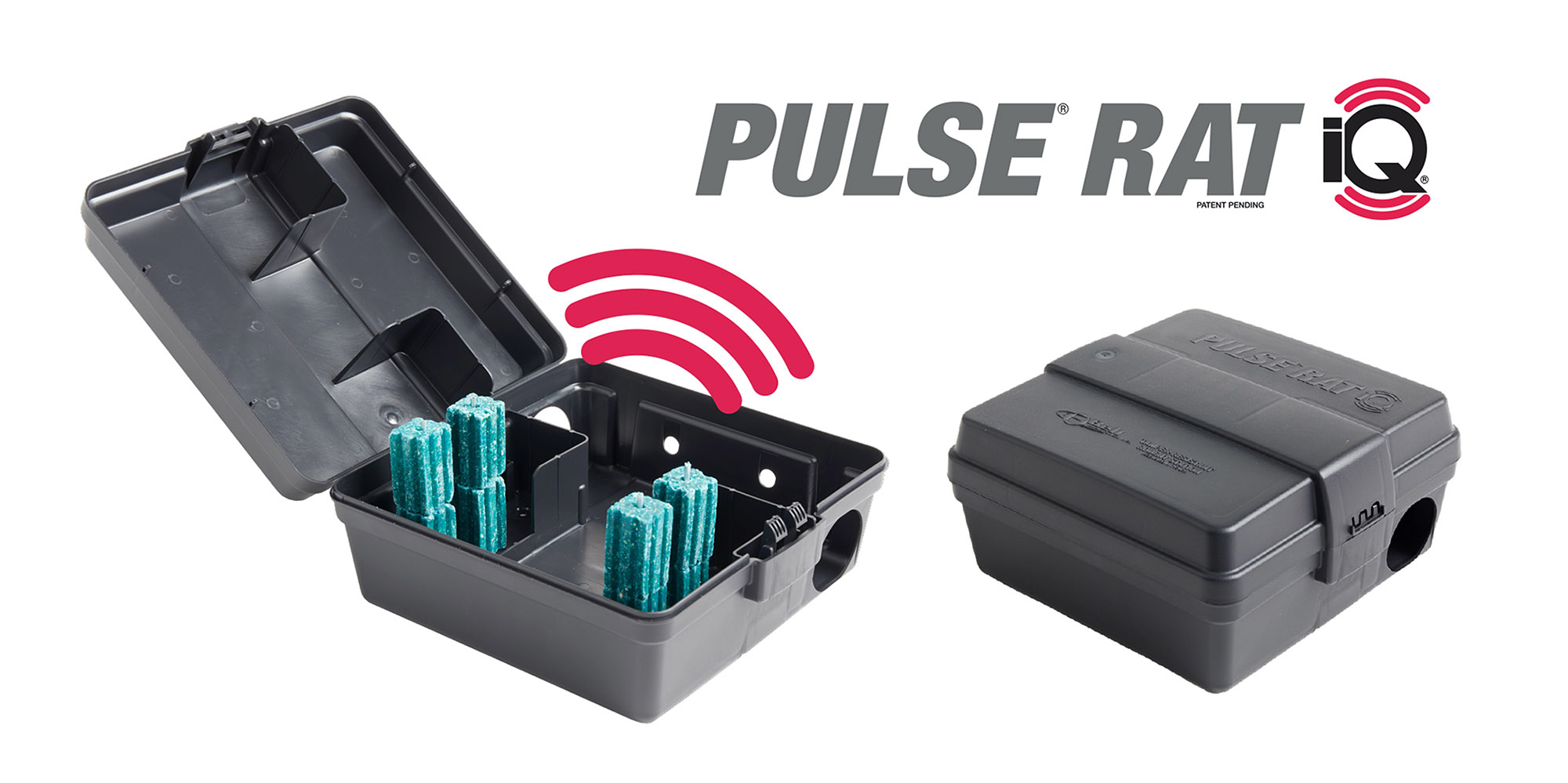
| Product Name | Cloud-Based Rodent Monitoring System | ||||||||||||||||||||||||||
| Product Image | 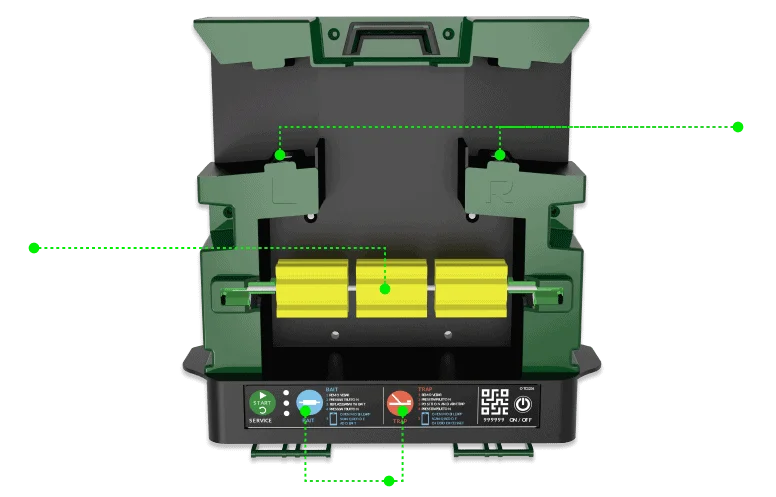 |
||||||||||||||||||||||||||
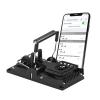
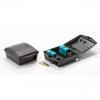
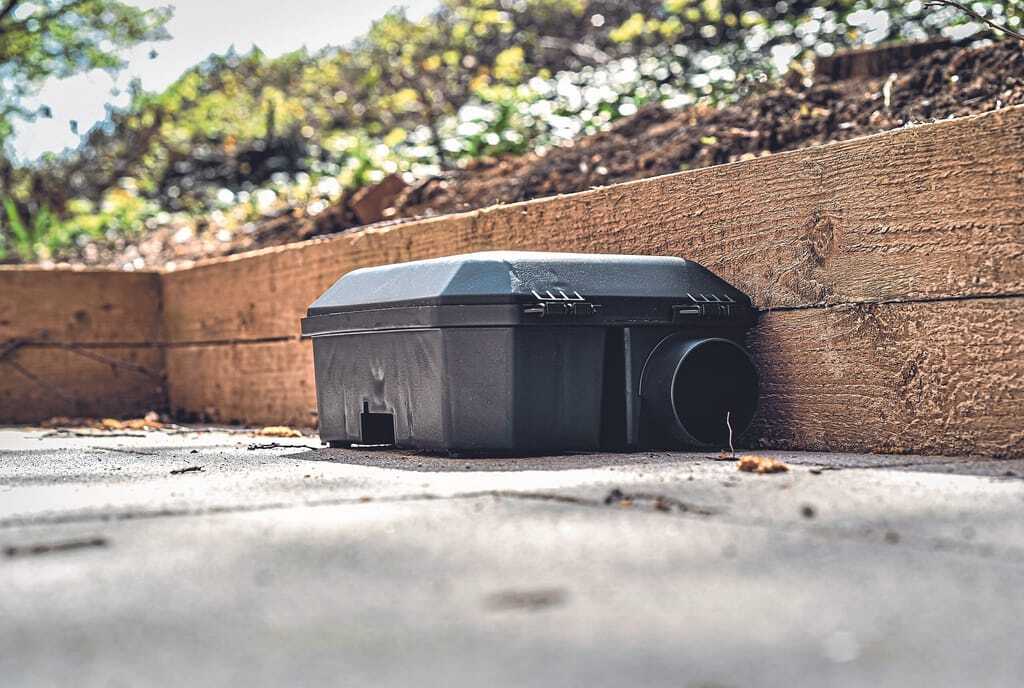
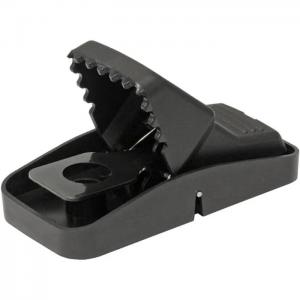
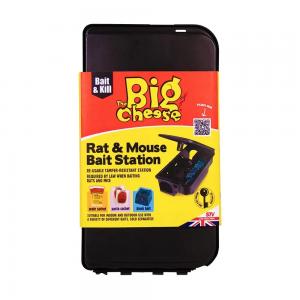
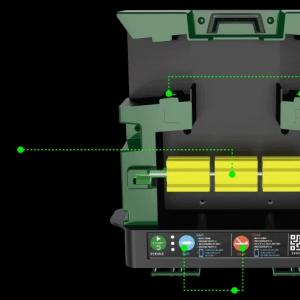
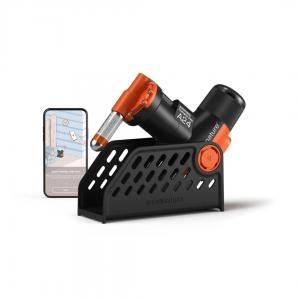
| Product Overview | The Cloud-Based Rodent Monitoring System is an intelligent pest-management solution designed for commercial pig farms, poultry farms, cattle facilities, feed mills, livestock storage areas and other agricultural sites requiring continuous rodent surveillance. Smart rodent stations use multiple sensors to detect rodent movement, monitor bait consumption or identify snap-trap activation. Collected data are transmitted to a cloud-based management platform, allowing farm managers, technicians and pest-control providers to review activity remotely from a computer, tablet or smartphone. Continuous digital monitoring helps identify developing rodent activity earlier than periodic manual inspections alone. Activity hotspots, bait-consumption trends and trap events can be reviewed before technicians visit the farm, helping improve inspection efficiency and support more targeted rodent-control programs. The system can be deployed as a scalable monitoring network across individual livestock buildings, feed rooms, perimeter zones or multi-site agricultural operations. PestSense documents 24/7 remote monitoring, bait weighing, motion detection, snap-trap monitoring and cloud-based visualization as key functions of its digital platform. |
||||||||||||||||||||||||||
| Key Features |
|
||||||||||||||||||||||||||
| Structural Components |
|
||||||||||||||||||||||||||
| Working Principle | Smart monitoring stations are positioned at known or suspected rodent travel routes around livestock buildings, feed storage areas, service corridors and farm perimeters. Integrated sensors continuously monitor activity. When rodents enter the station, motion sensors register the event. Where bait monitoring is enabled, weighing sensors record changes in bait consumption. In snap-trap mode, the system can identify trap activation and communicate the event remotely. Monitoring information is transmitted to a central cloud platform, where software analyzes station status, activity frequency, bait consumption and historical trends. Operators can then view the information remotely and prioritize inspection or control activities. PestSense states that its cloud platform can visualize activity hotspots, trends and patterns, while advanced detection functions help distinguish rodent activity from non-target events. :contentReference[oaicite:0]{index=0} |
||||||||||||||||||||||||||
| Technical Specifications |
|
||||||||||||||||||||||||||
| Applications |
|
||||||||||||||||||||||||||
| Customization Options |
|
||||||||||||||||||||||||||
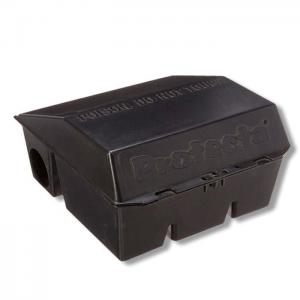
| Installation & Maintenance | Before installation, inspect the livestock facility to identify rodent travel routes, wall edges, feed-storage areas, service penetrations, equipment rooms and perimeter risk zones. Stations should be positioned according to a documented rodent-control plan and numbered or mapped within the cloud platform. Outdoor or harsh-environment areas should use suitable protected station housings. After installation, verify communication between each monitoring station, gateway and cloud platform. Alert functions should also be tested before the system enters normal operation. Routine maintenance includes cleaning stations, replacing batteries where required, inspecting sensors, checking bait or traps, reviewing communication status and confirming that station locations remain appropriate as farm conditions change. |
||||||||||||||||||||||||||
| Project Cases | Cloud-based rodent monitoring is particularly useful for large livestock operations with many rodent-control points that would otherwise require frequent manual inspection. In commercial pig farms, monitoring stations can be positioned around feed rooms, building walls, equipment corridors and exterior perimeters. The cloud platform allows management teams to identify which locations show increased rodent activity and prioritize technician visits. For livestock groups operating several farms, multiple sites can be viewed through a centralized digital system, making it easier to compare activity trends, manage service priorities and maintain monitoring records. |
||||||||||||||||||||||||||
| Product FAQ | Q: Can the system monitor rodent activity continuously? A: Yes. Compatible smart stations can provide 24/7 remote monitoring and transmit activity data to the cloud platform. Q: Can the system monitor both rats and mice? A: Yes. Suitable stations can be used for rat and mouse monitoring, and advanced software can assist with activity classification. Q: Can bait consumption be monitored remotely? A: Yes. Weight-sensing station configurations can measure bait-consumption changes and transmit the information to the cloud platform. Q: Can snap traps be connected? A: Yes. Compatible configurations can digitally monitor snap-trap activation and generate remote alerts. Q: Can managers view the system from a mobile phone? A: Yes. Cloud platforms can provide access through smartphones, tablets and computers. Q: Is the system suitable for outdoor farm areas? A: Yes. Weather-resistant monitoring-station options are available for outdoor or harsh internal environments. Q: Does digital monitoring eliminate all physical inspections? A: No. Remote monitoring helps prioritize inspections and service visits, but physical maintenance, sanitation and rodent-control actions are still required. Q: Can the system manage several farms? A: Yes. Cloud-based platforms can be scaled from individual sites to large multi-site livestock operations. |
||||||||||||||||||||||||||
| Product Gallery | 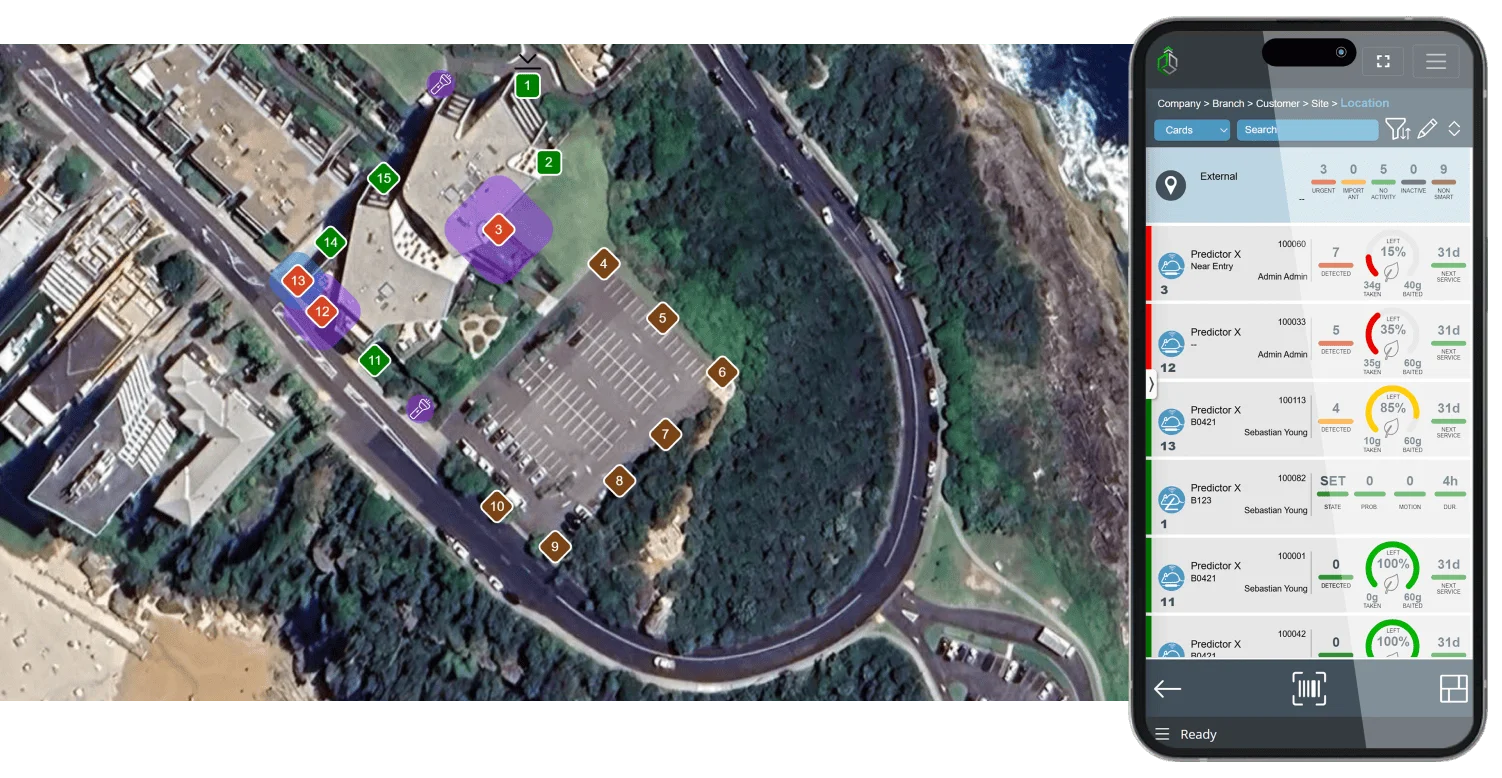 |
- Home
-
Products
- Pig Farming Equipment
- Cattle Farming Equipment
- Sheep & Goat Farming Equipment
- Poultry Farming Equipment
- Feeding & Drinking Systems
- Veterinary & Breeding Equipment
- Testing & Diagnostic Equipment
- Cleaning & Biosecurity Equipment
- Climate Control Equipment
- Livestock Weighing Equipment
- Manure & Waste Management
- Farm Transport & Handling
-
Solutions
- Pig Farm Solutions
- Dairy Farm Solutions
- Beef Cattle Farm Solutions
- Sheep & Goat Farm Solutions
- Layer Farm Solutions
- Broiler Farm Solutions
- Feeding & Drinking System Solutions
- Climate Control Solutions
- Biosecurity & Disinfection Solutions
- Manure & Waste Management
- Smart Farming Solutions
- Farm Renovation and Upgrade Solutions
- Partners
- Projects
- Resources
- News
- About Us
- Contact


Comments & Inquiries
Leave your questions or requirements below. We will reply as soon as possible.