
| Product Name | Smart Rat and Mouse Trap Monitor |
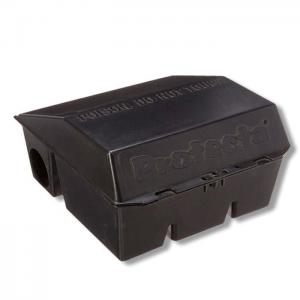
| Product Image |  |
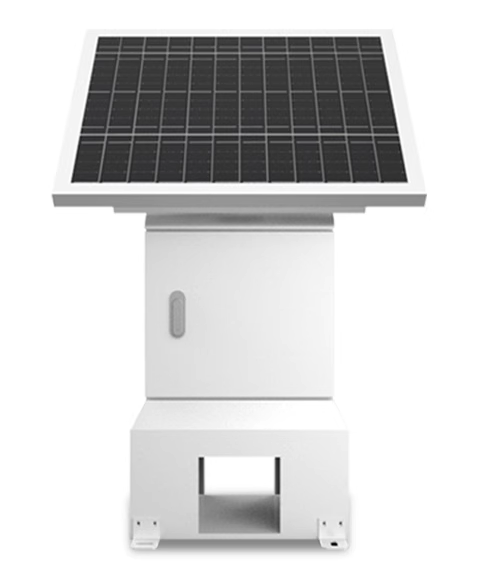
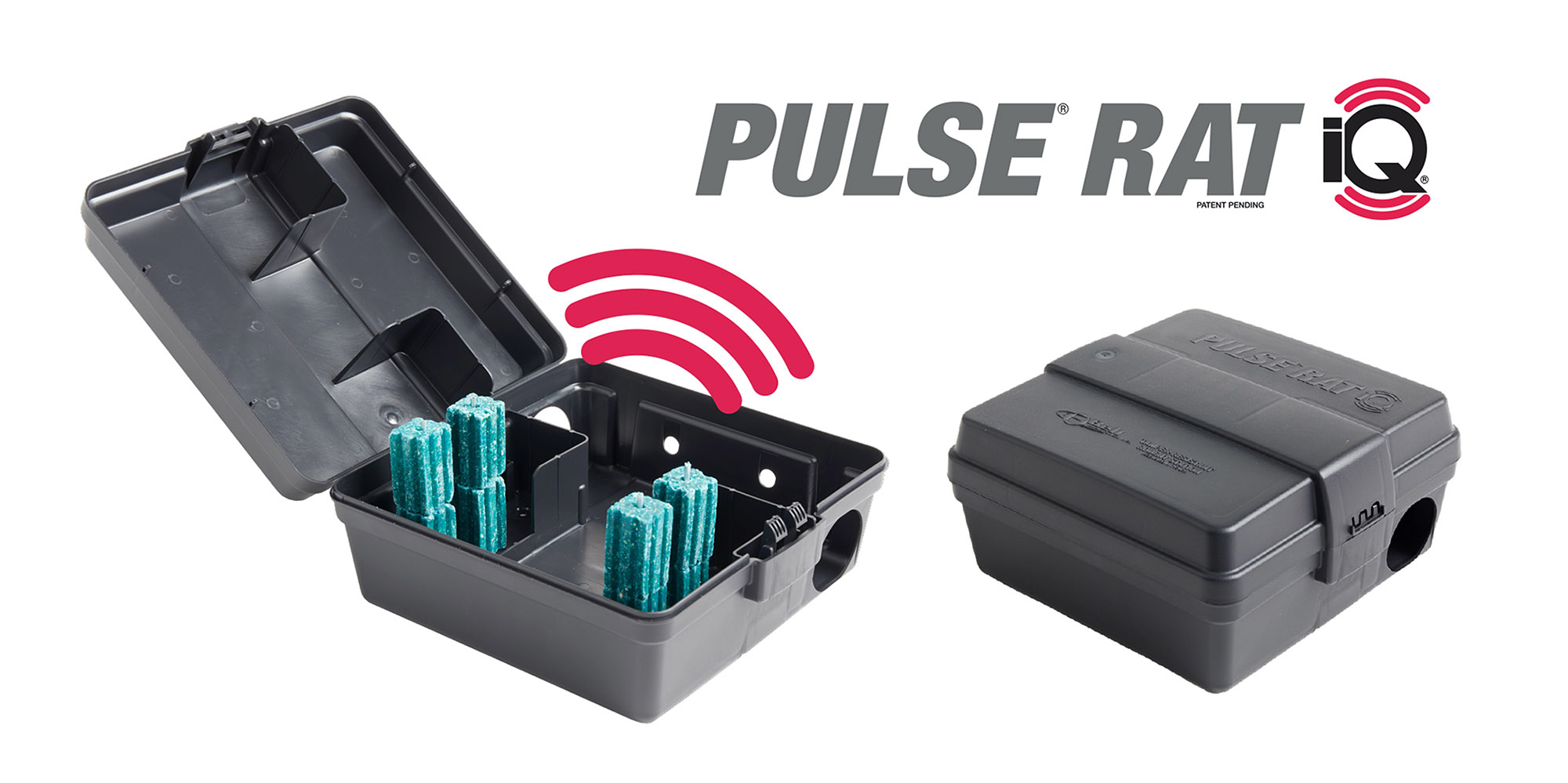
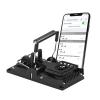
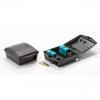
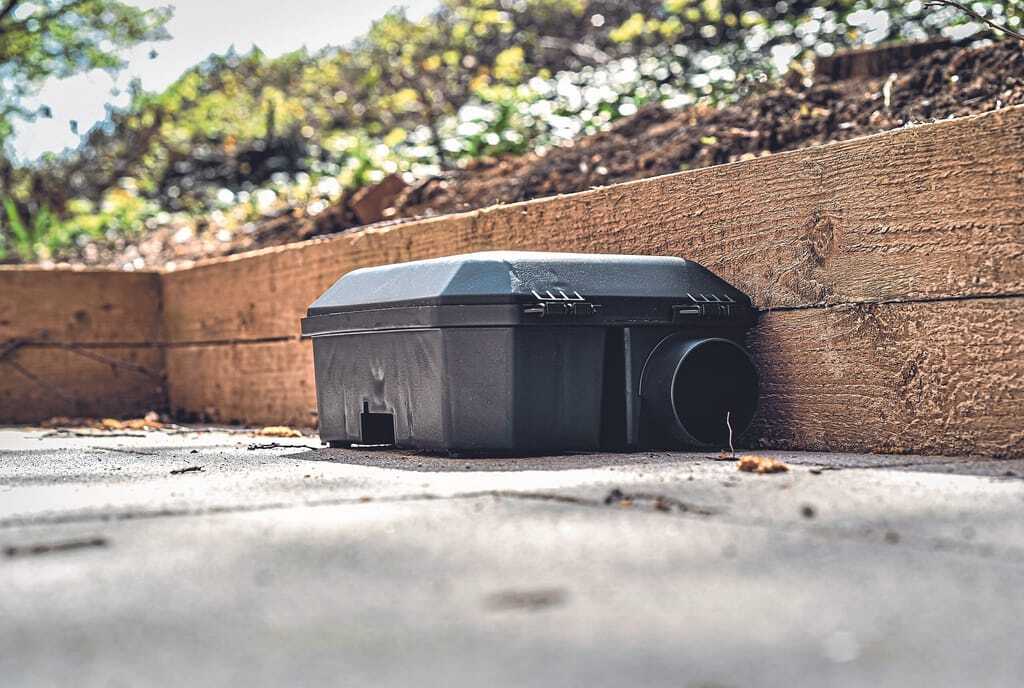
| Product Overview | The Smart Rat and Mouse Trap Monitor is designed for digital rodent monitoring and control in commercial pig farms, poultry farms, cattle facilities, feed storage buildings, agricultural warehouses and other locations where rodent activity requires systematic management. A smart monitoring module records trap activity and stores useful information such as activation count, event time and environmental data. Recorded information can be synchronized with a compatible mobile application, helping farm managers and pest-control personnel understand where and when rodent activity is occurring. When combined with an automatic resetting trap, the system can remain ready after an activation without requiring manual resetting after every event. This reduces unnecessary inspection work at low-activity monitoring points and supports more targeted rodent-management decisions. Multiple monitoring points can be distributed around livestock buildings, feed rooms, warehouses and farm perimeters according to the site's rodent-control plan. |
| Key Features |
|
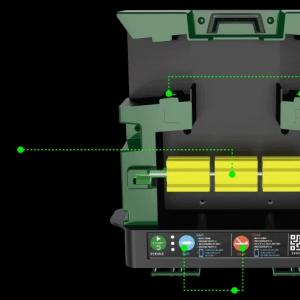
| Structural Components |
|
| Working Principle | The trap is positioned along an identified rodent travel route and prepared with a suitable attractant. When a rat or mouse enters the trapping area and activates the trigger, the trapping mechanism operates. The smart monitoring module records the event. Depending on the selected configuration, information can include activation count, event date, event time and environmental temperature. In an automatic resetting configuration, the trap returns to the operating position after activation and remains ready for another rodent without requiring immediate manual resetting. During routine inspection, stored data can be transferred to a compatible mobile application. The operator can use the records to evaluate rodent activity, optimize trap positioning and determine where additional pest-control measures may be required. |
| Technical Specifications | Product Type: Smart Rat and Mouse Trap Monitor Target Pests: Rats, mice and selected small rodents Monitoring Function: Trap activation recording Reference Recorded Data: Activation count, date, time and air temperature Wireless Communication: Bluetooth available according to configuration Mobile Application: Available according to selected monitoring system Automatic Reset: Available with compatible automatic trapping mechanism Reference Power Method: Replaceable CO2 cartridge for the referenced automatic trap configuration Reference Capacity: Up to 24 trap activations per CO2 cartridge on the reference A24 platform Attractant System: Automatic or replaceable lure configuration available Reference Lure Service Period: Up to approximately 6 months on the referenced automatic lure system Installation: Wall, post, stand or project-specific mounting according to trap configuration Indoor / Outdoor Use: According to selected housing and installation conditions Monitoring Quantity: Multiple units can be deployed according to site requirements Customization: Available according to project requirements |
| Applications |
|
| Customization Options |
|
| Installation & Maintenance | Before installation, inspect the farm for rodent droppings, gnawing marks, burrows, tracks and other evidence of activity. Monitoring units should normally be positioned along established rodent travel routes such as walls, feed-storage boundaries, building perimeters and utility entry points. Avoid placing traps where livestock can directly contact or damage the equipment. Protective housings or controlled installation positions should be used where non-target access is possible. Routine maintenance includes checking trap condition, cleaning contaminated surfaces, confirming the monitoring module is functioning and replacing power, gas or attractant components according to the selected configuration. Monitoring records should be reviewed regularly. Repeated activity at one location can indicate a rodent pathway, food source, water source or building entry point that requires corrective action. |
| Project Cases | Smart rodent monitoring is suitable for livestock operations that require documented pest activity across several buildings or risk zones. In commercial pig farms, units can be positioned near feed rooms, corridors, wall edges, utility penetrations and exterior service areas. Recorded activity can help maintenance teams locate recurring rodent routes and prioritize building-proofing work. In feed mills and agricultural warehouses, multiple monitoring points can be used to build an activity history and identify locations that require additional trapping, sanitation or structural exclusion. Final trap quantity and placement should be determined according to building size, rodent pressure, feed availability and the farm's pest-management plan. |
| Product FAQ | Q: What information can the smart monitor record? A: Depending on configuration, the system can record trap activation count, date, time and environmental information such as temperature. Q: Does the reference system transmit data remotely through the internet? A: The referenced Smart Cap stores trap information and transfers it to a compatible smartphone through Bluetooth when the trap is checked. Other networked monitoring configurations are available according to project requirements. Q: Can the trap reset automatically? A: Yes. Compatible automatic trapping systems can reset after activation and remain ready for another rodent. Q: How many activations can the reference automatic trap provide? A: The referenced A24 platform provides up to 24 strikes from one CO2 cartridge. Q: Is the system suitable for both rats and mice? A: Yes. The reference platform is designed for rats, mice and selected small rodents. Q: Can the system be used without rodenticide? A: Yes. Mechanical trapping configurations can operate with non-toxic attractants and can form part of a non-rodenticide monitoring program. Q: Where should monitoring traps be installed on a livestock farm? A: Typical locations include feed rooms, wall edges, storage areas, service corridors, building perimeters and other identified rodent travel routes. Q: Can multiple traps be monitored across one farm? A: Yes. Multiple monitoring points can be deployed according to livestock building layout and pest-control requirements. |
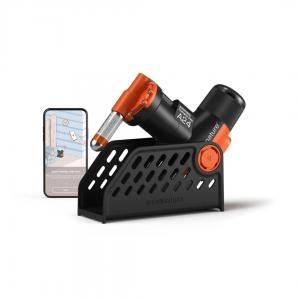
| Product Gallery |  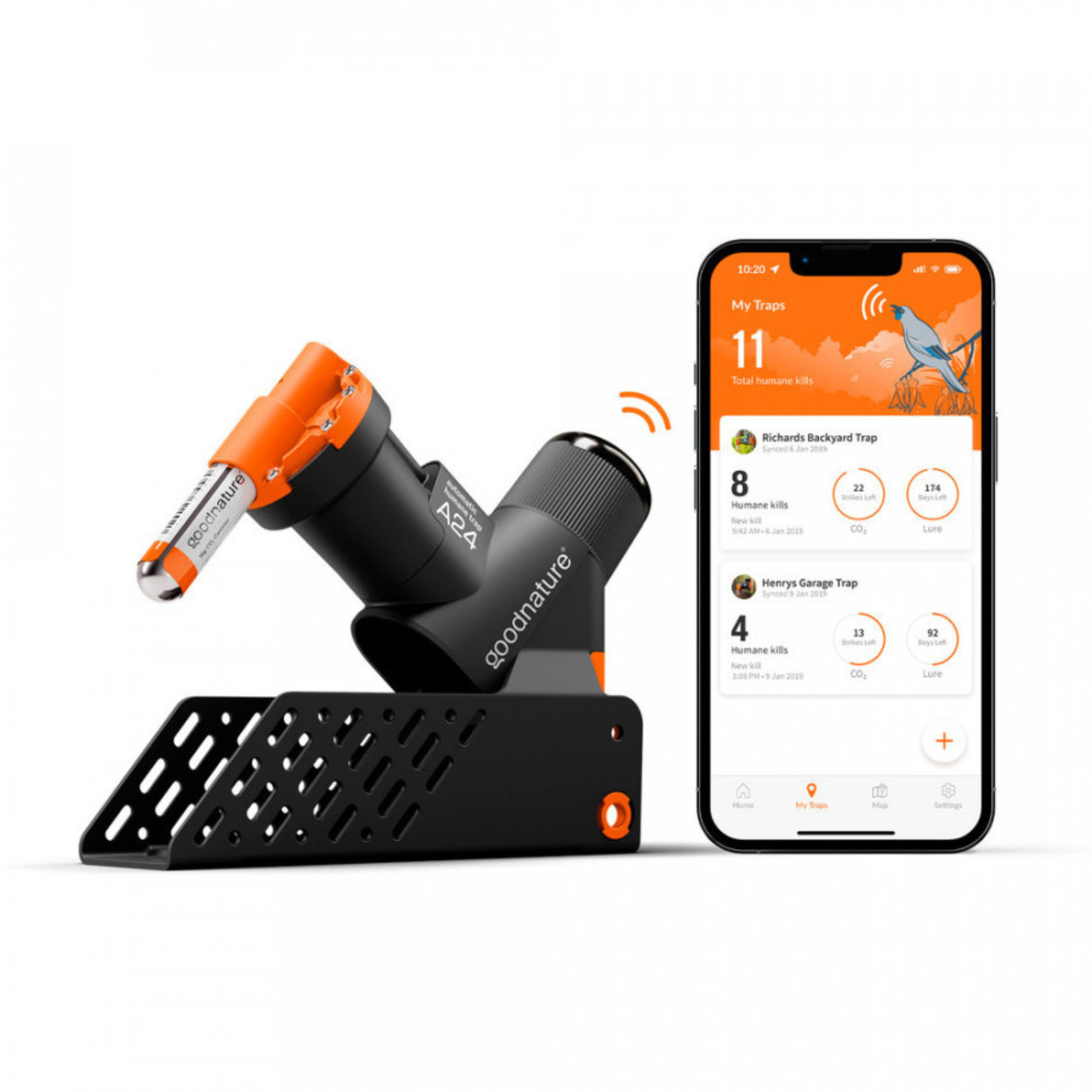 |
- Home
-
Products
- Pig Farming Equipment
- Cattle Farming Equipment
- Sheep & Goat Farming Equipment
- Poultry Farming Equipment
- Feeding & Drinking Systems
- Veterinary & Breeding Equipment
- Testing & Diagnostic Equipment
- Cleaning & Biosecurity Equipment
- Climate Control Equipment
- Livestock Weighing Equipment
- Manure & Waste Management
- Farm Transport & Handling
-
Solutions
- Pig Farm Solutions
- Dairy Farm Solutions
- Beef Cattle Farm Solutions
- Sheep & Goat Farm Solutions
- Layer Farm Solutions
- Broiler Farm Solutions
- Feeding & Drinking System Solutions
- Climate Control Solutions
- Biosecurity & Disinfection Solutions
- Manure & Waste Management
- Smart Farming Solutions
- Farm Renovation and Upgrade Solutions
- Partners
- Projects
- Resources
- News
- About Us
- Contact



Comments & Inquiries
Leave your questions or requirements below. We will reply as soon as possible.