


| Product Name | Camera-Based Rodent Monitoring Station | ||||||||||||||||||||||||
| Product Image | 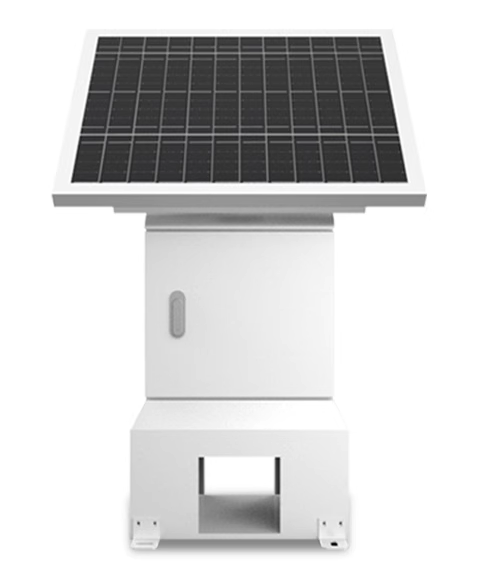 |
||||||||||||||||||||||||
| Product Overview | The Camera-Based Rodent Monitoring Station is an intelligent pest surveillance system designed for continuous monitoring of rodent activity in commercial pig farms, poultry farms, cattle facilities, feed mills, warehouses and other agricultural environments. The system combines infrared detection, an HD industrial camera, wireless communication and remote data management to record rodent activity without requiring continuous manual inspection. Captured images and operating data can be transmitted to a remote monitoring platform for analysis and management. A single monitoring terminal can operate independently or multiple stations can be networked across different farm zones to create a larger rodent surveillance system. This makes the equipment suitable for monitoring feed storage areas, building perimeters, waste areas, service corridors and other locations where rodent activity may occur. The reference platform supports 24/7 operation, rechargeable battery power and solar charging, allowing flexible deployment in both indoor and outdoor agricultural environments. :contentReference[oaicite:0]{index=0} |
||||||||||||||||||||||||
| Key Features |
|
||||||||||||||||||||||||
| Structural Components |
|
||||||||||||||||||||||||
| Working Principle | The monitoring station is installed along a suspected rodent travel route, near feed storage, building walls, drainage areas or other high-risk locations. When rodent activity occurs within the monitoring area, the infrared detection and camera system records images or video data. The monitoring terminal then transmits the collected information wirelessly to the remote management platform. Multiple terminals can be deployed around the farm to provide area-wide monitoring. Historical records can help pest-control personnel compare activity between locations, identify repeated hotspots and determine where additional inspection or control measures may be required. The reference system also monitors its own operating status and can upload information such as voltage and current. Self-diagnostic and automatic restart functions are available on the reference platform. :contentReference[oaicite:1]{index=1} |
||||||||||||||||||||||||
| Technical Specifications |
Reference specifications are based on the ZHHN-RATS monitoring platform and should be confirmed according to the final project configuration. :contentReference[oaicite:2]{index=2} |
||||||||||||||||||||||||
| Applications |
|
||||||||||||||||||||||||
| Customization Options |
|
||||||||||||||||||||||||
| Installation & Maintenance | Install monitoring stations along likely rodent travel routes such as walls, feed-storage areas, service corridors, building entrances and external perimeter zones. For solar-powered installations, the solar panel should be positioned where it can receive suitable sunlight without being blocked by roofs, vegetation or other structures. Camera lenses and infrared sensors should be kept clean and free from dust, spider webs and other material that could reduce monitoring performance. Battery condition, charging performance, network connection and terminal operating status should be inspected regularly. Monitoring stations should be repositioned where collected data indicates that rodent activity has shifted to another area. |
||||||||||||||||||||||||
| Project Cases | Camera-based monitoring stations are suitable for large livestock facilities where manual inspection of every rodent-control point requires significant labor. In commercial pig farms, multiple terminals can be distributed around feed storage rooms, manure areas, livestock-building perimeters and utility spaces. Monitoring data can then be reviewed remotely to identify locations with repeated rodent activity. For feed mills and agricultural warehouses, camera-based monitoring can provide visual confirmation of rodent presence and help pest-control personnel focus inspections and control measures on identified hotspots. The reference platform supports both independent terminals and networked monitoring for broader area surveillance. :contentReference[oaicite:3]{index=3} |
||||||||||||||||||||||||
| Product FAQ | Q: Does the station monitor rodents continuously? A: Yes. The reference system is designed for continuous unattended monitoring and 24/7 operation. Q: Does it capture rodent images? A: Yes. An HD industrial camera can capture visual records of rodent activity. Q: Can monitoring data be viewed remotely? A: Yes. Wireless communication allows collected information to be transmitted to a remote management platform. Q: Can several stations be used on one farm? A: Yes. Multiple monitoring terminals can be networked to monitor different areas of a livestock facility. Q: Can the station operate without permanent mains power? A: Yes. Solar-panel and rechargeable-battery configurations are available for suitable installations. Q: Is it suitable for outdoor use? A: The reference system is designed for complex outdoor environments, but the final enclosure and installation specification should be selected according to local weather conditions. Q: Does the equipment kill rodents? A: The primary function of this product is monitoring and data collection. Rodent-control measures should be selected separately according to the farm's integrated pest-management program. Q: Can the system be customized? A: Yes. Camera resolution, communication, power supply, terminal quantity and data-management functions can be configured according to project requirements. |
||||||||||||||||||||||||
| Product Gallery |   |
- Home
-
Products
- Pig Farming Equipment
- Cattle Farming Equipment
- Sheep & Goat Farming Equipment
- Poultry Farming Equipment
- Feeding & Drinking Systems
- Veterinary & Breeding Equipment
- Testing & Diagnostic Equipment
- Cleaning & Biosecurity Equipment
- Climate Control Equipment
- Livestock Weighing Equipment
- Manure & Waste Management
- Farm Transport & Handling
-
Solutions
- Pig Farm Solutions
- Dairy Farm Solutions
- Beef Cattle Farm Solutions
- Sheep & Goat Farm Solutions
- Layer Farm Solutions
- Broiler Farm Solutions
- Feeding & Drinking System Solutions
- Climate Control Solutions
- Biosecurity & Disinfection Solutions
- Manure & Waste Management
- Smart Farming Solutions
- Farm Renovation and Upgrade Solutions
- Partners
- Projects
- Resources
- News
- About Us
- Contact

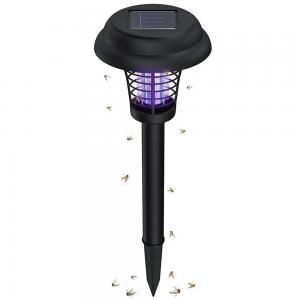
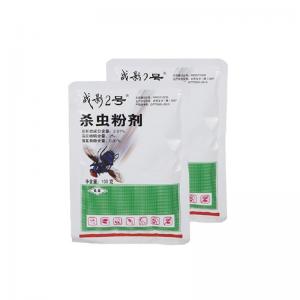
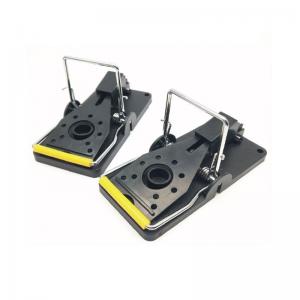
Comments & Inquiries
Leave your questions or requirements below. We will reply as soon as possible.