
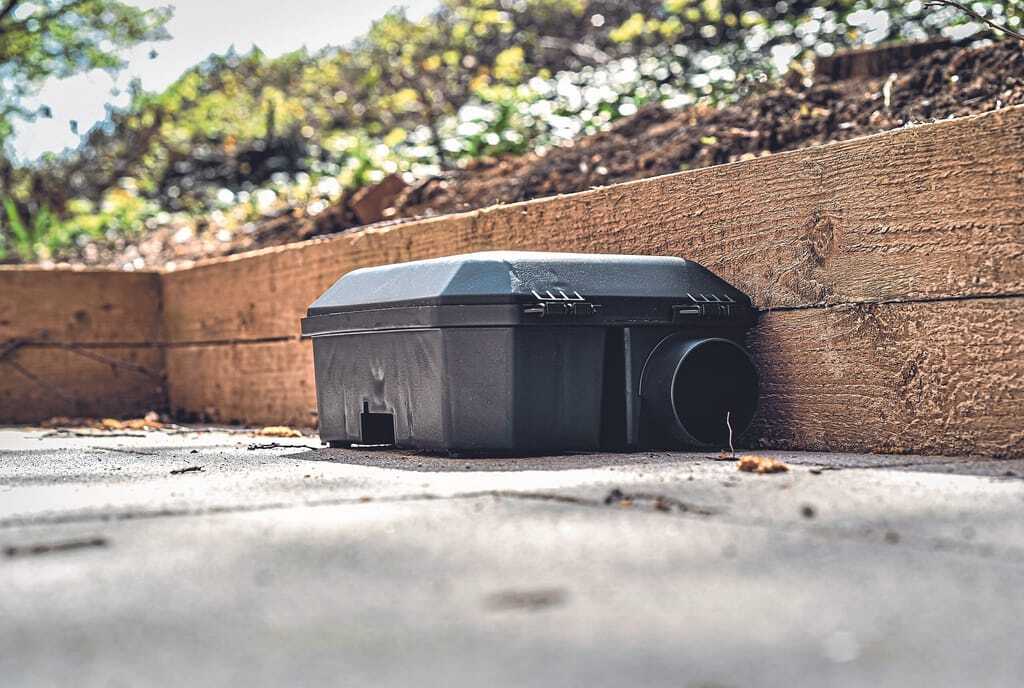

| Product Name | Smart Rodent Bait Monitoring Station | ||||||||||||||||||||||||||
| Product Image |  |
||||||||||||||||||||||||||
| Product Overview | The Smart Rodent Bait Monitoring Station is a digital pest-management device designed for continuous rodent surveillance in commercial pig farms, poultry farms, cattle facilities, feed mills, warehouses and other livestock production environments. The system combines a secure bait or trap station with integrated sensing technology and digital monitoring software. It can record rodent activity, monitor bait consumption and report trap events, allowing farm managers and pest-control technicians to identify activity hotspots without relying only on repeated manual inspections. A smart monitoring platform can provide 24/7 activity information, automated reports and trend analysis, helping users understand where rodents are active and which stations require service. This supports a more targeted pest-control program and can reduce unnecessary inspection visits. :contentReference[oaicite:0]{index=0} The station can be integrated into livestock farm biosecurity programs around feed storage areas, building perimeters, service corridors, equipment rooms and other locations where rodent activity may create hygiene and contamination risks. |
||||||||||||||||||||||||||
| Key Features |
|
||||||||||||||||||||||||||
| Structural Components |
|
||||||||||||||||||||||||||
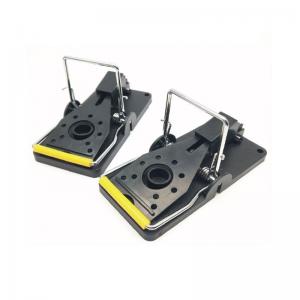
| Working Principle | The station is positioned along identified rodent travel routes such as walls, feed storage areas, livestock building perimeters or service corridors. When a rodent enters or passes through the station, integrated sensors record activity. In bait-monitoring configurations, precision weighing sensors can track changes in bait consumption. Where a snap trap is installed, the system can also detect trap activation and provide an alert. Monitoring data is transmitted to the associated software platform, where users can review activity frequency, bait-consumption trends, station status and site-level patterns. The PestSense reference platform provides 24/7 remote monitoring, real-time bait-consumption measurement, snap-trap alerts and automated reporting. :contentReference[oaicite:1]{index=1} The collected information helps technicians decide which areas require additional stations, bait replenishment, trap servicing or investigation of structural rodent-entry points. |
||||||||||||||||||||||||||
| Technical Specifications |
|
||||||||||||||||||||||||||
| Applications |
|
||||||||||||||||||||||||||
| Customization Options |
|
||||||||||||||||||||||||||
| Installation & Maintenance | Stations should be positioned along known or suspected rodent travel routes, especially beside walls, near feed storage areas, around doorways and along building perimeters. Before installation, inspect the site for droppings, gnaw marks, tracks, burrows and possible rodent entry points. Station locations should then be recorded in the digital monitoring platform. Routine servicing includes checking bait or traps, cleaning the station, confirming sensor operation, inspecting the battery and reviewing activity data. Digital monitoring can help prioritize stations that show recent activity or bait consumption. Where rodenticide is used, bait must comply with local registration requirements and should be secured inside an appropriate tamper-resistant station. Placement and servicing should follow the rodenticide label and applicable pest-control regulations. |
||||||||||||||||||||||||||
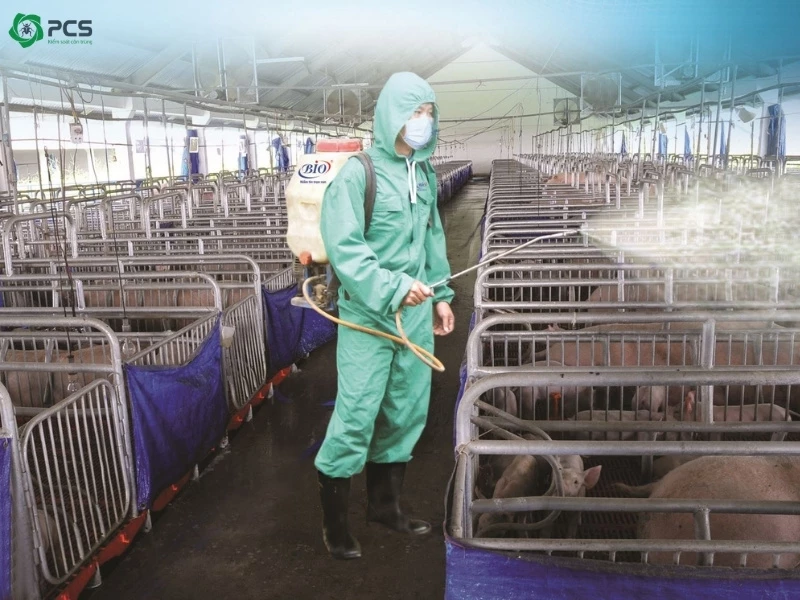
| Project Cases | Smart rodent monitoring is suitable for livestock projects where conventional manual bait-station inspection requires significant labor or where continuous visibility of rodent activity is important. In commercial pig farms, digital stations can be positioned around feed silos, feed rooms, barn perimeters and service corridors. The monitoring platform can help identify areas with recurring activity so that additional control measures can be concentrated where they are most needed. In large farm groups, multiple smart stations can be managed through a centralized digital platform, supporting site comparison, reporting and targeted maintenance. Research into IoT bait-station monitoring has also demonstrated its practical potential in active cattle-farm conditions for reducing manual inspection workload and improving scalability of rodent-management programs. :contentReference[oaicite:2]{index=2} |
||||||||||||||||||||||||||
| Product FAQ | Q: Can the station monitor rodents continuously? A: Yes. Smart systems can monitor rodent activity 24 hours a day and record events for later review or real-time reporting. Q: Can it monitor bait consumption? A: Yes. Precision weighing sensors are available in suitable configurations to measure changes in bait consumption. :contentReference[oaicite:3]{index=3} Q: Can the same station be used with a snap trap? A: Selected smart systems can monitor snap traps and provide alerts when a catch or trap event occurs. :contentReference[oaicite:4]{index=4} Q: Can the system distinguish rats from mice? A: Advanced monitoring software can provide rodent identification functions designed to distinguish rat and mouse activity. :contentReference[oaicite:5]{index=5} Q: Is the station suitable for livestock farms? A: Yes. Smart rodent monitoring is suitable for livestock facilities, feed areas, warehouses and other agricultural environments where rodent activity needs to be tracked systematically. Q: Does smart monitoring eliminate manual servicing completely? A: No. Physical servicing is still required for cleaning, bait replacement, trap handling and equipment inspection, but remote monitoring can help prioritize which stations require attention. Q: Can non-toxic bait be used? A: Yes. The reference digital monitoring platform supports non-toxic monitoring as well as rodenticide bait and snap-trap configurations. :contentReference[oaicite:6]{index=6} Q: Can multiple stations be managed together? A: Yes. Cloud-based systems can display activity from multiple monitored locations through a common dashboard. |
||||||||||||||||||||||||||
| Product Gallery | |
- Home
-
Products
- Pig Farming Equipment
- Cattle Farming Equipment
- Sheep & Goat Farming Equipment
- Poultry Farming Equipment
- Feeding & Drinking Systems
- Veterinary & Breeding Equipment
- Testing & Diagnostic Equipment
- Cleaning & Biosecurity Equipment
- Climate Control Equipment
- Livestock Weighing Equipment
- Manure & Waste Management
- Farm Transport & Handling
-
Solutions
- Pig Farm Solutions
- Dairy Farm Solutions
- Beef Cattle Farm Solutions
- Sheep & Goat Farm Solutions
- Layer Farm Solutions
- Broiler Farm Solutions
- Feeding & Drinking System Solutions
- Climate Control Solutions
- Biosecurity & Disinfection Solutions
- Manure & Waste Management
- Smart Farming Solutions
- Farm Renovation and Upgrade Solutions
- Partners
- Projects
- Resources
- News
- About Us
- Contact


Comments & Inquiries
Leave your questions or requirements below. We will reply as soon as possible.