

| Product Name | Smart Rodent Monitoring Station | ||||||||||||||||||||||||||
| Product Image | 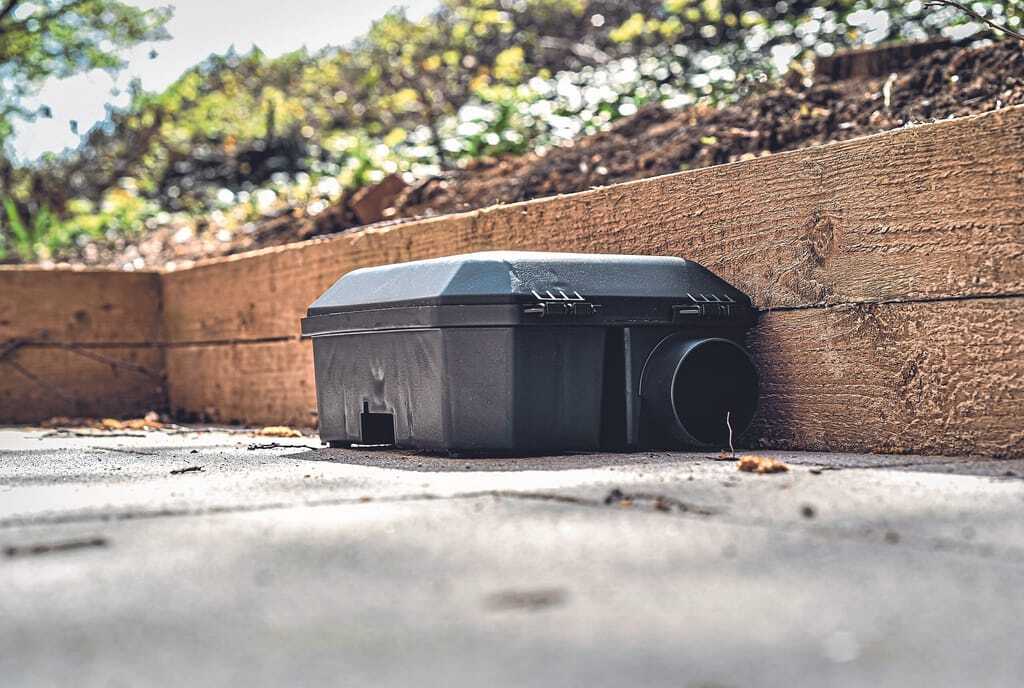 |
||||||||||||||||||||||||||
| Product Overview | The Smart Rodent Monitoring Station is a digital pest-monitoring solution designed for commercial pig farms, poultry farms, cattle facilities, feed storage areas and other livestock production environments where early detection of rodent activity is important. The station combines a protected rodent enclosure with electronic sensing and remote monitoring technology. Depending on the selected configuration, the system can detect rodent movement, monitor bait consumption, identify trap activation and transmit activity data to a cloud-based monitoring platform. Continuous digital monitoring helps farm managers and pest-control teams identify activity hotspots, evaluate infestation trends and prioritize site inspections instead of relying only on routine manual checks. The station can be installed around livestock buildings, feed rooms, warehouses, perimeter walls, equipment rooms and other rodent-risk areas as part of an integrated farm pest-management program. |
||||||||||||||||||||||||||
| Key Features |
|
||||||||||||||||||||||||||
| Structural Components |
|
||||||||||||||||||||||||||
| Working Principle | Smart monitoring stations are positioned along rodent travel routes, building perimeters and other high-risk areas identified during the farm pest assessment. When a rodent enters the station, integrated sensors detect movement. Where bait weighing is included, changes in bait mass can also be recorded to help evaluate feeding activity. Where a snap trap is installed, the monitoring module can detect trap activation. Recorded information is transmitted through the selected communication network to a centralized monitoring platform. Farm managers or pest-control technicians can then review activity levels, station status, alerts and historical trends remotely. This data-driven approach supports targeted inspection and control measures while allowing inactive monitoring points to remain under continuous digital surveillance. |
||||||||||||||||||||||||||
| Technical Specifications |
|
||||||||||||||||||||||||||
| Applications |
|
||||||||||||||||||||||||||
| Customization Options |
|
||||||||||||||||||||||||||
| Installation & Maintenance | Begin installation with a rodent-risk survey of the livestock facility. Stations should be positioned near walls, building edges, feed areas, entry points and other locations showing signs of rodent movement. Outdoor stations should be secured according to site conditions to prevent accidental movement. Indoor units can be positioned beneath shelving, along walls or in other protected rodent travel routes according to the selected station design. After installation, each monitoring point should be registered in the digital management system. Station location and identification should remain consistent so that activity trends can be compared over time. Routine maintenance includes checking station cleanliness, batteries, sensors, bait condition, mechanical traps and communication status. Physical inspection remains necessary when an alert indicates activity or when scheduled maintenance is required. |
||||||||||||||||||||||||||
| Project Cases | Smart rodent monitoring is particularly suitable for large livestock farms where numerous bait and monitoring points would otherwise require frequent manual inspection. In commercial pig and poultry projects, monitoring stations can be distributed around feed storage areas, livestock building perimeters, utility rooms and other high-risk locations. Activity alerts allow technicians to identify which areas require inspection and corrective action. Recorded activity data can also help farm managers identify recurring rodent routes, evaluate treatment results and adjust exclusion, sanitation and control measures over time. |
||||||||||||||||||||||||||
| Product FAQ | Q: Can the station monitor rodents continuously? A: Yes. Smart sensor configurations are designed for continuous digital activity monitoring. Q: Can it detect both rats and mice? A: Appropriate configurations can be used for rat and mouse monitoring, depending on station dimensions, sensor settings and installation location. Q: Does the station monitor bait consumption? A: Bait-weighing configurations can record changes in bait weight and help identify feeding activity. Q: Can a snap trap be monitored remotely? A: Yes. Compatible smart monitoring modules can detect snap-trap activation and generate an alert. Q: Is rodenticide required? A: No. Smart monitoring can use non-toxic monitoring bait where appropriate. Rodenticide can be introduced only where required and permitted under the selected pest-management program and local regulations. Q: Is the system suitable for livestock farms? A: Yes. It is suitable for farms, feed rooms, storage areas and other locations where continuous rodent surveillance is valuable. Q: Can several stations be managed from one platform? A: Yes. A network of monitoring stations can be connected to a centralized digital platform according to system configuration. Q: Does digital monitoring completely eliminate manual inspection? A: No. It helps reduce unnecessary routine checks, but technicians still need to inspect, clean and service stations when alerts, maintenance schedules or pest-control procedures require it. |
||||||||||||||||||||||||||
| Product Gallery | 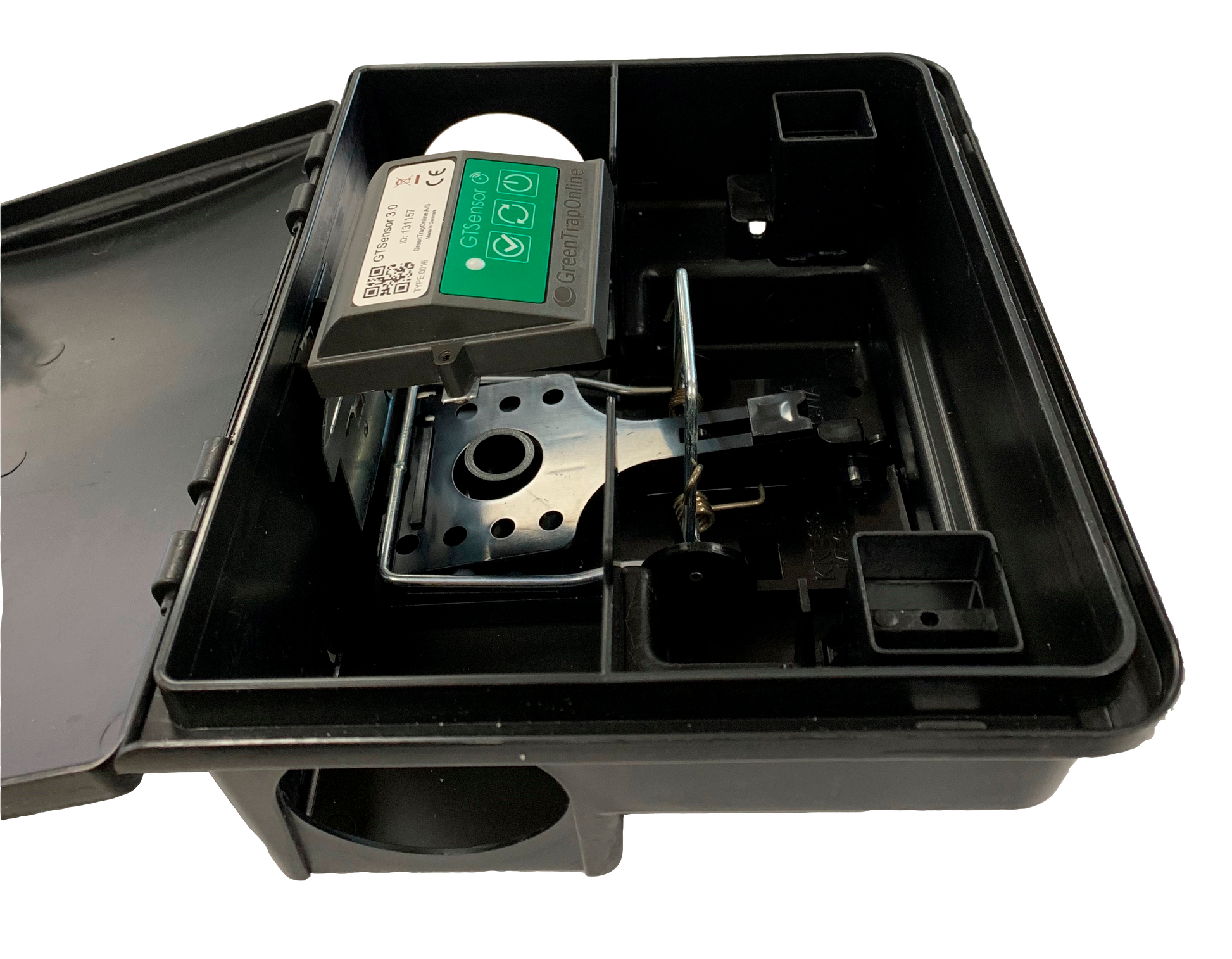 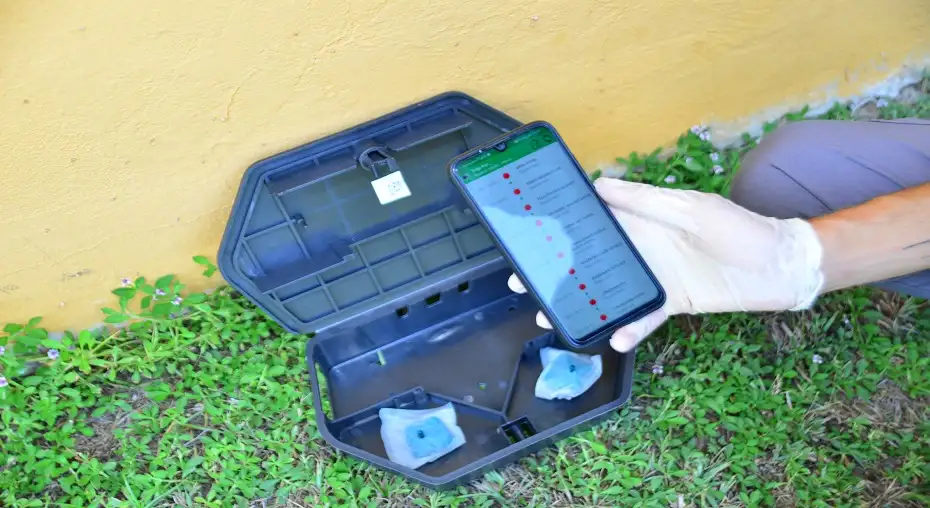 |
- Home
-
Products
- Pig Farming Equipment
- Cattle Farming Equipment
- Sheep & Goat Farming Equipment
- Poultry Farming Equipment
- Feeding & Drinking Systems
- Veterinary & Breeding Equipment
- Testing & Diagnostic Equipment
- Cleaning & Biosecurity Equipment
- Climate Control Equipment
- Livestock Weighing Equipment
- Manure & Waste Management
- Farm Transport & Handling
-
Solutions
- Pig Farm Solutions
- Dairy Farm Solutions
- Beef Cattle Farm Solutions
- Sheep & Goat Farm Solutions
- Layer Farm Solutions
- Broiler Farm Solutions
- Feeding & Drinking System Solutions
- Climate Control Solutions
- Biosecurity & Disinfection Solutions
- Manure & Waste Management
- Smart Farming Solutions
- Farm Renovation and Upgrade Solutions
- Partners
- Projects
- Resources
- News
- About Us
- Contact
Comments & Inquiries
Leave your questions or requirements below. We will reply as soon as possible.