
| Product Name | Outdoor Livestock Fly Trap | ||||||||||||||||||||||||||
| Product Image | 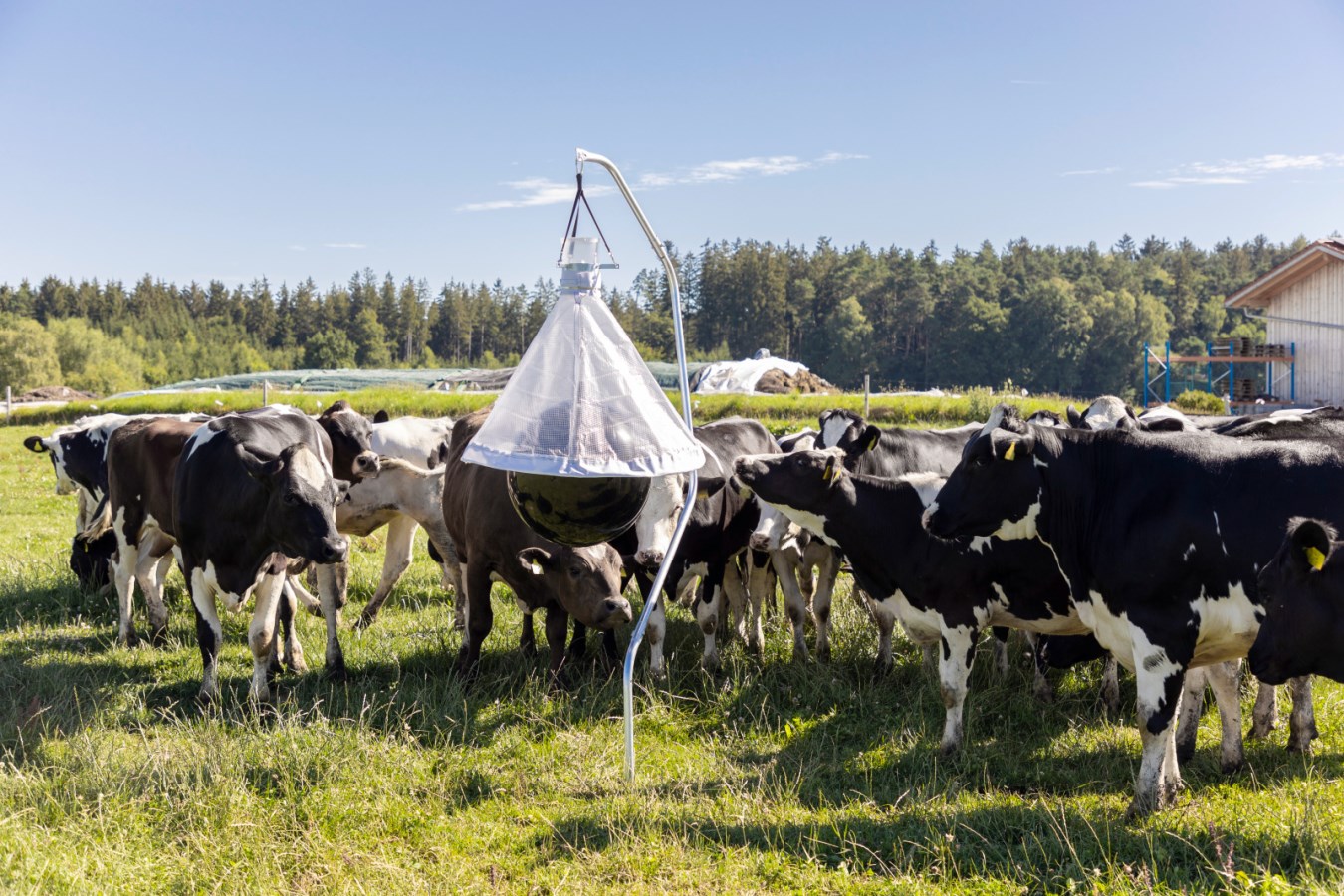 |
||||||||||||||||||||||||||
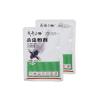
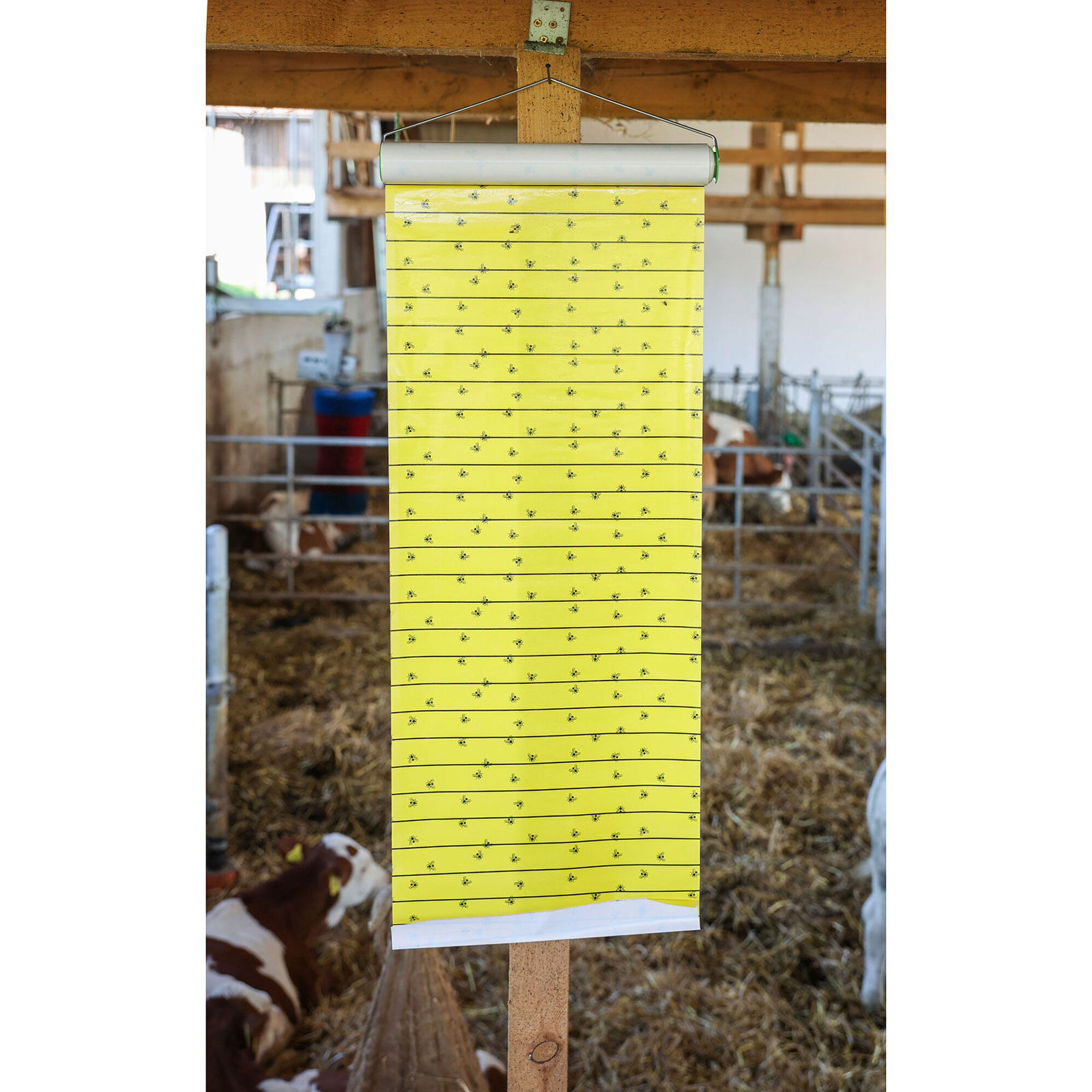
| Product Overview | The Outdoor Livestock Fly Trap is a passive insect-control solution designed for cattle farms, horse paddocks, livestock pastures, farmyards, manure-handling areas and other outdoor agricultural environments. The trap uses a specially formulated attractant to draw flies toward the collection container. One-way entry openings allow flies to enter while making escape difficult, providing continuous fly capture without electrical power or complicated mechanical components. The system is suitable for farms seeking a simple supplementary fly-control method around areas where flies frequently gather, including livestock housing entrances, pasture boundaries, waste areas and outdoor service zones. Reusable construction allows the trap to be emptied, cleaned and refilled with compatible attractant for repeated seasonal use. The referenced Kerbl FlyCage6 system is designed specifically for outdoor agricultural use and can reduce fly nuisance substantially when correctly positioned. :contentReference[oaicite:0]{index=0} |
||||||||||||||||||||||||||
| Key Features |
|
||||||||||||||||||||||||||
| Structural Components |
|
||||||||||||||||||||||||||
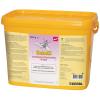
| Working Principle | Water and compatible fly attractant are added to the trap according to the specified mixing instructions. As the attractant becomes active, its odor draws flies toward the trap. Flies enter through specially designed openings or conical mesh inserts. Once inside the collection chamber, the entry geometry makes it difficult for them to escape, allowing the trap to continuously collect insects over an extended period. The trap should be positioned in a suitable outdoor area where fly activity is high but away from locations where attracting additional flies would be undesirable. Sunny locations and known fly flight paths can improve trapping performance. The reference FlyCage6 design uses six one-way openings and a water-based attractant system. Kerbl states that its original attractant can remain effective for up to three months depending on operating conditions. :contentReference[oaicite:1]{index=1} |
||||||||||||||||||||||||||
| Technical Specifications |
Reference performance and filling data are based on the Kerbl cit FlyCage6 system and should be confirmed for the final SHEWUYOU configuration. :contentReference[oaicite:2]{index=2} |
||||||||||||||||||||||||||
| Applications | |||||||||||||||||||||||||||
| Customization Options |
|
||||||||||||||||||||||||||
| Installation & Maintenance | Position the trap outdoors in an area with regular fly activity. For best results, place it along common fly routes and in a sunny location where appropriate, while avoiding direct placement beside doors, feeding points or other areas where attracting flies could create additional nuisance. Add the recommended quantity of water and compatible attractant before use. The trap should remain stable and upright during operation. Inspect the trap regularly and empty it before the collection capacity is exceeded. Clean the housing and entry openings before refilling. Attractant performance can vary with temperature, rainfall and fly pressure. Replacement intervals should therefore follow actual field conditions and the attractant supplier's instructions. The referenced Kerbl system is intended only for outdoor use, with its recommended seasonal use generally from spring through autumn. :contentReference[oaicite:3]{index=3} |
||||||||||||||||||||||||||
| Project Cases | Outdoor livestock fly traps can be deployed around cattle pastures, manure-handling areas, outdoor holding zones and farm service areas where fly populations are concentrated. In larger livestock projects, multiple traps can be distributed around high-risk areas instead of relying on a single unit. This allows the farm to create several interception points around livestock and waste-management zones. For cattle and horse facilities, passive outdoor traps can also be combined with manure management, barn sanitation and indoor fly-control equipment as part of an integrated fly-management program. |
||||||||||||||||||||||||||
| Product FAQ | Q: Does this fly trap require electricity? A: No. It is a passive attractant-based trap and does not require electrical power. Q: Is it suitable for livestock pastures? A: Yes. Outdoor livestock areas, cattle pastures and farmyards are primary applications for this type of trap. Q: How does the trap keep flies from escaping? A: Flies enter through restricted or conical openings that guide them into the collection chamber and make it difficult for them to find the exit. Q: Can the trap be reused? A: Yes. Reusable configurations can be emptied, cleaned and refilled with fresh water and attractant. Q: How large an area can one trap cover? A: Coverage depends on trap size, fly pressure, weather and positioning. The referenced FlyCage6 is promoted for approximately 100 m² under specified conditions. :contentReference[oaicite:4]{index=4} Q: How long does the attractant remain effective? A: This depends on temperature and weather. The referenced Kerbl attractant can remain active for up to three months under suitable conditions. :contentReference[oaicite:5]{index=5} Q: Where should the trap be installed? A: Install it outdoors in an area with frequent fly activity, preferably along known flight paths and according to the attractant manufacturer's positioning instructions. Q: Can several traps be used on one farm? A: Yes. Multiple traps can be distributed around large farmyards, pastures and manure-management areas according to fly pressure. |
||||||||||||||||||||||||||
| Product Gallery | 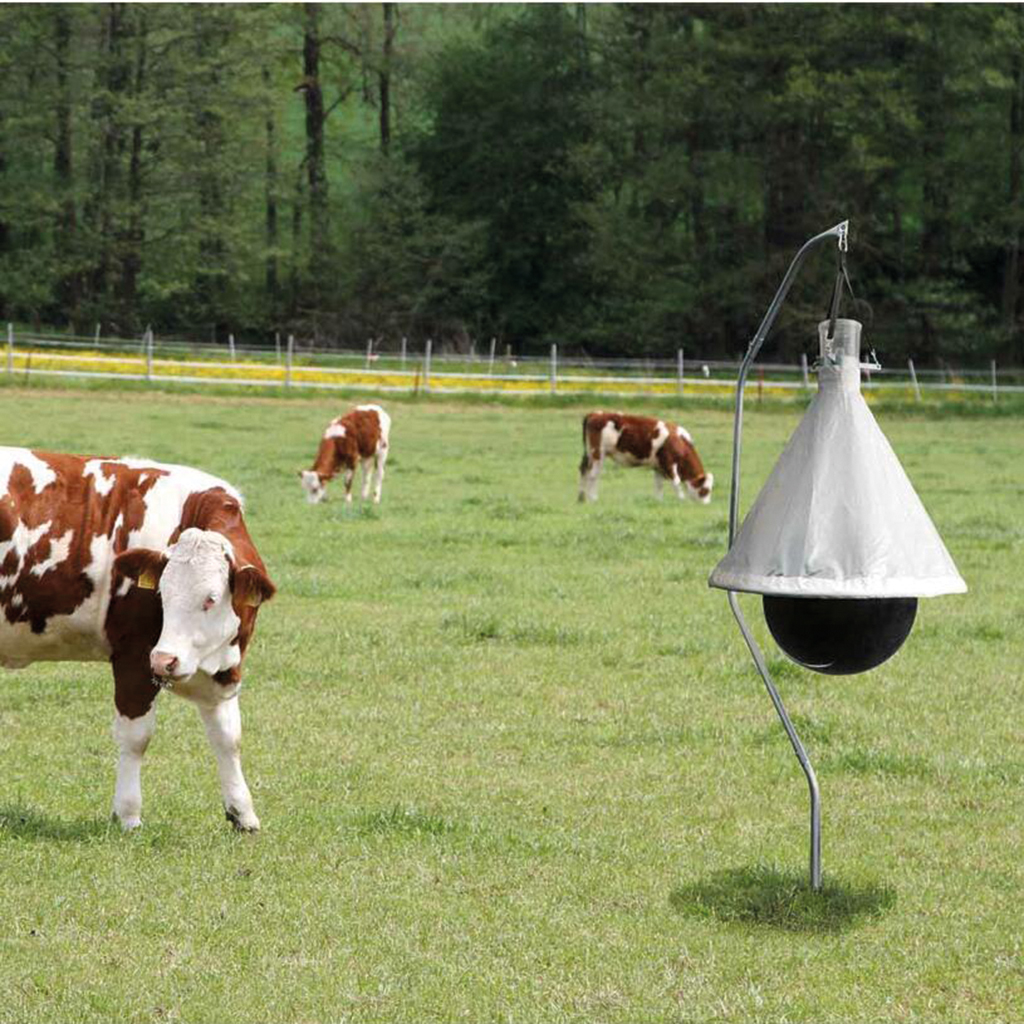 |
- Home
-
Products
- Pig Farming Equipment
- Cattle Farming Equipment
- Sheep & Goat Farming Equipment
- Poultry Farming Equipment
- Feeding & Drinking Systems
- Veterinary & Breeding Equipment
- Testing & Diagnostic Equipment
- Cleaning & Biosecurity Equipment
- Climate Control Equipment
- Livestock Weighing Equipment
- Manure & Waste Management
- Farm Transport & Handling
-
Solutions
- Pig Farm Solutions
- Dairy Farm Solutions
- Beef Cattle Farm Solutions
- Sheep & Goat Farm Solutions
- Layer Farm Solutions
- Broiler Farm Solutions
- Feeding & Drinking System Solutions
- Climate Control Solutions
- Biosecurity & Disinfection Solutions
- Manure & Waste Management
- Smart Farming Solutions
- Farm Renovation and Upgrade Solutions
- Partners
- Projects
- Resources
- News
- About Us
- Contact


Comments & Inquiries
Leave your questions or requirements below. We will reply as soon as possible.